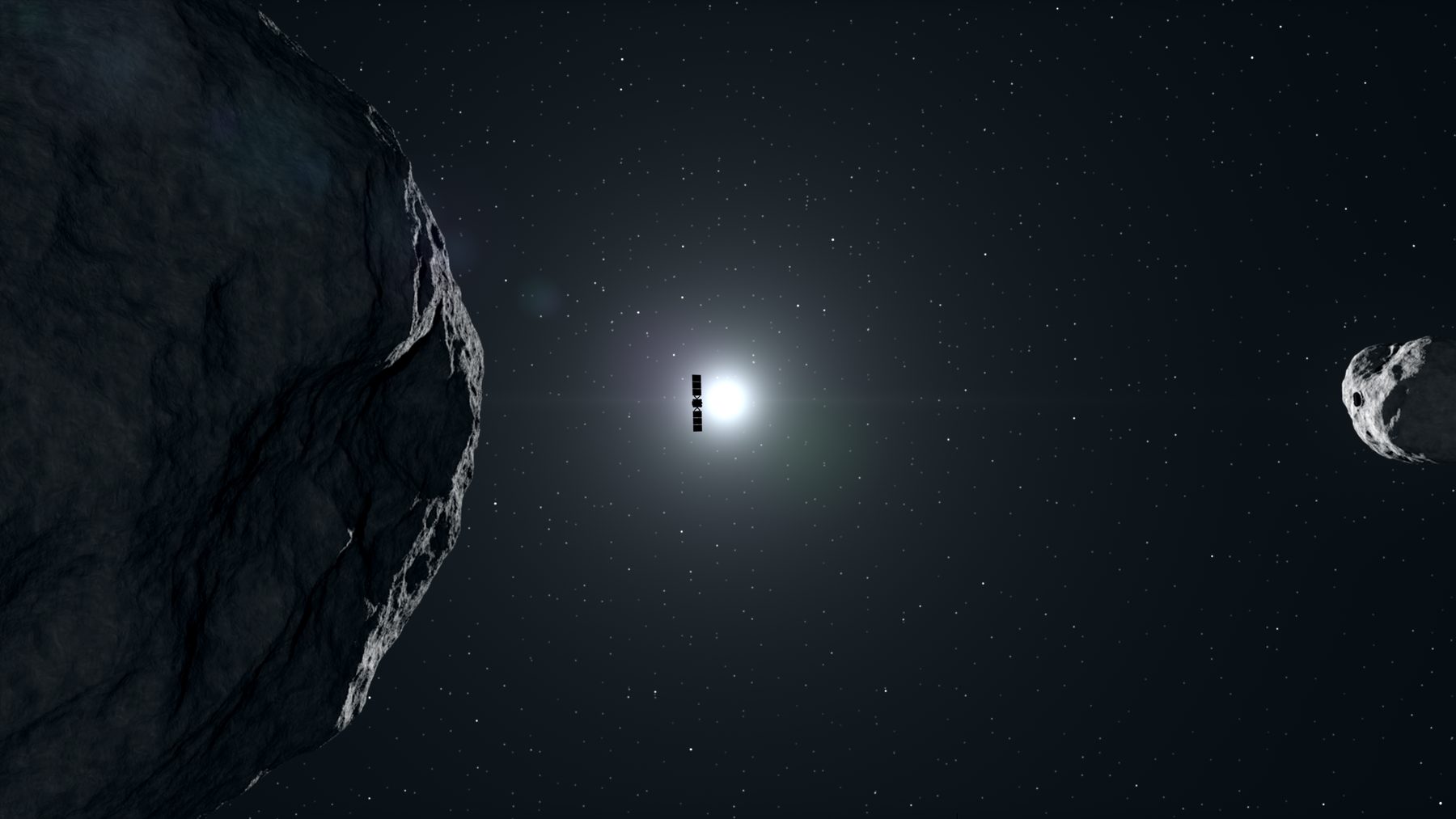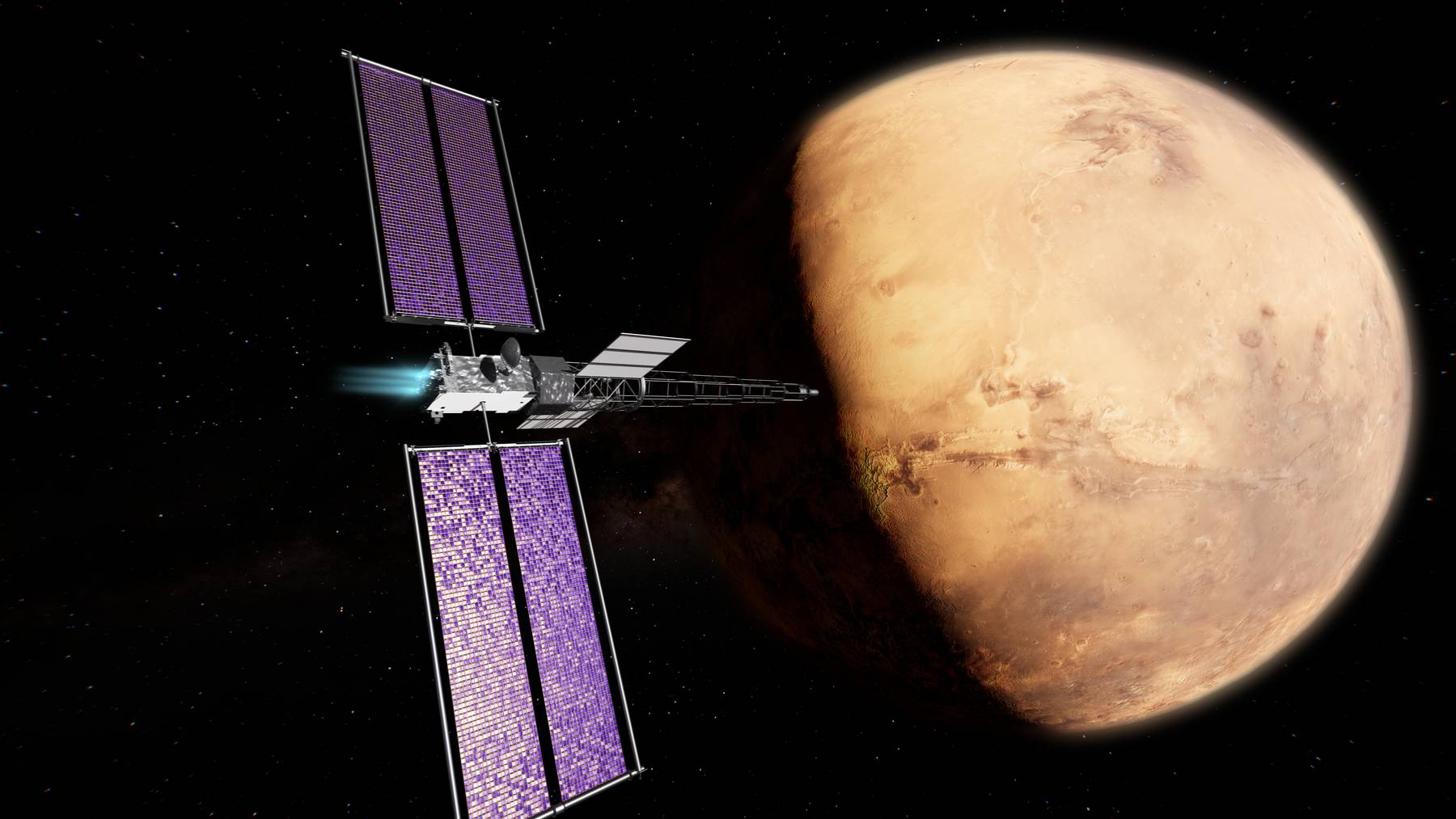
NASA plans to launch Space Reactor-1 Freedom, a nuclear-powered spacecraft, in December 2028. Within 48 hours of launch, according to NASA’s fact sheet, it is to escape Earth’s gravity, start a fission reactor and power its electric thrusters, which the agency calls “three milestones, accomplished in two days.”
The spacecraft, SR-1 for short, now falls under an agreement between NASA and the U.S. Department of Energy. NASA Administrator Jared Isaacman and Energy Secretary Chris Wright signed it on October 8, 2026, and it takes effect on November 1. NASA says it covers everything from “advanced research and fuel production to rigorous testing, launch integration, and operations.”
“We are entering the ‘Nuclear NASA-era,’ which represents a major transformation for space exploration,” Isaacman said in the NASA announcement. “Nuclear power will allow us to go farther, operate longer, and field more capable spacecraft and instruments than ever before.”
Fuel and reactors from Energy, missions from NASA
Under NASA’s plan, the agency “serves as prime integrator in close partnership with the Department of Energy and private sector innovators.” “The Energy Department is proud to partner with NASA as we help American space missions reach uncharted territory,” Wright said when the agreement was signed.
Low thrust that never stops
SR-1 uses nuclear electric propulsion, in which the reactor’s heat becomes electricity and the electricity drives thrusters. NASA’s Ignition presentation calls nuclear power a “highly efficient means of moving mass” and notes that “continuous propulsion opens more launch windows.”
Nuclear thermal rockets, whose reactor cores NASA has studied in non-nuclear cold flow tests, work differently: they heat a propellant gas in the reactor and push it out of a nozzle for thrust.
Inside SR-1 Freedom
NASA’s mission page lists a spacecraft of about 26,455 pounds (12,000 kilograms) and a reactor fueled with high-assay low-enriched uranium, or HALEU, that makes 20 kilowatts of electricity through a closed Brayton cycle, a sealed loop of gas that is heated, spun through a turbine and cooled again.
Big fins behind the reactor shed the heat it cannot turn into power.
The back half of the craft is the Power and Propulsion Element, a 48-kilowatt bus first built for the Gateway lunar station, with the Advanced Electric Propulsion System, a 12-kilowatt Hall thruster that fires a stream of ionized xenon.
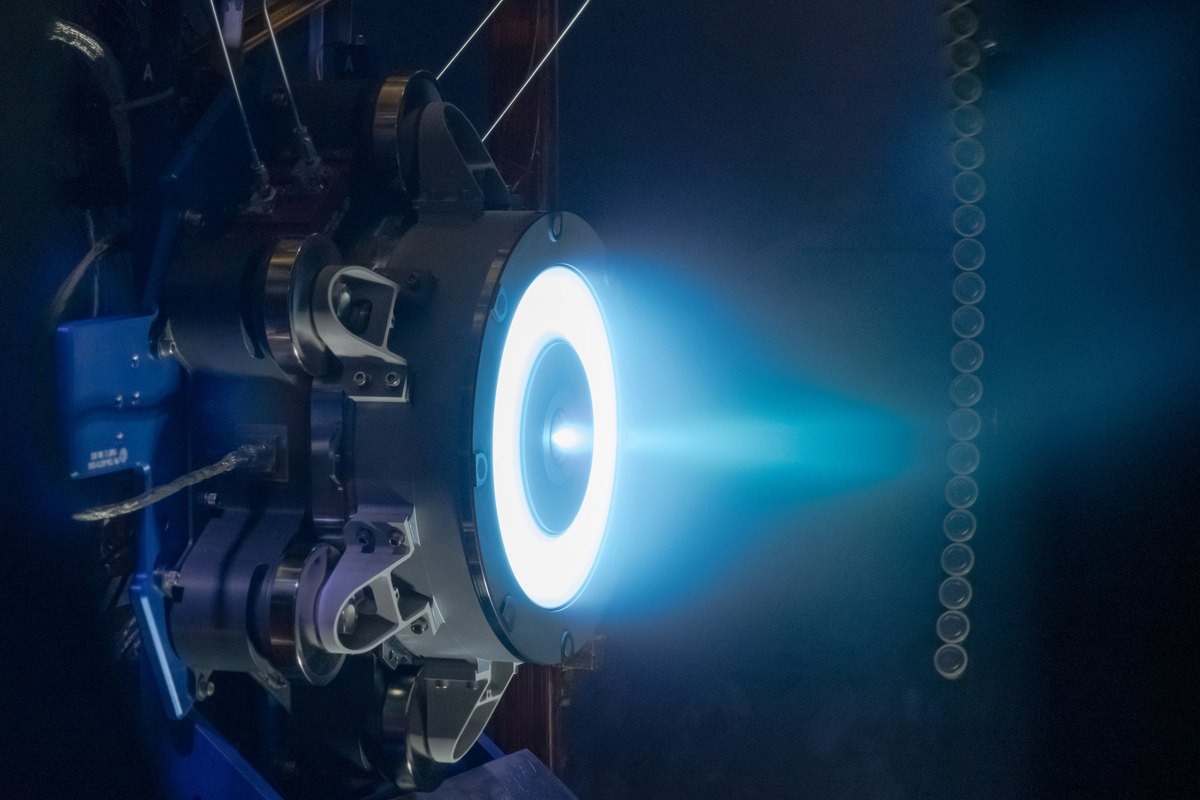
NASA says reusing that “nearly built, NASA-developed spacecraft bus” means “putting taxpayer investments already made to work.”
Helicopters for Mars
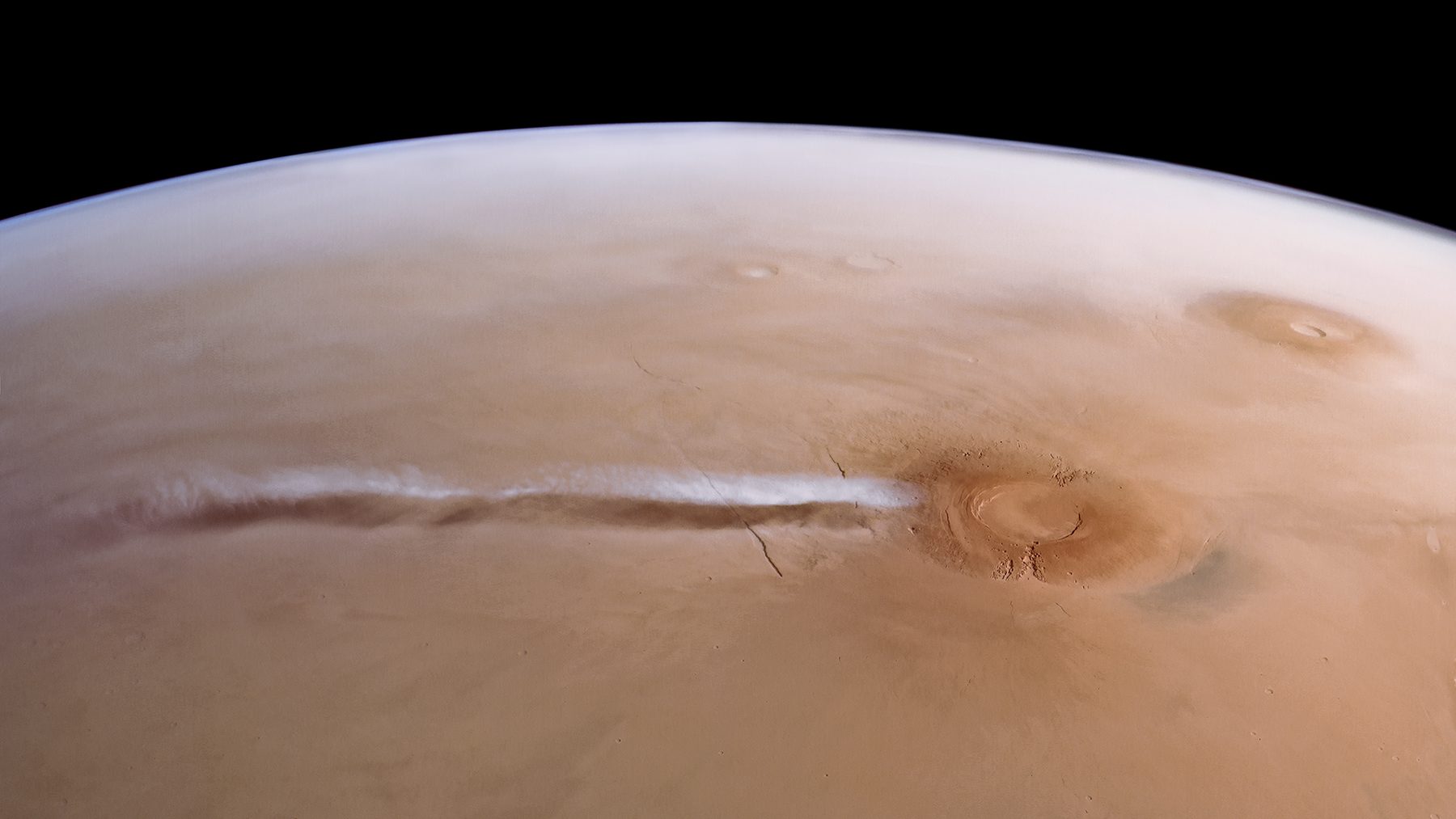
Once at Mars, SR-1 is to release SkyFall, three helicopters based on Ingenuity. NASA says they will carry “cameras, ground-penetrating radar, and radios to survey potential human landing sites, search for subsurface water, and relay navigation data for future landers.”
From Mars to a Moon reactor in 2030
SR-1 is meant to clear the way for Lunar Reactor-1, a fission surface power system that NASA says will keep its planned Moon Base running “through darkness and shadow.” NASA’s own papers differ on 2030. The March fact sheet says “LR-1 lands on the Moon in 2030”; the October release says only that a lunar surface reactor will be “launch-ready” by then.
By flying a reactor first, without the added complexity of a lunar landing, NASA says SR-1 “retires nuclear flight risk, stimulates and qualifies the supply chain, and builds the necessary workforce.”
Nuclear batteries keep flying too
The pact also covers radioisotope power, which runs on decay heat instead of fission. NASA’s Dragonfly rotorcraft, due to launch for Saturn’s moon Titan in 2028, will carry a Multi-Mission Radioisotope Thermoelectric Generator and 24 Light Weight Radioisotope Heater Units, and NASA and the Energy Department plan to supply 24 similar heaters to keep instruments warm on Europe’s Rosalind Franklin Mars rover.
A tight timeline
NASA’s own fact sheet says the United States spent more than $20 billion over six decades on space nuclear programs and flew one reactor, SNAP-10A, in 1965. The agency’s Ignition presentation sums up that record as “an execution problem.”
NASA’s notional timeline has SR-1’s systems ready for assembly and testing in January 2028 and the spacecraft at the launch site that October, ahead of a Mars window that will not wait. Counting from the October 8 signing, December 2028 is only about 26 months away. NASA’s fact sheet says that window “forces decisions that decades of study never did.” NASA’s release on the agreement gives no budget or power figures.
Image: NASA