A museum in Lucerne, Switzerland, is showing objects that came out of the ice as the country’s glaciers melted. The oldest are deer antler and pine wood about 8,000 years old, and the other finds include a hunting bow, a Roman-era statuette and a crushed tube of mayonnaise.
The exhibition is called Schatzkammer Eis, which is German for Treasury of Ice. It opened at the Glacier Garden museum on September 23, and it will be on view until August 22, 2027.
The show opened in a year when Swiss glaciers lost 5.5 percent of their volume, which is the second-worst loss on record.
Andreas Burri, the director of the Glacier Garden, tells the Associated Press that the glaciers are disappearing so quickly that the exhibition treats them as an archive of what is going to be lost.
Burri even admits that some of the objects are simply rubbish that someone lost or threw away. But he thinks that they still show the variety of what’s coming out of the ice now.
According to the museum, it’s the first exhibition that brings glacier archaeology and ice-core research together. Instead of setting it up as a catalog of pieces, the museum organized it around 15 stories.

Some of the oldest pieces in the show come from Untere Stremlücke, on the Brunnifirn glacier in the canton of Uri. The museum says that the ice there has released deer antler, Swiss stone pine wood and traces of rock-crystal working that date to around 6000 B.C.E.
As for the ice cores, they preserve soot and charcoal from the fires of the great drought of 1540.
Other objects are much more recent, such as a wine bottle, a cracked climbing helmet, a cow skull, boots, skiing gear and an early knife in the style of a Swiss Army knife. There is also a cylinder of ice in the room that drips.
Marcel Cornelissen, one of the exhibition’s two scientific advisers, is a glacier archaeologist who led a project in the Uri Alps on how Stone Age people mined and used rock crystal. He tells Swiss broadcaster SRF that glaciers are treasure chambers, and that a great deal of archaeological knowledge is lost as the ice melts.
However, the melting is also what makes this work possible. The other adviser, Margit Schwikowski, is a former head of the environmental chemistry laboratory at the Paul Scherrer Institute and has chaired the science committee of the Ice Memory Foundation. She told the Swiss regional newspaper Bote der Urschweiz that in glacier archaeology, the ice has to melt before any object can appear.
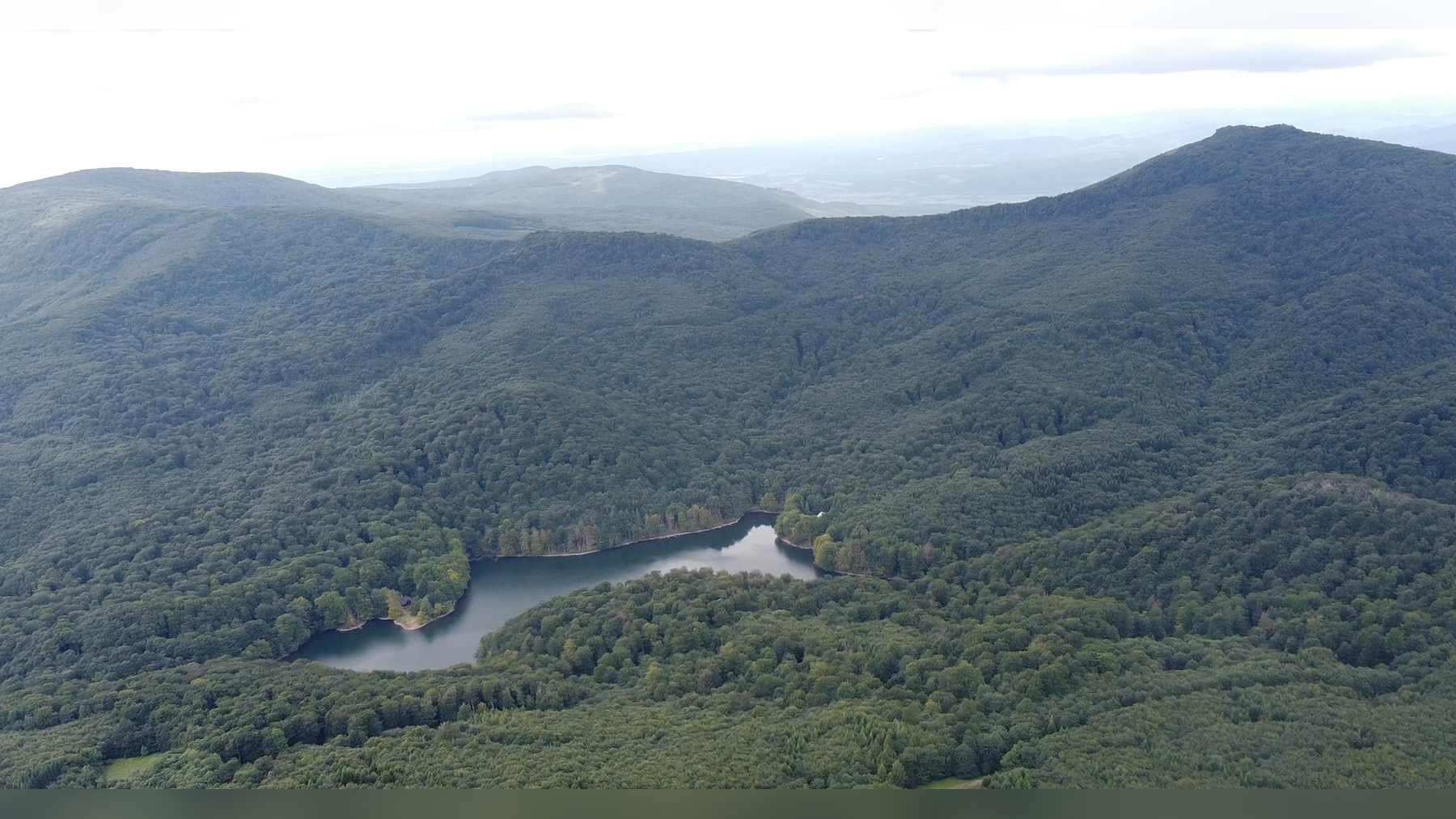
The figures for the past year come from GLAMOS, the Swiss glacier monitoring network. Its annual report covers October 1, 2025, to September 30, 2026. In that time, Swiss glaciers lost about 0.6 cubic miles (2.5 cubic kilometers) of ice.
The only worse year on record was 2022, when the loss was 5.9 percent. Since 2021, the glaciers have lost almost 20 percent of their volume.
The Great Aletsch, Rhône, Clariden and Allalin glaciers all set records. At the lowest measuring site on the Aletsch, the surface of the ice dropped by about 43 feet (13 meters).

There were two reasons for the losses, starting with a winter that brought 25 percent less snow than usual. After that came the hottest June-to-August period on record, and the freezing level was above about 13,100 feet (4,000 meters) on 76 days, which is more than double the norm.
Two small glaciers, Bella Tola in Valais and Griessfiren in Glarus, have disappeared completely.
The melting also exposes things that nobody wants to find. On July 26, two bodies were found on the retreating Trift Glacier near Saas-Grund, in Valais, and on August 19 the Valais cantonal police said a DNA comparison had identified them as two Belgian mountaineers who had been missing since 1992, swissinfo.ch reported.
Schatzkammer Eis will stay open in Lucerne through next summer. That means the glaciers will go through one more melting season while the exhibition is still open.