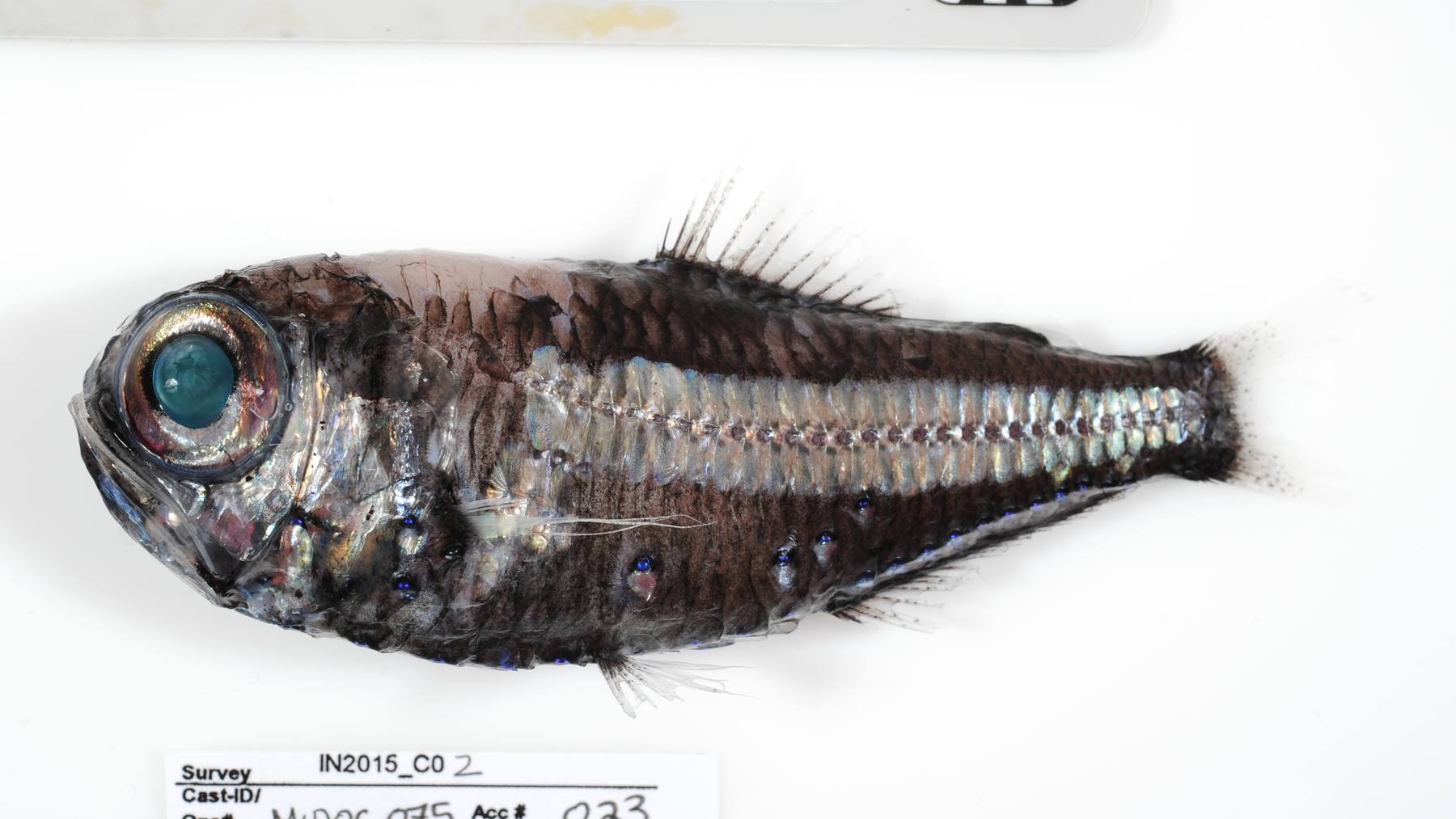
Lanternfish are among the most abundant fish in the ocean, and also among the most mysterious. They glow, they have large eyes, and most are small.
Researchers in Australia now have a comprehensive guide to the lanternfish living in the country’s waters, CSIRO, Australia’s national science agency, said on November 20. The guide covers 141 species, and the paper reports that 21 of them are new records for Australian waters.
A guide to 141 species
The guide was published in August in Technical Reports of the Australian Museum. Its authors are John Paxton, Alan Williams and Alexander Hulley, and it runs to 112 pages.
It provides illustrated keys to 30 genera and 141 species. Of those, 136 species live within Australia’s Exclusive Economic Zone, and five more were recorded close to its edge.
According to the paper, four of the species are still undescribed, meaning they have no formal scientific name yet. Three belong to the genus Dasyscopelus and one to Lampanyctus.
Until now, no comprehensive guide specific to Australian waters existed for identifying lanternfish down to species, CSIRO says. Worldwide, there are at least 254 known species.
Each species has its own lights
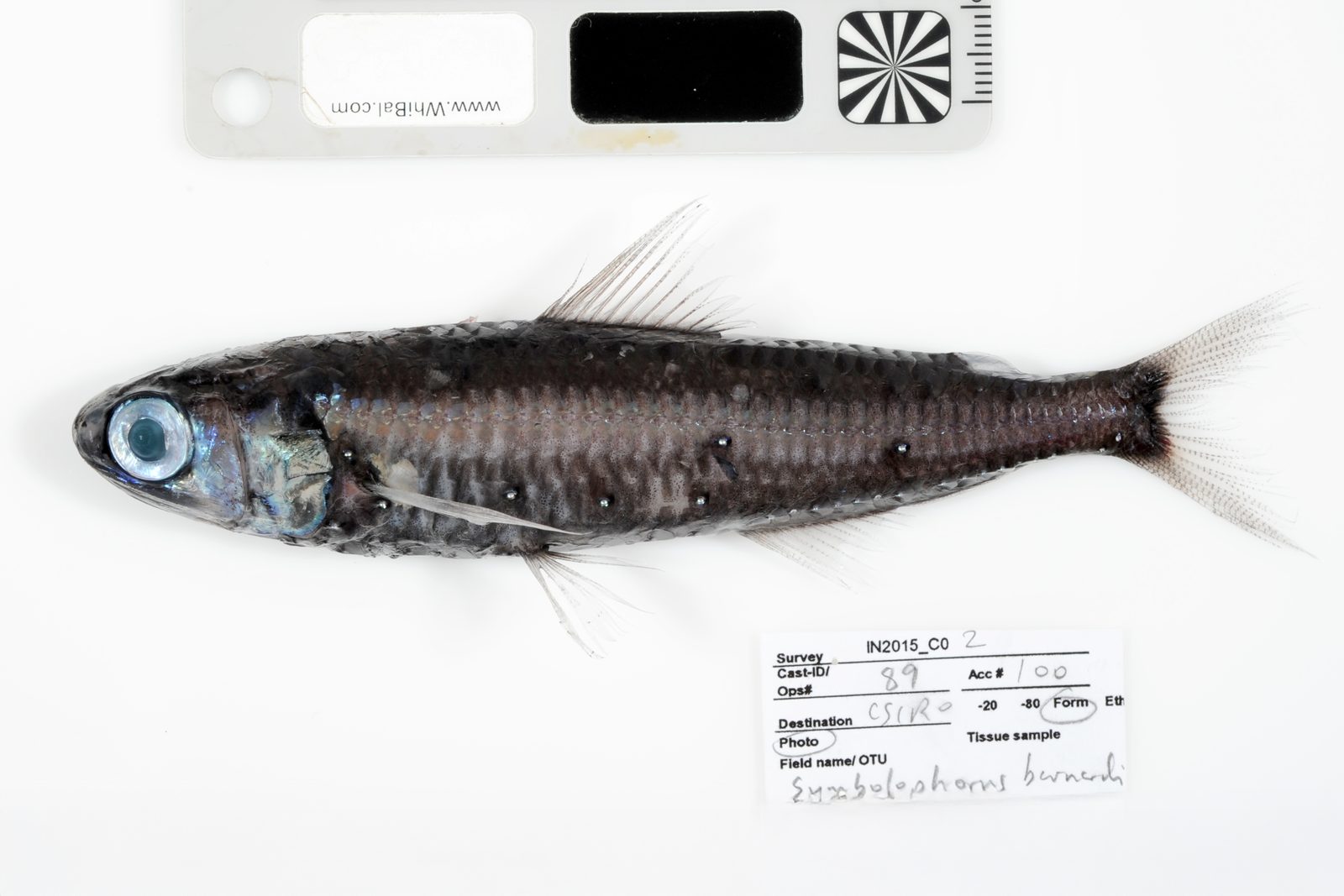
Lanternfish carry light organs called photophores on their bodies and heads. They make their own light through a chemical process called bioluminescence.
The pattern of those lights is unique to each species, according to CSIRO. That makes it the single most useful feature for telling one lanternfish from another.
The fish are small, from about 1 inch to about 11 inches long. Most live between roughly 650 and 3,300 feet deep, in what scientists call the twilight zone.
Light helps them in that dim water. CSIRO says it can attract food or a mate, and lanternfish are thought to use flashes of light to signal a threat such as a predator. Deep-sea surprises keep turning up elsewhere, too, like a tiny deep-sea lanternshark caught off Mauritius whose species had never been named.
Their glow can also work as camouflage. By producing light, a lanternfish can break up its silhouette against the faint light from above, which helps hide it from predators in the water below.
The biggest daily migration on Earth
Lanternfish make the largest daily migration of any animal on the planet, CSIRO says. As night falls, many rise from the twilight zone toward the surface to feed on zooplankton.
Before sunrise, they return to the depths and the relative safety of the dark. The numbers involved are so large that they once confused early sonar operators.
To those crews, the seafloor seemed to rise toward the ship every night. The sonar pulses were in fact bouncing off millions of fish moving up through the water.
That nightly trip moves energy and material between the surface and deeper layers. CSIRO says it drives a rapid downward flow of carbon into the deep ocean.
Food for tuna, penguins and whales
Lanternfish dominate fish biomass in the world’s oceans. Their combined weight is estimated at around 5 gigatonnes, about 50 times the annual global commercial catch of all marine species.
Their sheer abundance makes them key prey across the ocean. Tunas, seabirds such as penguins and albatrosses, and seals, whales and dolphins all eat them, according to CSIRO.
Penguins turn up in other Antarctic research, too. In a separate study, tracking showed how young emperor penguins spend their first year at sea crossing Antarctic krill fishing grounds.
“Many lanternfish species are broadly distributed in world oceans and, in areas such as Antarctica, almost all large marine animals eat them!” said Alan Williams, a former CSIRO research scientist and one of the guide’s authors.
Years of voyages on RV Investigator
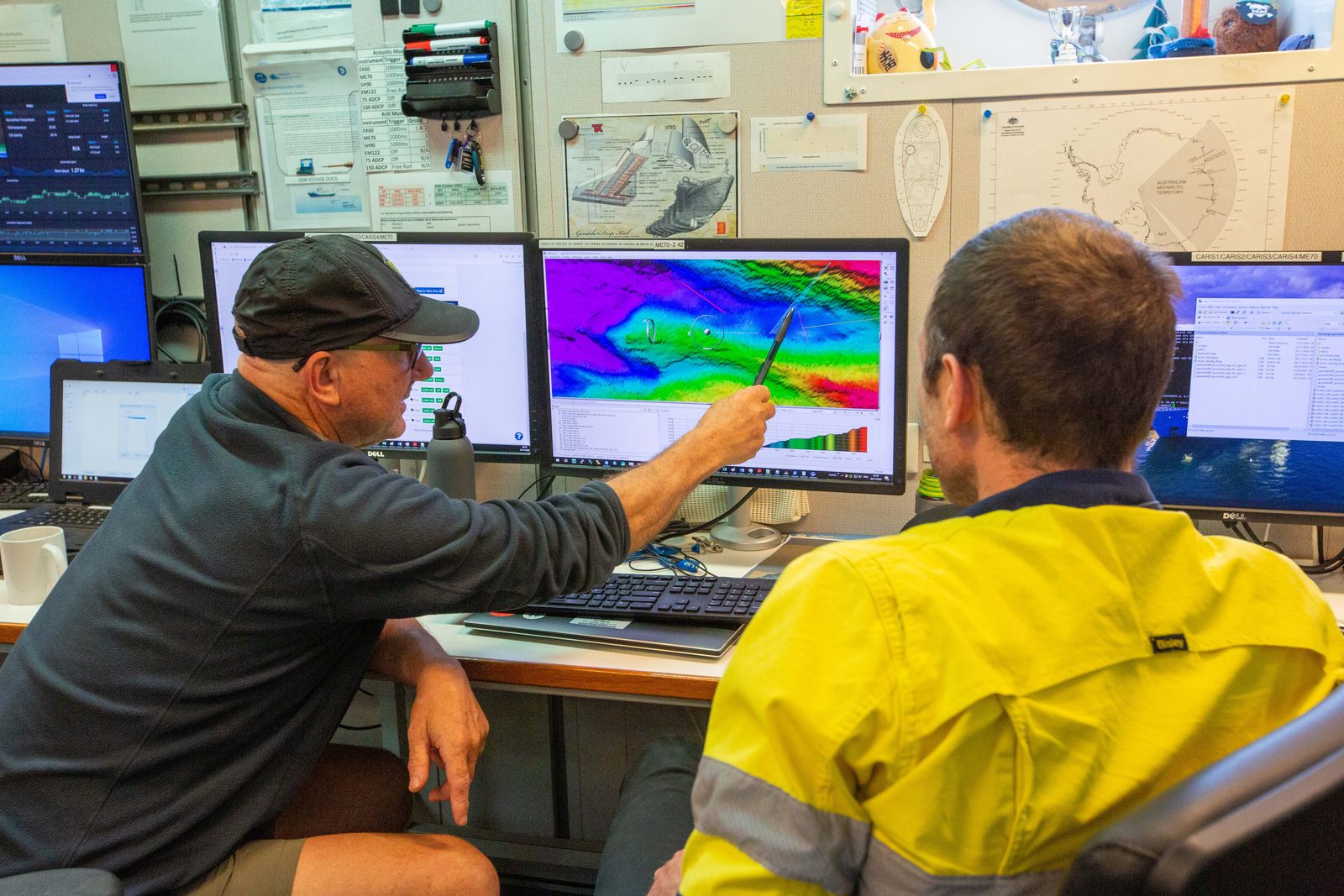
Williams has taken part in 13 voyages on CSIRO’s research vessel Investigator, all of which added data on lanternfish in Australian waters. The team mapped where the fish sit in the water column with scientific echosounders.
They then matched that acoustic data with fish caught at known depths by a multi-net sampler designed by CSIRO. “The datasets generated by these voyages were vital because the acoustic data were quantitative, giving us the ability to calculate biomass,” Williams said.
Many specimens from those voyages are now kept in the Australian National Fish Collection in Hobart, Tasmania. The project was supported by Parks Australia and by grants of sea time from the CSIRO Marine National Facility.
Why a name matters
Being able to identify a species is basic to monitoring and conservation, CSIRO says. CSIRO says the guide will help researchers track how species move in response to climate change and detect new species.
In a separate story from California, Monterey Bay has turned into a blue desert as El Niño warms the water and plankton crashes.
“I expect all research voyages taking collections of lanternfishes or examining oceanic food webs will use our key to make species identifications,” Williams said.
Williams said the keys would also matter if lanternfish were ever harvested commercially. There is growing demand for healthy fish oils, Williams said, and some lanternfish have potential for human consumption, but their nutritional suitability varies from species to species.
Photo: CSIRO Australian National Fish Collection