What would you think if a group of fish suddenly climbed out of a pond and started crawling over the ground in the middle of the night? That is exactly what a remote wildlife camera in South Africa has just recorded, giving scientists and nature lovers a rare look at a fish that can leave the water and keep going.
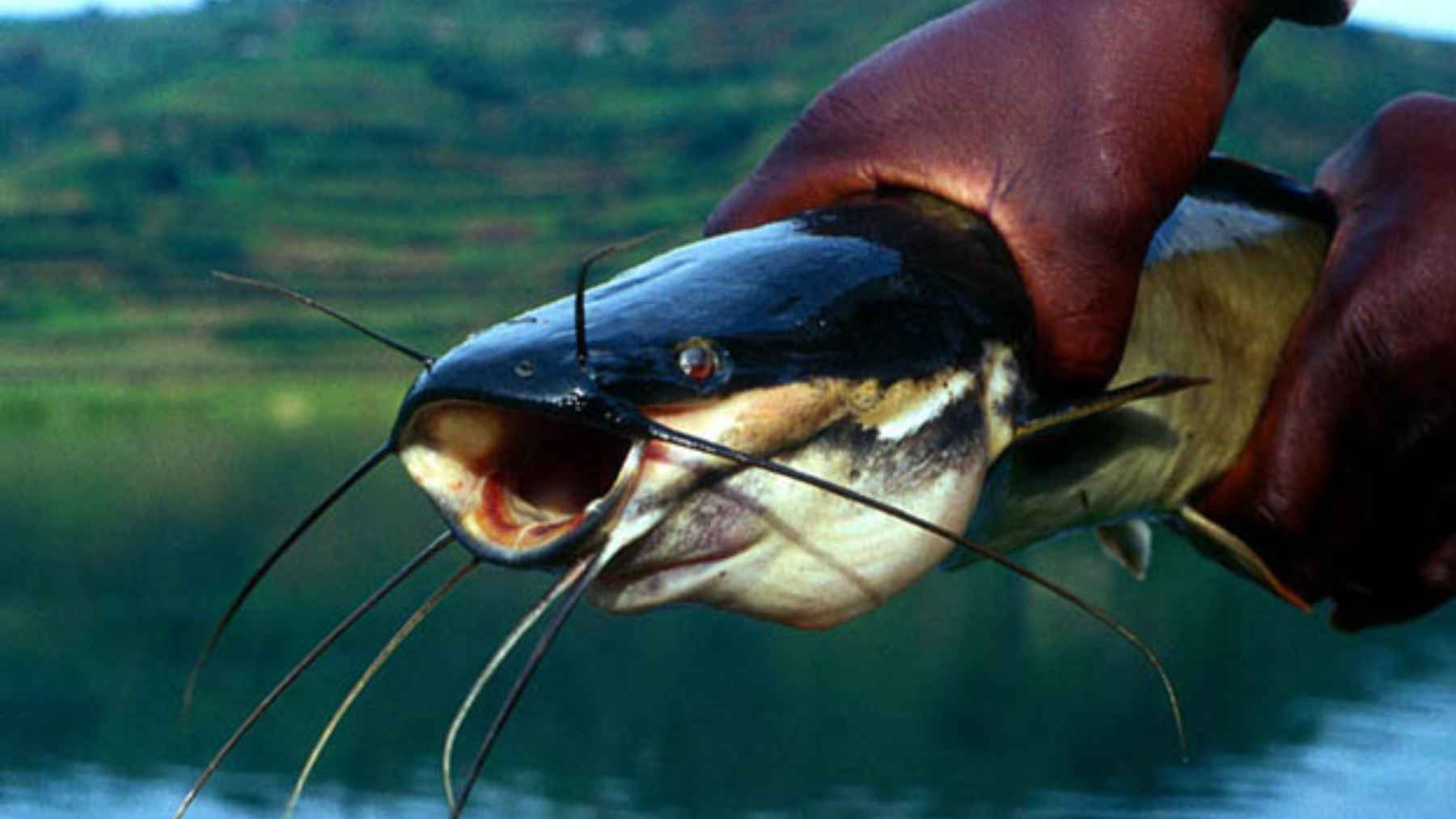
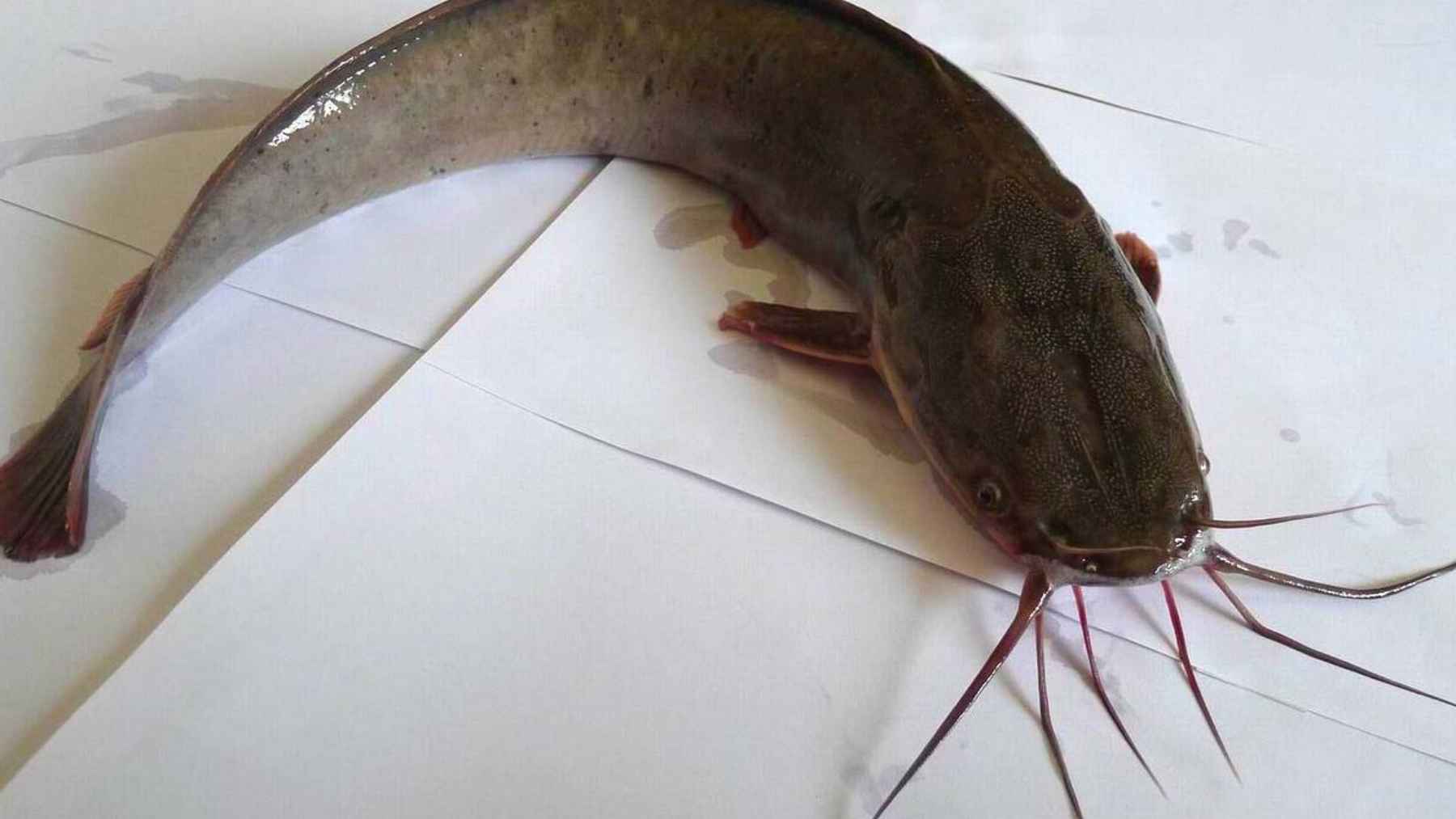
The black and white footage, filmed by an Africam Live camera near a pool at Naledi Bush Lodge, shows several African sharptooth catfish (Clarias gariepinus) gathering at the water’s edge before pushing their bodies onto the wet bank and wriggling slowly over the mud.
According to staff quoted by science outlets, the animals moved in and out of the pond for around twenty minutes, most likely searching for food on land, at a time when recent flooding kept the ground moist and reduced the risk of drying out.
Built to leave the water
This eerie scene might feel like something from a science fiction movie, but biologists say it fits what we know about this species.
The African sharptooth catfish is one of the most widely-distributed freshwater fish in Africa, in large part because it tolerates many different habitats, from slow rivers to temporary pans. It is omnivorous and opportunistic, feeding on invertebrates, smaller fish, plant material and even small mammals when it can find them.
Its secret survival tool is a primitive accessory air breathing organ inside the gill chamber. This structure lets the fish gulp air and survive for hours or even days out of water, as long as its skin and gills stay damp.
In dry seasons, researchers have documented sharptooth catfish lying packed together in shrinking pools, or leaving the water at night to crawl into new wetlands or search for food along the shore, using powerful pectoral spines and side to side body movements that look surprisingly similar to awkward “walking”.
A resilient survivor with an environmental cost
The recent South African footage stands out because cameras almost never catch this behavior in the wild, even though field biologists have reported it for years.
A spokesperson for Africam noted that catfish are more often seen leaving water when ponds are drying, but that current flooding in the area may be giving them a safer chance to explore new ground.
That ability is impressive, yet it comes with a warning.
Agencies such as the South African National Biodiversity Institute and conservation body CapeNature describe the African sharptooth catfish as a tough native species that has also become invasive in some regions, where its broad diet and talent for moving between water bodies can put heavy pressure on indigenous fish.
For people watching from their couch, the sight of a “walking” fish is a spooky curiosity. For ecologists, it is a reminder that freshwater systems are full of hardy survivors quietly adjusting to floods,droughts and the canals, dams and farm ponds we build.
The next time a quiet pond looks empty, there may be more going on along the shoreline than meets the eye.
The video and accompanying report were published on IFLScience.