





ECONEWS
Archaeologists are turning to artificial intelligence to decipher a 2,000-year-old Roman inscription, and what’s written on the stone could change everything we thought we knew about an ancient lost game
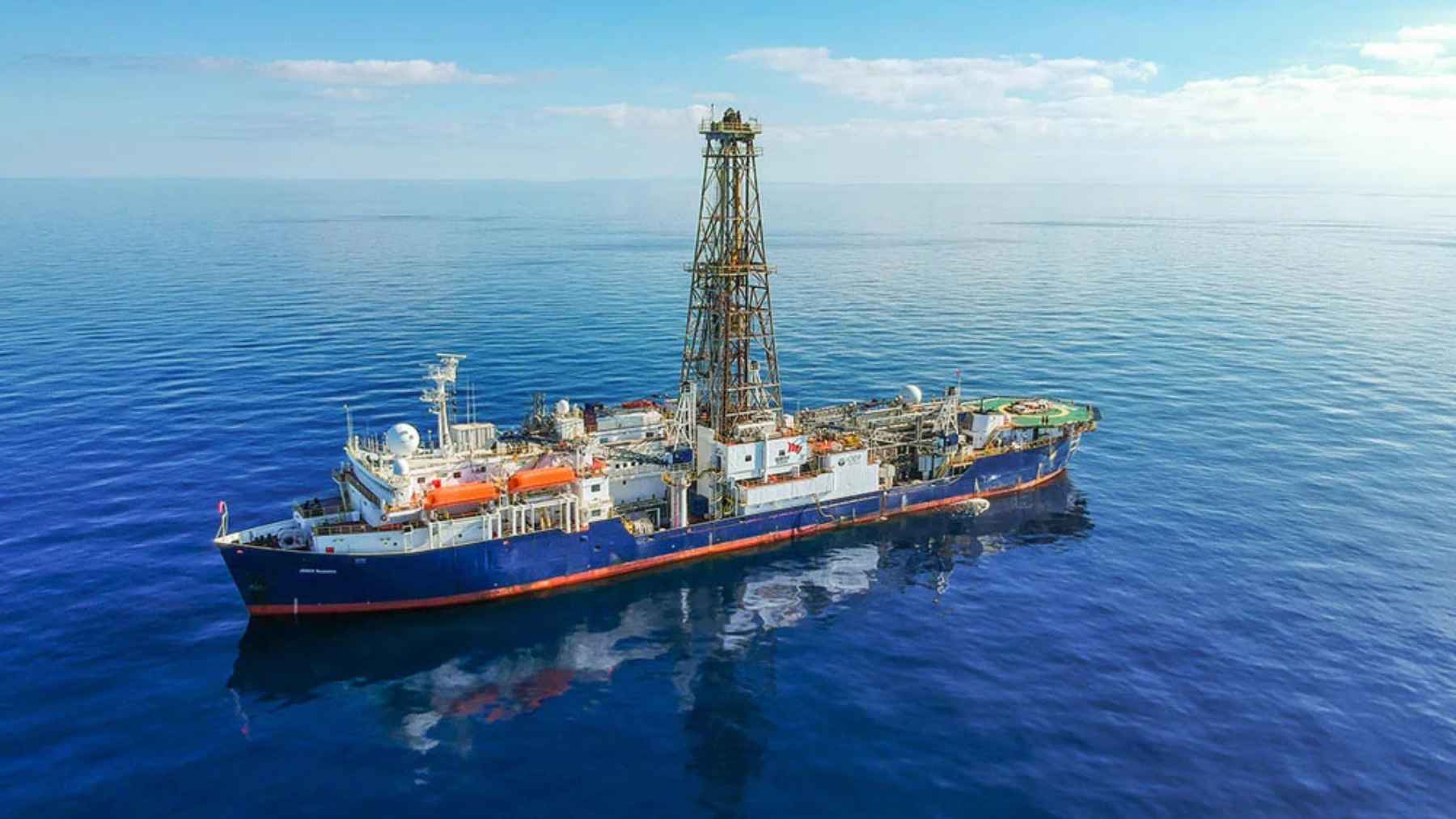
An “underground sea” of fresh water has been discovered beneath the Atlantic Ocean, so large that it could supply New York City for 800 years
Richard Feynman, physicist and visionary, in 1959: “There is enough space on the head of a pin to fit the entire Encyclopaedia Britannica”
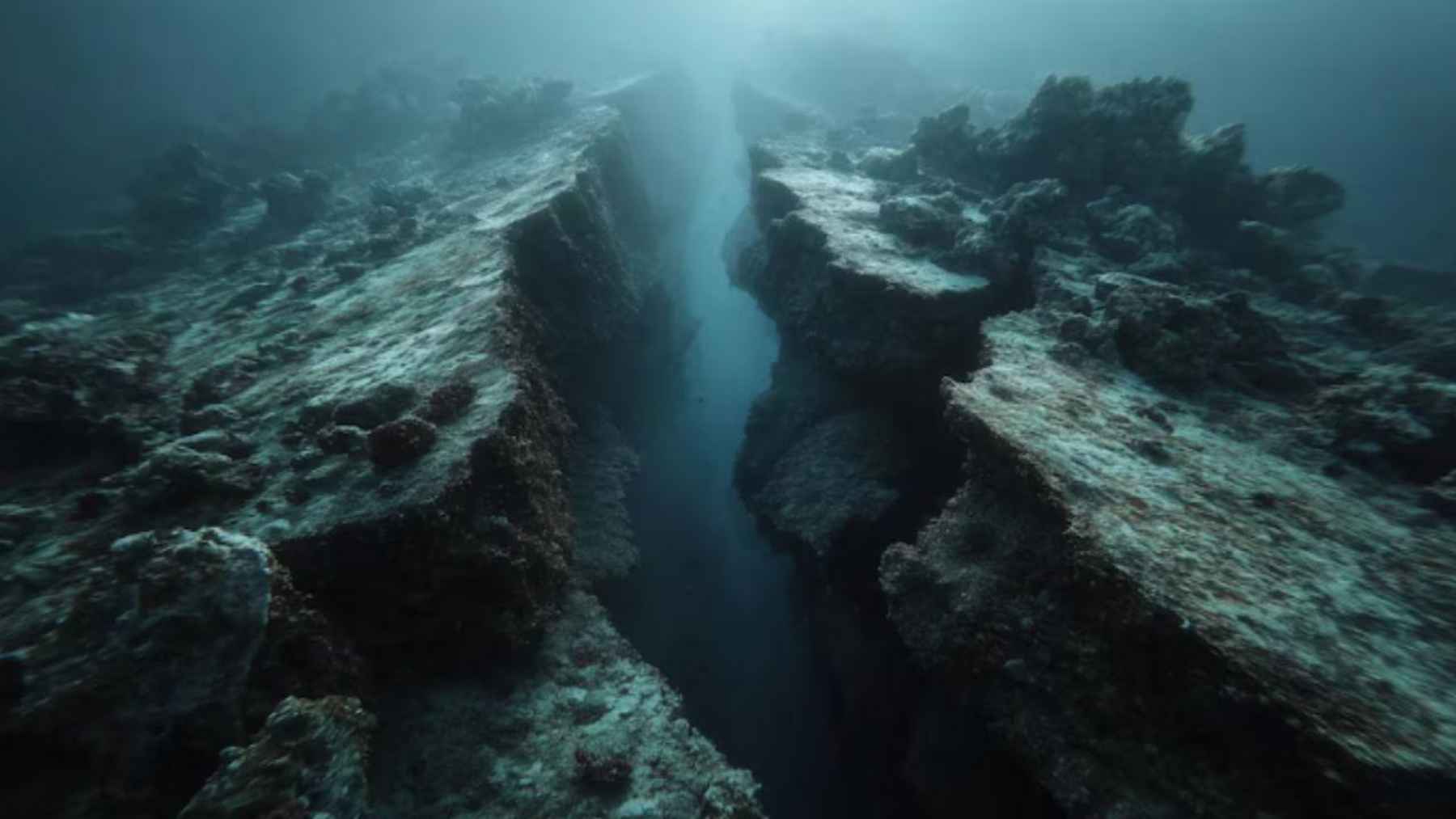
For the first time, they “saw” a tectonic plate breaking apart under the Pacific, and what they found was not a crack, but an entire system
Human DNA reopens the last great mystery of Genghis Khan, and what scientists have discovered could change everything we thought we knew about his descendants
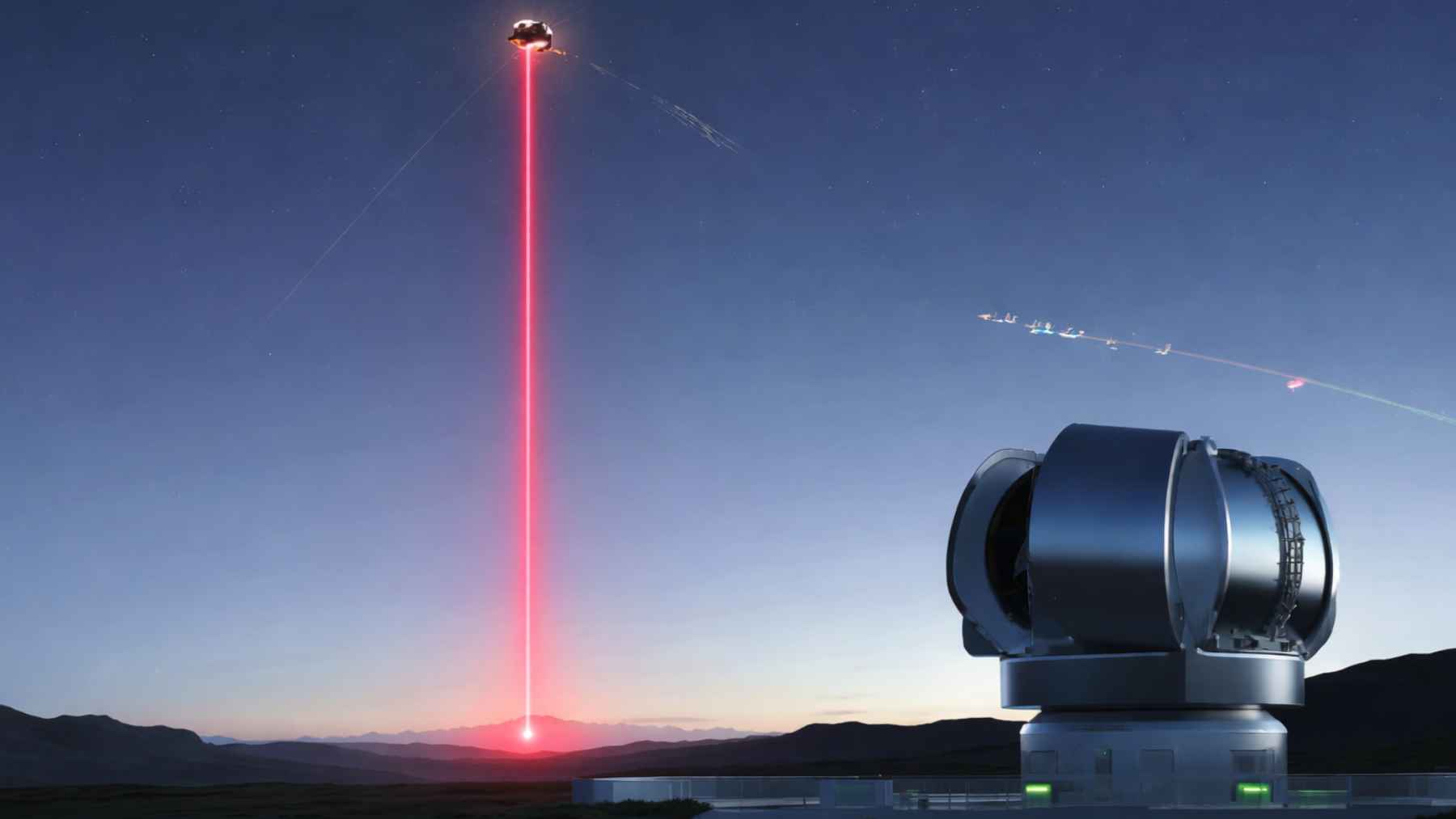
China has just achieved an extraordinary feat: a laser with a power output of just 2 watts has transmitted data at a speed of 1 gigabit per second from a distance of 36,705 kilometers to Earth
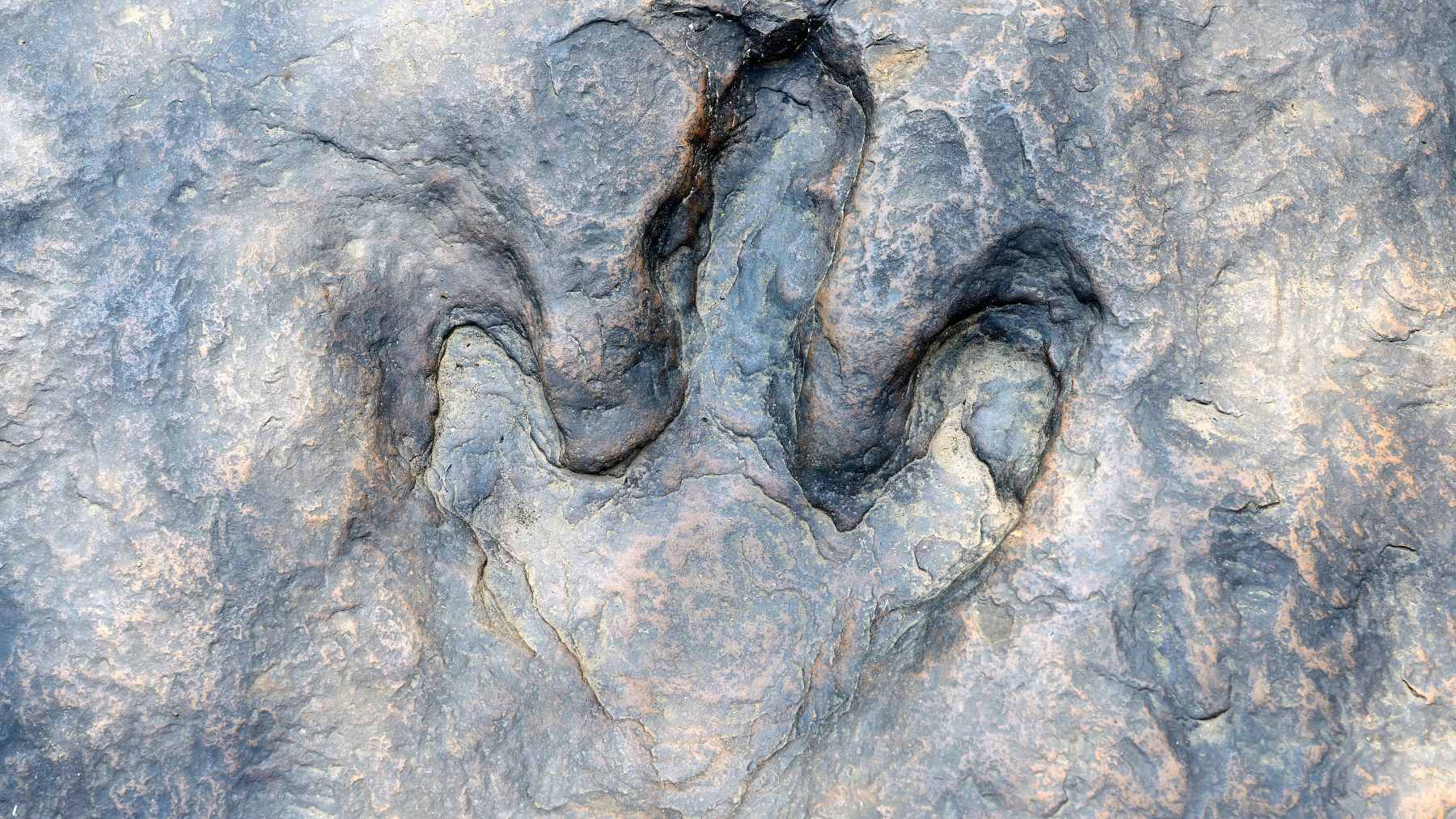
An artificial intelligence application identifies dinosaur footprints with 90% accuracy… and may have found the footprints of the planet’s first birds, dating back 200 million years
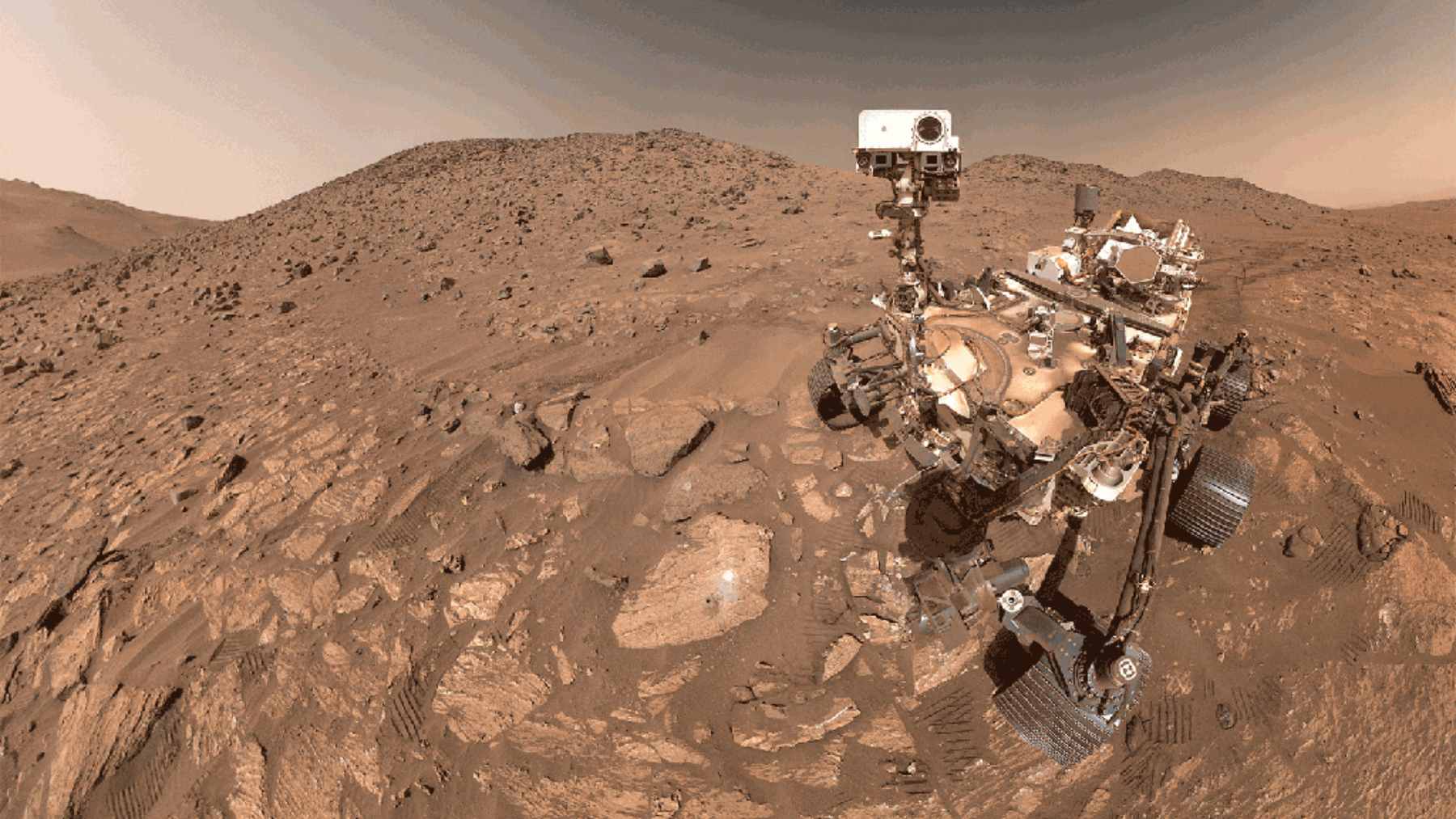
Perseverance detects tiny electrical sparks in Martian dust devils, the first evidence of lightning on Mars
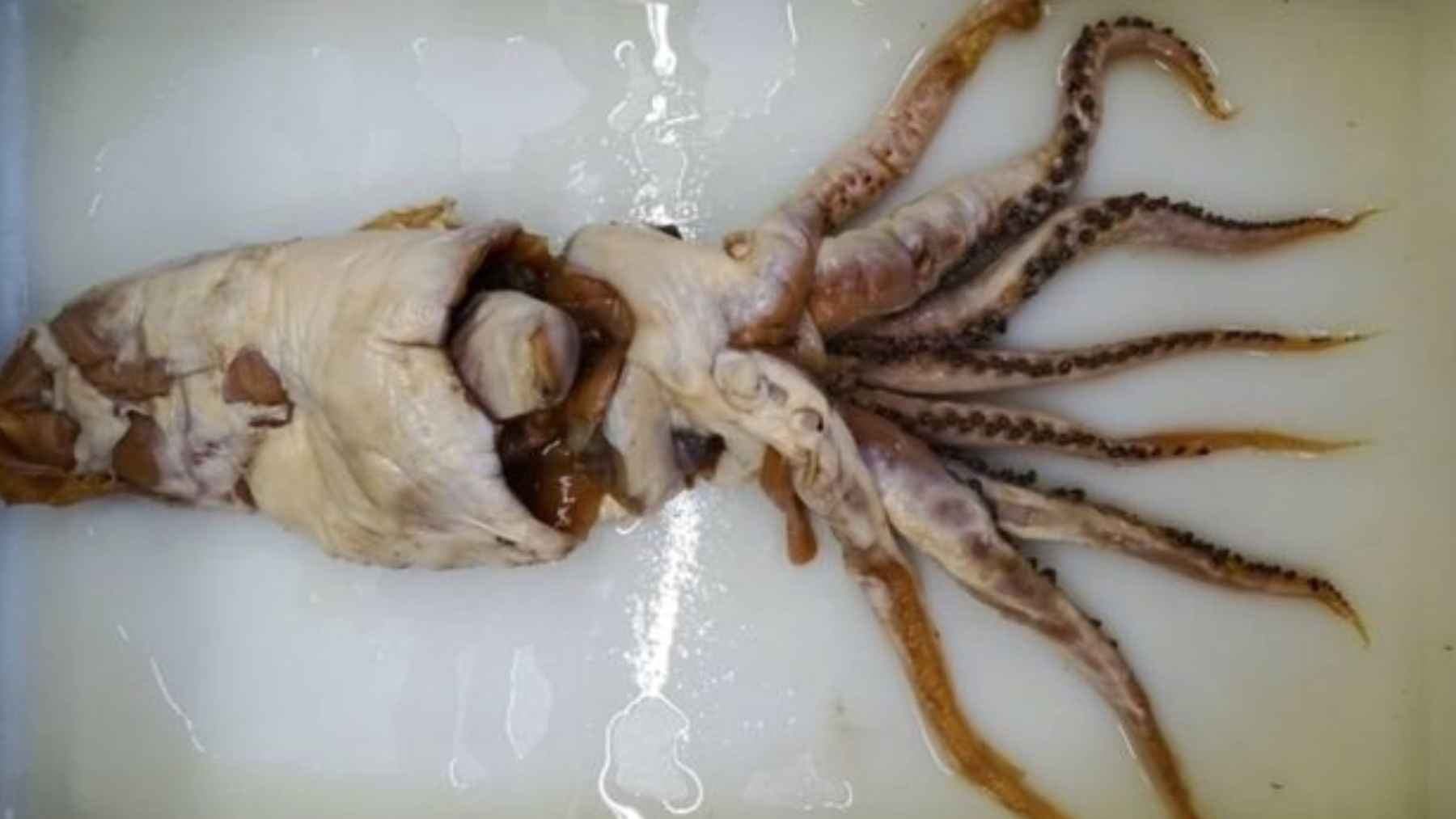
It all began with a strange, squid-like mass found in the stomach of a sperm whale in 1955 and 1956, and decades later, scientists discovered that it was something far stranger than anyone could have imagined
Scientists claim to have discovered a universal rule that “links” evolution and works in the same way in bacteria, plants, reptiles, fish, and insects
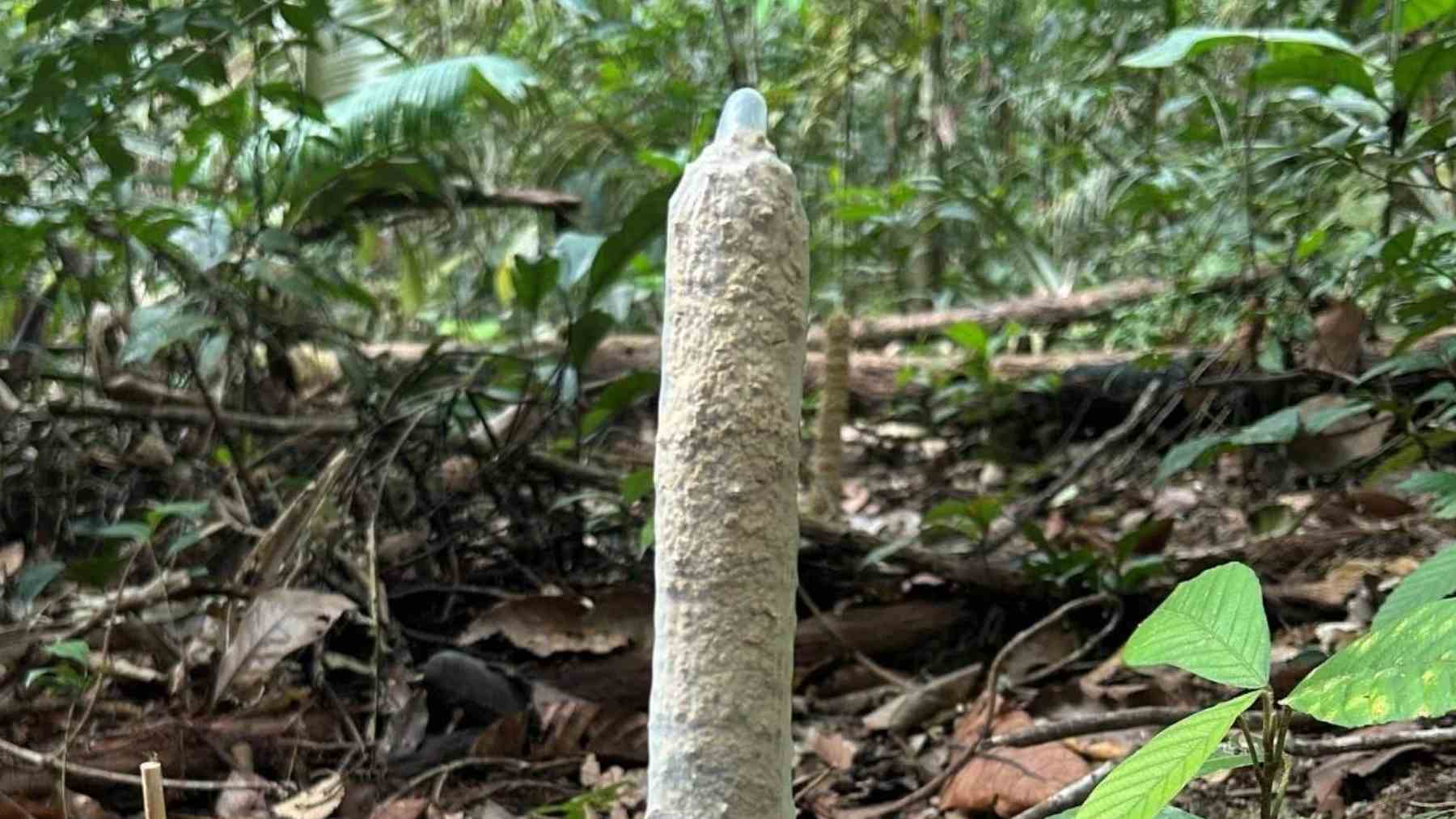
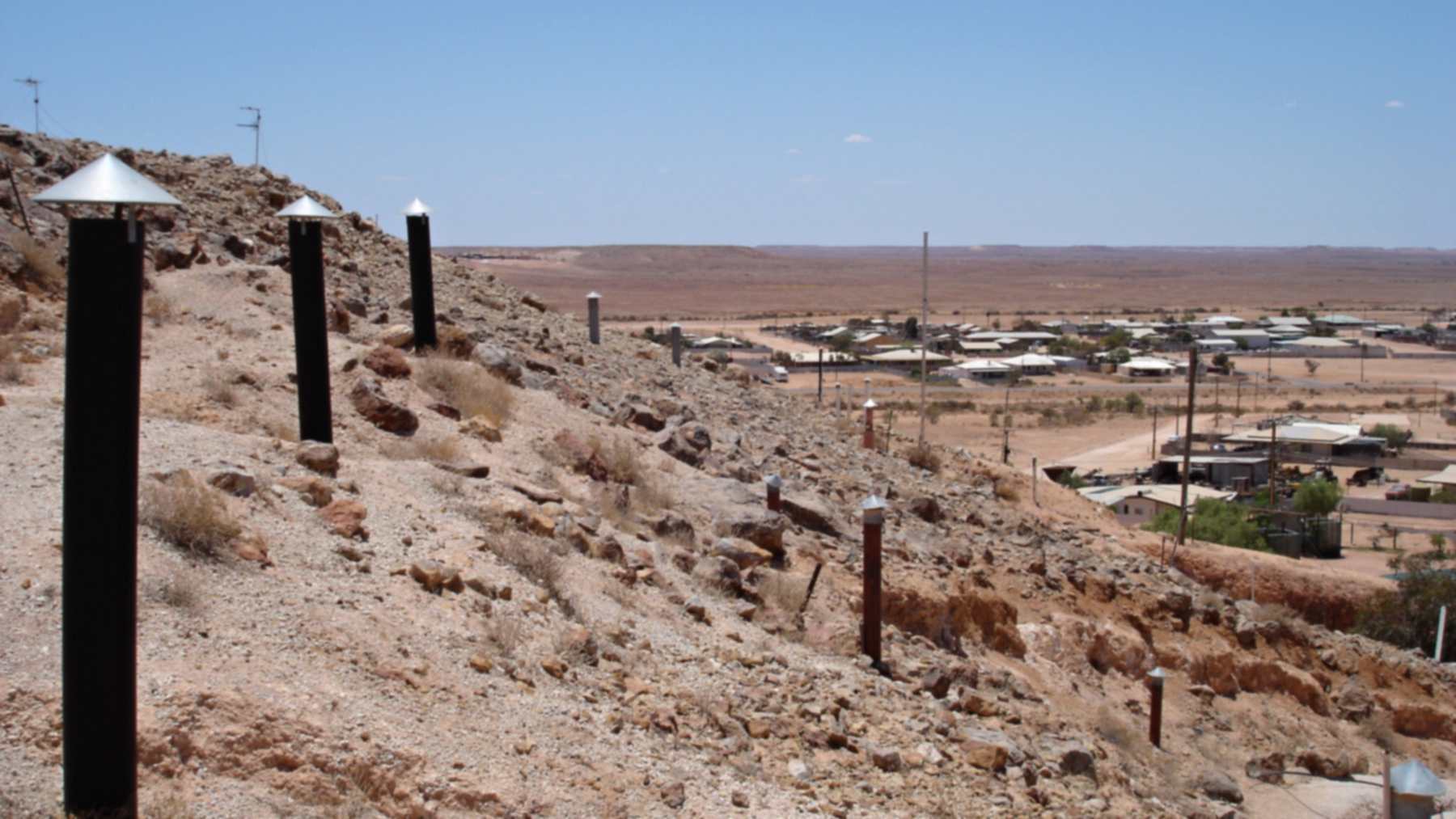
For years, no one knew what those strange clay “chimneys” protruding from the ground in the Amazon were for, until a study published on February 23, 2026, came up with an answer that was as simple as it was brilliant
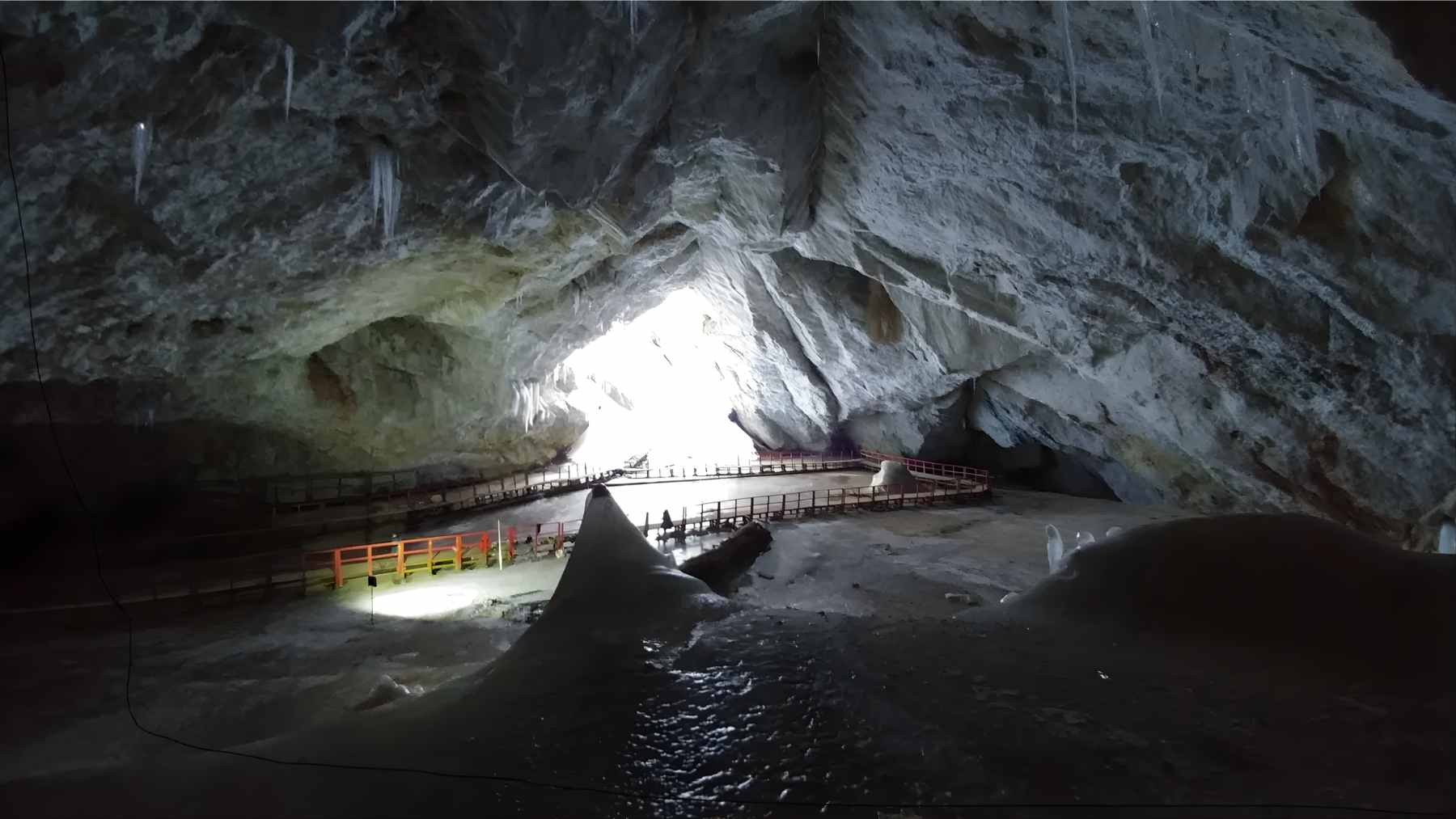
A 5,000-year-old bacterium awakens from the ice in a cave in Romania, revealing something disturbing: it was already resistant to antibiotics still used today to treat serious infections
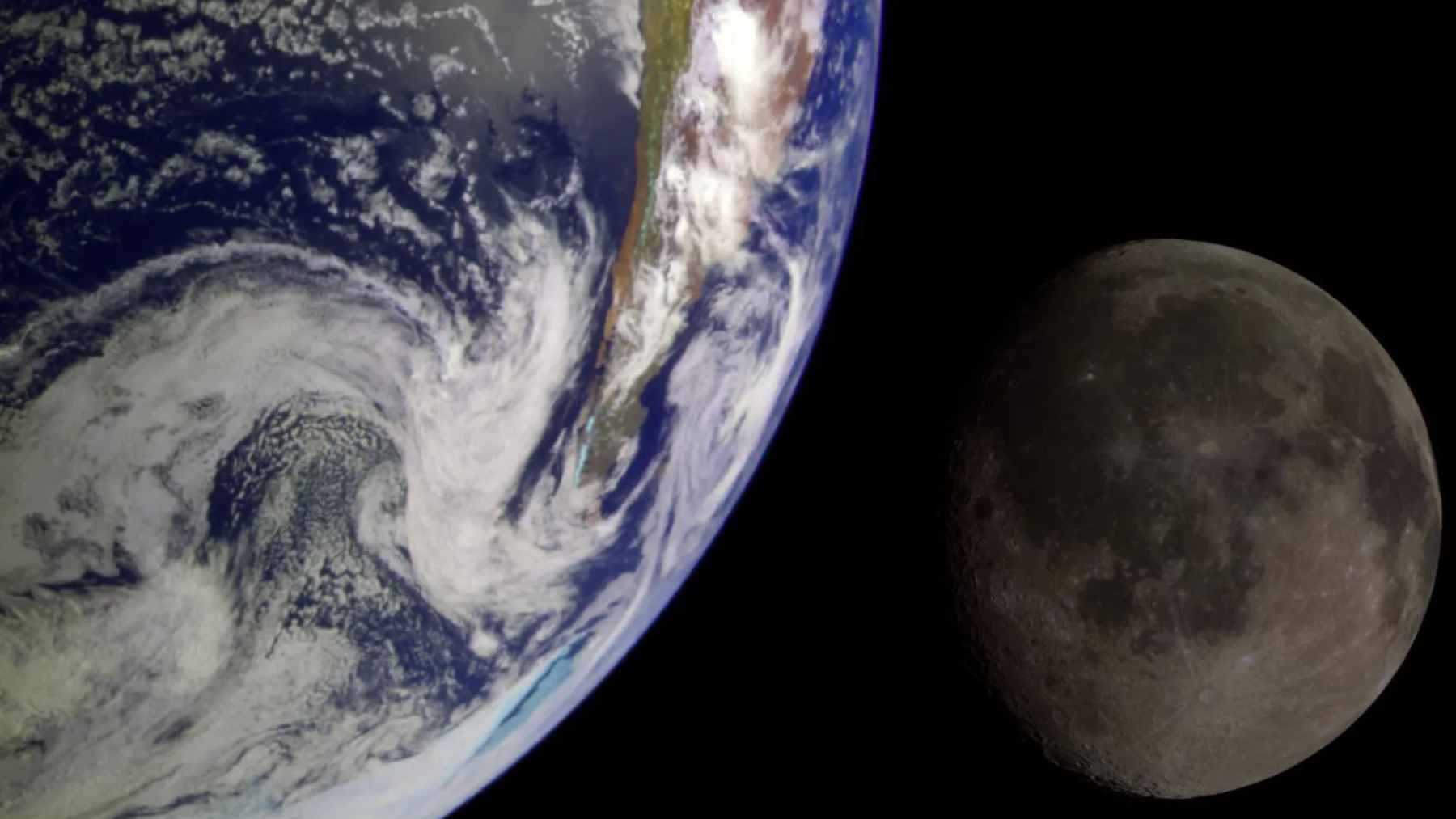
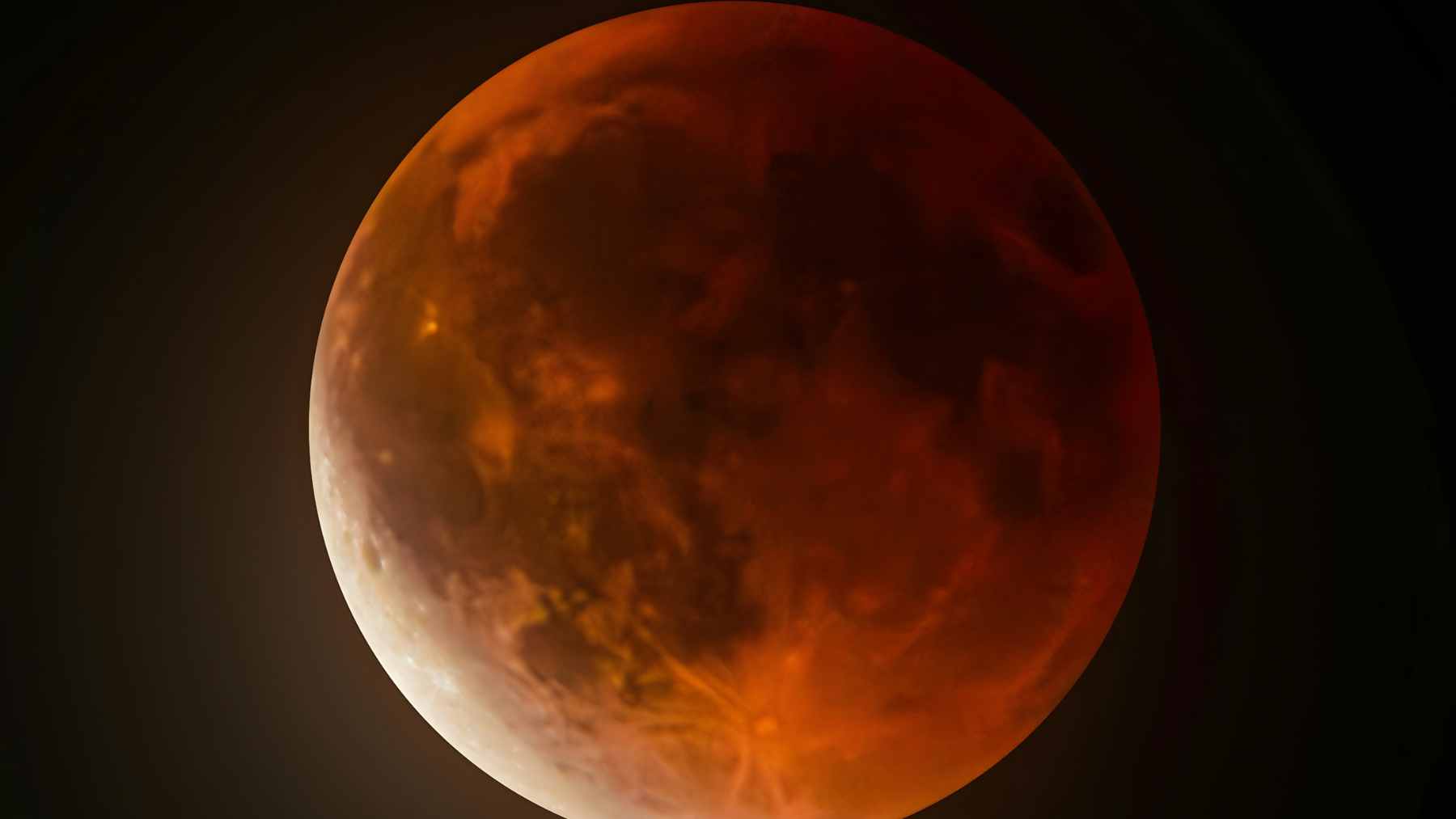
The Moon moves 3.8 cm away from Earth each year, and the last total solar eclipse could come in about 600 million years
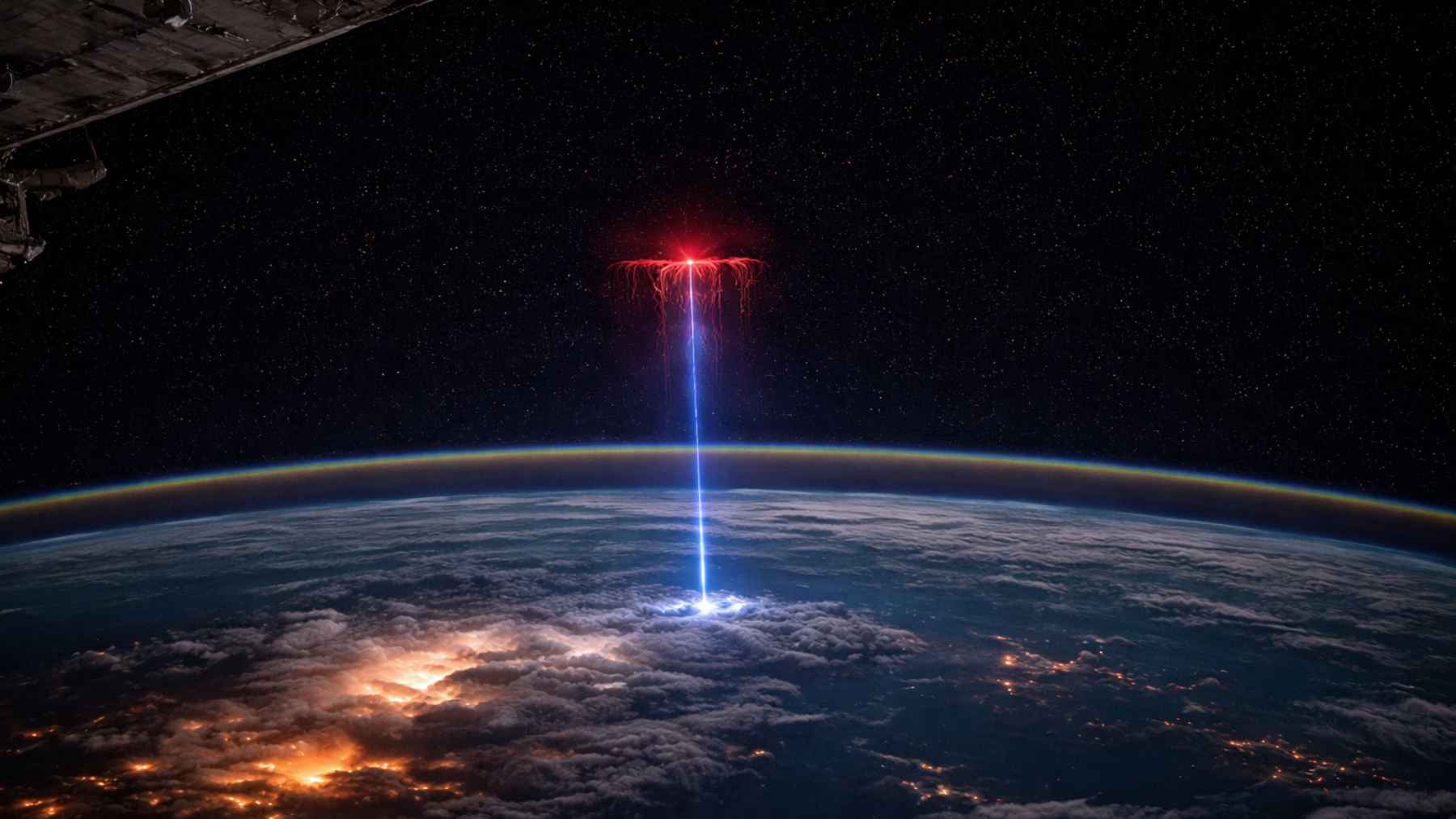
NASA is once again highlighting an image taken on July 3, 2025, from the ISS that looks like something out of a movie: a “gigantic jet” that doesn’t fall to Earth, but instead shoots out of a storm and rises to a height of nearly 100 kilometers
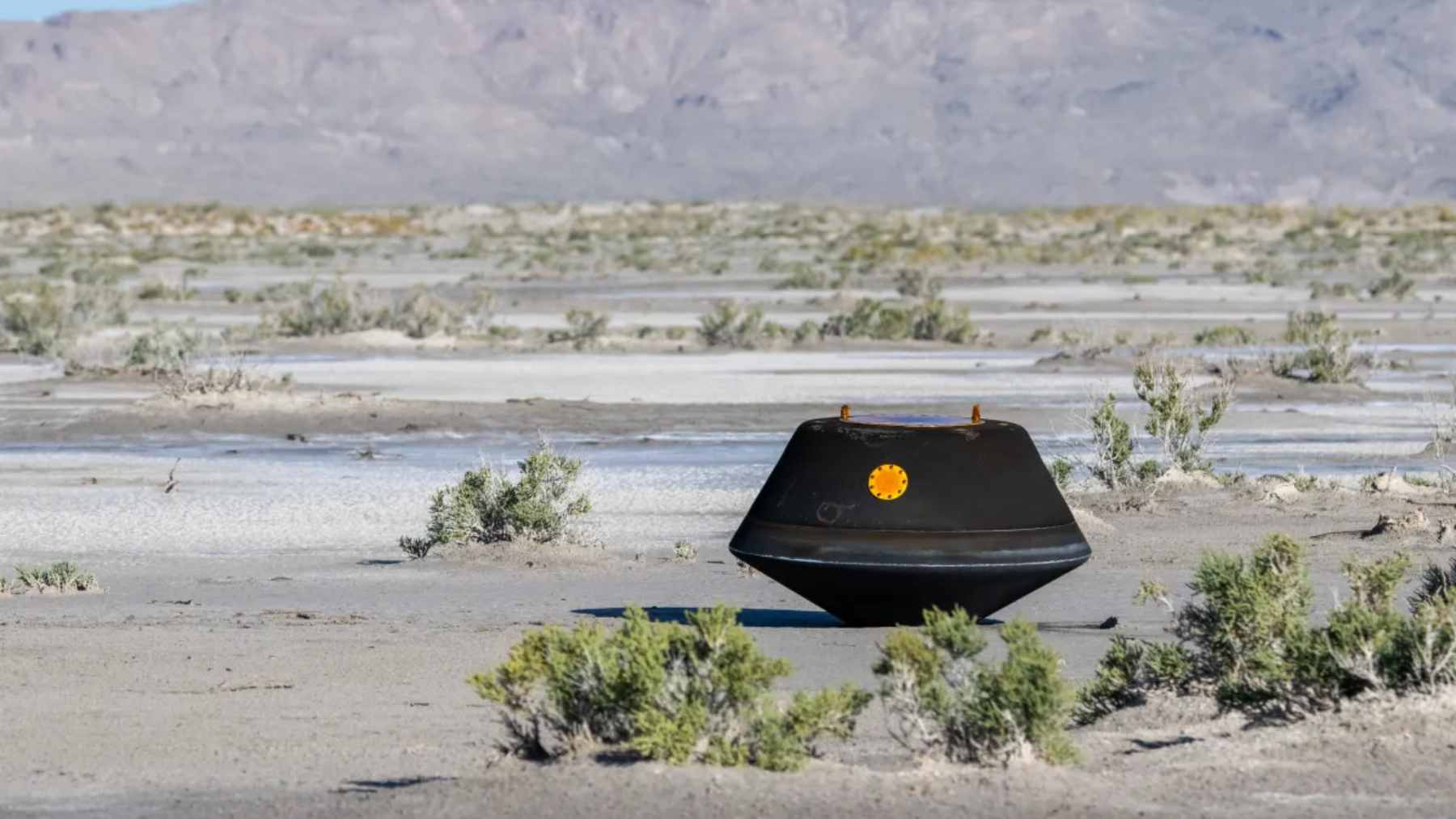
Samples from the asteroid Bennu force us to rethink the origin of life: NASA finds key compounds in rocks over 4.5 billion years old