




Environment
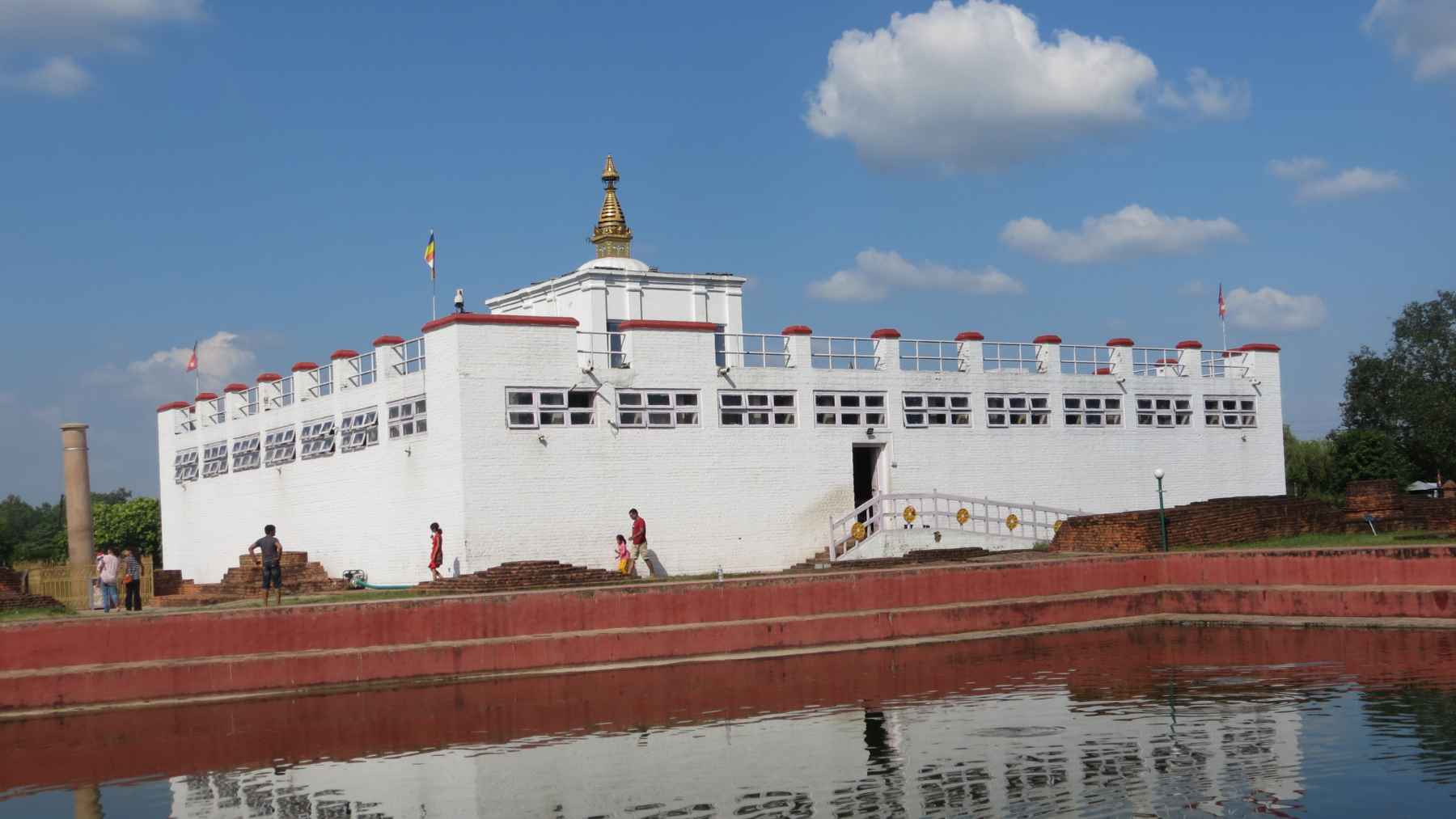
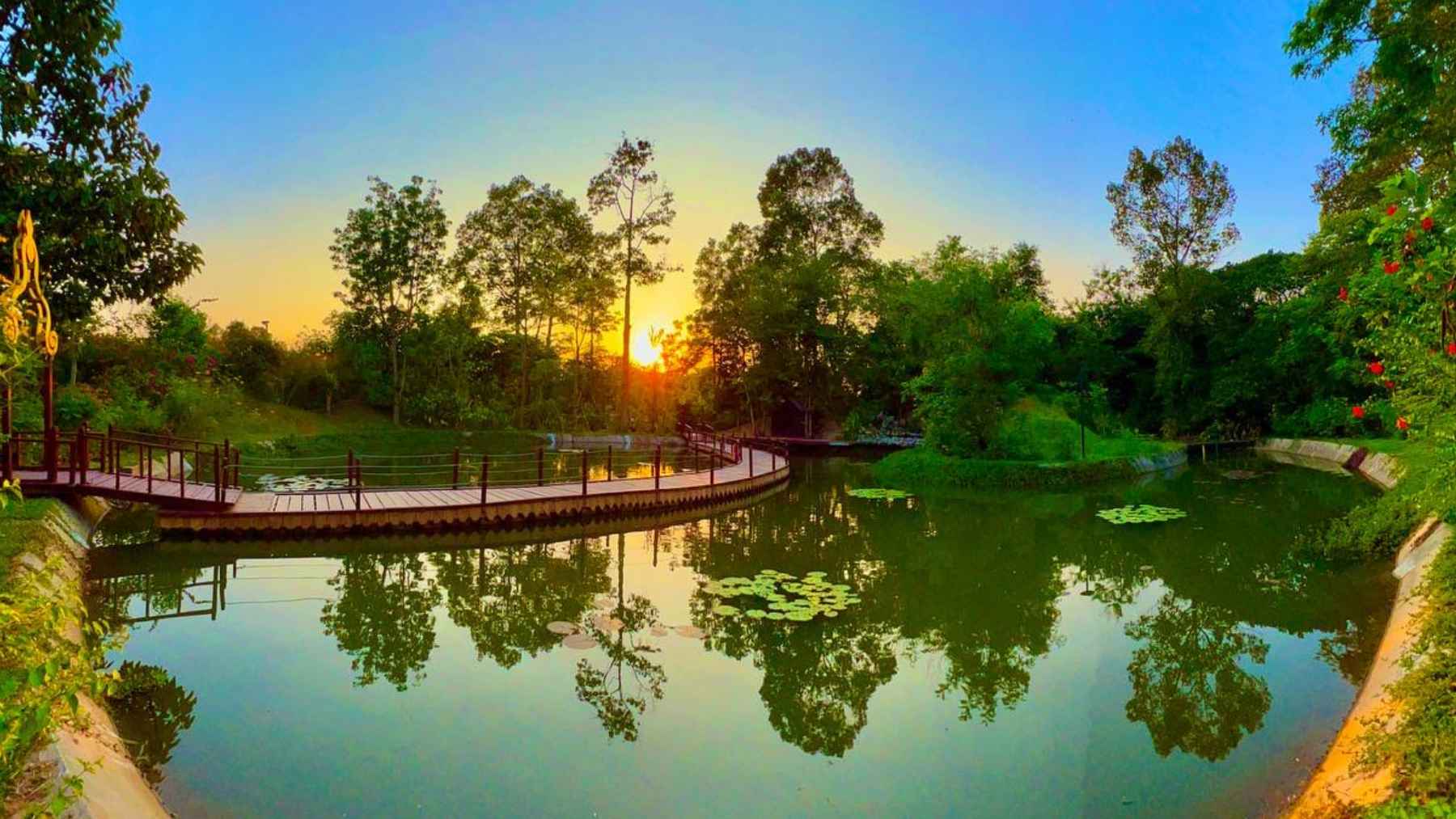
The exact place where Buddha was born more than 2,500 years ago and which today faces a race against time
Between 2000 and 2022, humanity dumped 335,500 tons of an “eternal chemical” while trying to save the ozone layer, and now it appears in water, the Arctic, and even in our blood
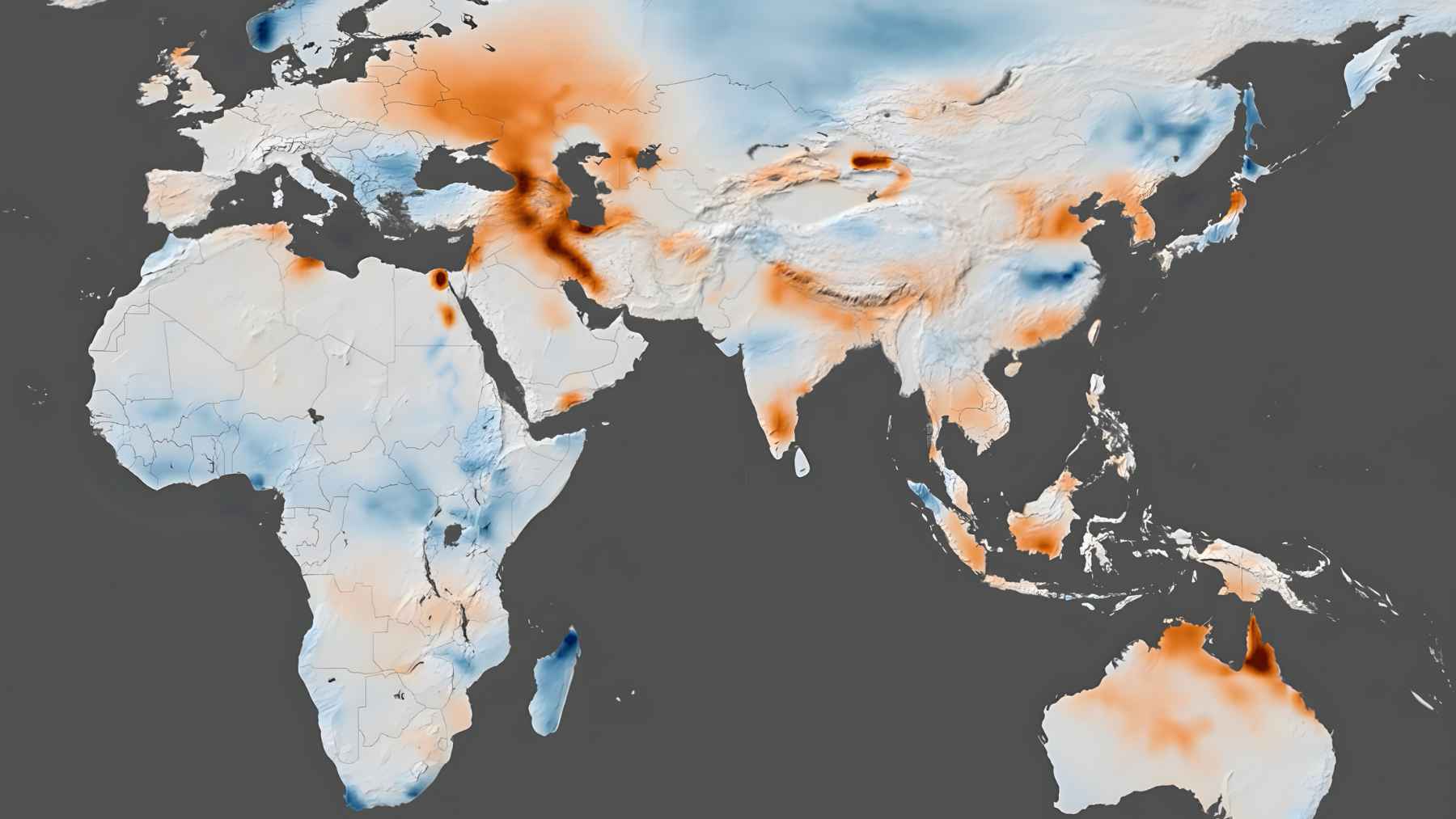
Goodbye to water security as we knew it: 6 billion people live in countries that have lost freshwater on a sustained basis in just 22 years
What seemed like bad news could take an unexpected turn: fresh water from West Antarctica could help the AMOC better withstand the impact of Greenland’s melting ice and, in some scenarios, even prevent its collapse
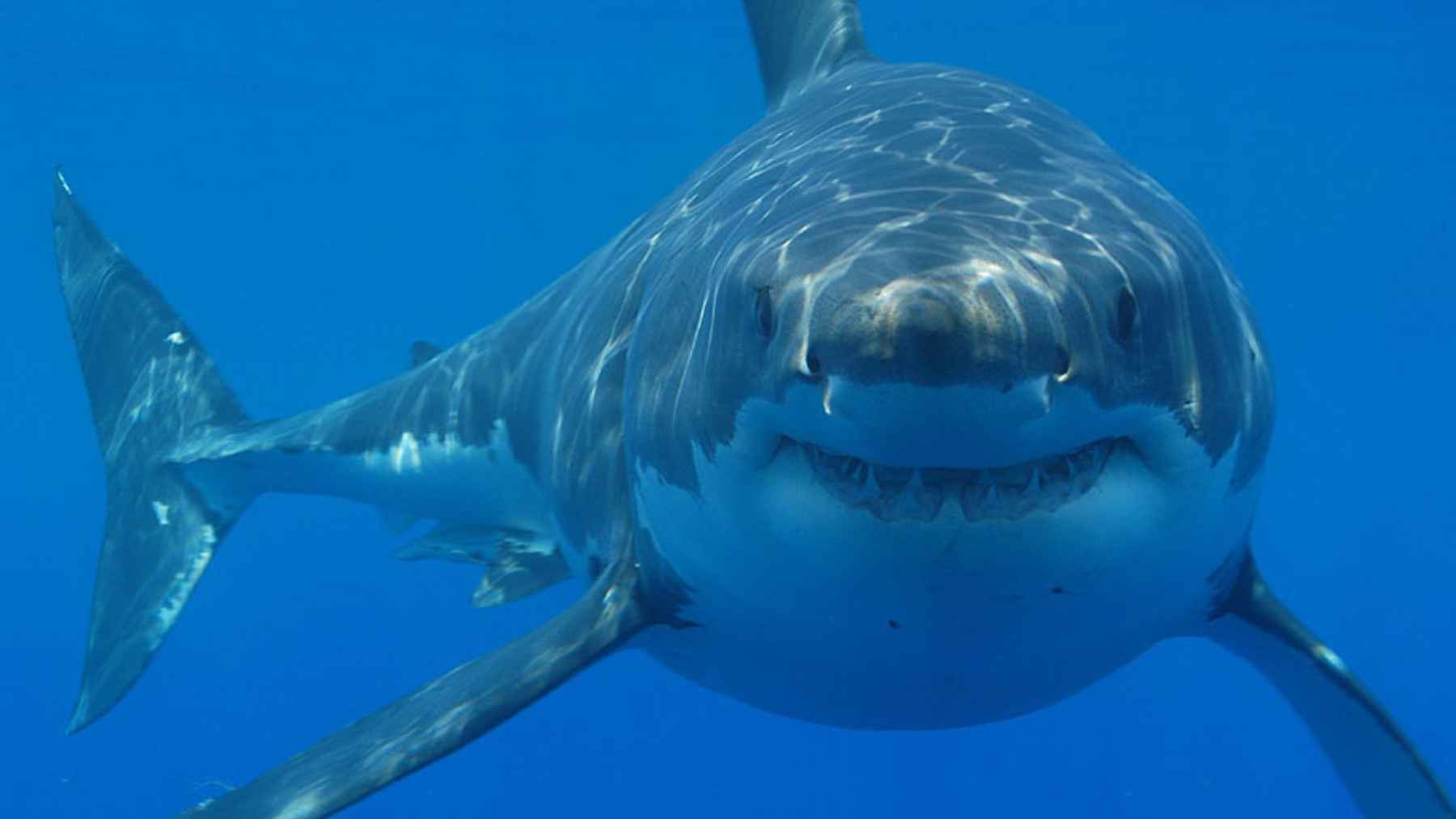
A great white shark has been caught in waters near the Spanish coast: this is the third verified sighting in less than 11 years and reopens the debate about their presence in the Mediterranean
Goodbye to Europe’s temperate climate if this happens: the model predicts drops of up to 10-15 °C in areas of northwestern Europe after the collapse
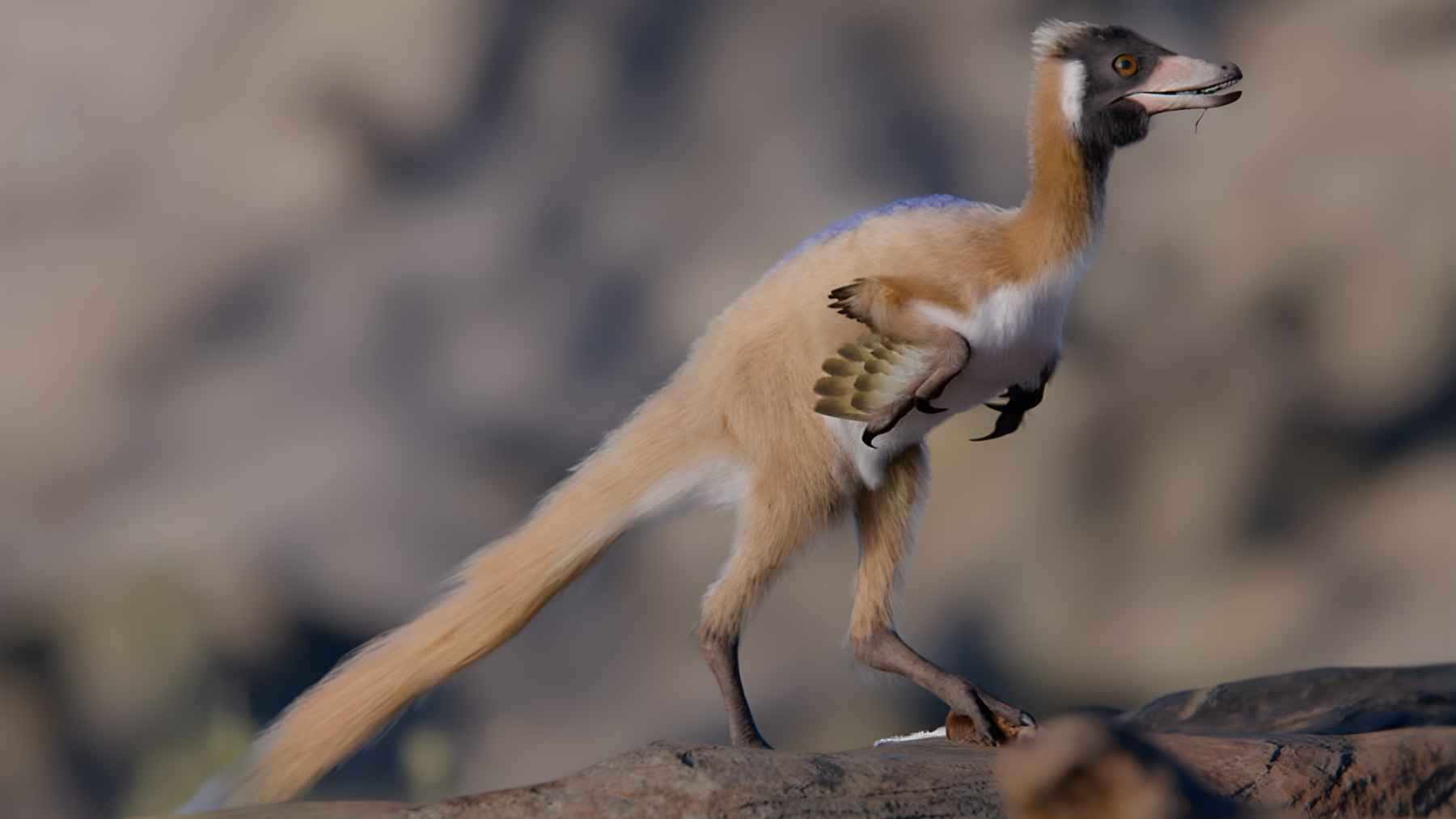
A dinosaur the size of a cat and weighing less than 2.2 pounds changes history; the 90-million-year-old Alnashetri fossil rewrites its lineage
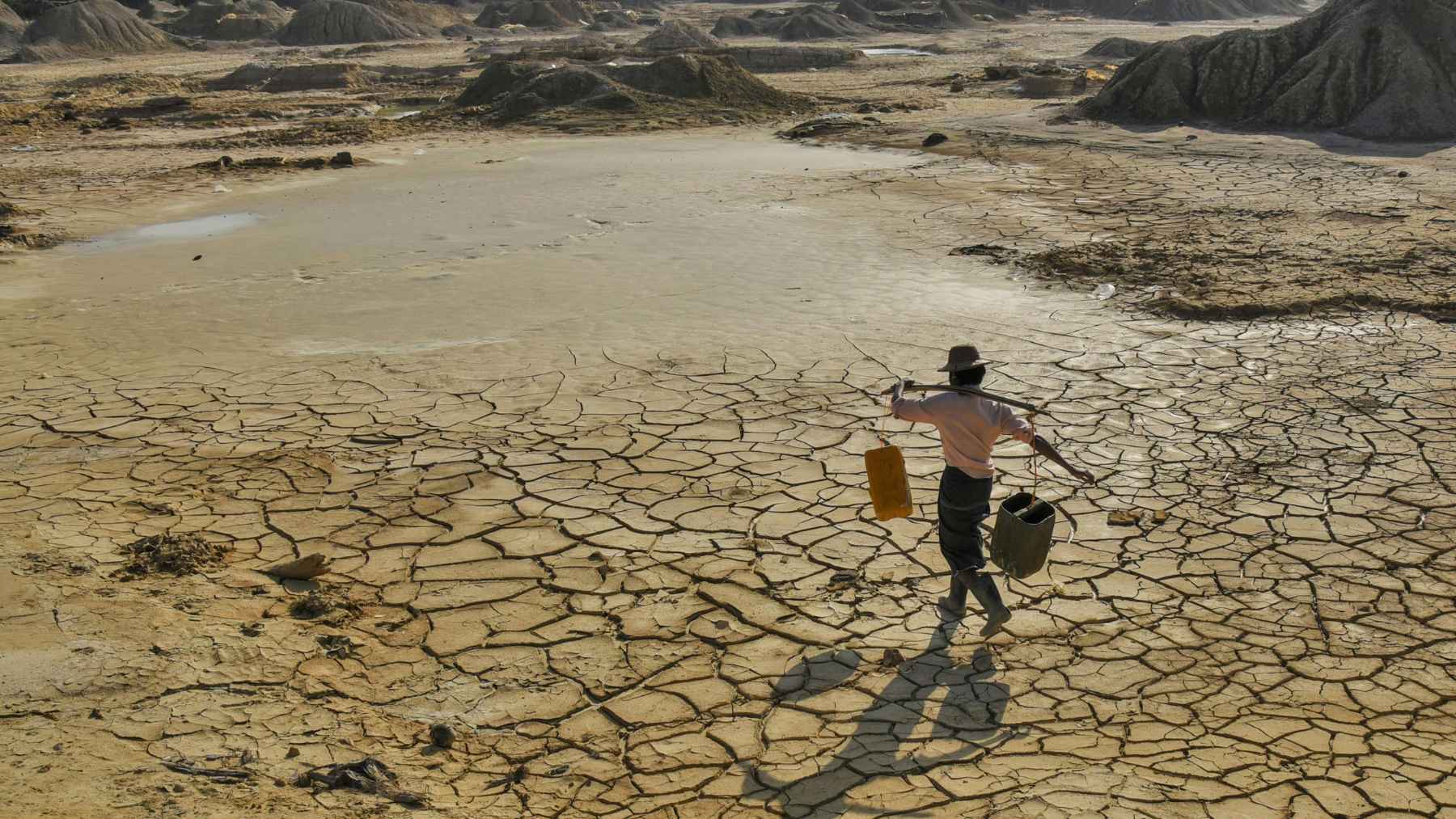
Goodbye to water as we know it: a study warns that 74% of regions could experience unprecedented shortages by 2100
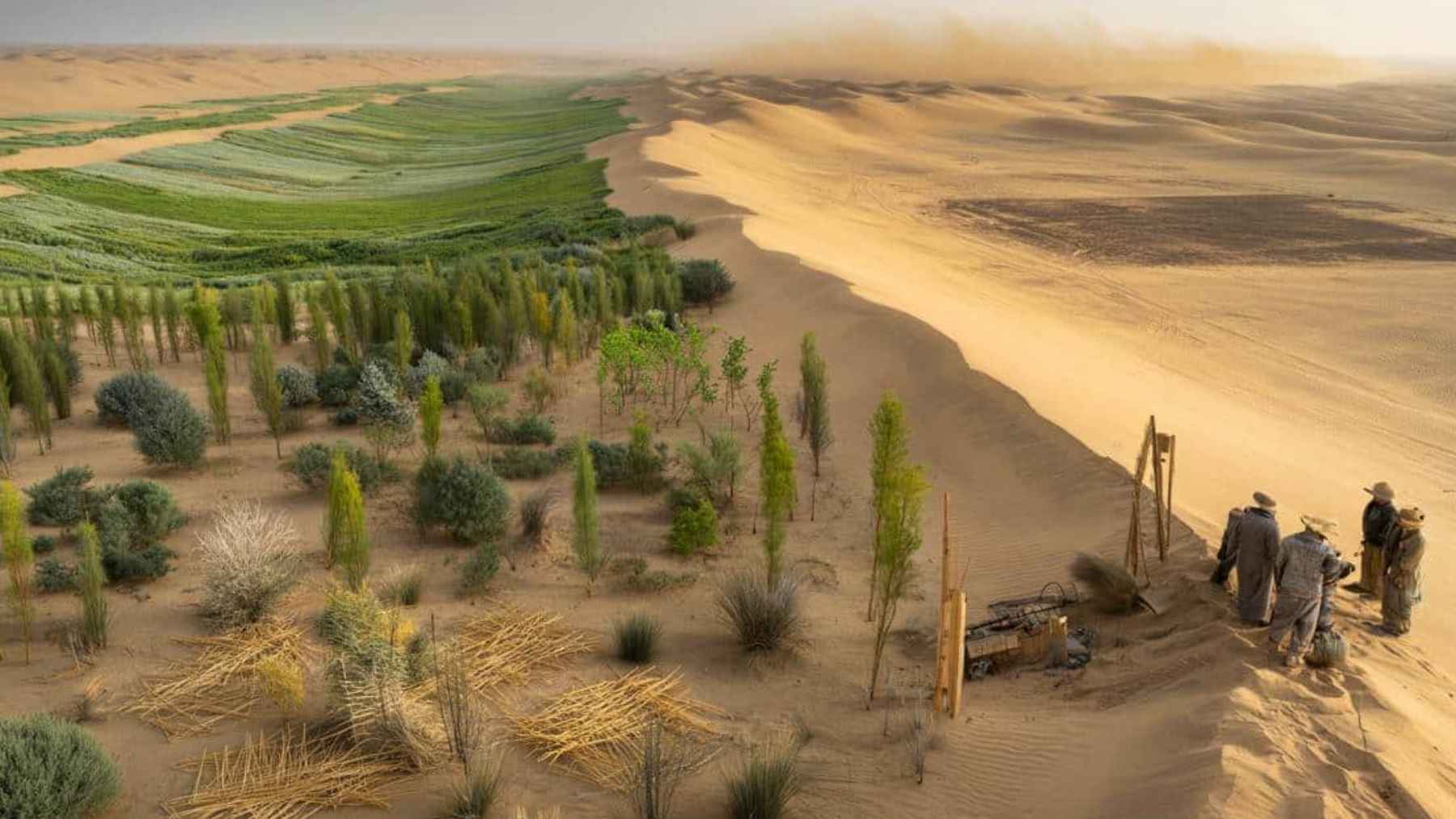
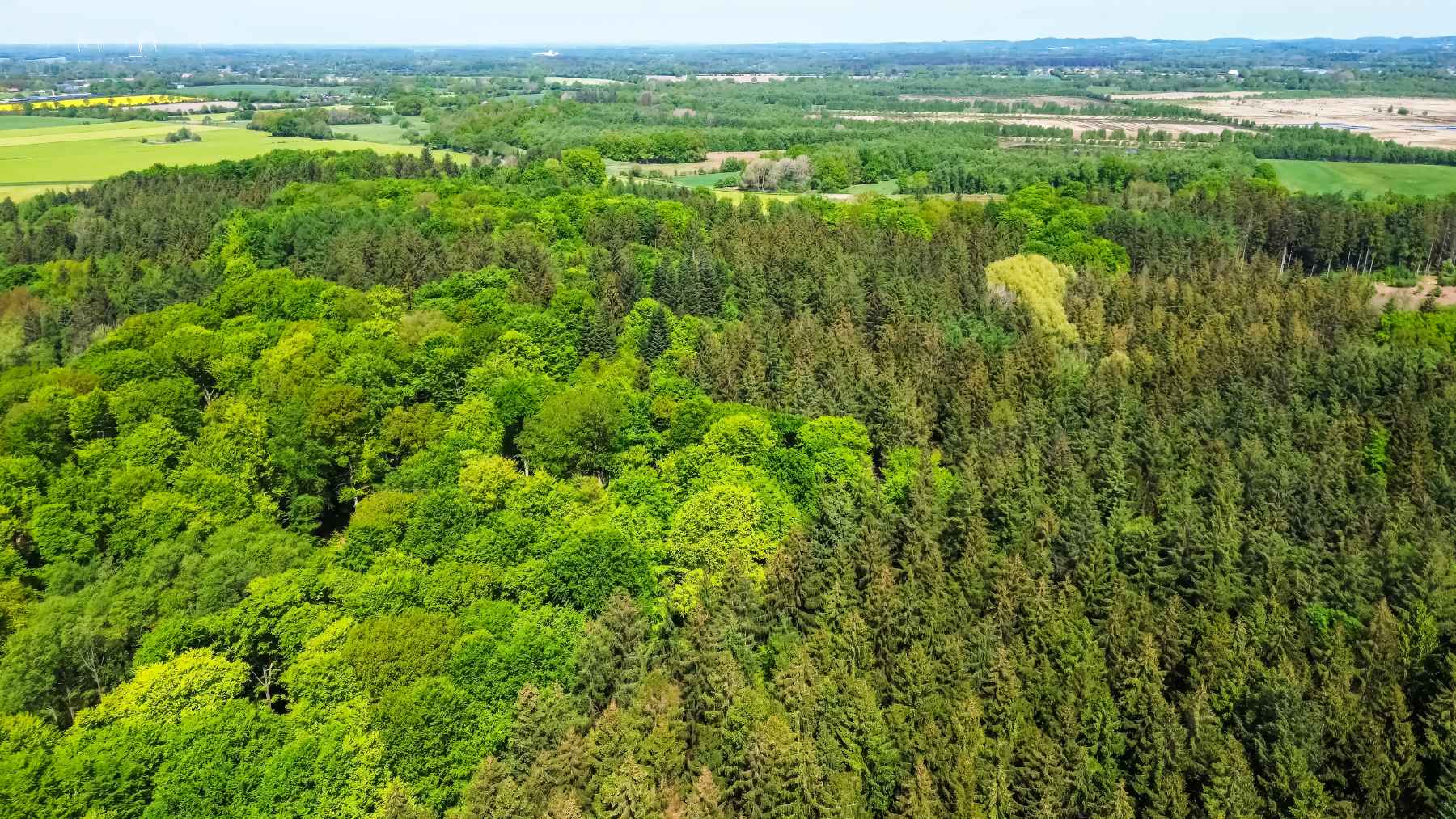
China planted trees like crazy to slow the advance of the Gobi Desert and ended up causing another big problem: water began to disappear from the soil and aquifers as rainfall patterns changed
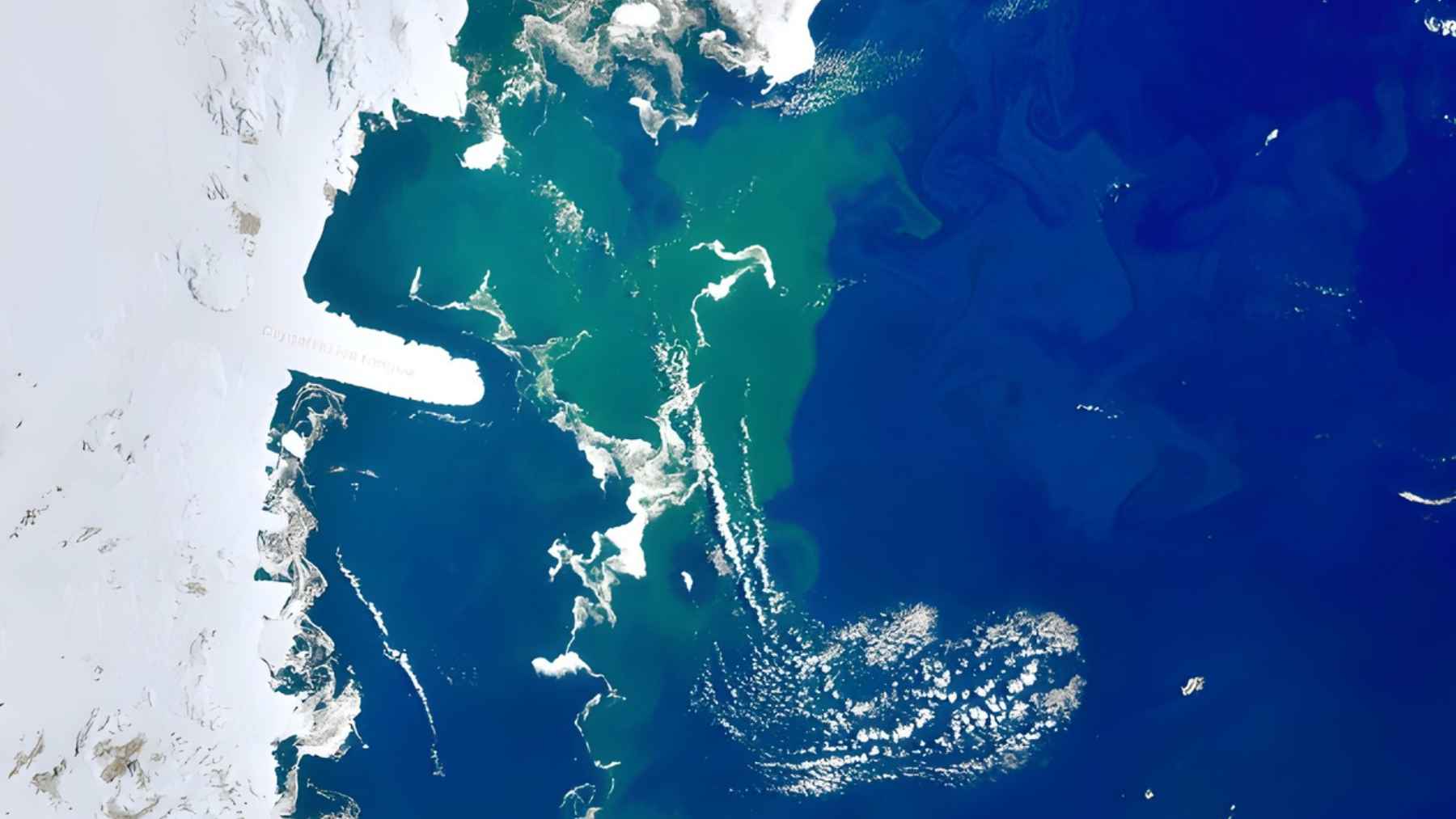
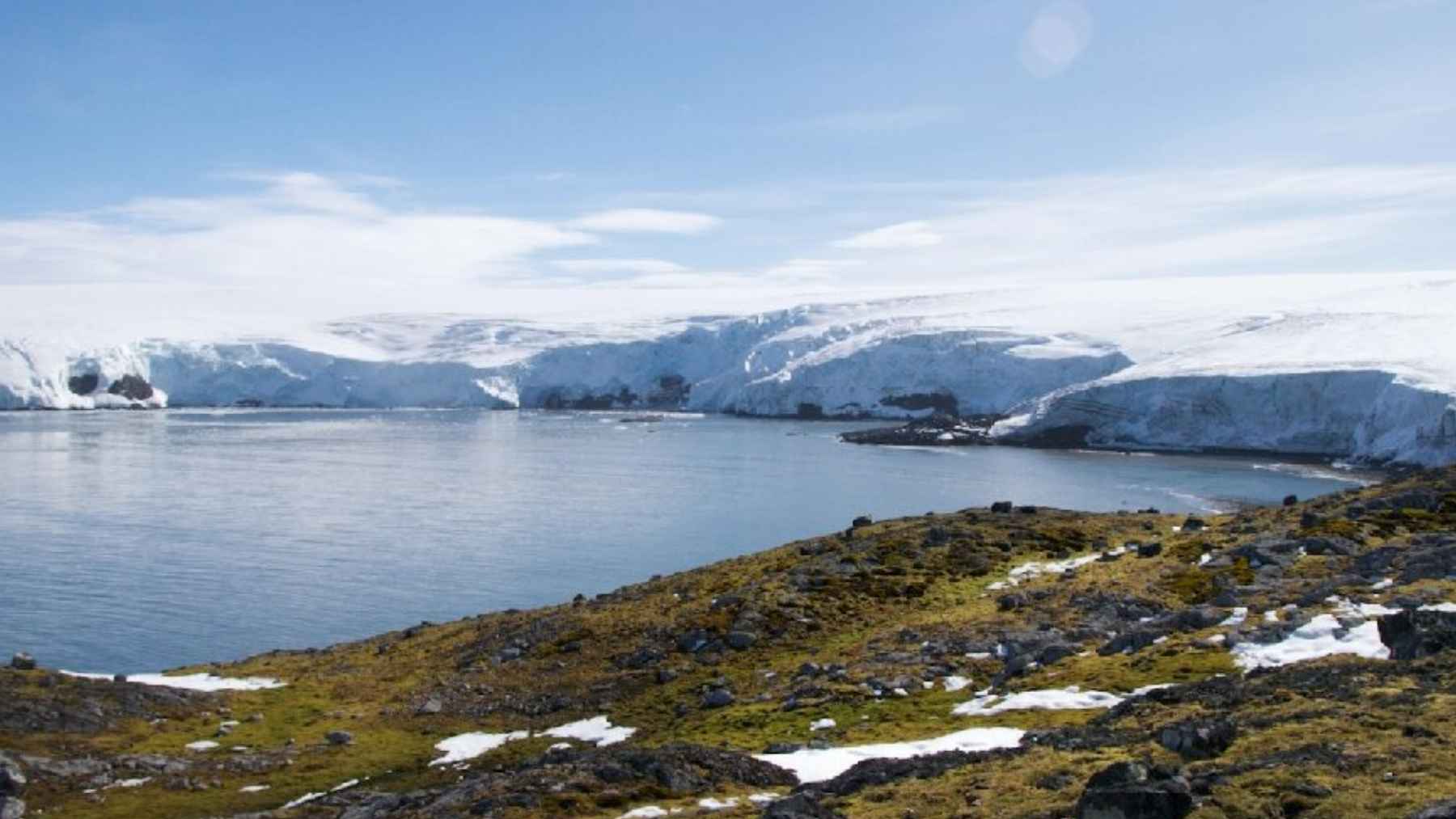
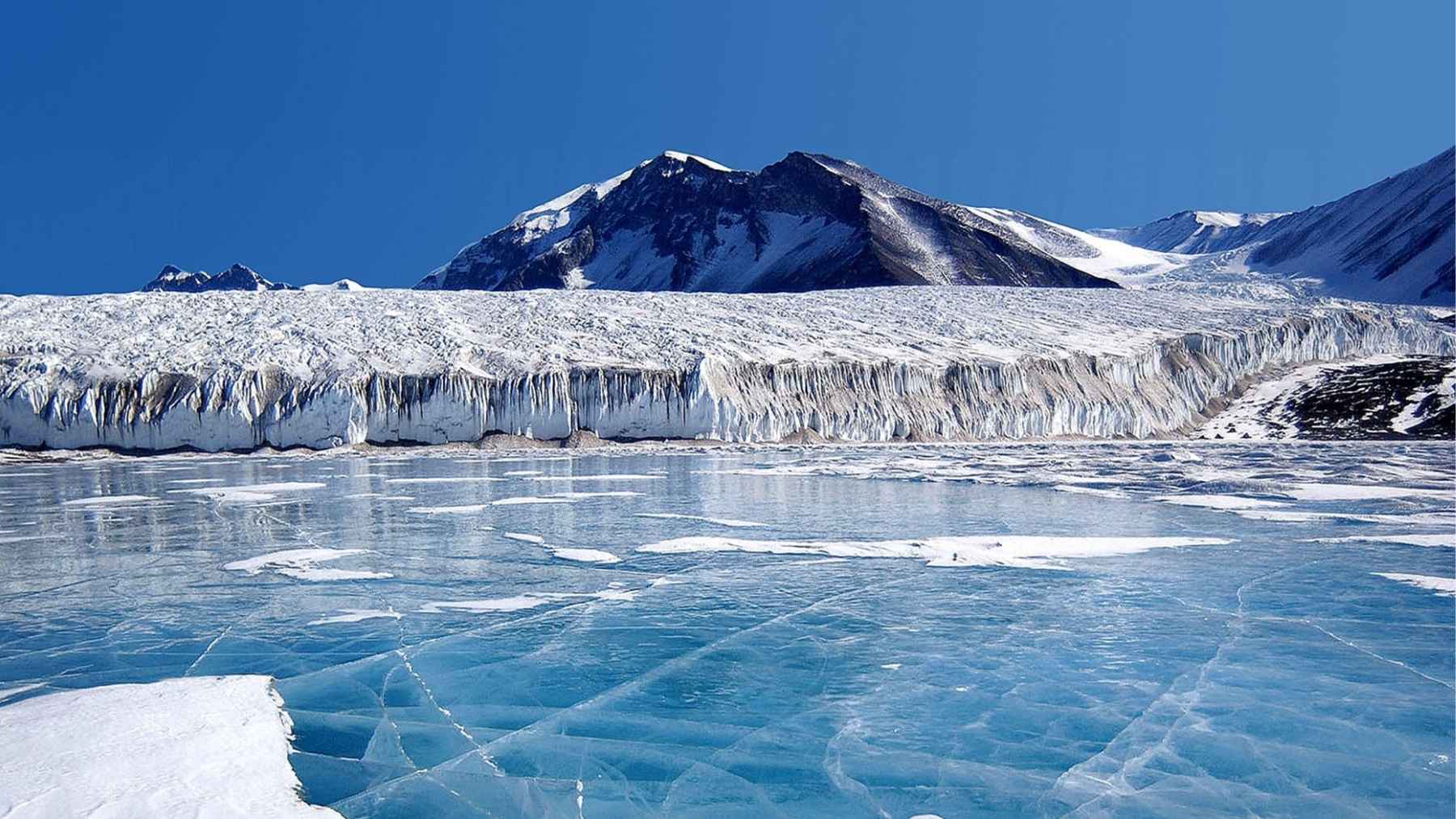
Earthquakes beneath the waters of Antarctica could be “fueling” explosions of life on the surface, and the mechanism surprises even experts
The Earth could enter a phase with a weakly oxygenated or anoxic atmosphere, which would be a major red flag for our search for life on exoplanets
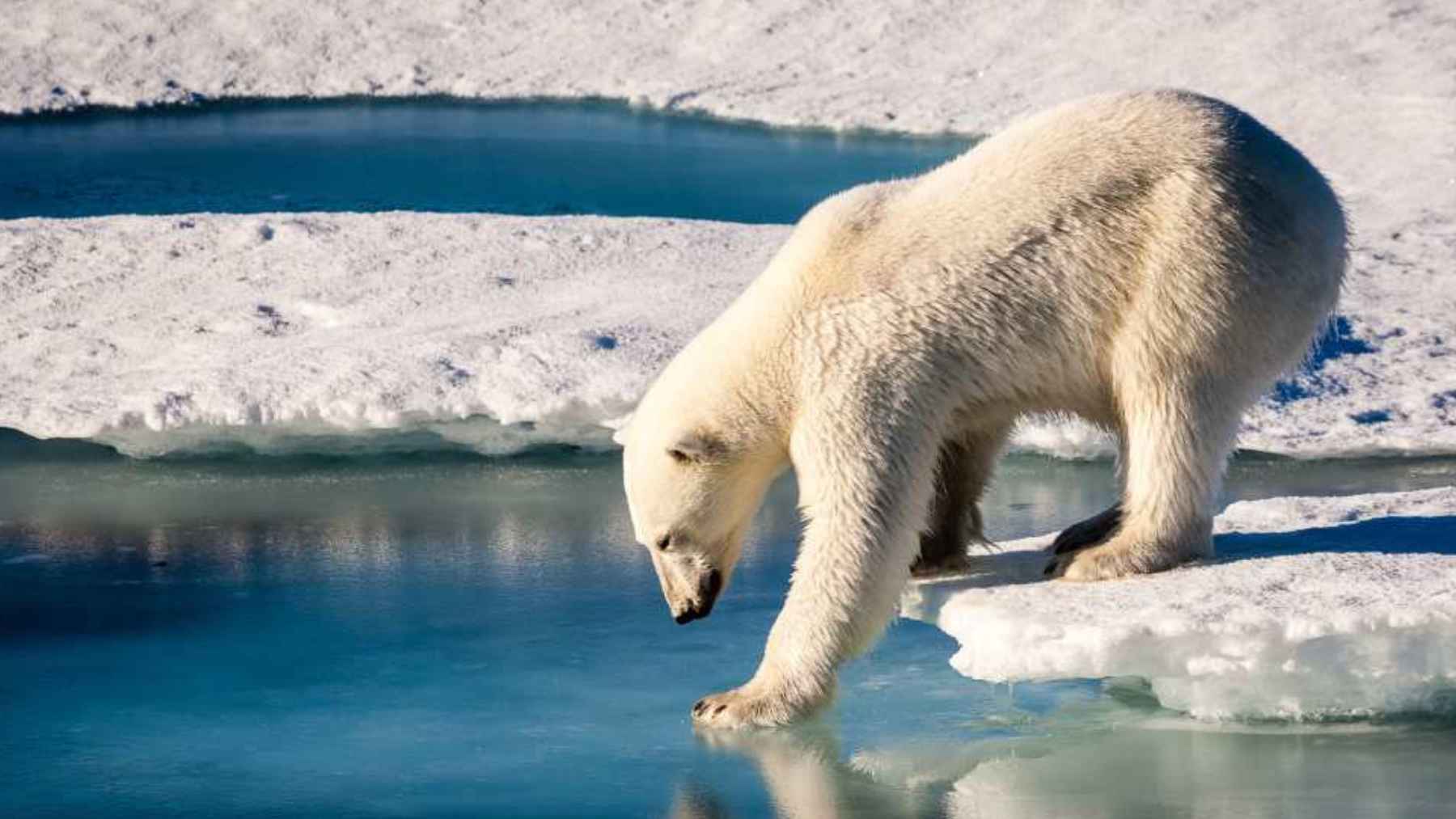
Although Arctic ice is disappearing faster than ever, scientists are discovering that polar bears in Norway are getting fatter and healthier
Methane is out of control… but this strategy involving temporary CO2 capture could slow down its climate impact
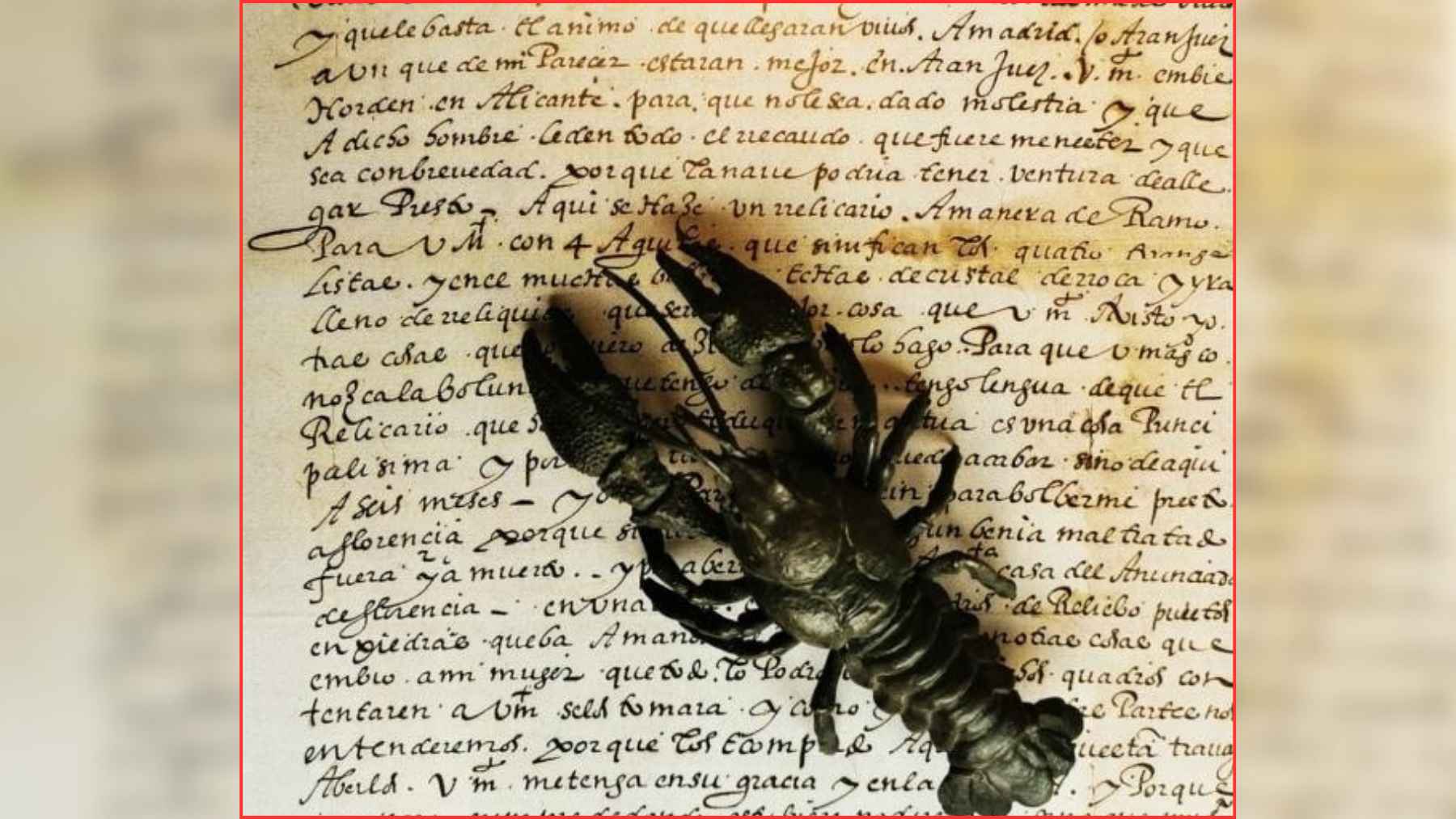
What for centuries was considered a native species could in fact be a “royal whim” from 1588, and now science is reopening the debate on the Iberian crab