Environment
Wildlife, oceans, forests, climate and conservation
In Environment, ECOnews covers wildlife and biodiversity, oceans, forests, climate change, pollution, recycling and conservation. Surprising stories from around the planet that explain how nature works and how people are changing it.
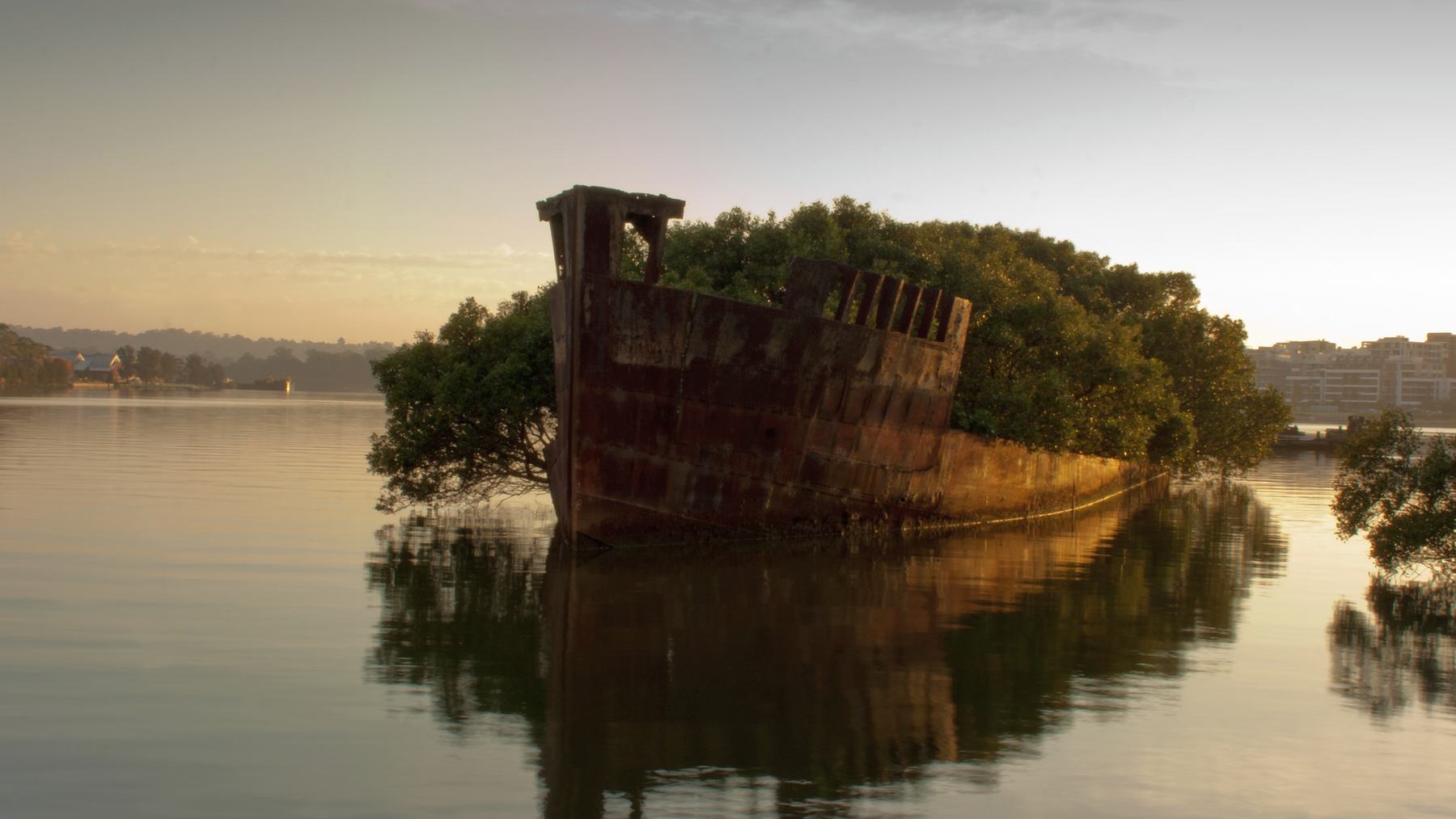
In Sydney’s Homebush Bay, the SS Ayrfield, a 1911 collier abandoned at a scrapyard, has become a floating forest of mangroves, and the bay it sits in needed a dioxin cleanup that ran until 2010
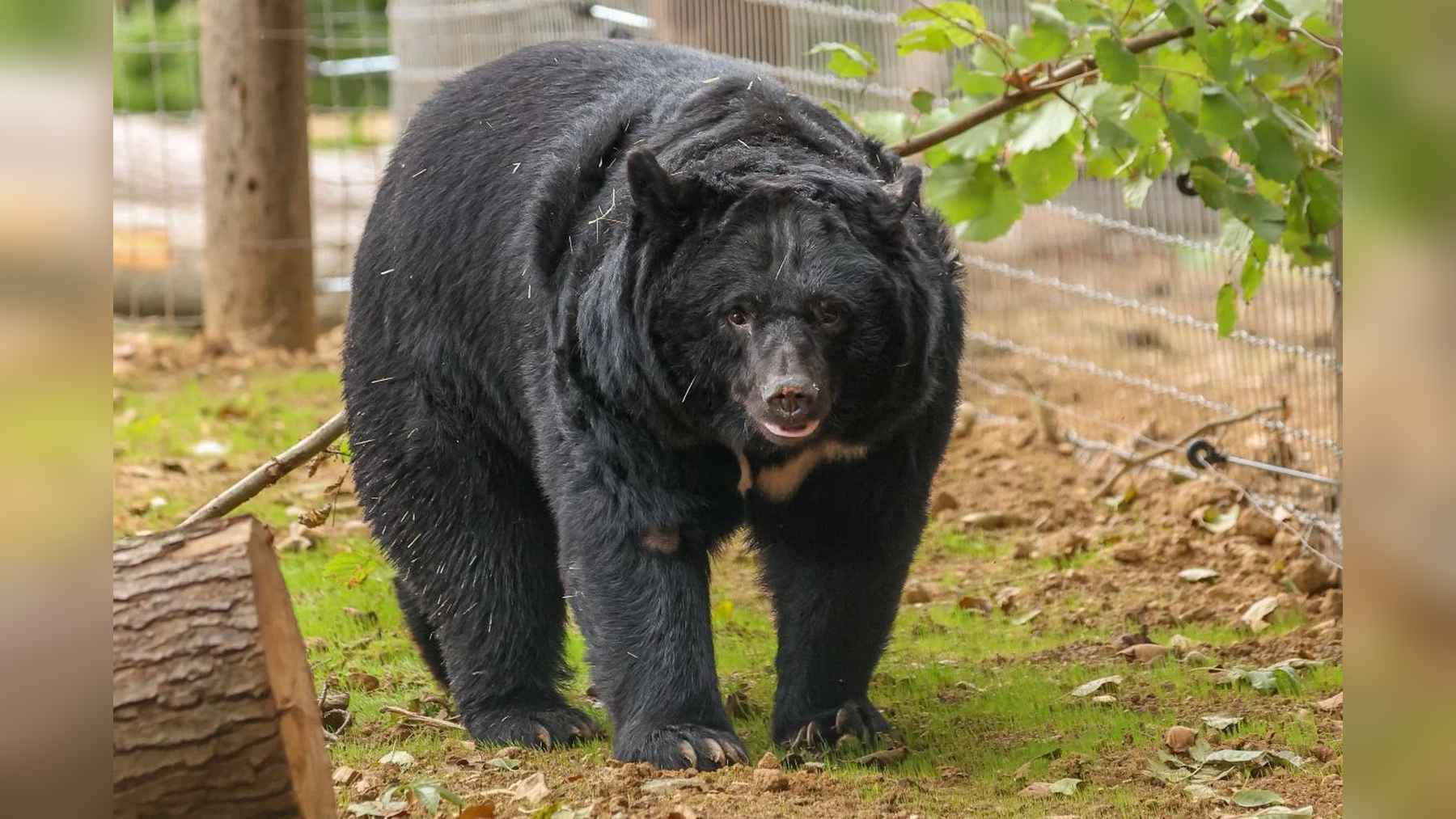
In Suffolk, England, five moon bears rescued from a South Korean bile farm after more than 20 years in cages finished a 5,500-mile journey, and 219 bears were still on Korean farms in June
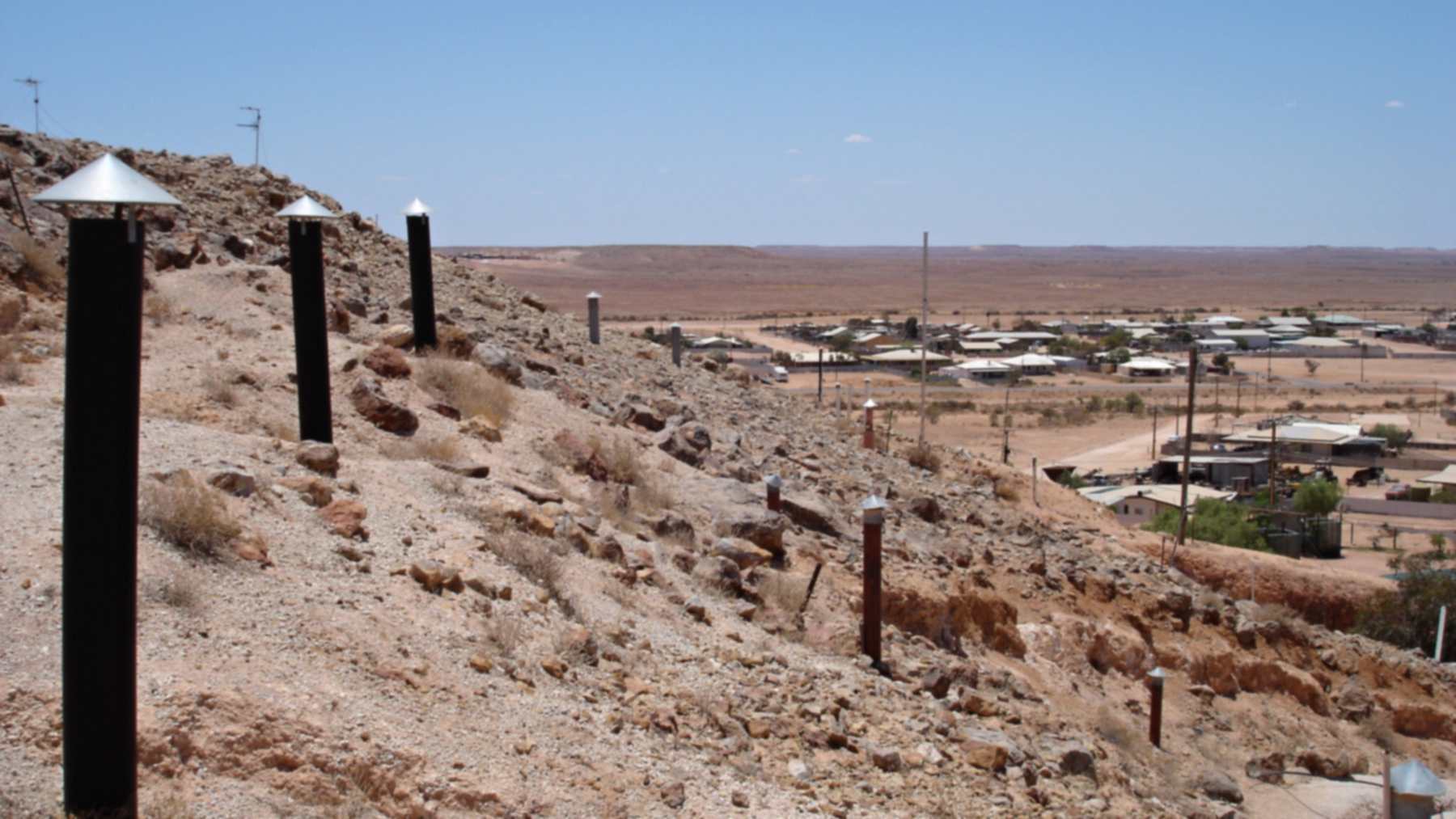
In South Australia’s opal town of Coober Pedy, about half of residents live in underground homes that stay between 66 and 77°F, and SA Water takes over the town’s aging water system before 2027
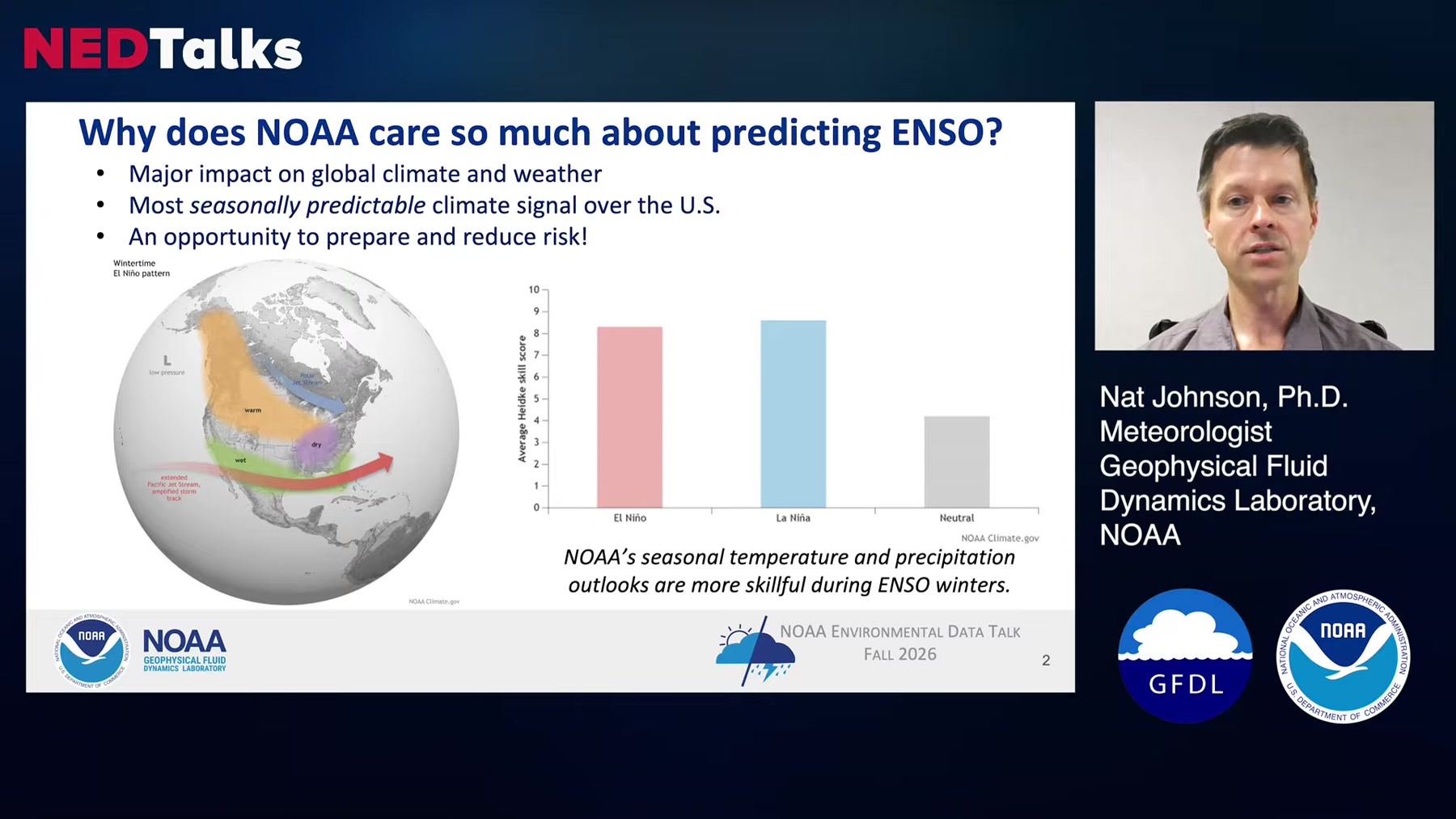
In Princeton, New Jersey, NOAA forecaster Nat Johnson ranked the 2026 El Niño the second strongest on record through August, and the agency now gives a very strong event through early winter its highest odds
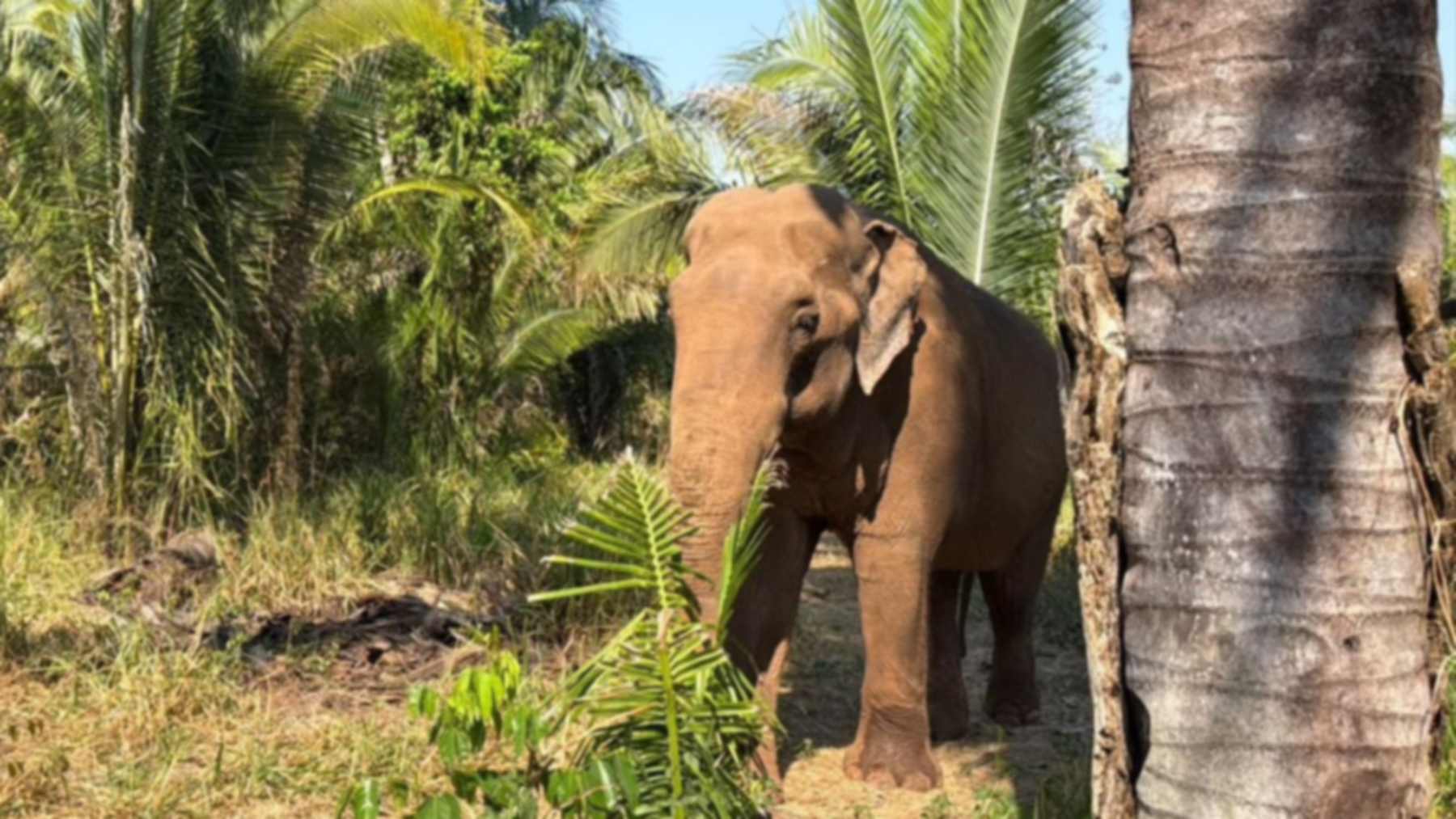
In Brazil’s Chapada dos Guimarães, Asian elephant Sandro, about 54, walked out of a crate after 44 years at the Sorocaba Zoo, and on his second night he chose to sleep outside under the stars
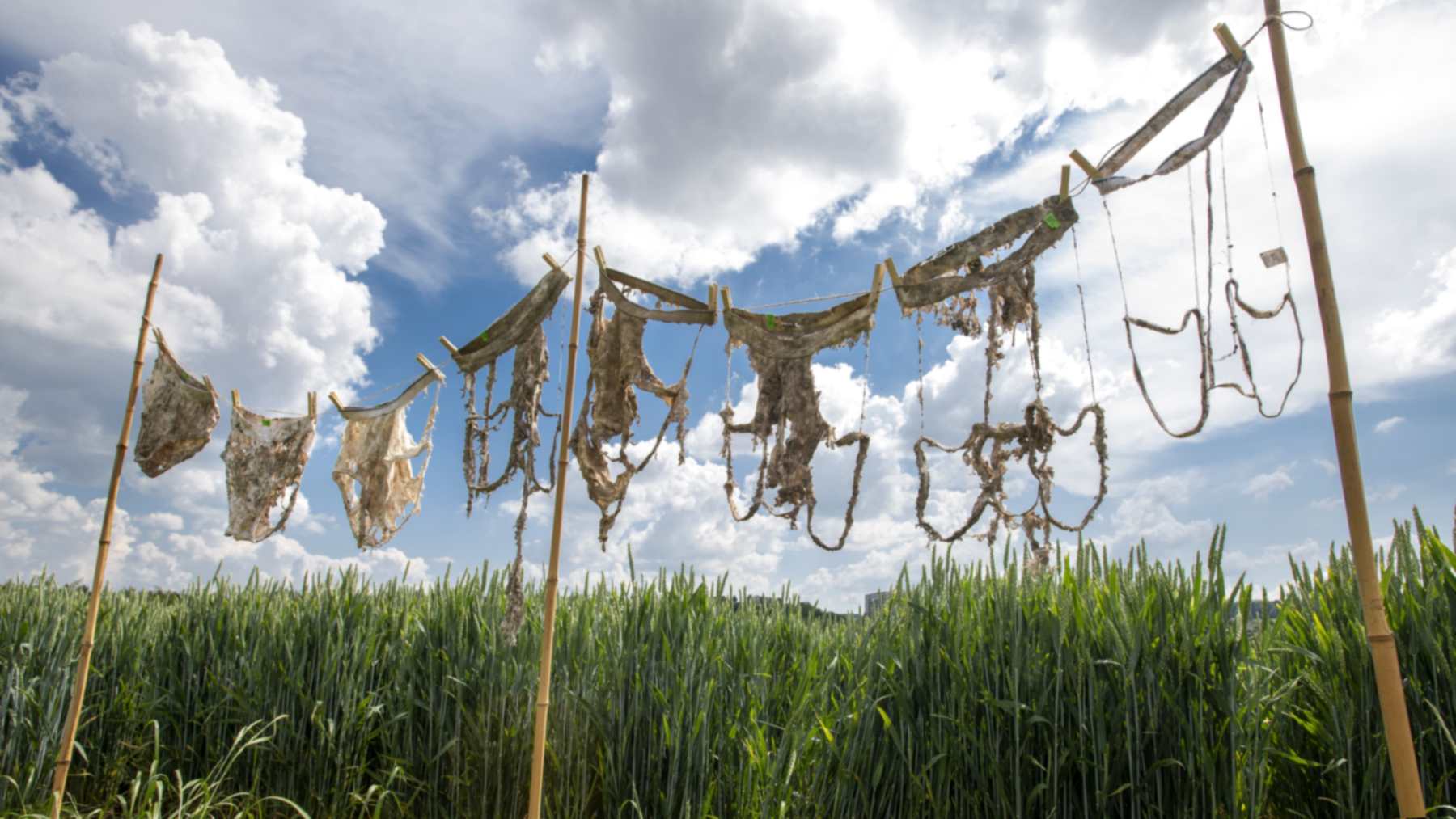
Across Switzerland, 1,000 volunteers buried over 2,000 pairs of cotton underwear, and within two months gardens broke down about 58 percent of the fabric in soils holding roughly four times the phosphorus of farm fields
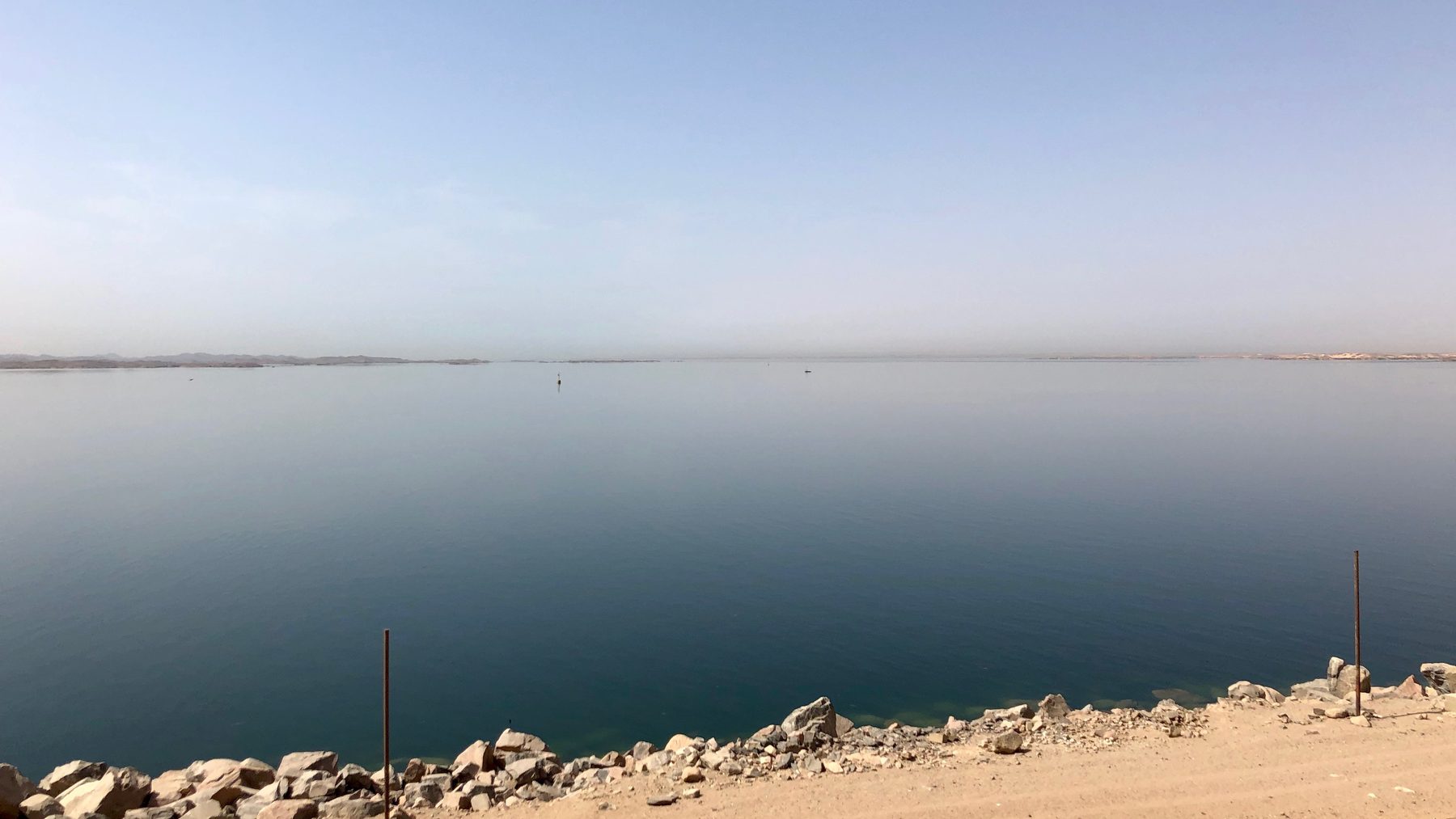
On Lake Nasser behind Egypt’s Aswan High Dam, an estimated 3.2 trillion gallons evaporate each year, more than the Seine carries through Paris, and a 1959 treaty budgeted for 2.6 trillion gallons in storage losses
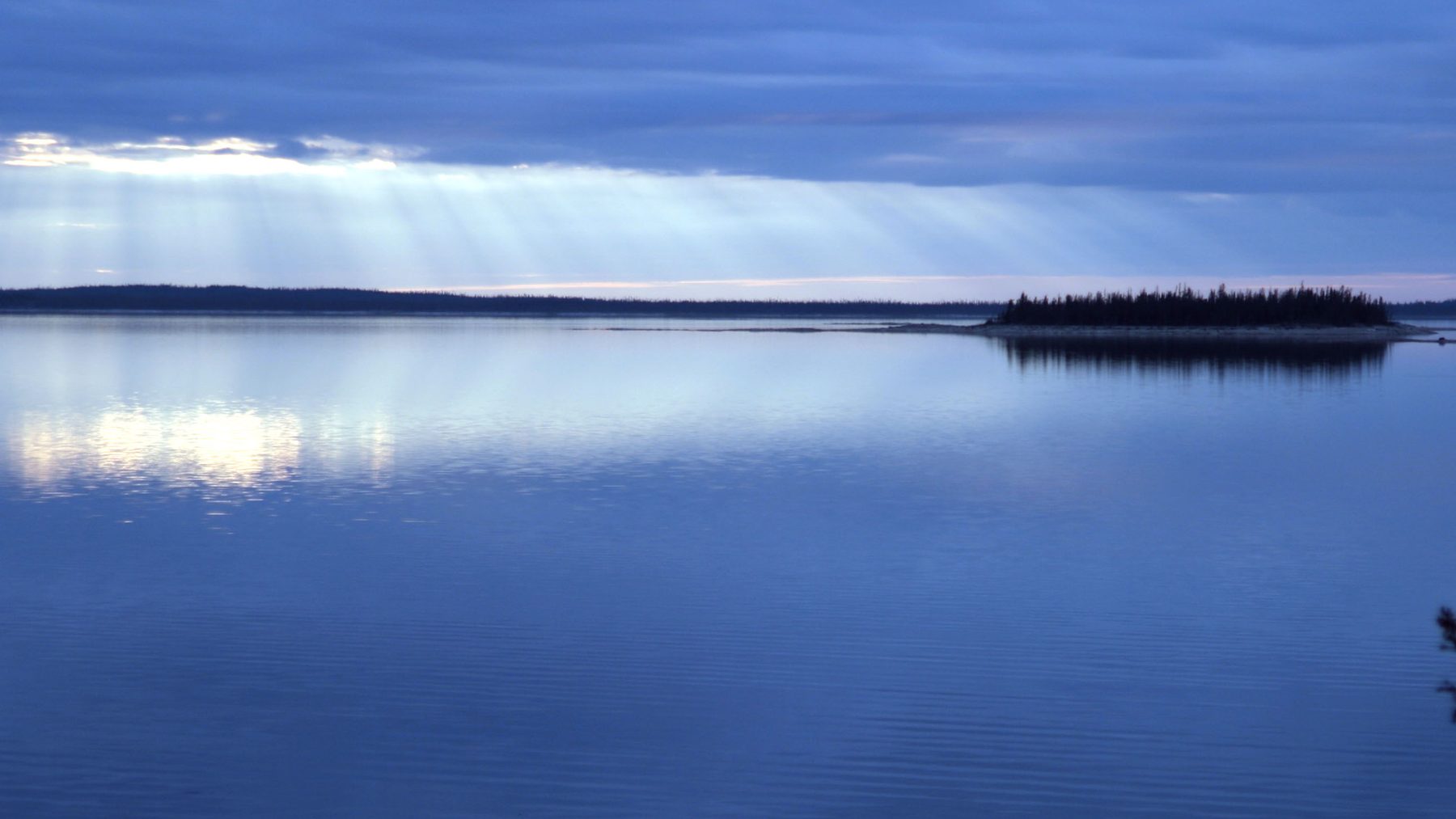
In northern Quebec’s La Grande hydroelectric complex, flooding pushed mercury in fish to 2 to 8 times natural lake levels, and the Cree health board now says most local fish can be eaten safely
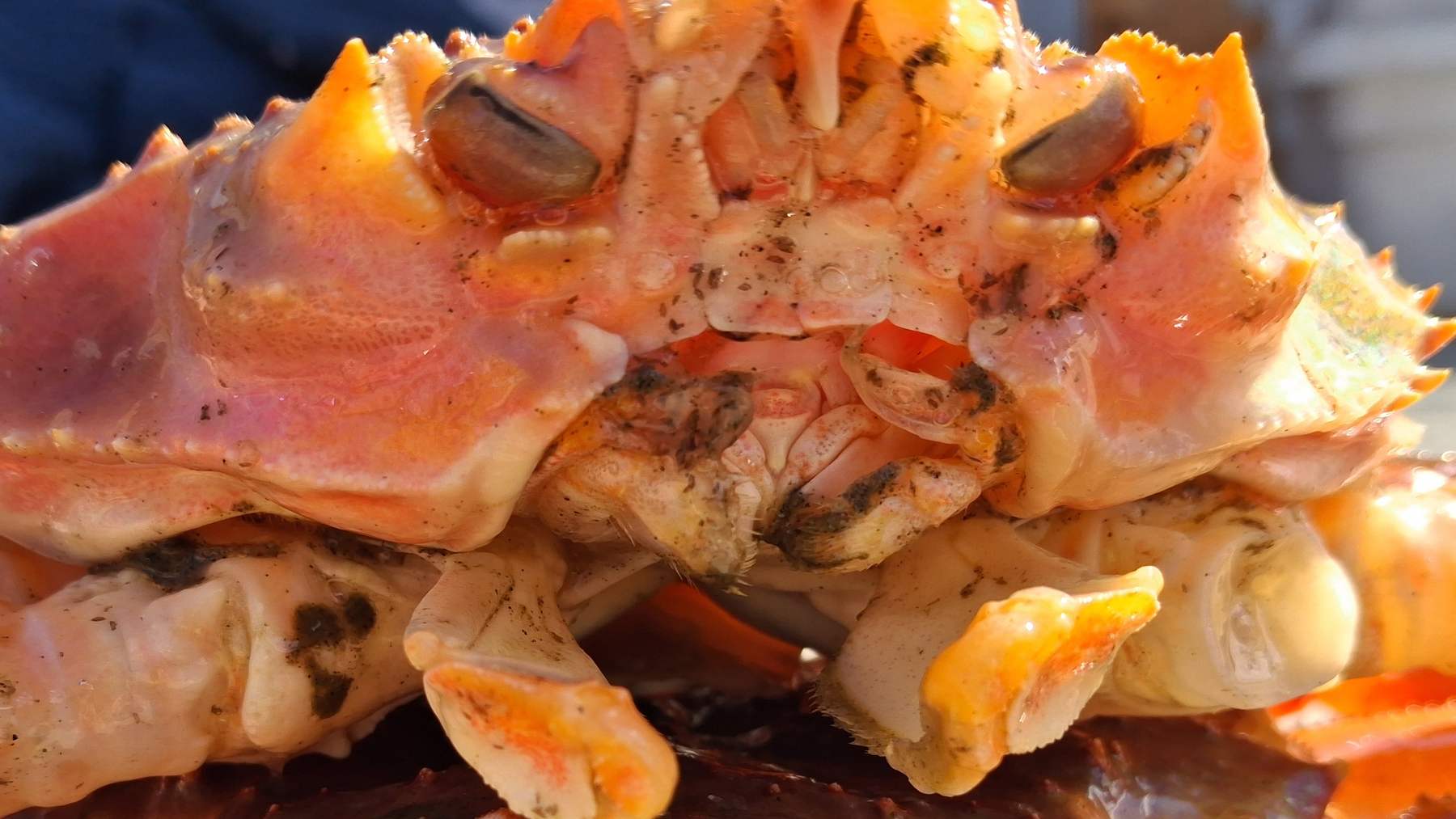
In Alaska’s Bering Sea, snow-Tanner hybrid crabs became 13.4 times more abundant after a marine heatwave wiped out billions of snow crabs, and in 2025 they made up 41.7 percent of commercial-sized males
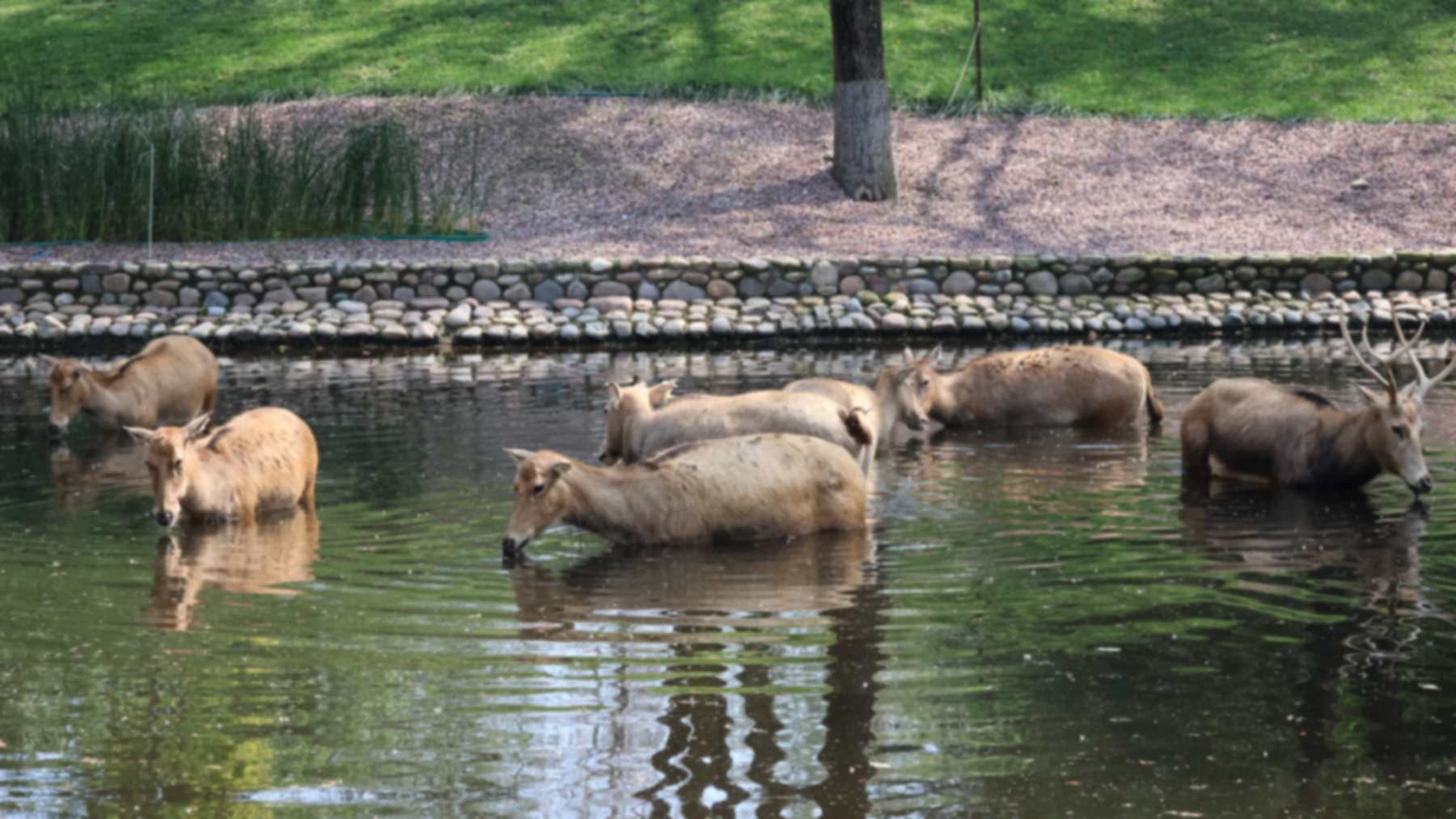
On the Yangtze River in China’s Hubei province, 36 Milu deer escaped a flooded nature reserve in May 1998, and by the end of 2009 the escapees and their descendants numbered more than 500
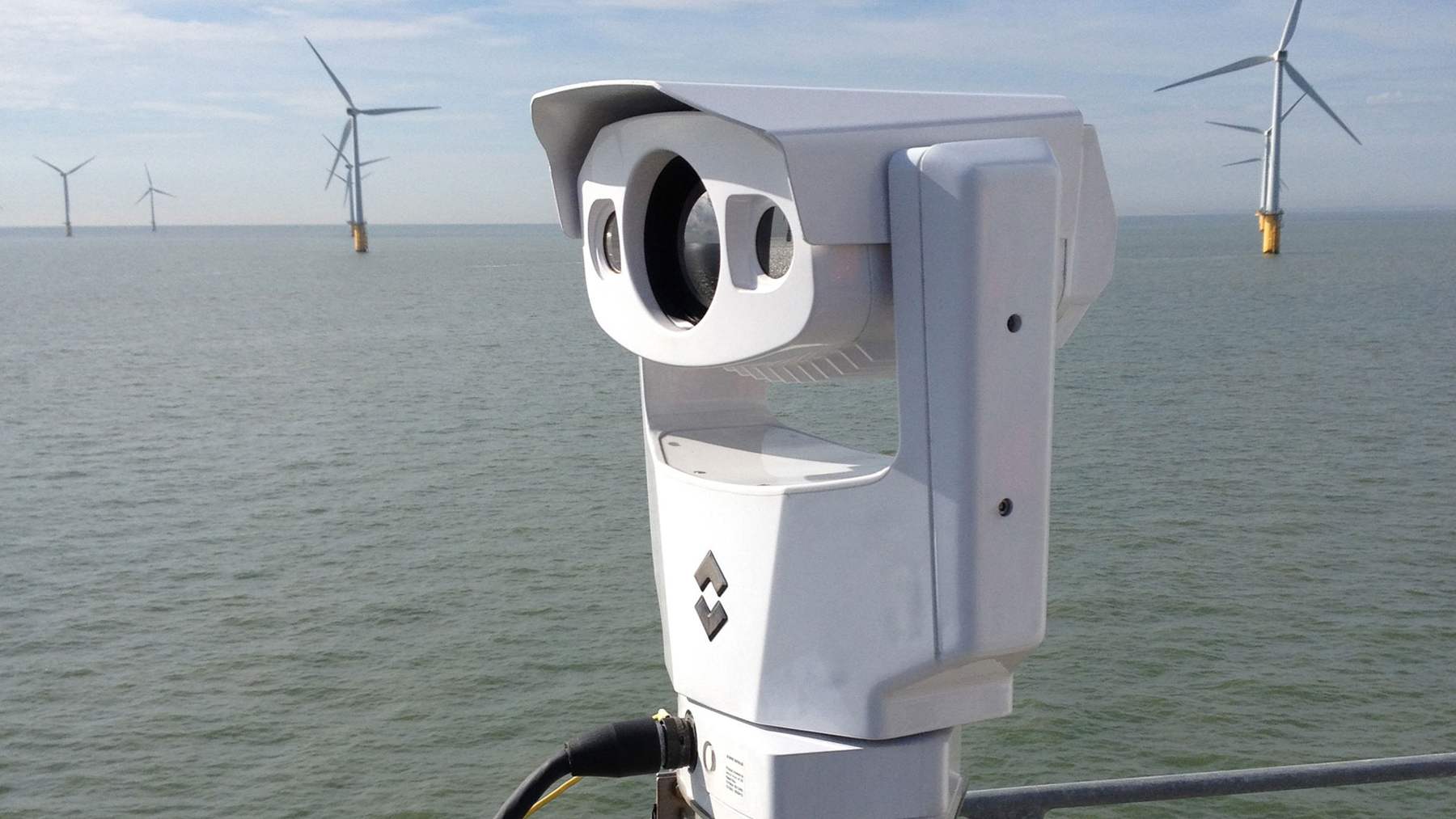
Off England’s Kent coast, a 2018 study reviewed 606,554 videos from cameras on Thanet Offshore Wind Farm turbines and counted 6 seabird collisions, and 96.8 percent of recorded seabirds flew between the turbine rows
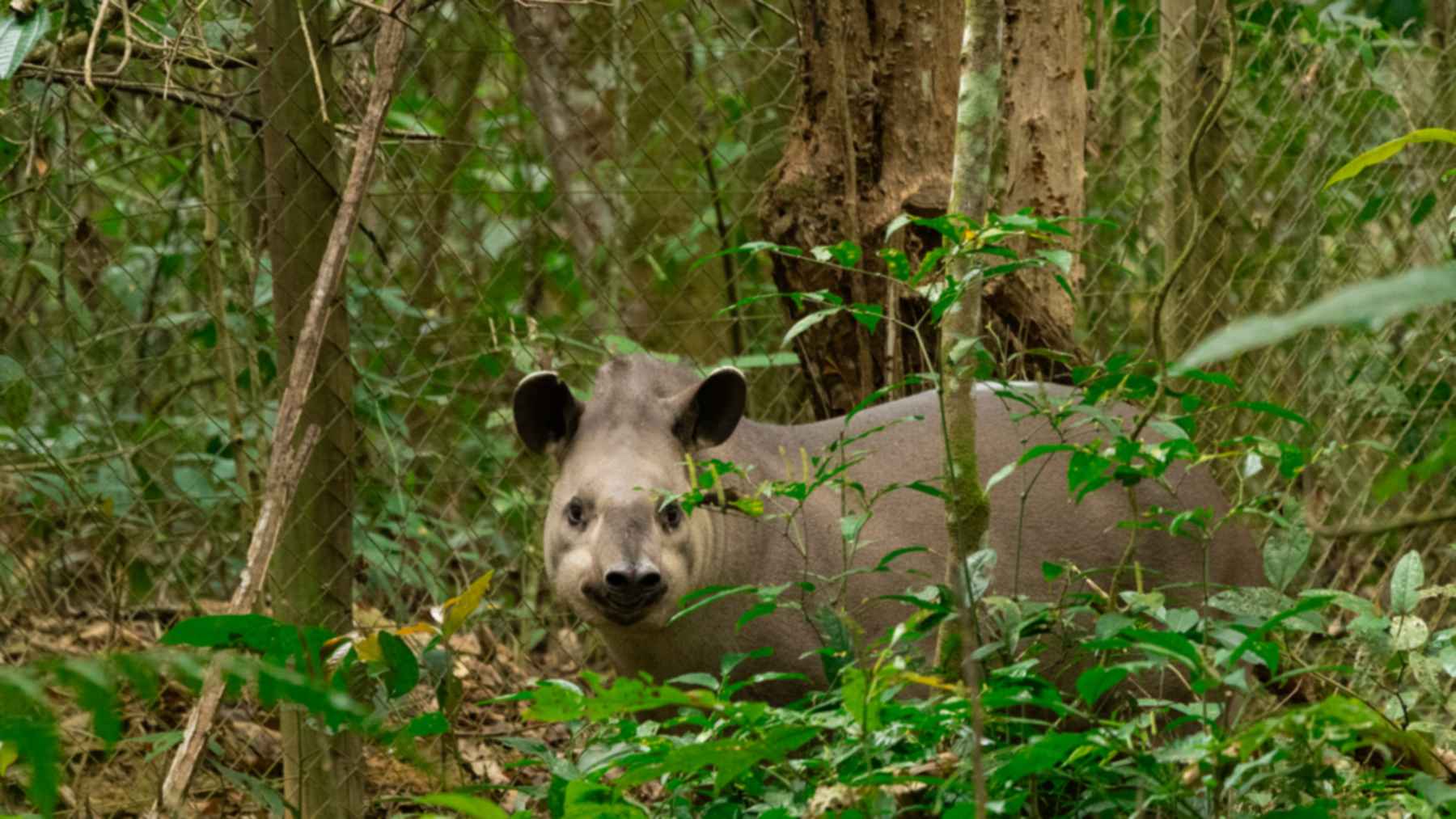
In Brazil’s Guapiaçu Ecological Reserve, a restoration project rooted in one family’s old farm has planted 1 million native seedlings, and lowland tapirs missing from Rio de Janeiro since 1914 now number around 25
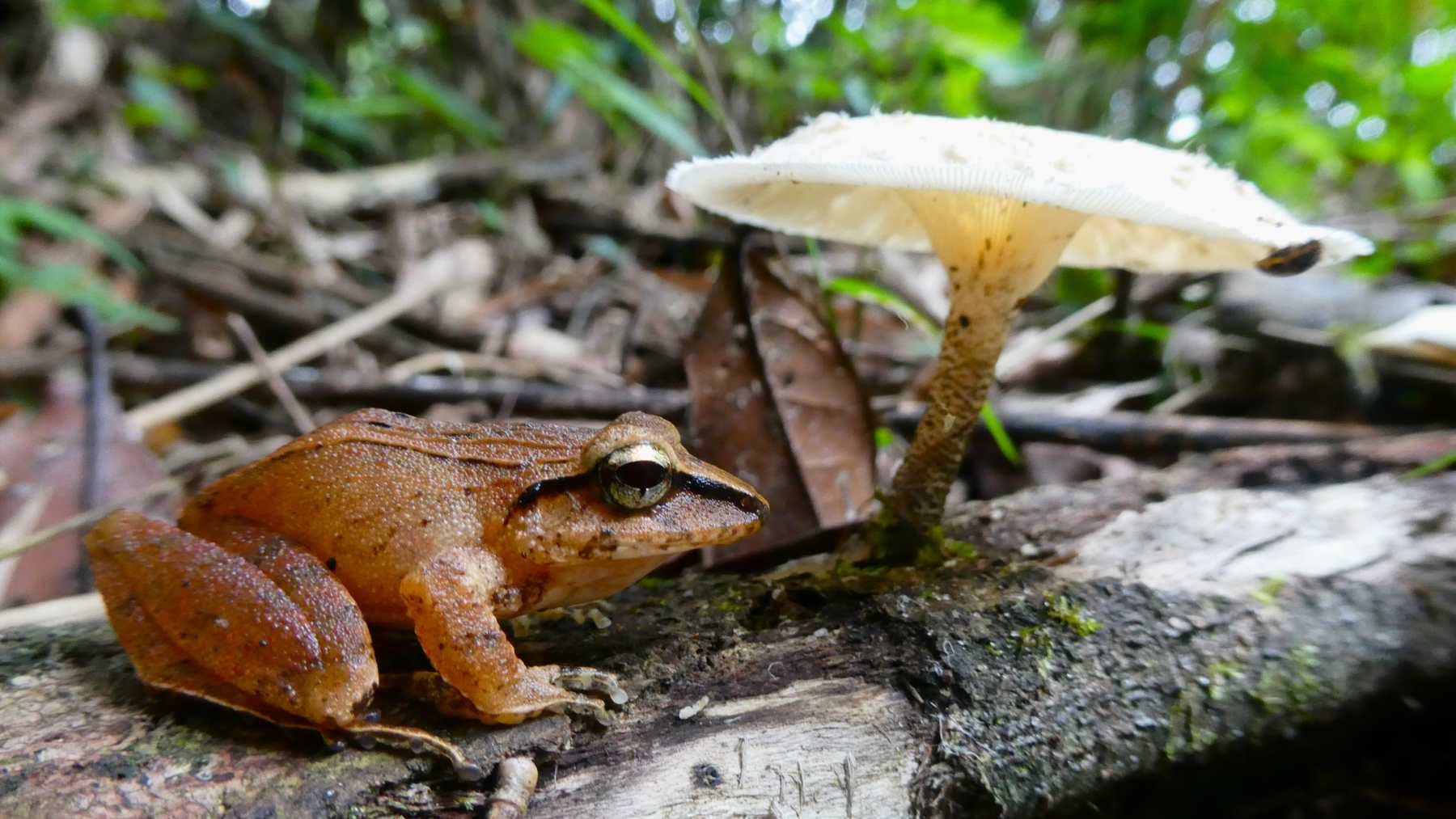
Smithsonian scientists swabbed 327 museum frogs and tied a mysterious die-off in Brazil’s Atlantic Forest to the chytrid fungus, but the declined species still common enough to collect tested clean
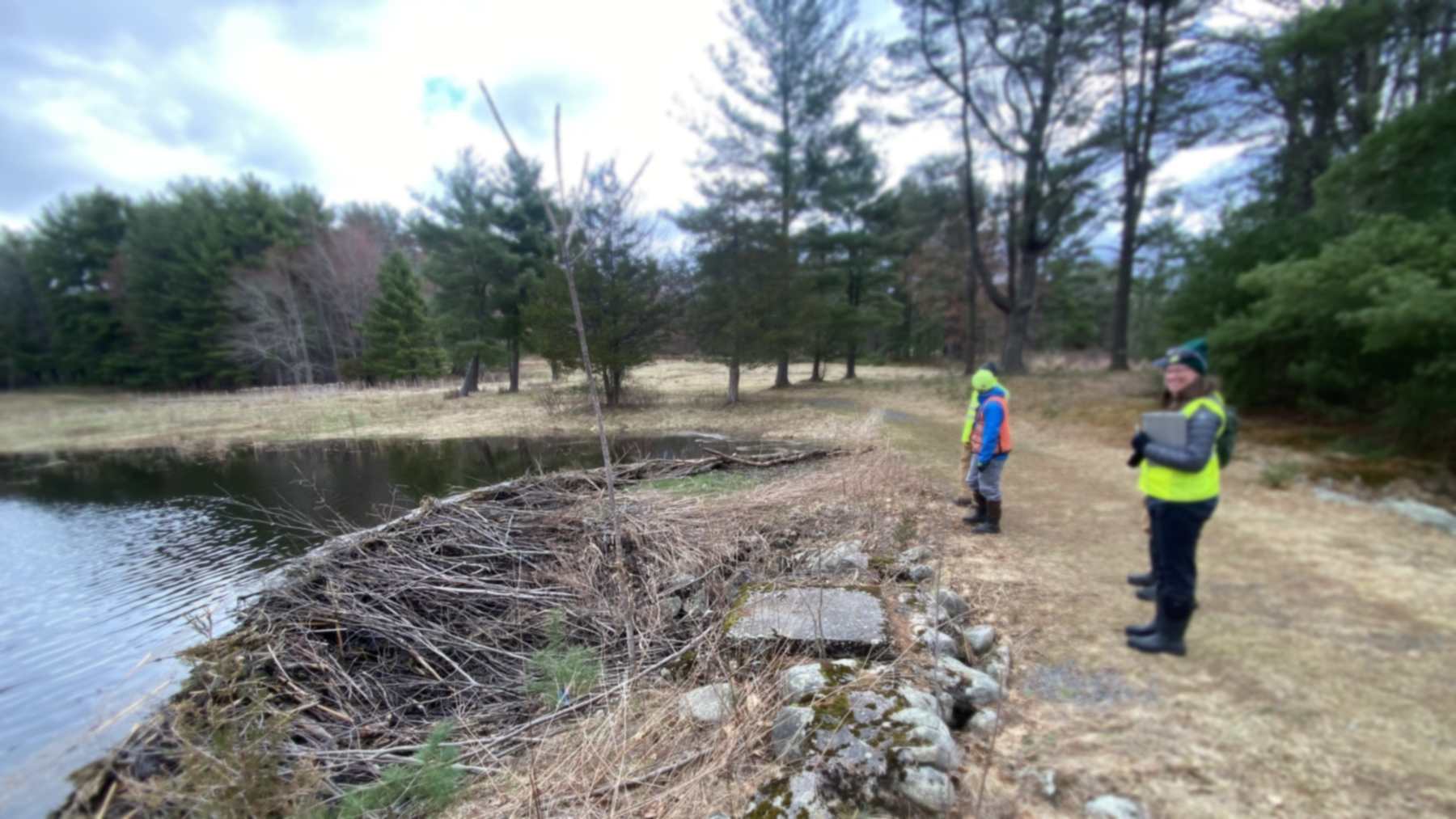
Crews on a closed Massachusetts golf course in Northampton pulled out a failed culvert and installed human-built beaver dams, and the city now has $2.8 million to finish rewilding the site
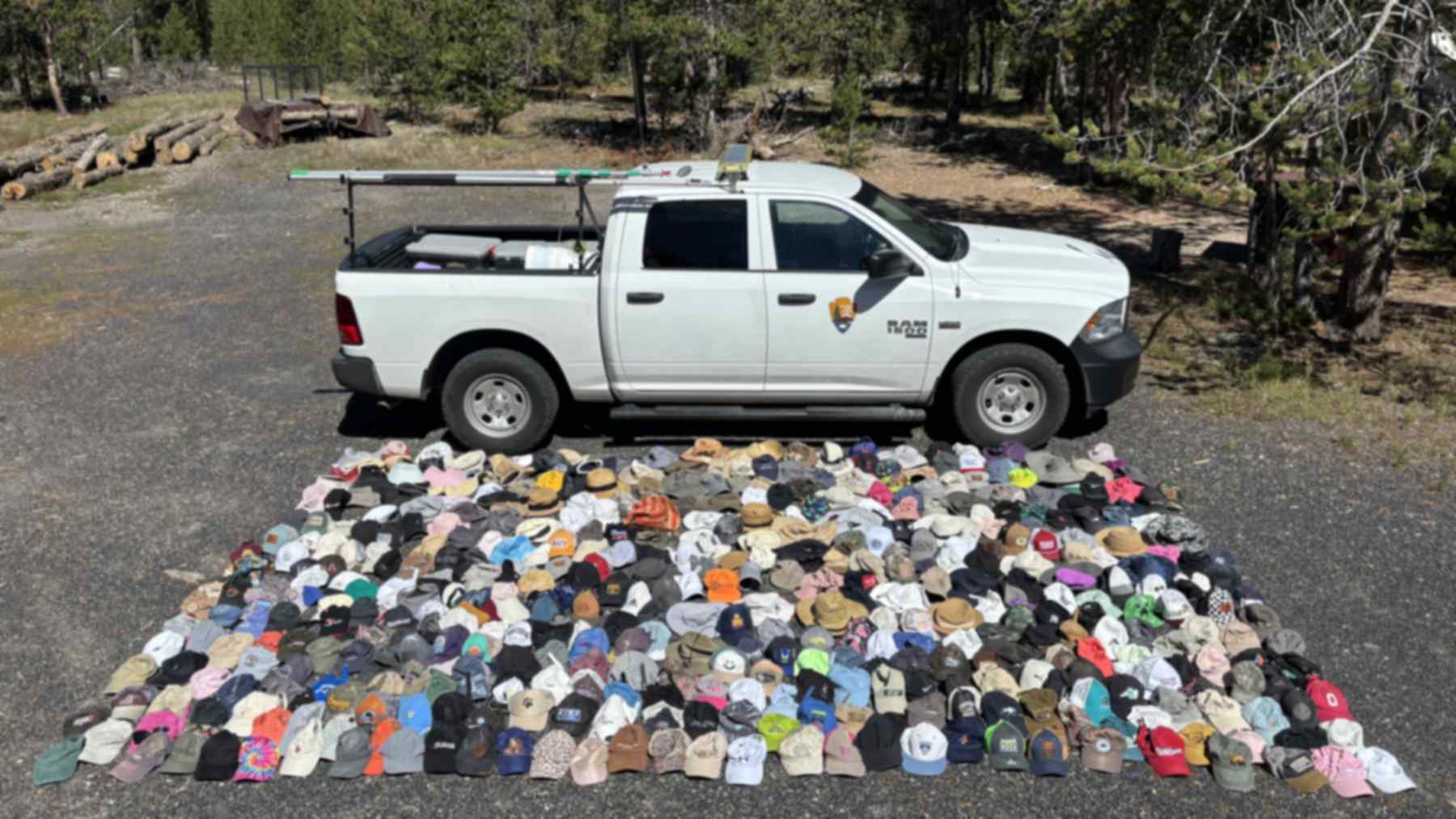
Yellowstone hot springs, geysers and boardwalks gave up more than 20,100 pieces of trash, 5,600 rocks and sticks and over 280 hats by early September, including six Invisalign retainers and a single Uno card
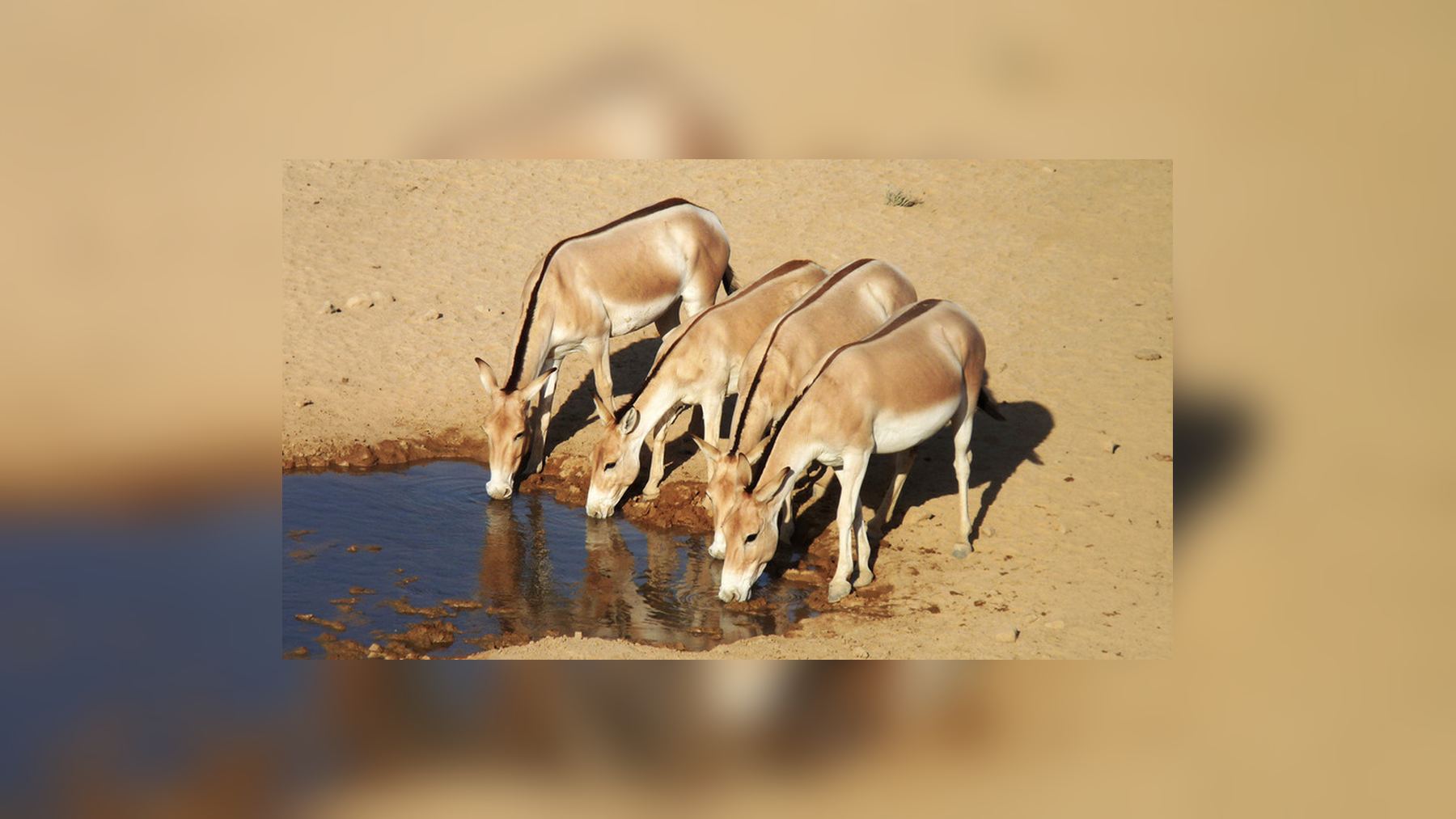
Israel released 28 Asiatic wild asses into the Negev from 1982 to 1987, and DNA from their dung now shows a herd eating native plants and inbreeding less after managers added three water points
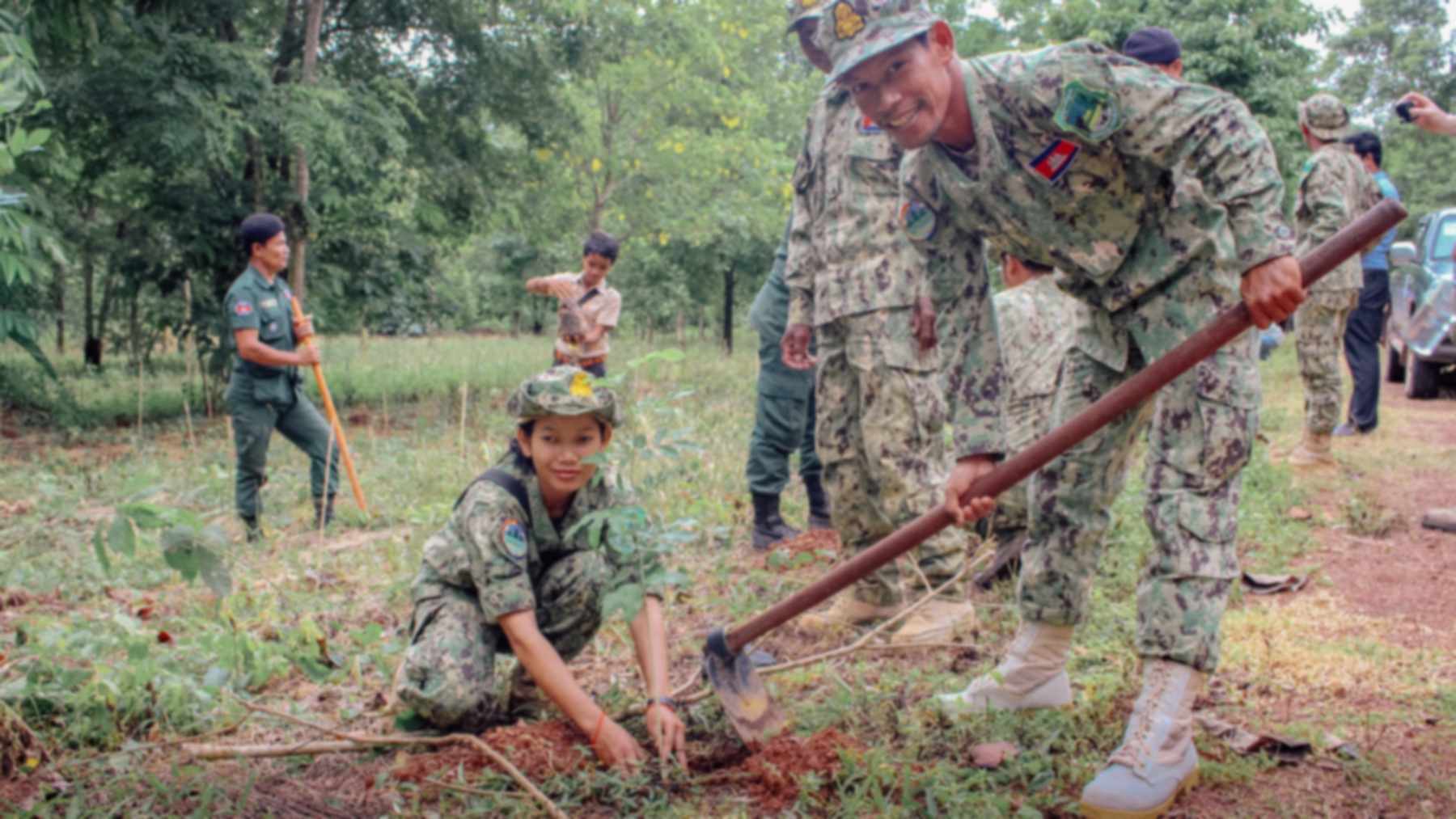
Angelina Jolie’s foundation has spent 20 years in a 150,720-acre Cambodian forest where elephants and pangolins still roam, and its rangers pulled about 4.8 miles of wire snares out in 2025