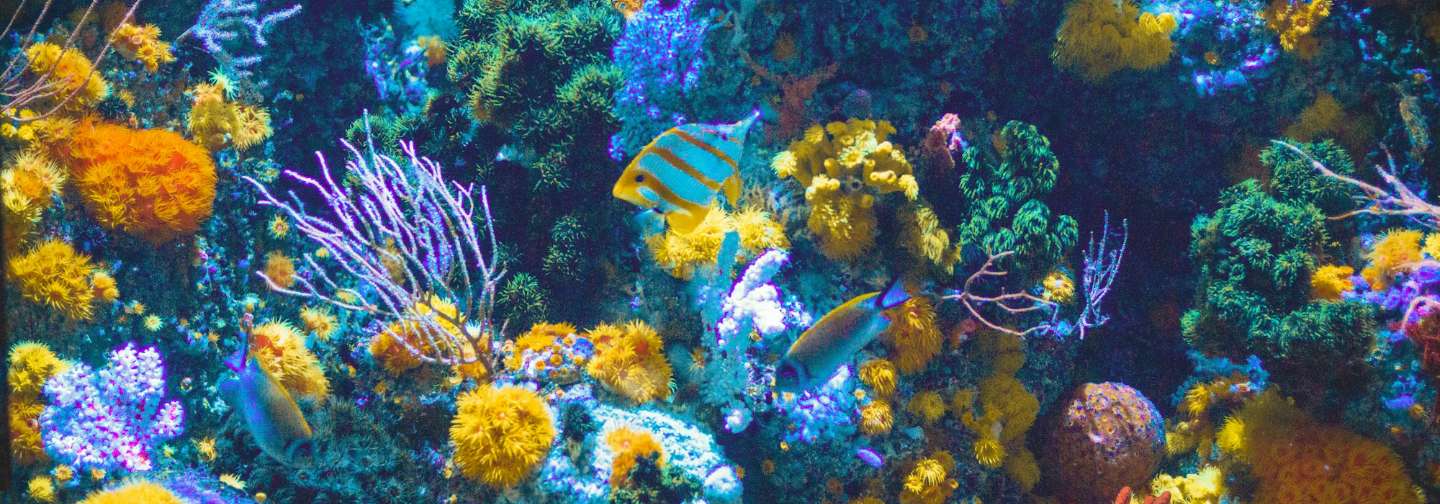
Colorful coral reef with tropical fish

Environment

Wildlife, oceans, forests, climate and conservation

In Environment, ECOnews covers wildlife and biodiversity, oceans, forests, climate change, pollution, recycling and conservation. Surprising stories from around the planet that explain how nature works and how people are changing it.
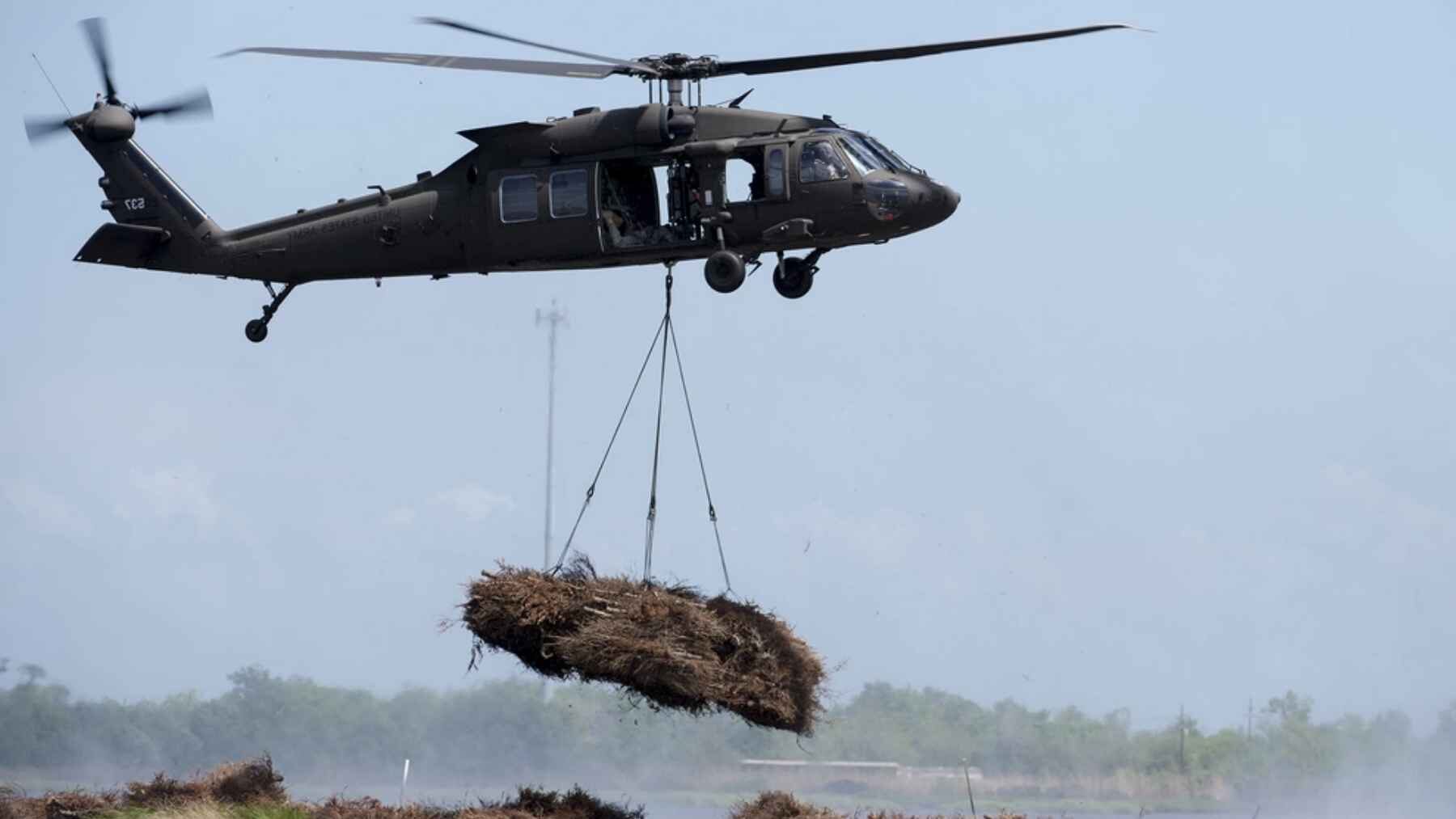
Louisiana National Guard helicopter carrying recycled Christmas trees for coastal marsh restoration near New Orleans

New Orleans is collecting thousands of used Christmas trees and dropping them from helicopters to slow the loss of land, which has already exceeded 5,000 square kilometers

—
July 31, 2026 at 2:00 PM
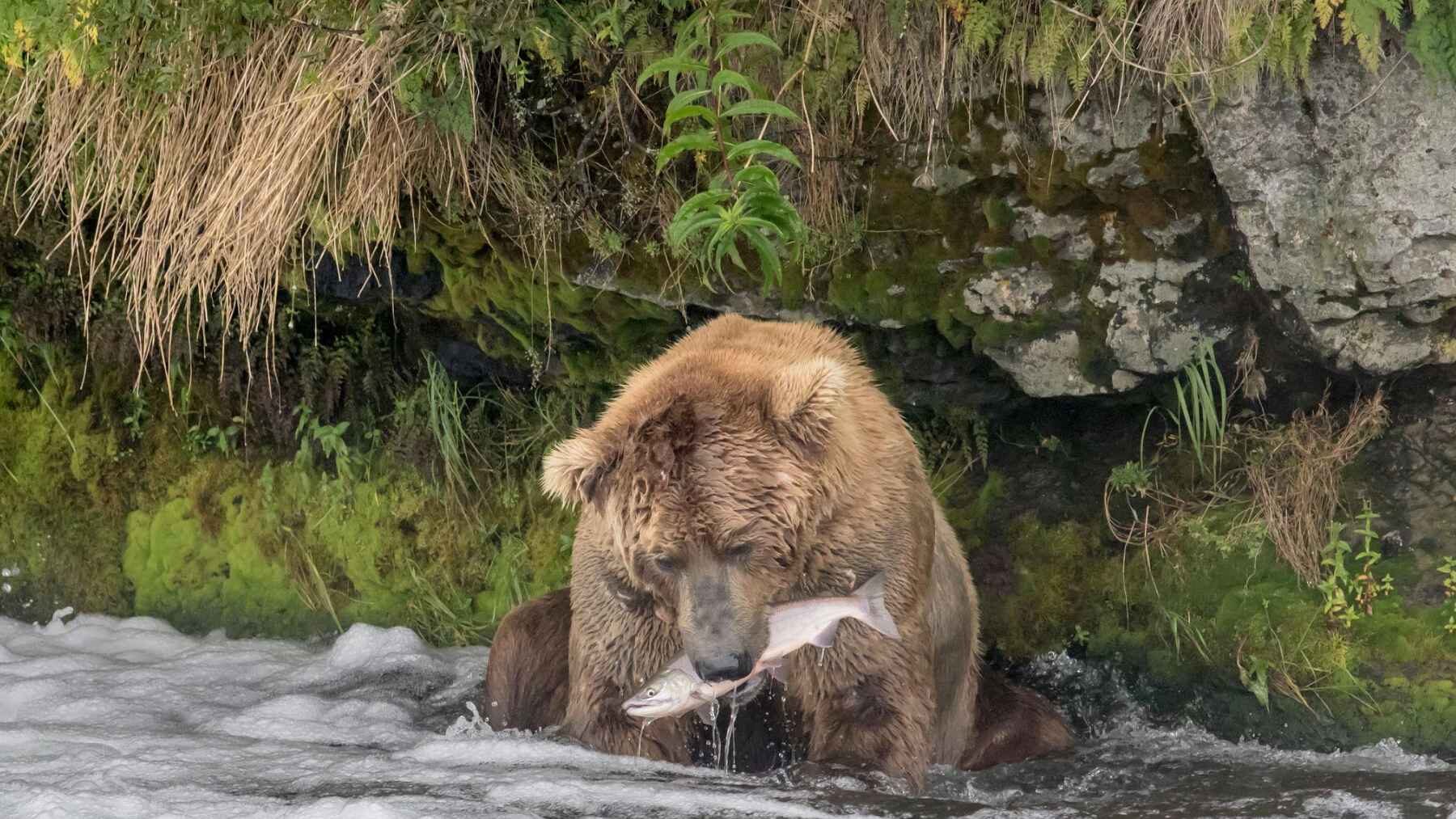
A brown bear catches a salmon in an Alaska stream, a key process that helps move marine nutrients into surrounding forests.

Scientists played human voices near Alaska salmon streams, and bears and eagles fled before the forest could receive what the fish carried

—
July 31, 2026 at 12:30 PM
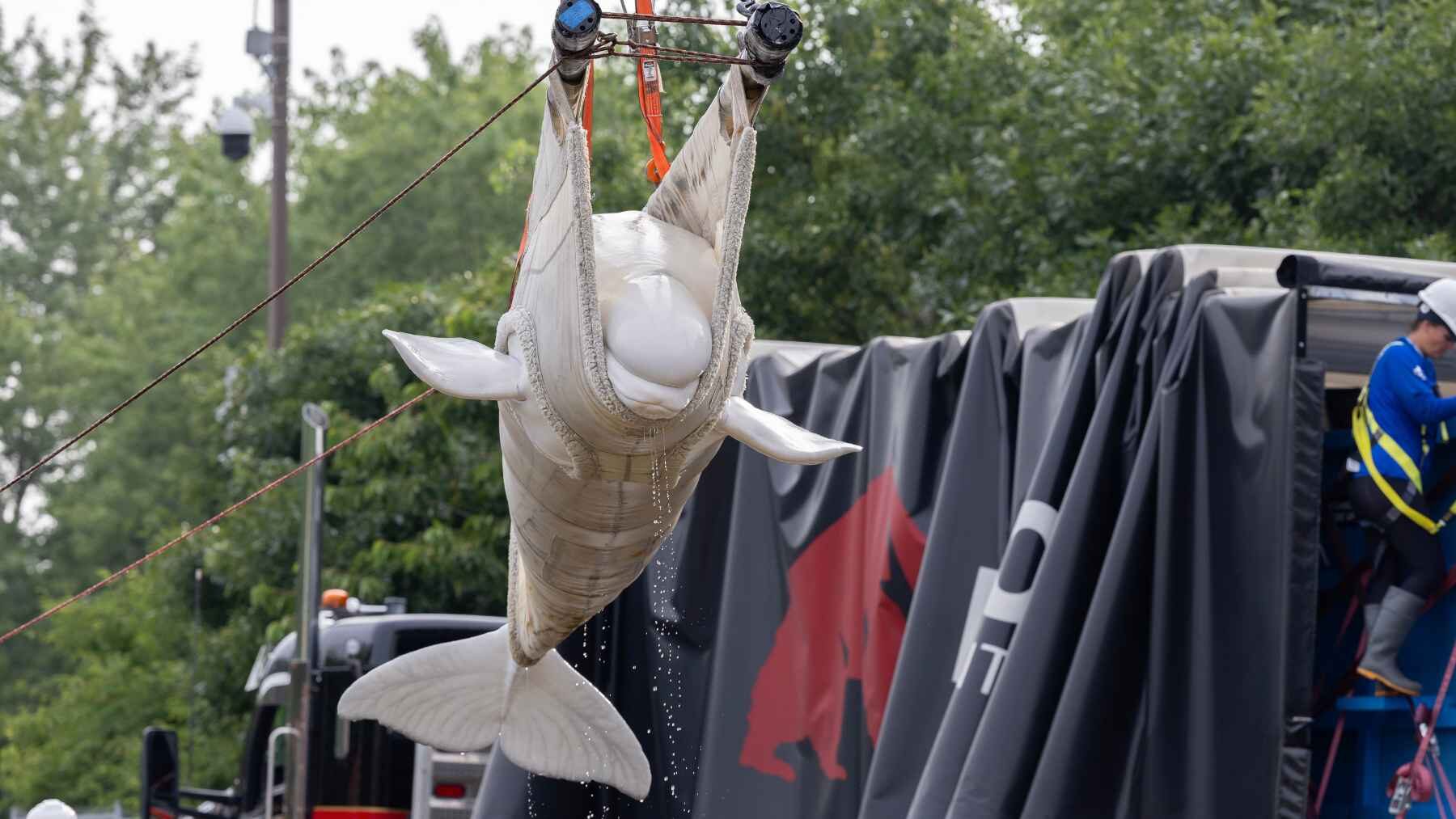
A rescued beluga whale is carefully lifted into its new habitat at SeaWorld San Antonio after being relocated from Marineland of Canada.

Thirty beluga whales were left behind at a closed marine park, and the first rescue trip has already ended in Texas

—
July 31, 2026 at 10:15 AM
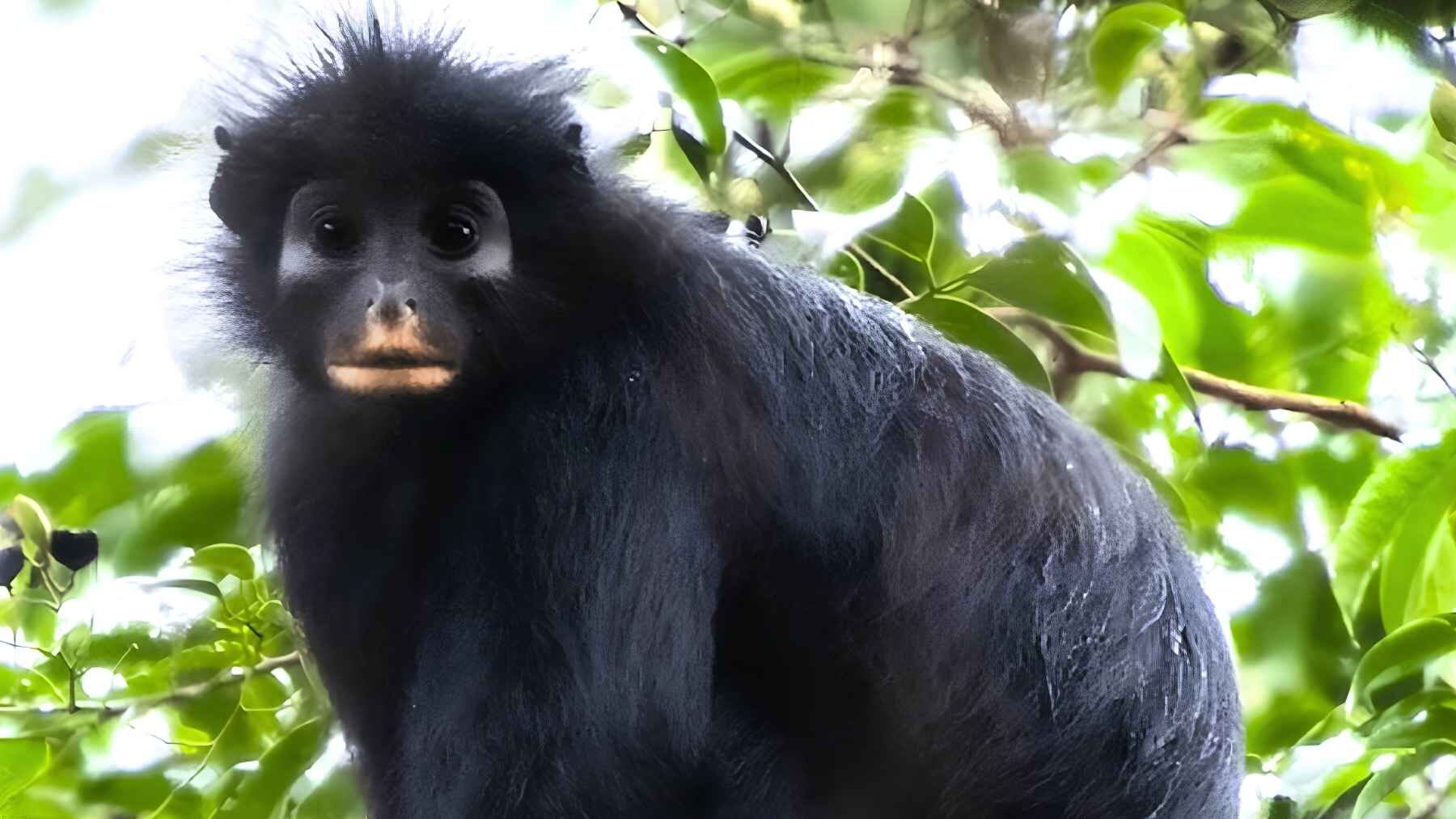
Colobus congoensis, the newly identified monkey species with distinctive orange lips discovered in the Democratic Republic of the Congo.

A monkey with orange lips was hiding in Congo’s rainforest, and scientists say its discovery is rare enough to change what they knew

—
July 31, 2026 at 8:43 AM
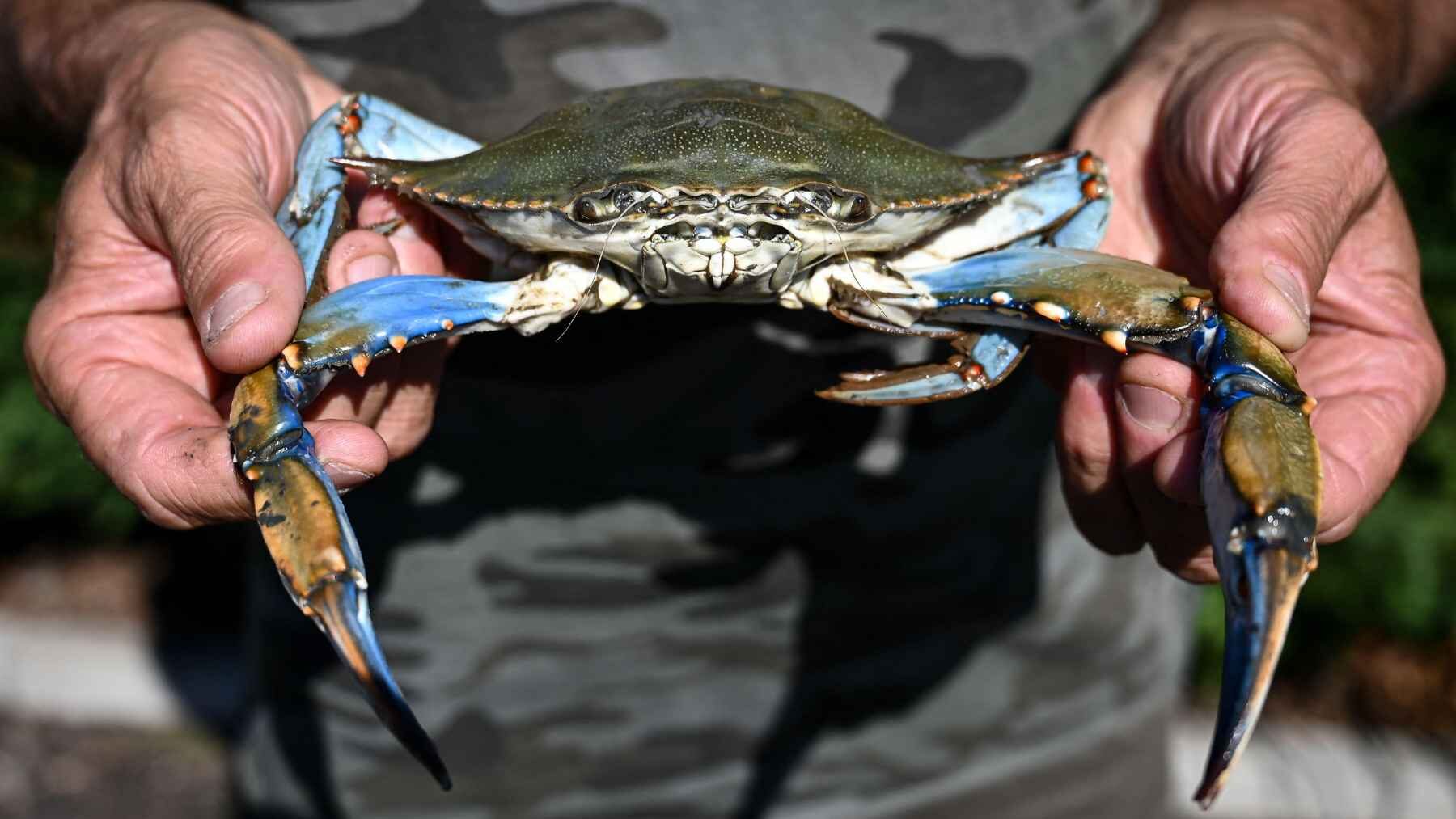
Atlantic blue crab (Callinectes sapidus) that has spread through Italy's Po Delta and devastated clam farms.

An American blue crab invaded Italy’s clam lagoons, and fishers in the Po Delta are watching their old work disappear

—
July 31, 2026 at 6:30 AM
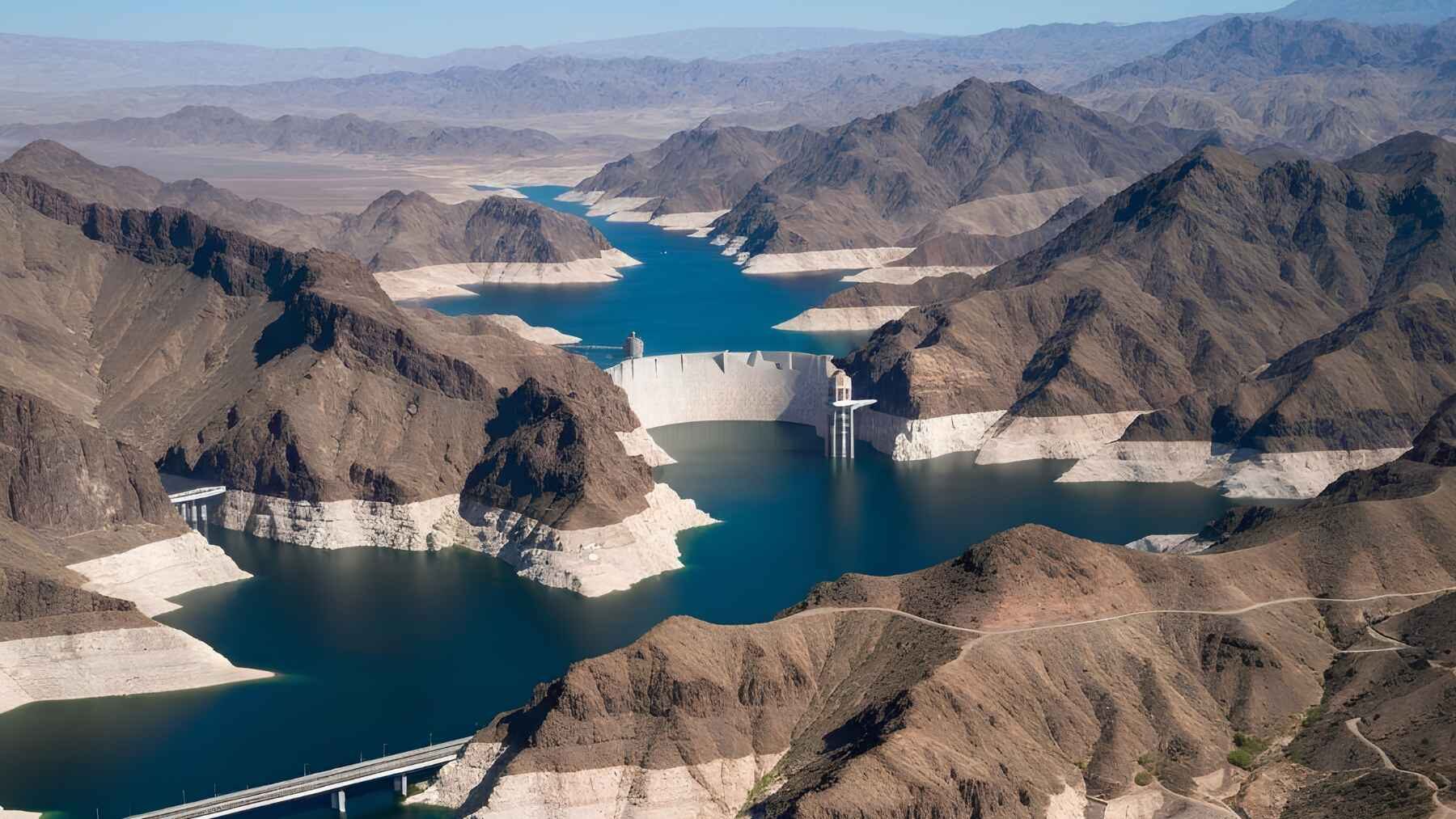
Aerial view of Hoover Dam and Lake Mead, where federal officials are paying to keep more Colorado River water in the reservoir.

The U.S. will pay up to $65 million to leave Colorado River water in Lake Mead, and Hoover Dam explains why

—
July 30, 2026 at 6:30 PM
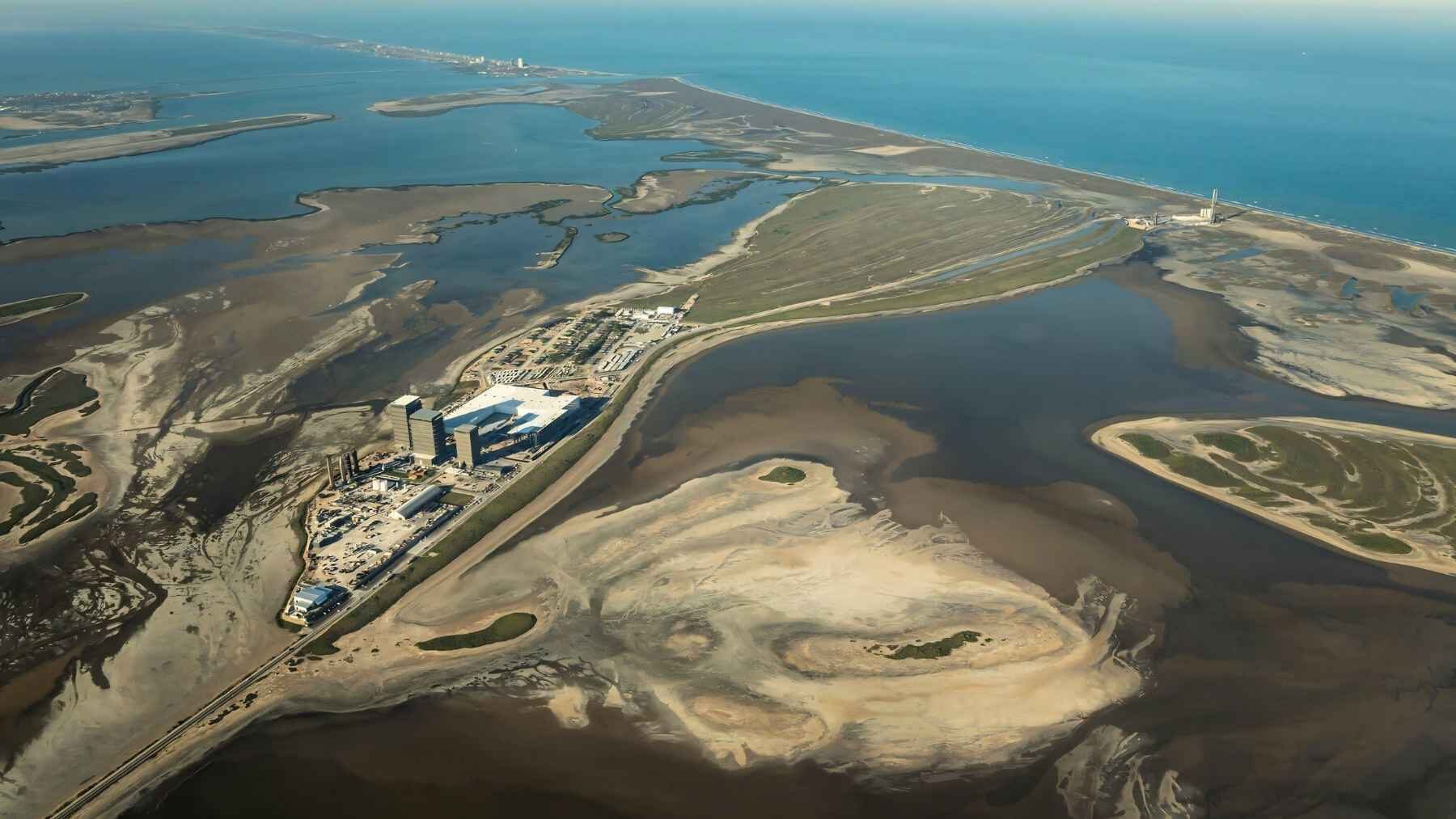
Aerial view of SpaceX's Starbase launch facility beside the Lower Rio Grande Valley National Wildlife Refuge in South Texas.

SpaceX wants 727 acres beside a Texas wildlife refuge, and Indigenous groups say the court must stop the land swap now

—
July 30, 2026 at 5:00 PM
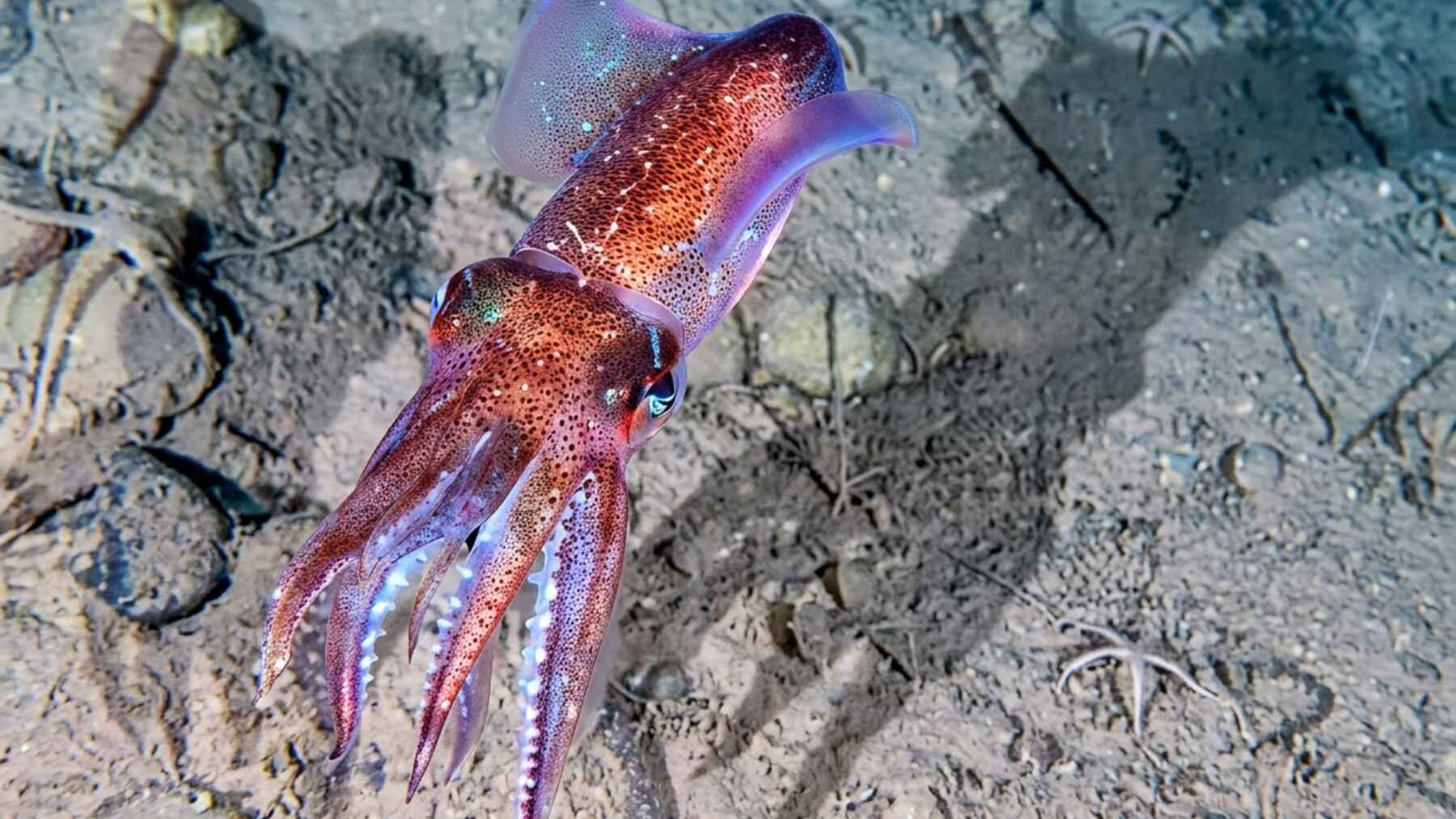
Arctic bobtail squid (Rossia moelleri) photographed alive on the seafloor in Northeast Greenland National Park.

An Arctic bobtail squid was filmed alive for the first time, and what she was protecting under the ice made the sighting even rarer

—
July 30, 2026 at 12:30 PM
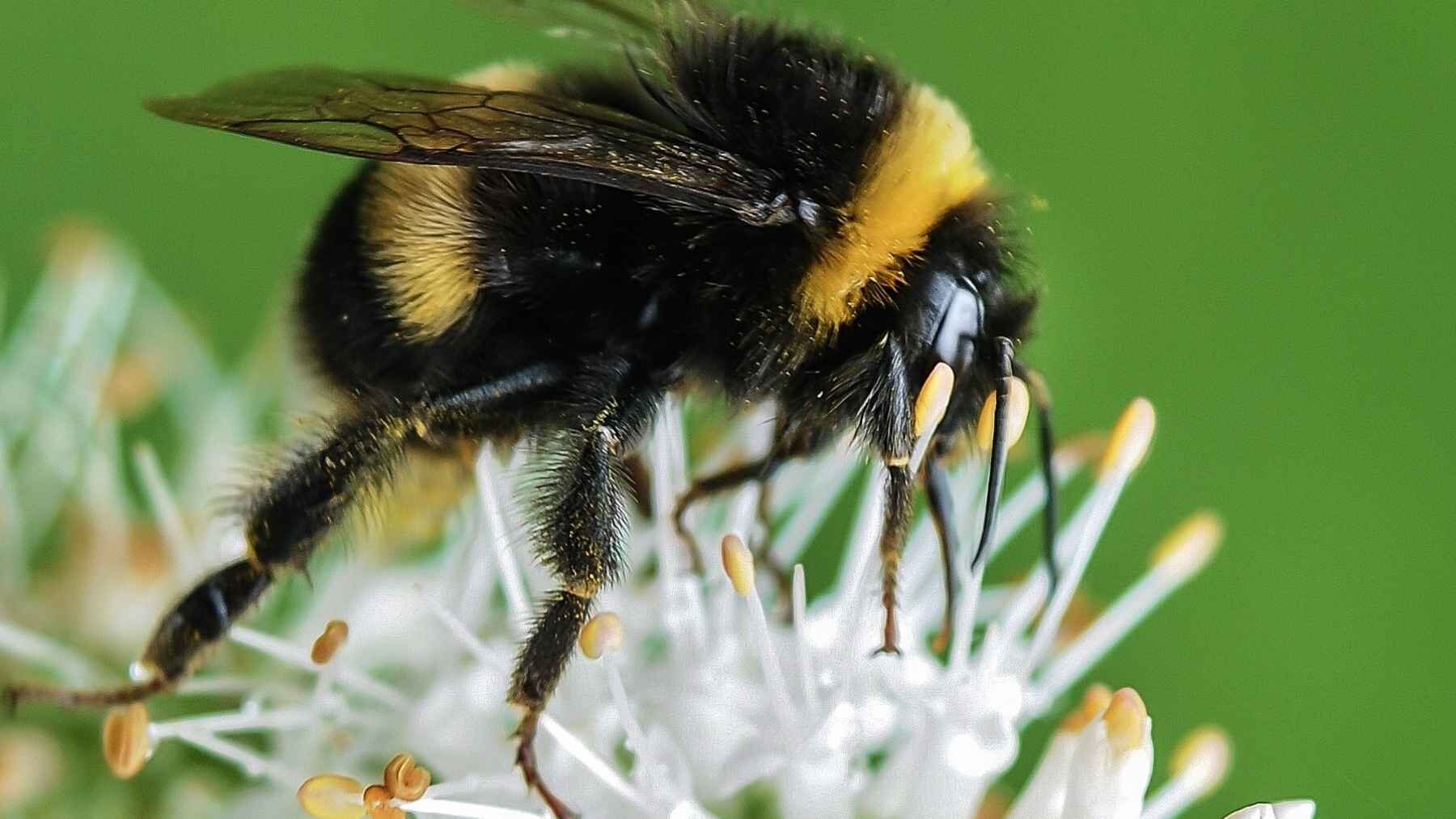
Common eastern bumblebee collecting pollen from a flower during a study on pesticide effects.

Bumblebees survived low doses of a modern pesticide, but scientists found the real damage hidden in genes linked to the next generation

—
July 30, 2026 at 8:45 AM
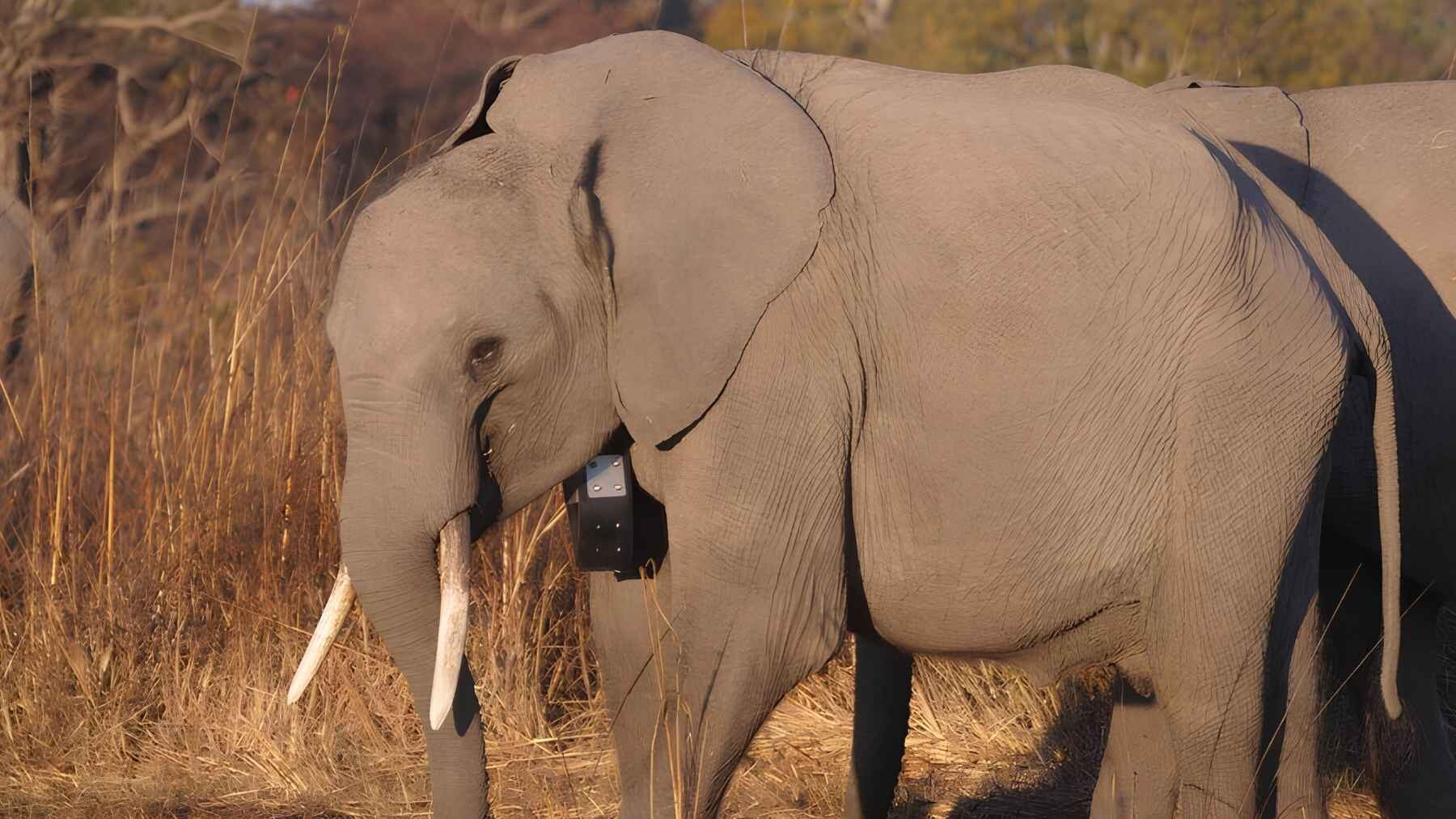
GPS-collared bull elephant Z16 traveling through the KAZA conservation landscape in southern Africa.

A GPS collar on a young bull elephant in Zambia recorded 7,400 miles across four countries and six national parks, tracing ancient routes that border fences now block

—
July 29, 2026 at 6:30 PM
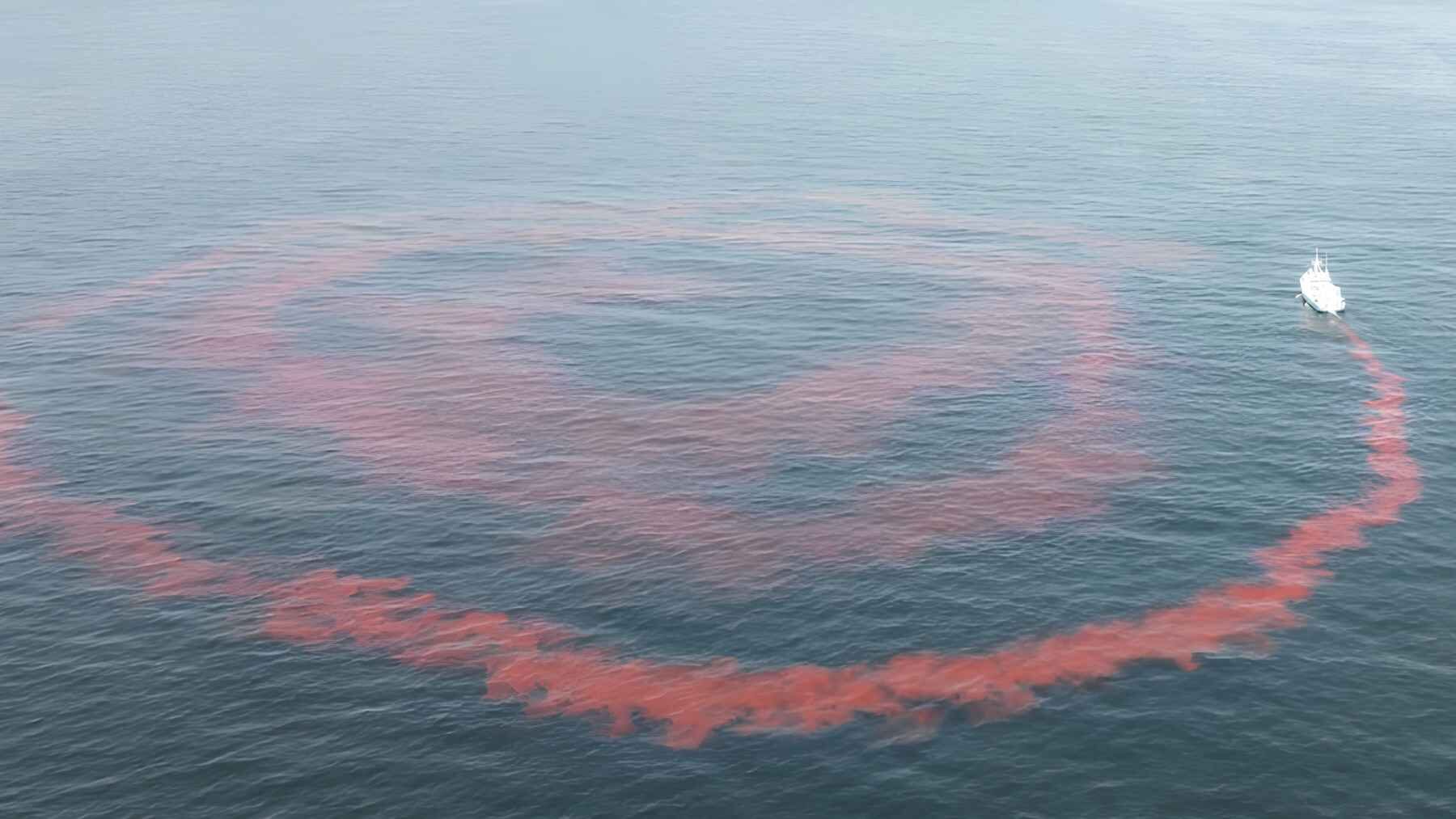
Pink tracer dye outlines the treated seawater patch during an ocean alkalinity field experiment in the Gulf of Maine.

US scientists poured 16,500 gallons of lye into the Gulf of Maine and dyed the water bright pink to track it, the first federally approved try at reversing ocean acidity

—
July 29, 2026 at 3:00 PM
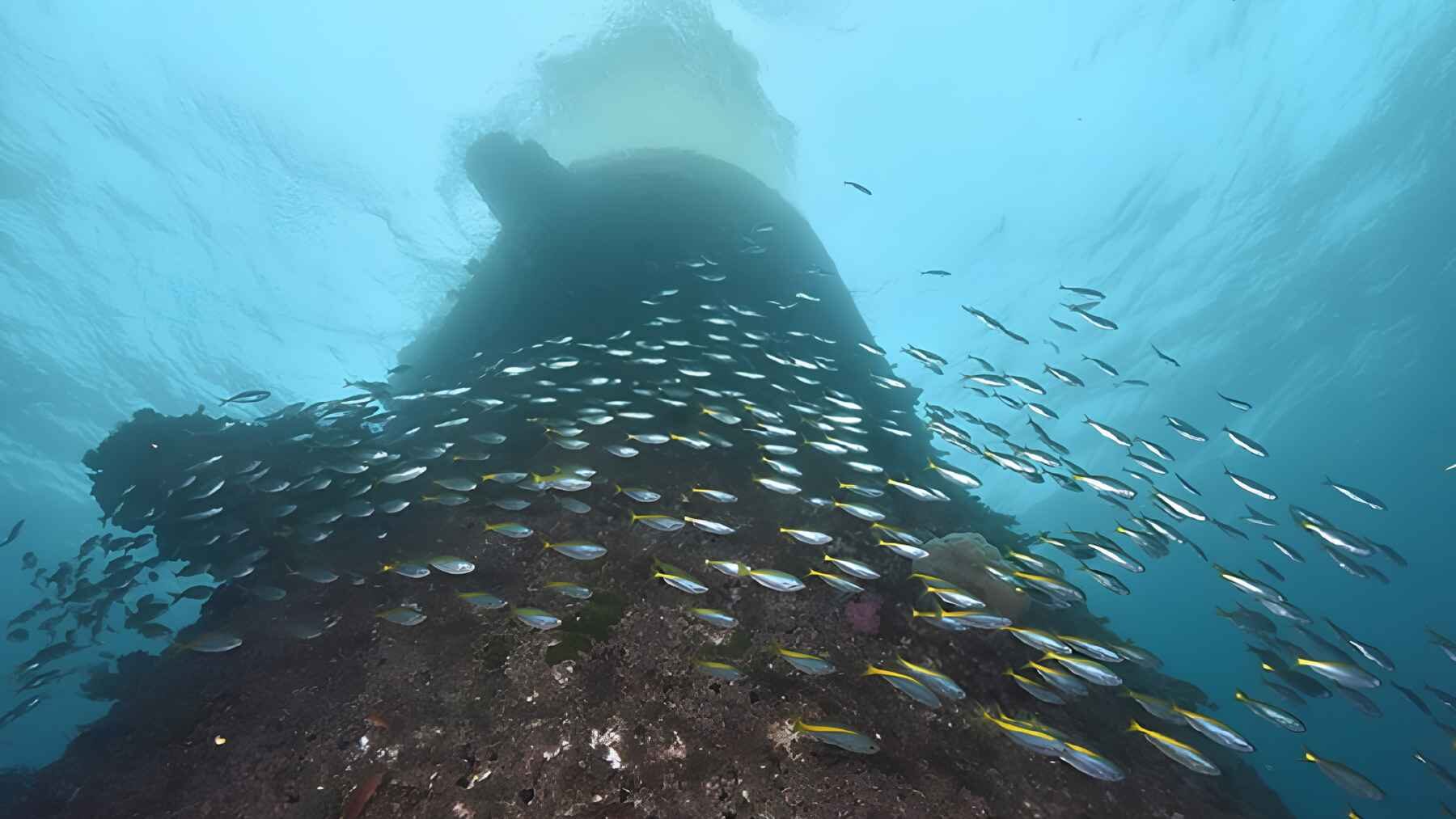
School of reef fish gathers around the base of an offshore wind turbine foundation in Taiwan.

Divers found grouper and snapper massing around 69 steel wind turbine foundations off Taiwan, because on a flat sandy seabed that is the only thing that looks like a cliff

—
July 29, 2026 at 10:15 AM
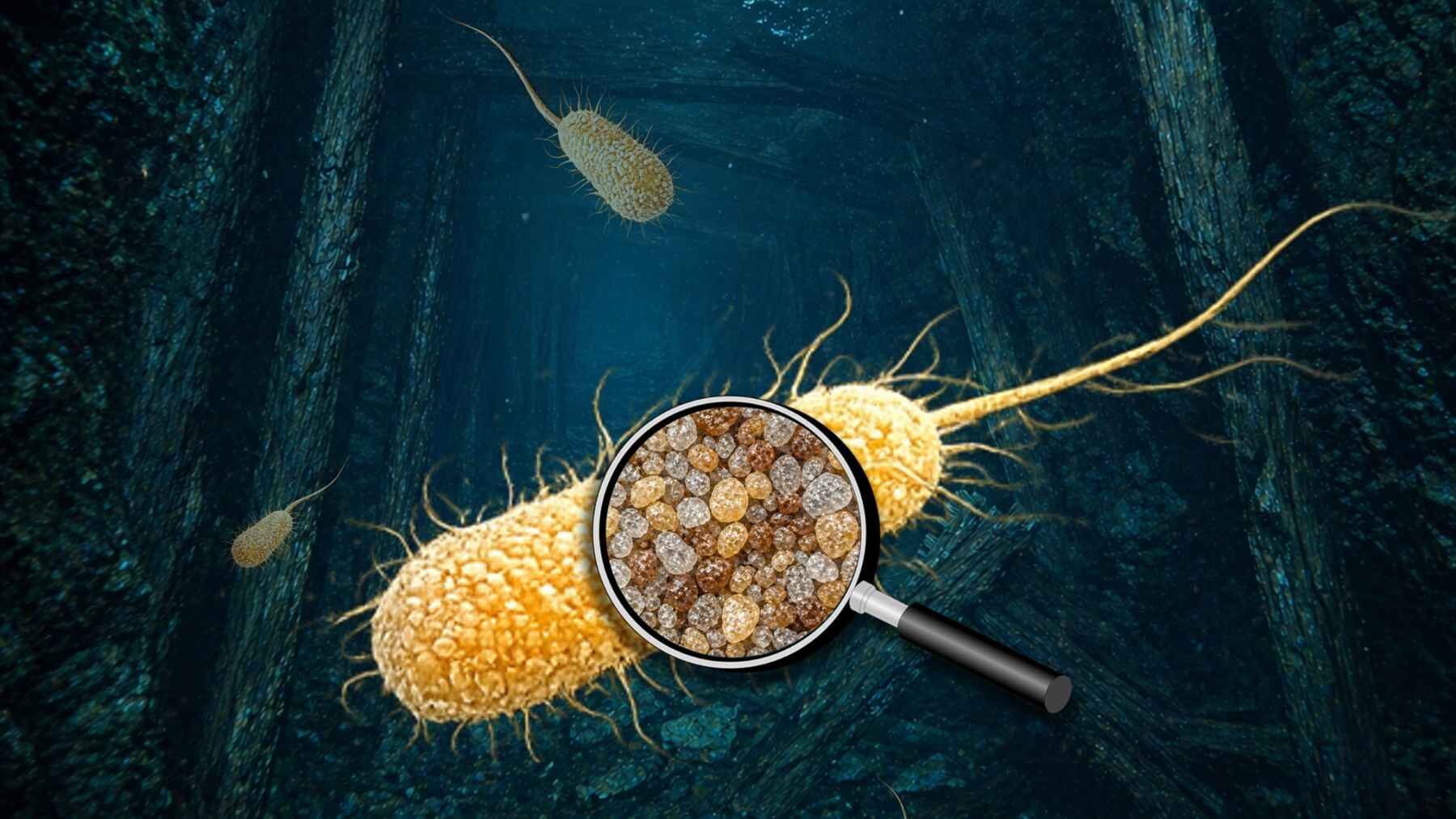
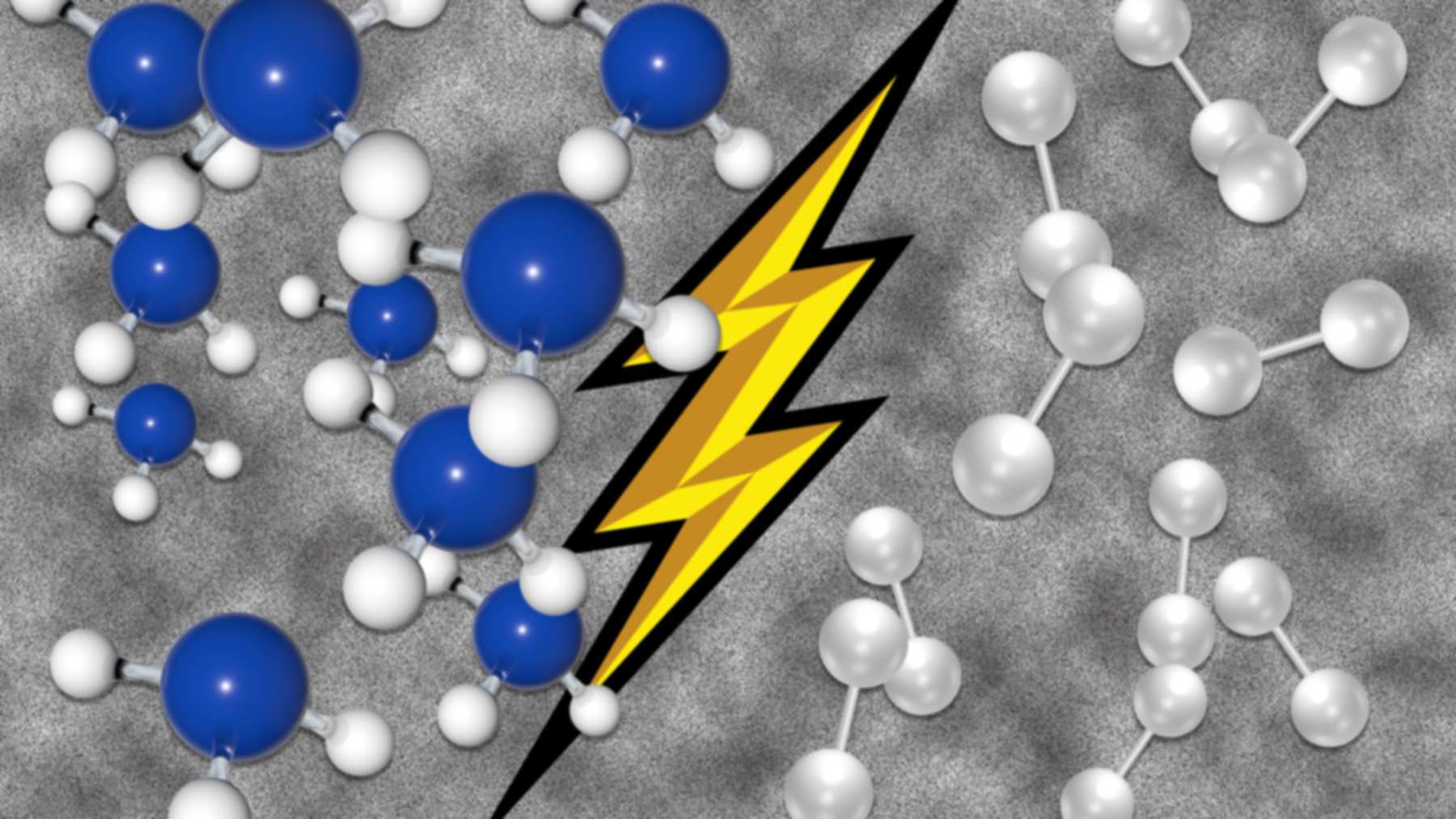
Illustration showing bacteria immobilizing dissolved uranium inside the flooded Schlema-Alberoda uranium mine in Germany.

Bacteria living inside an abandoned German uranium mine can lock up 96% of the dissolved radioactive material, which means the mine may already hold the cure for its own contamination

—
July 29, 2026 at 6:30 AM
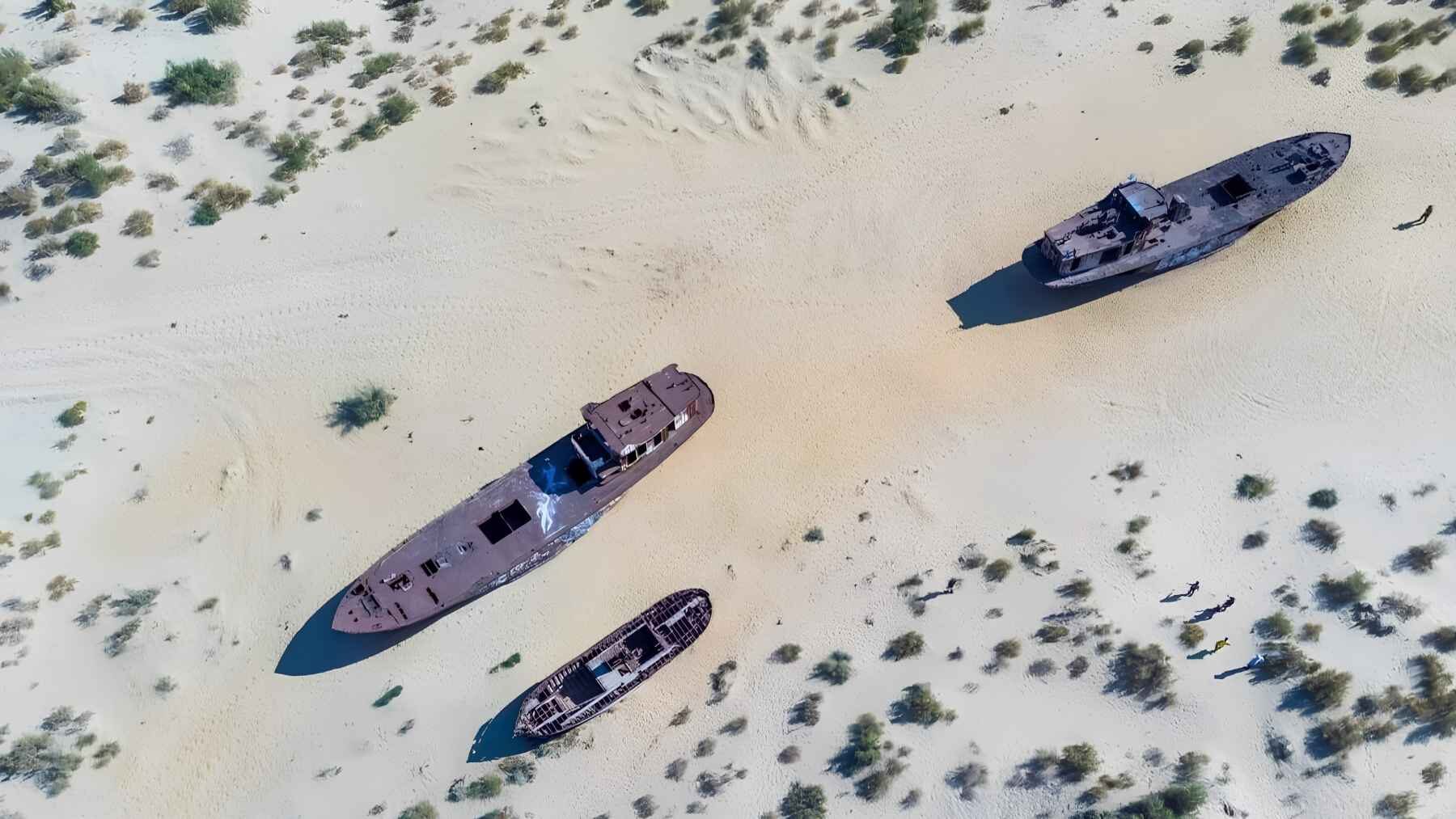
Abandoned ships stranded on the dried bed of the Aral Sea after decades of water loss.

The dried bed of the Aral Sea has already released 748 million tons of CO2, and Spanish scientists want to refill it with water before another 605 million escape

—
July 28, 2026 at 6:30 PM
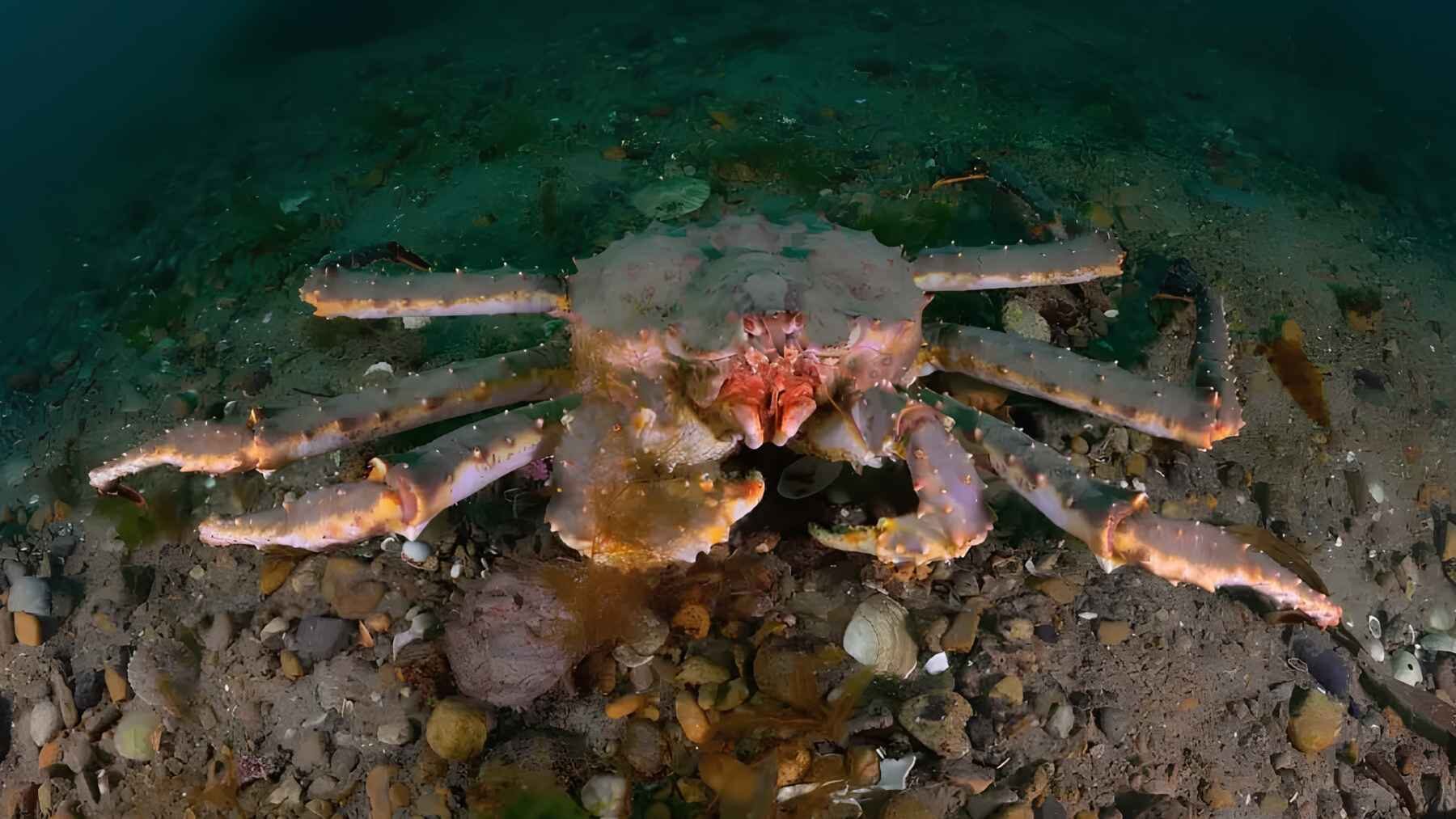
Red king crab (Paralithodes camtschaticus) on the Barents Sea seafloor after becoming one of the world's most successful marine invasive species.

Soviet scientists released giant red king crabs into the Barents Sea in the 1960s to build a fishery, but decades later those invaders are still changing the seafloor

—
July 27, 2026 at 10:15 AM
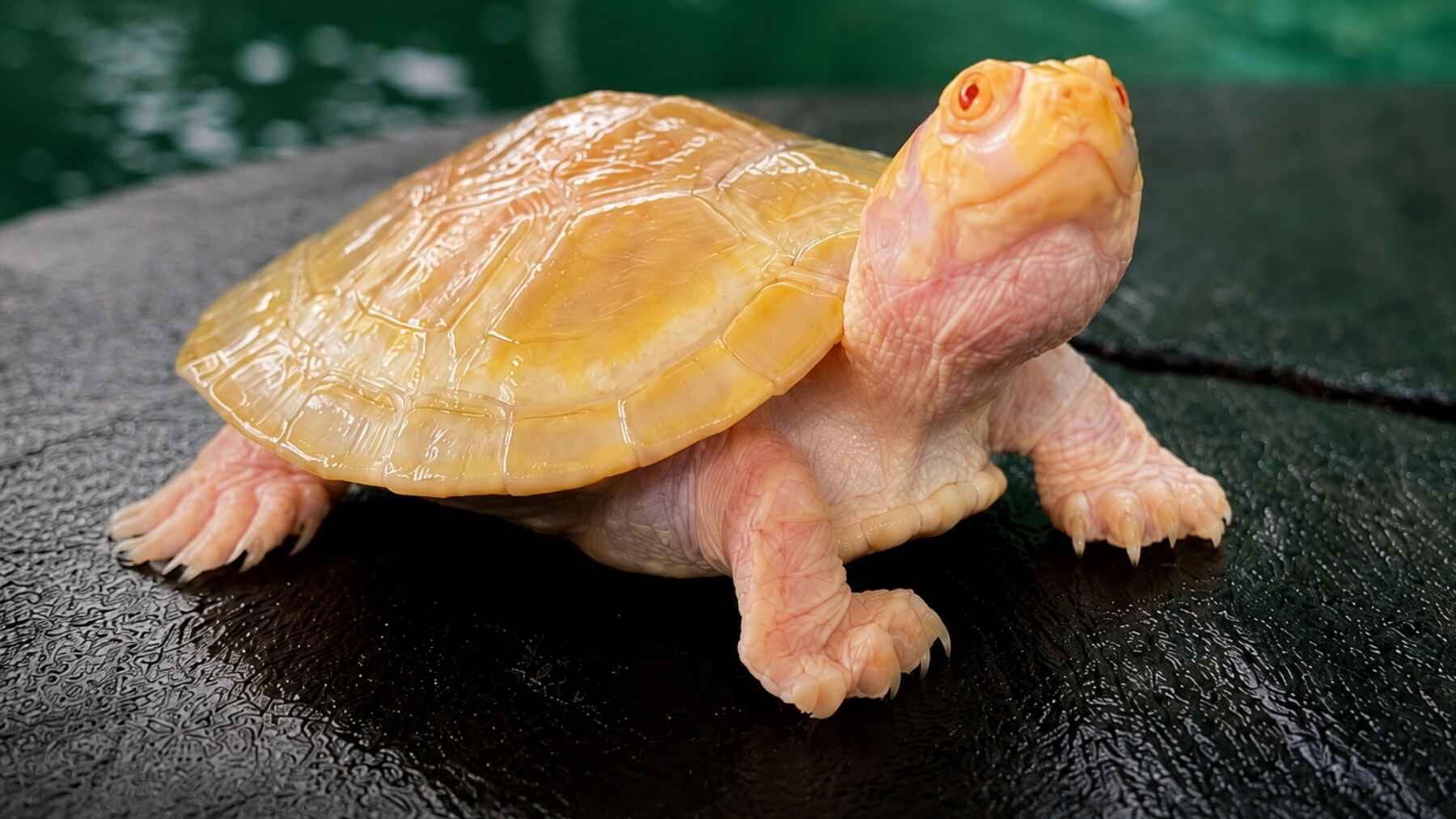
Albino yellow-spotted Amazon river turtle (Podocnemis unifilis) hatchling photographed after its rare discovery in Bolivia's Manuripi National Wildlife Reserve.

A tiny albino river turtle was born in Manuripi and amazed the Bolivian Amazon again, a rare discovery that looks like a white signal in the middle of the forest

—
July 27, 2026 at 8:45 AM
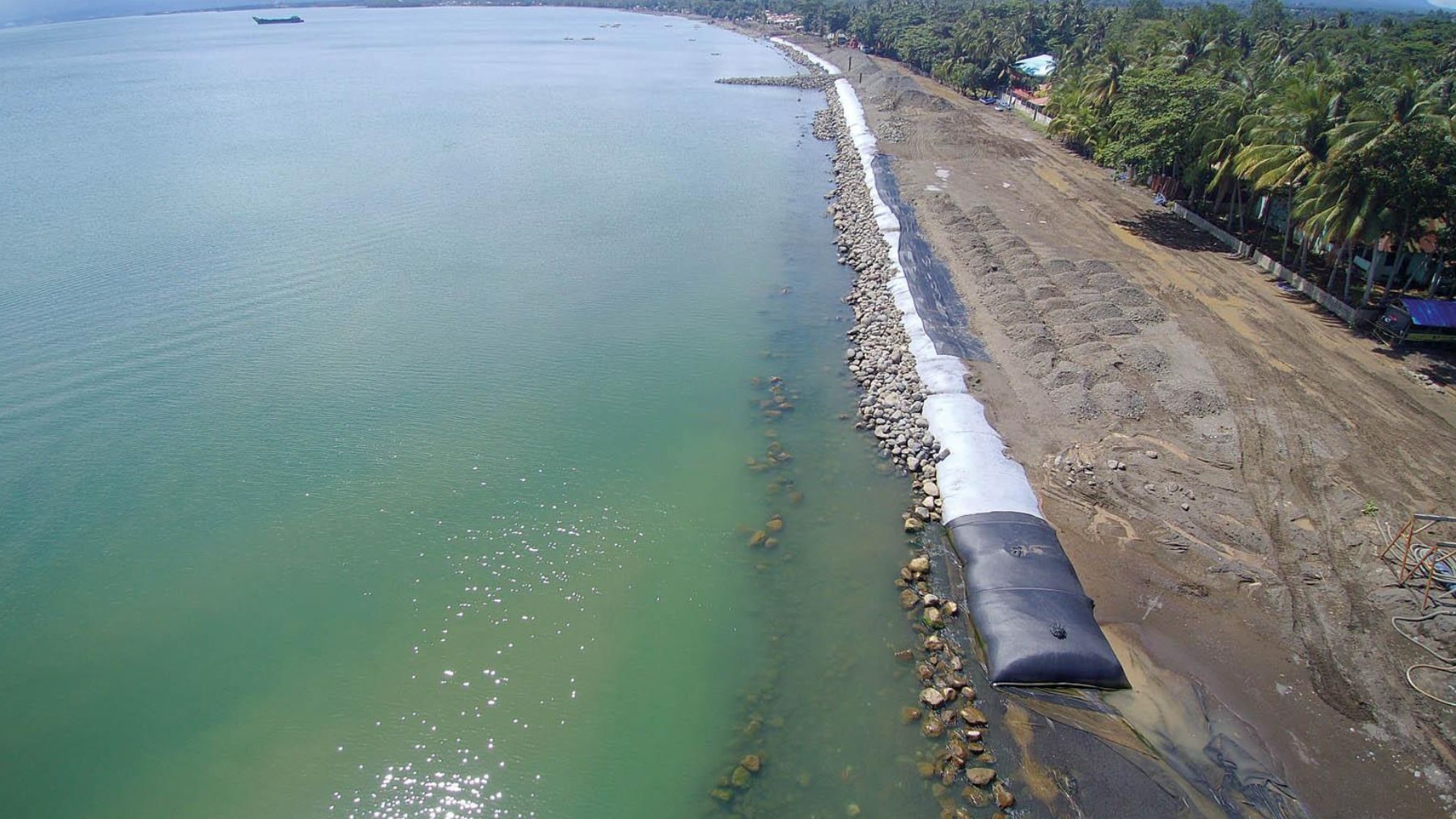
Aerial view of the geotube coastal protection project in Poonthura, India, designed to reduce wave energy and rebuild eroding beaches.

India is sinking giant fabric tubes filled with sand 20 ft. underwater to create an invisible barrier against waves and try to rebuild beaches that are disappearing

—
July 27, 2026 at 6:36 AM
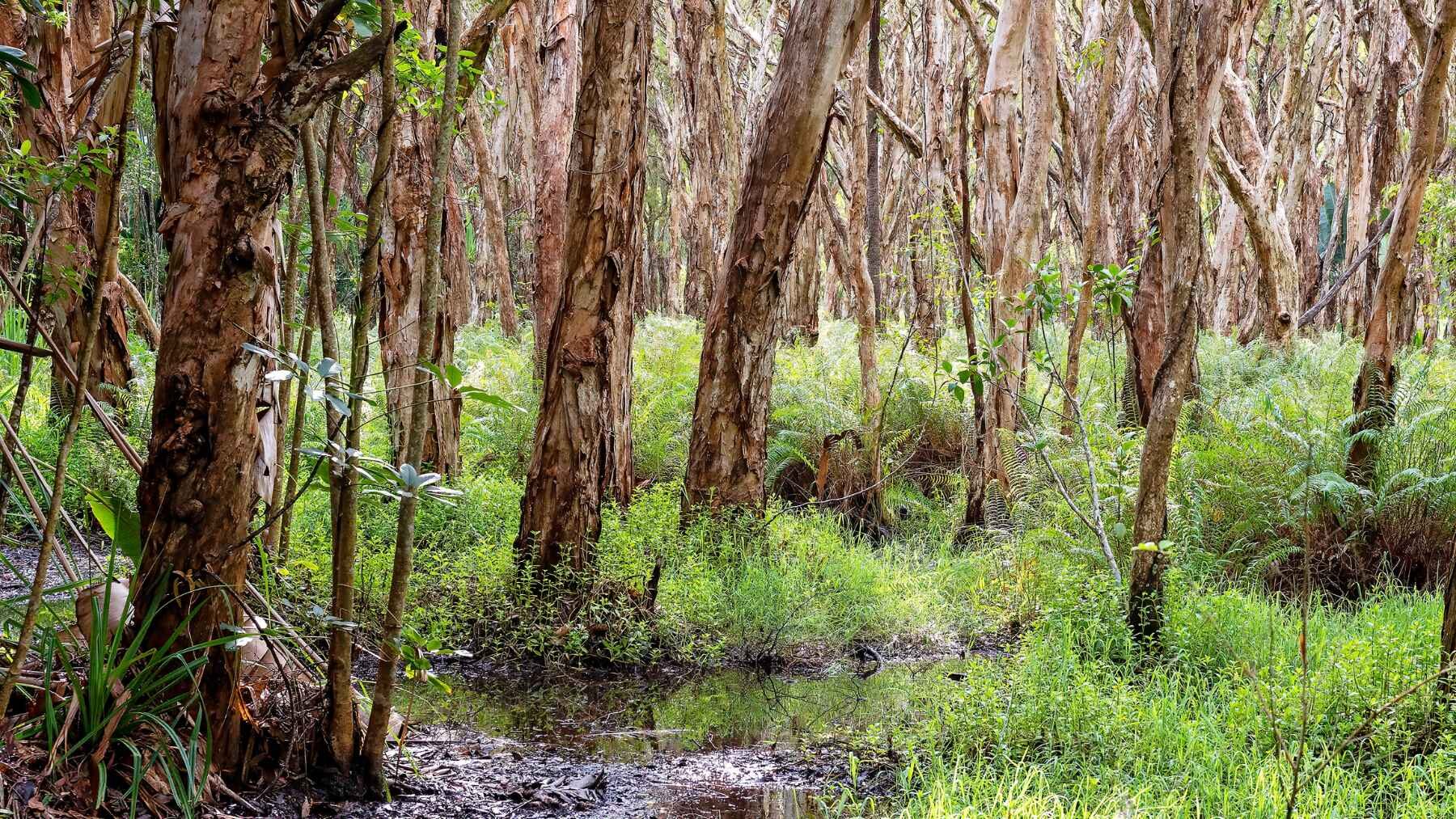
Dense forest of invasive Australian melaleuca trees growing across wetlands in the Florida Everglades.

The United States planted Australian melaleuca trees in 1906 to drain Florida wetlands, and now they have invaded nearly 500,000 acres, changing fire, water, and native life

—
July 26, 2026 at 6:30 PM
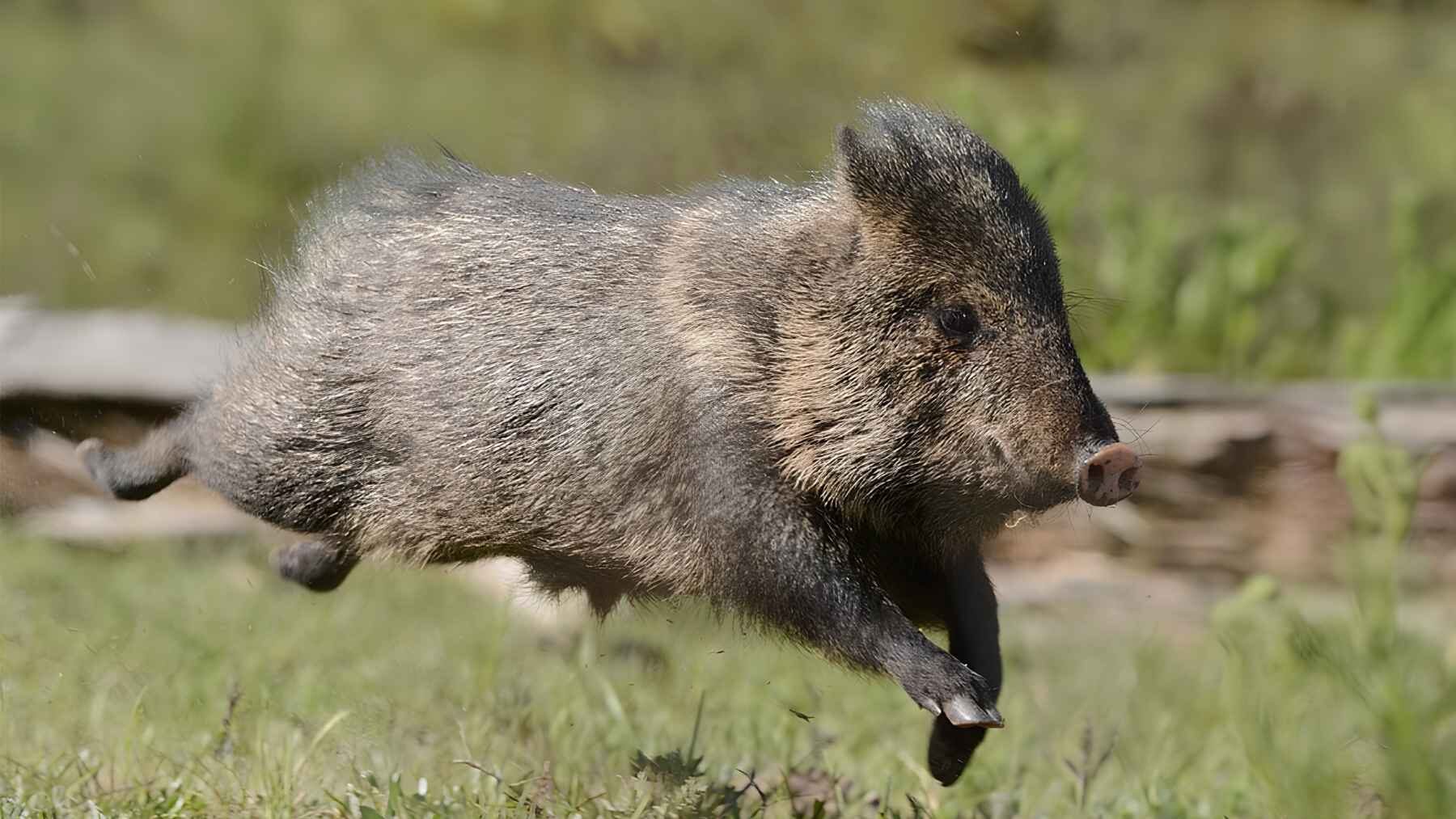
A collared peccary (Pecari tajacu) running through grassland after returning to the wild in Uruguay.

A species extinct for more than 100 years has returned to the fields and moved conservationists, one of those rare stories where nature seems to get a second chance

—
July 26, 2026 at 5:00 PM
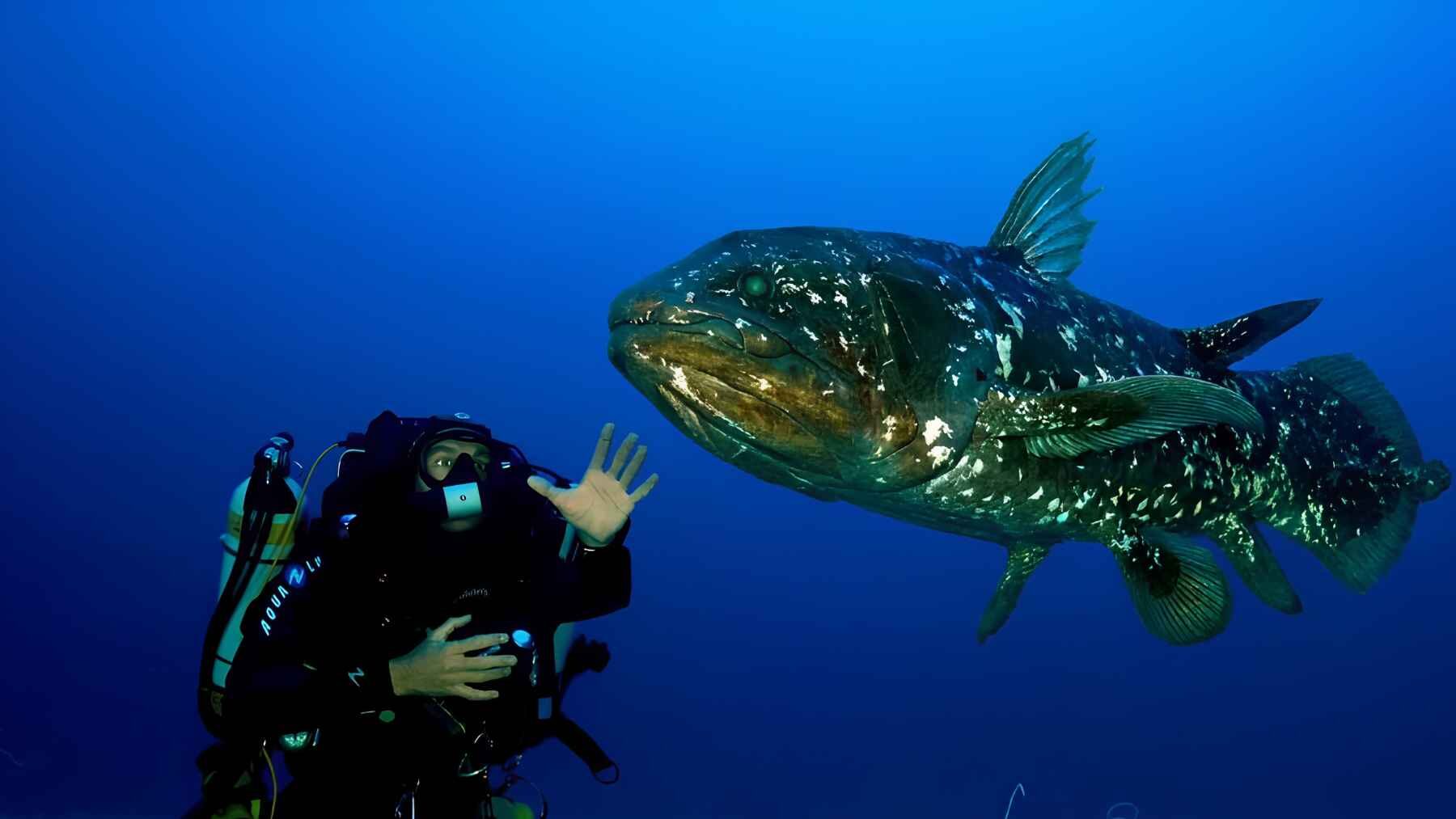
A diver swims beside a West Indian Ocean coelacanth, showing the remarkable size of the ancient deep-sea fish.

A fisherman in Anjouan accidentally pulled up a coelacanth, the prehistoric-looking fish that seemed like a living fossil hidden in deep waters and still leaves people stunned

—
July 25, 2026 at 6:30 AM
Previous Next

ECOnews alerts

Get the most relevant environment stories as soon as we publish them

ECOnews is the English-language edition of ECOticias.com, focused on environmental and sustainability news for a global audience: mobility, energy, economy, technology, science, environment and trending stories.

© 2026 ECOnews · ECOticias.com, the green newspaper since 2004 ↑ Top