Environment
Wildlife, oceans, forests, climate and conservation
In Environment, ECOnews covers wildlife and biodiversity, oceans, forests, climate change, pollution, recycling and conservation. Surprising stories from around the planet that explain how nature works and how people are changing it.
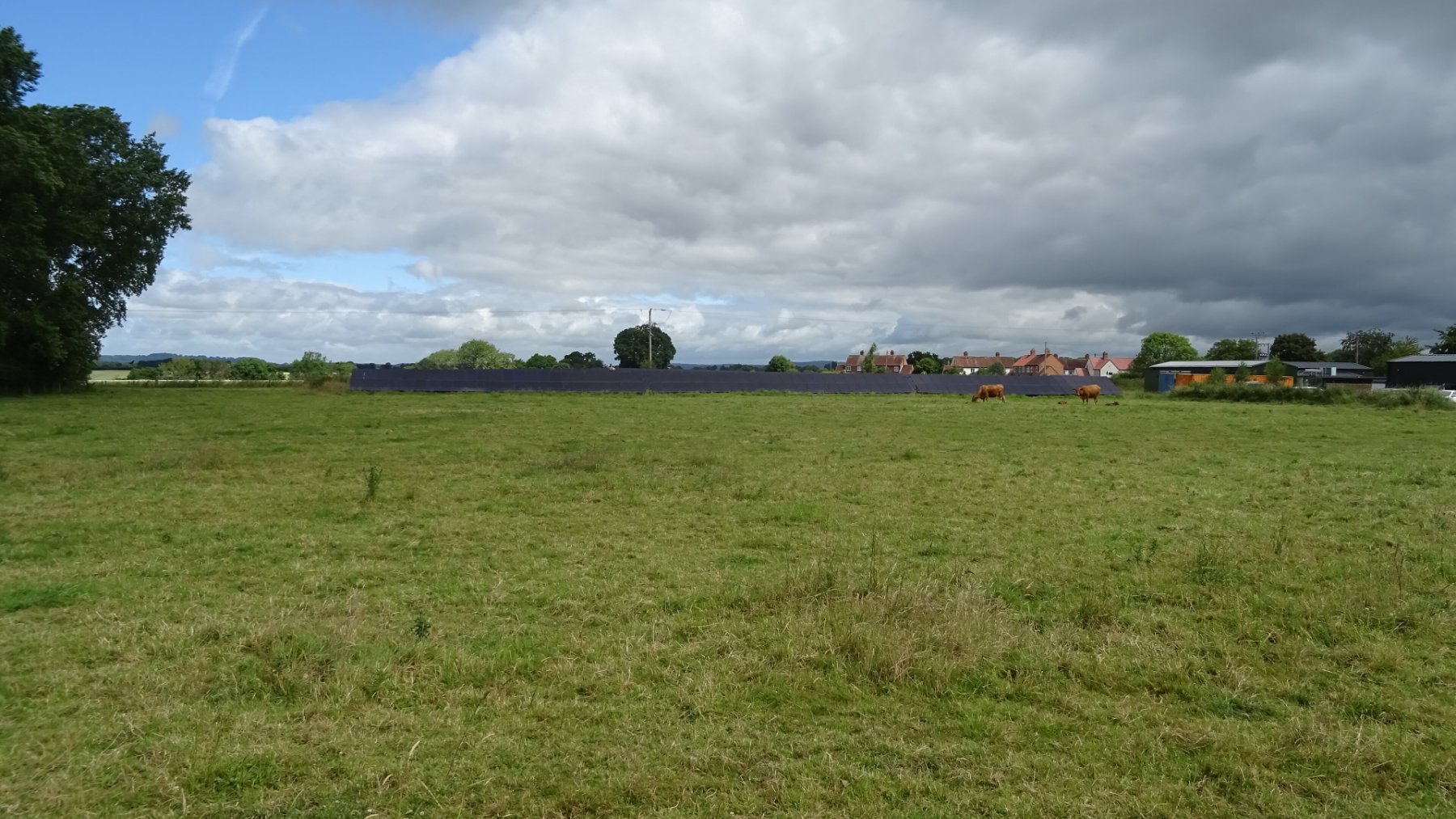
A Tennessee solar farm is testing cattle beneath moving panels, using a special “grazing mode” to create safer clearance for cows and calves while still generating enough electricity for roughly 500 homes, a commercial test of whether farming and solar power can truly share the same land
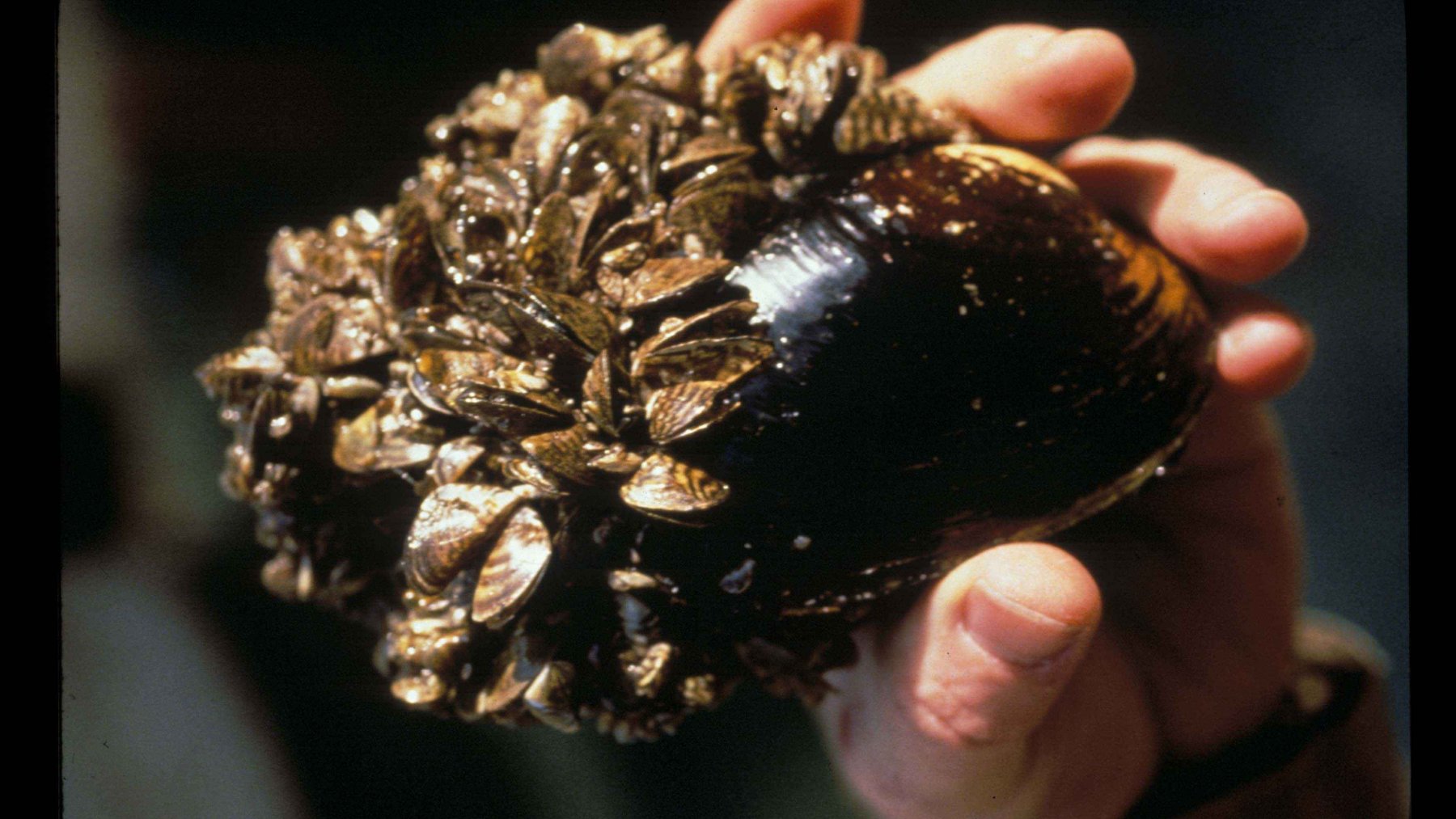
Three intake gates at South Dakota’s Gavins Point Dam emerged from the Missouri River carrying about 75,000 pounds of zebra mussels and debris, revealing how a tiny invasive species can clog cooling systems and threaten hydropower serving roughly 68,000 homes
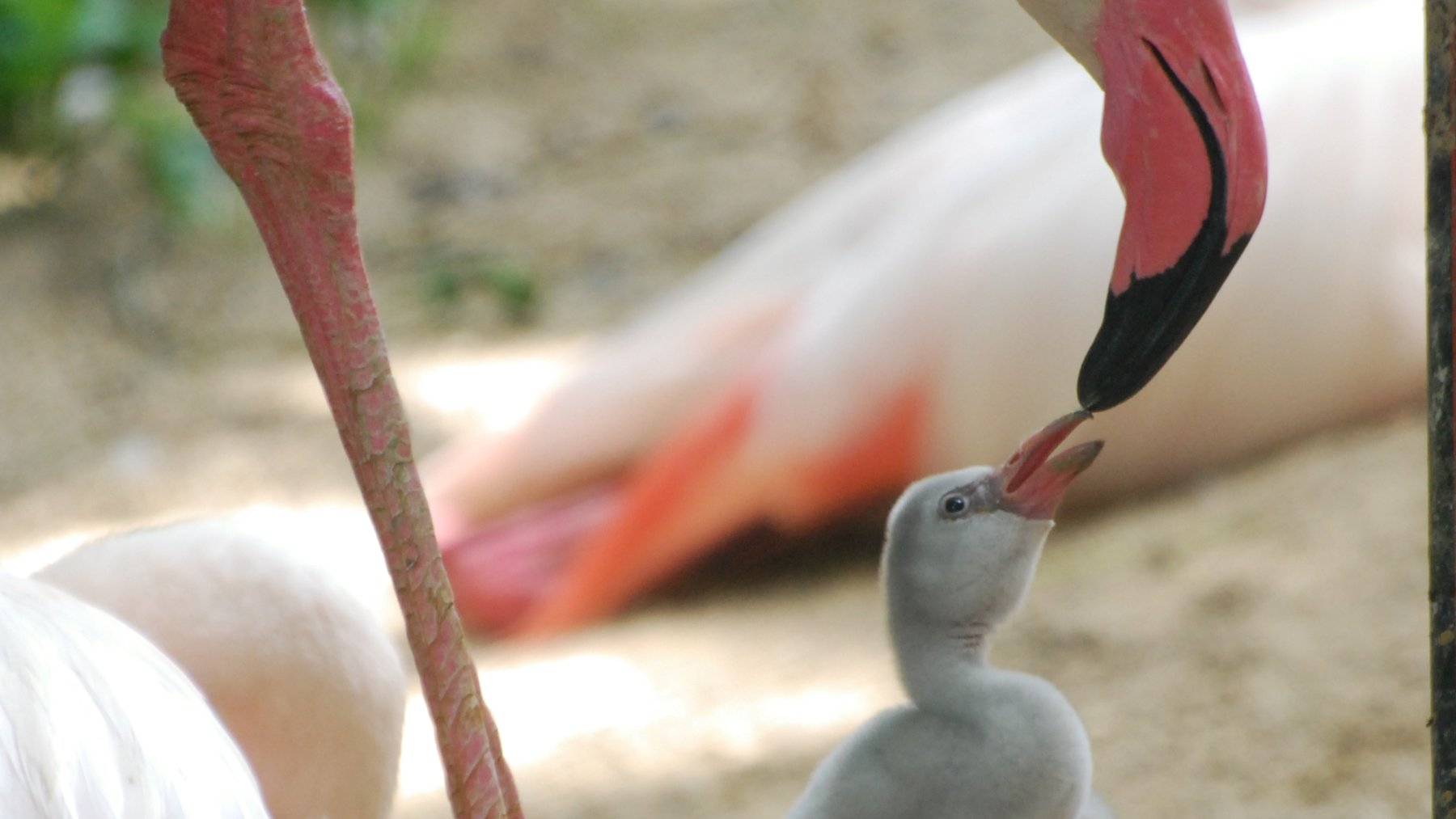
Nine flamingo chicks at the Smithsonian’s National Zoo are revealing one of bird parenting’s strangest sacrifices: both mothers and fathers produce nutrient-rich red “crop milk” that can drain so much pigment from their bodies that the famously pink adults temporarily fade to nearly white
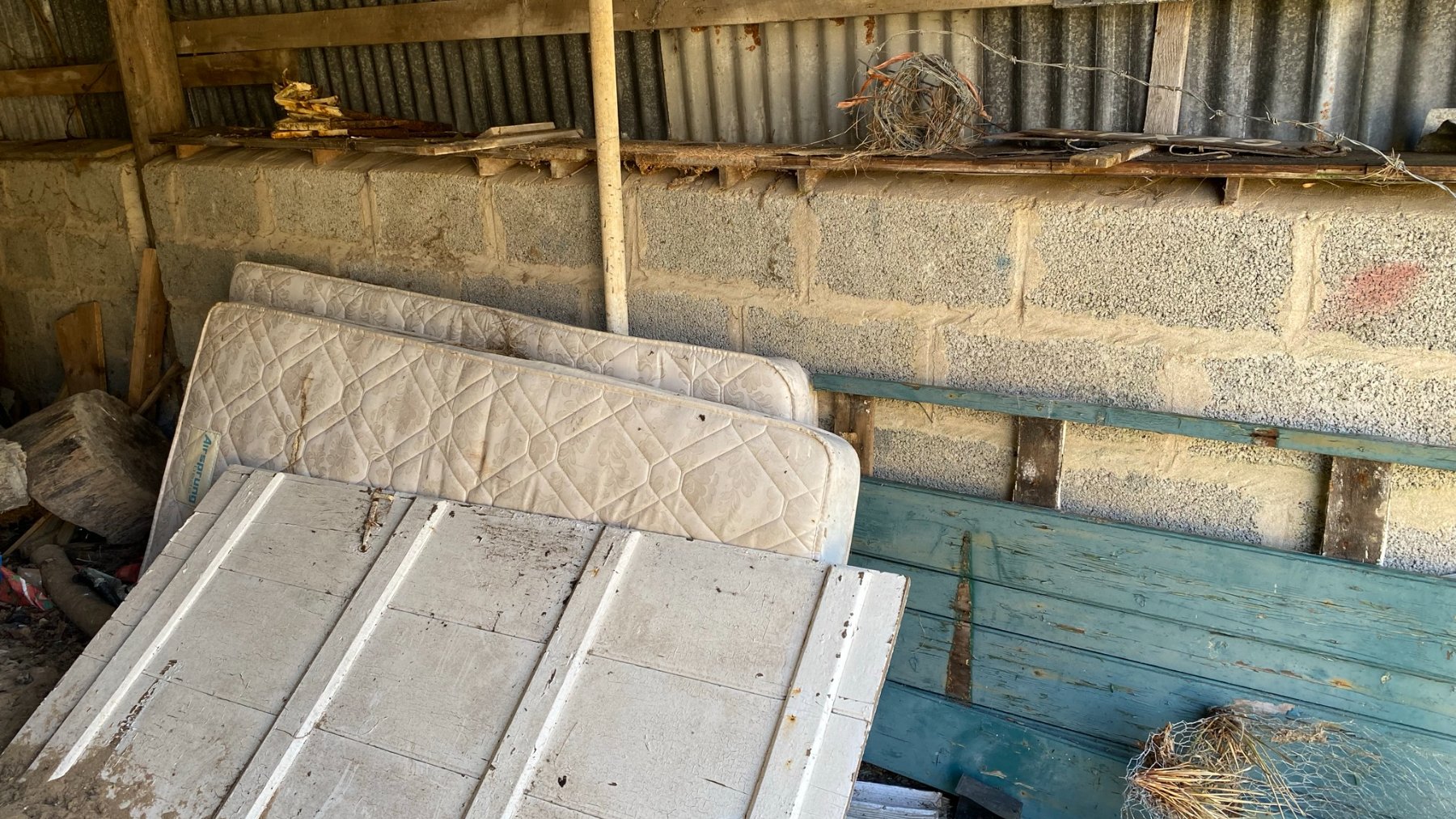
Americans throw away an estimated 50,000 mattresses every day even though more than 75% of their components can be reused, and Oregon’s first full year of statewide collection kept 134,000 mattresses and box springs out of the waste stream while recovering 5.9 million pounds of material
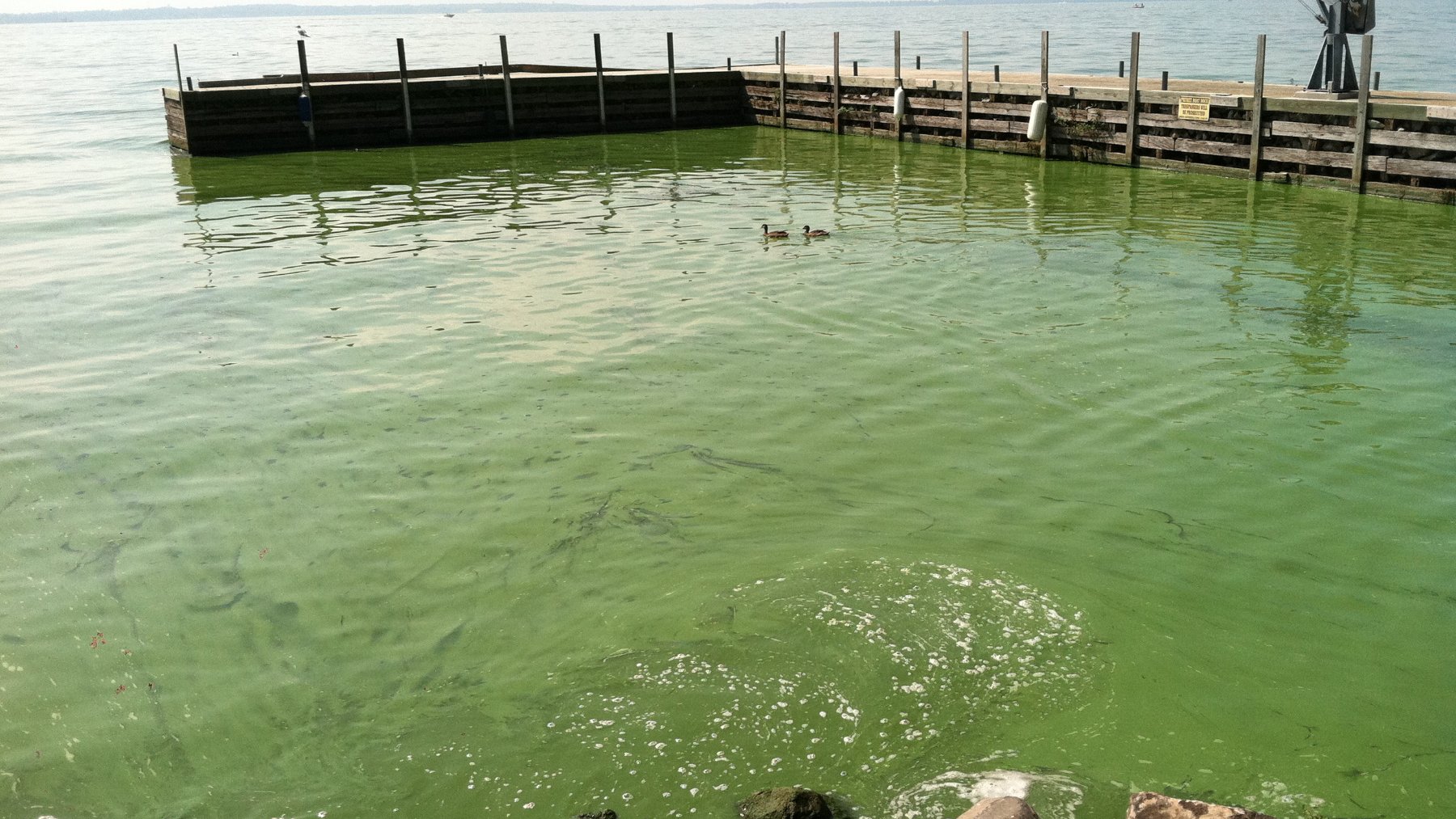
Scientists found fish crowding along the edges of Lake Erie’s oxygen-starved “dead zones,” creating unusually large catches that can make populations look healthier than they really are and potentially distort estimates used to prevent overfishing
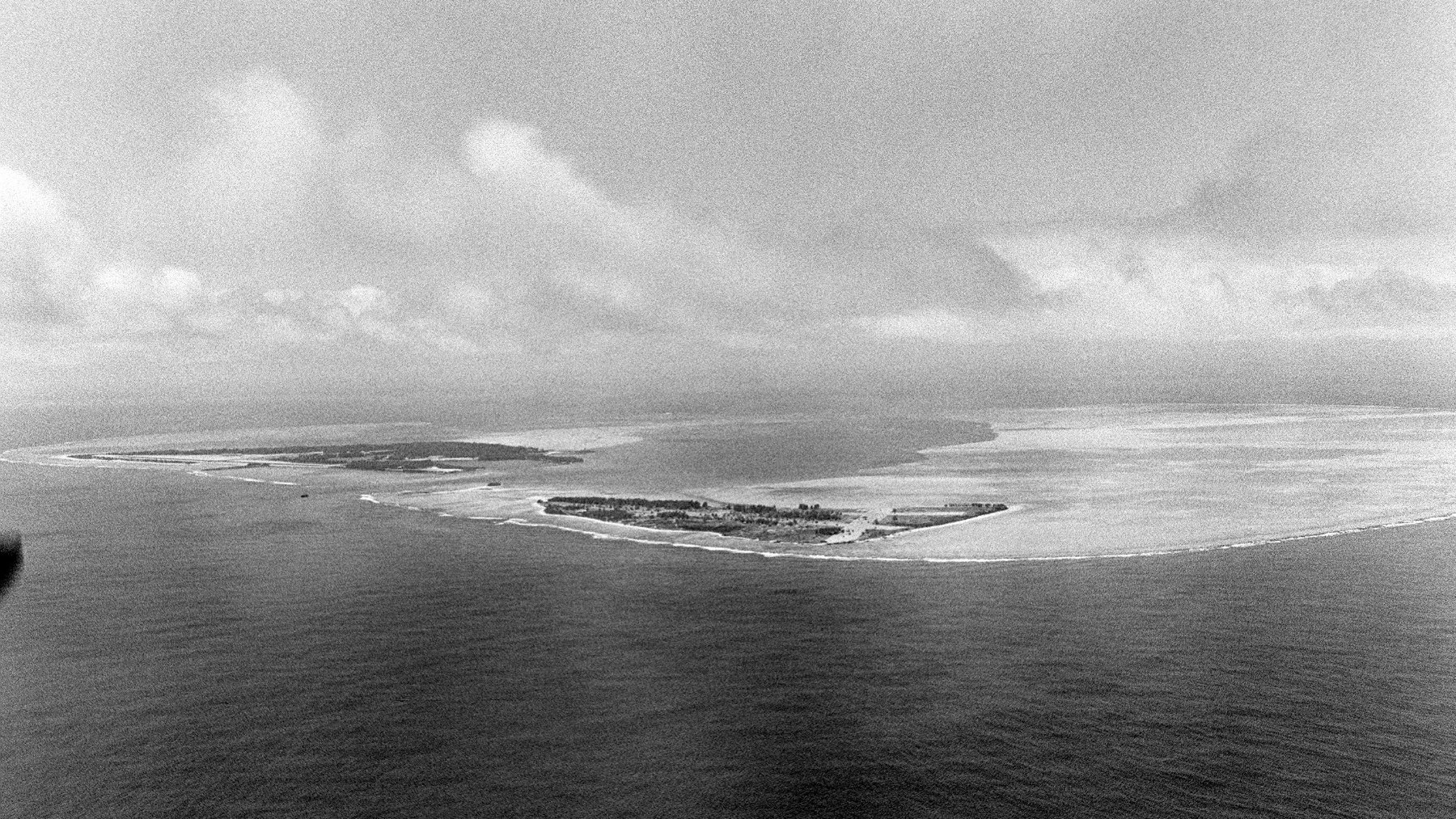
Atolls can take up to 30 million years to form and now support about 1 million people and 31 million seabirds, but rising seas reveal a surprising paradox because some islands are still growing even as flooding and saltwater threaten to make them increasingly difficult places to live
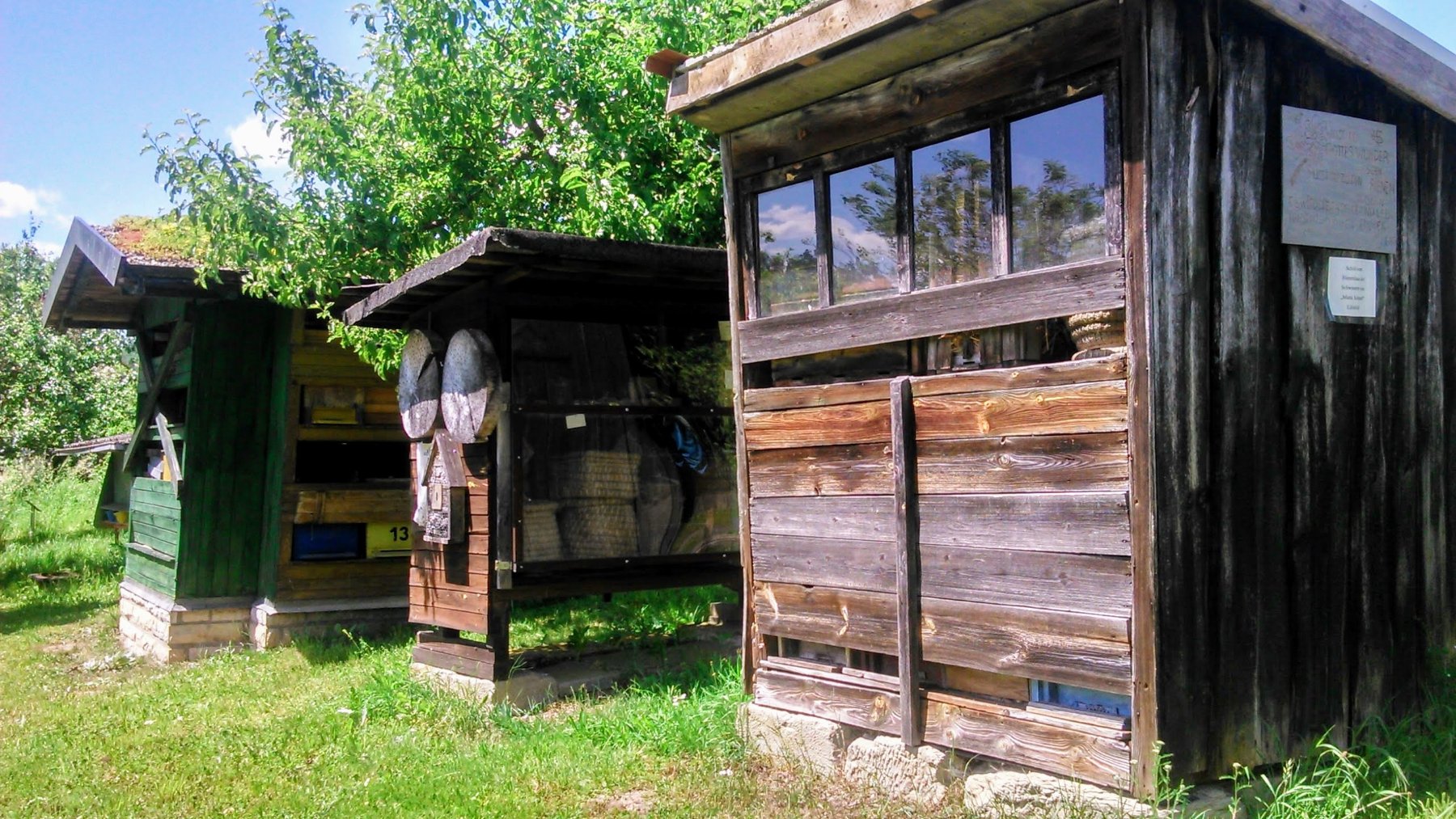
A truck carrying 70,000 pounds of beehives overturned in Washington and released an estimated 14 million bees, but instead of destroying the colonies responders gave them up to 48 hours to regroup around their queens, inspiring a new 10-page emergency plan for future bee spills
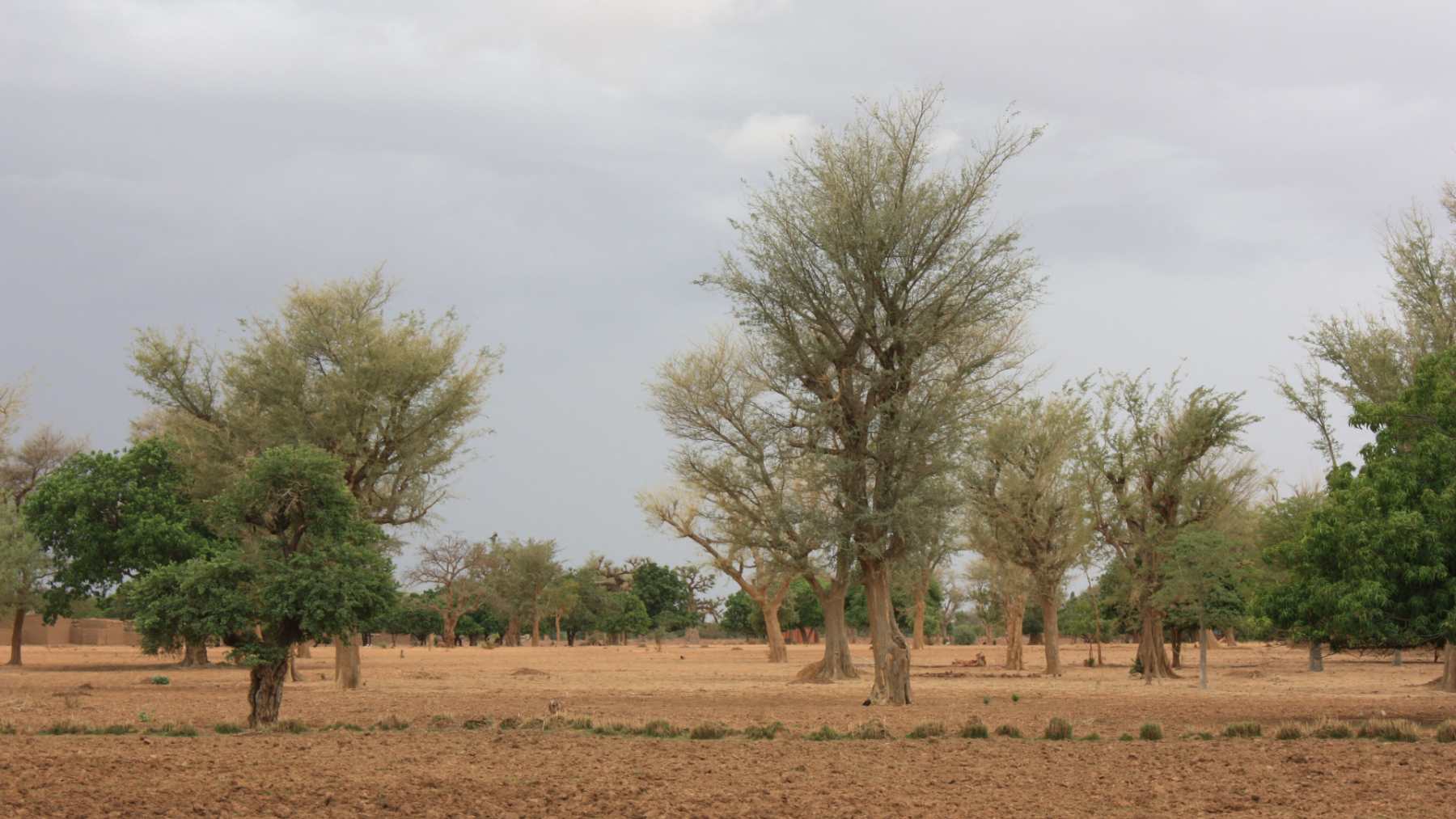
An Australian agronomist watched almost every seedling he planted in Niger die, until he noticed that the shrubs growing in the fields were living stumps, and that single observation regenerated 5 million hectares before the Great Green Wall existed
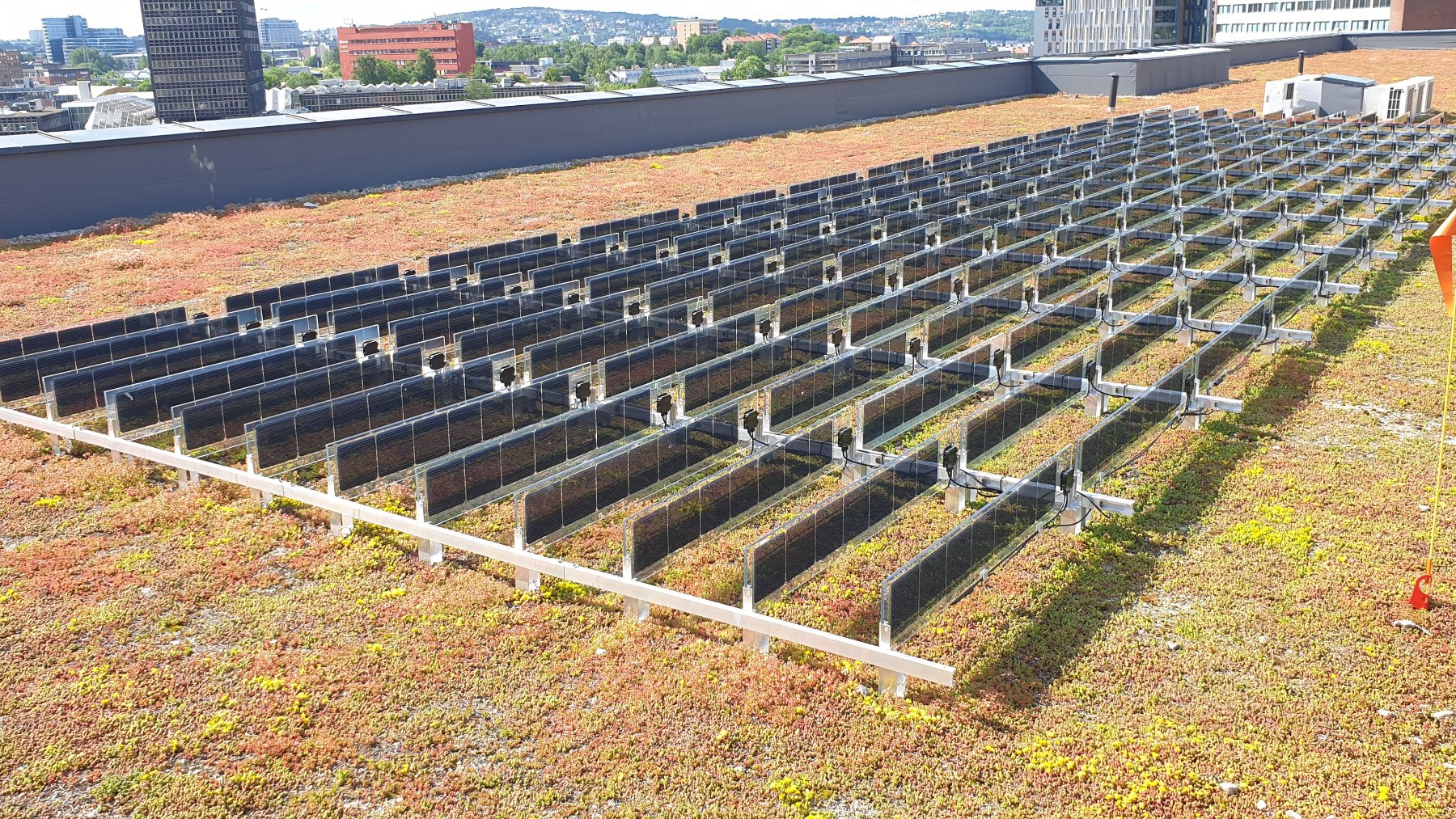
A Queens rooftop is combining a living green roof with roughly 100 kW of solar panels standing vertically like books, a design expected to generate about 120,000 kWh a year while leaving sunlight, rain, and maintenance access for the plants underneath
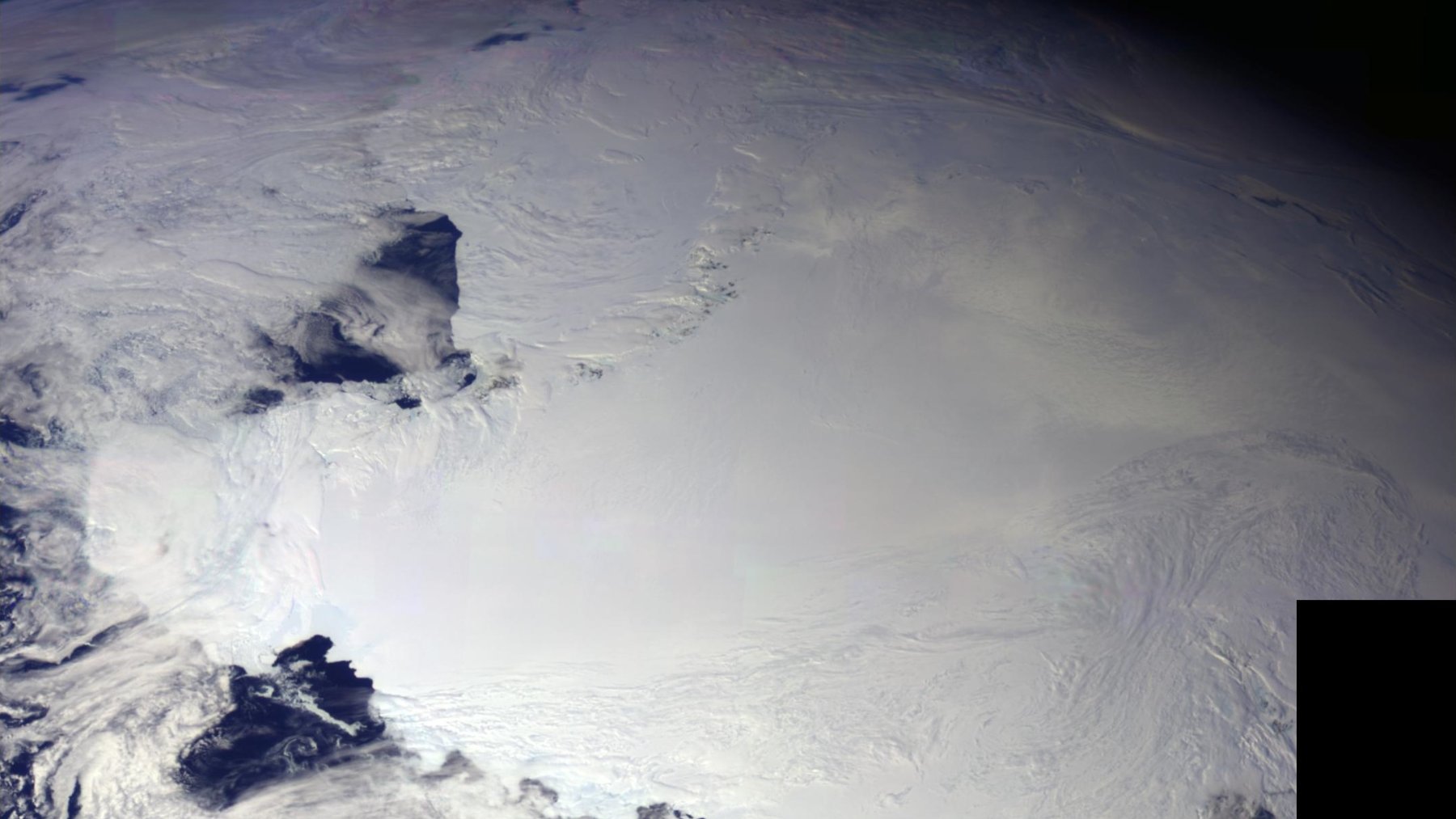
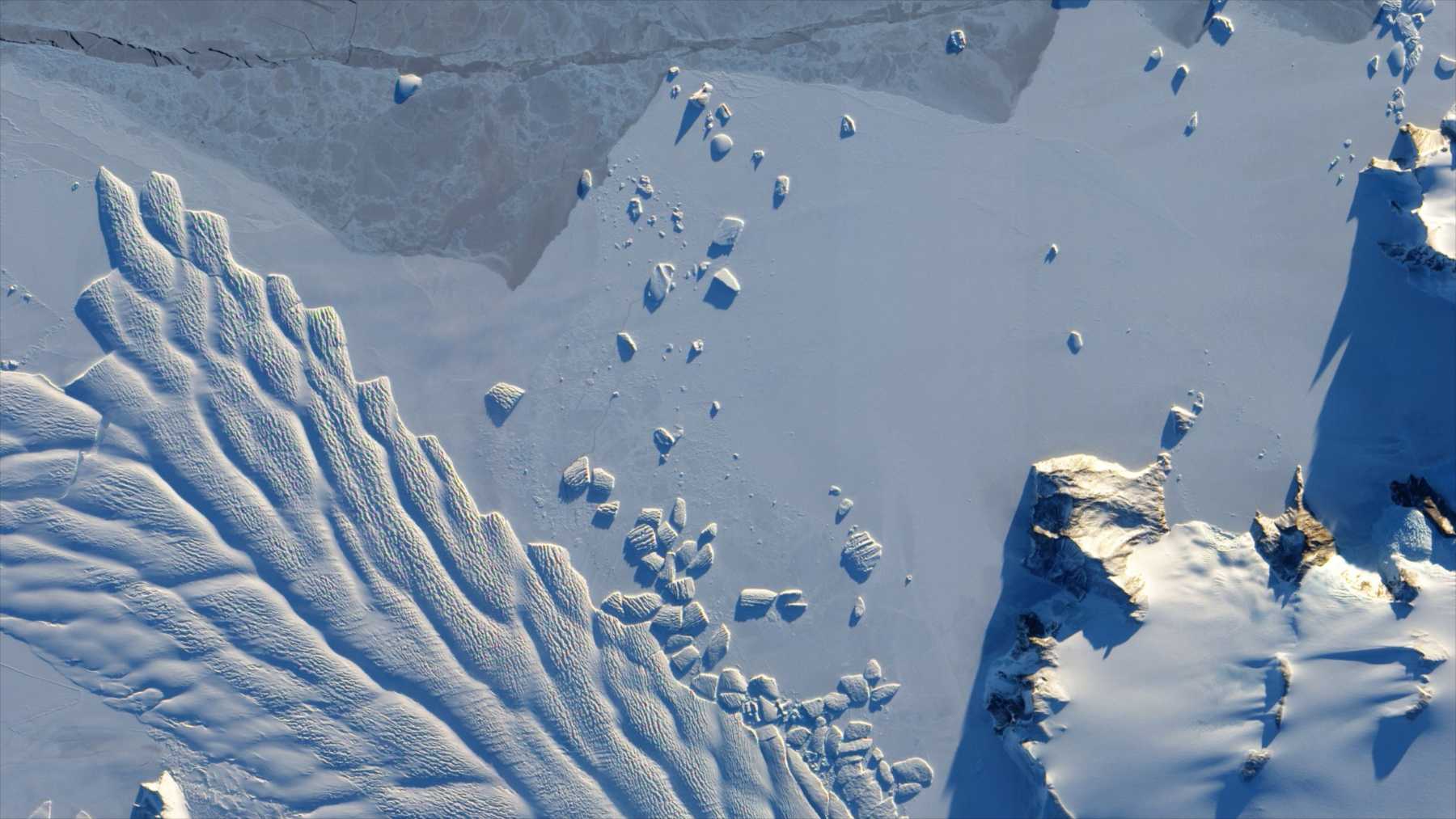
The Ross Ice Shelf is roughly the size of Spain and acts as a giant brake on Antarctic glaciers, but scientists monitoring beneath its hundreds of meters of floating ice have found warm summer water can nearly triple melting in vulnerable areas hidden from view
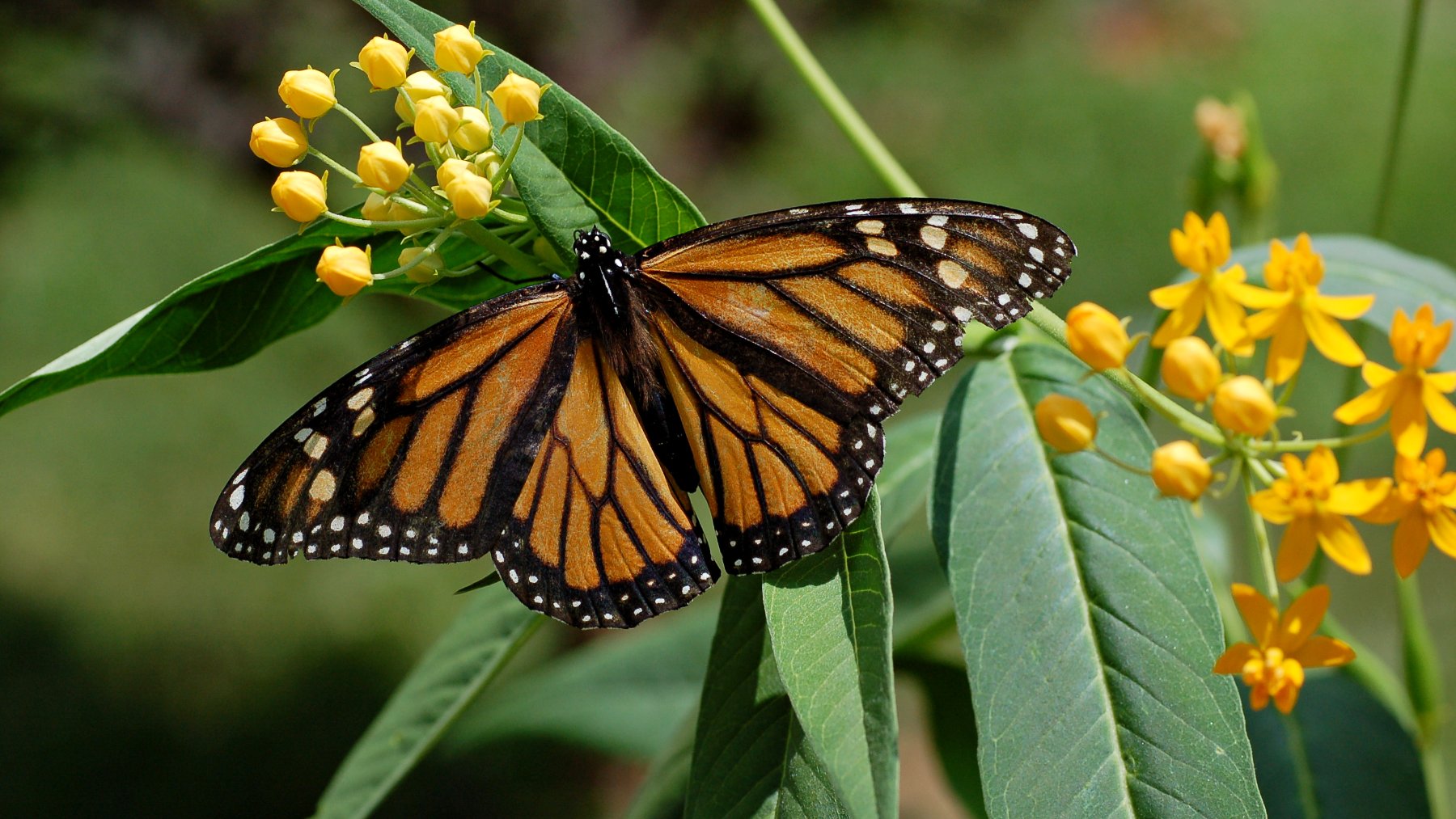
Florida researchers are planting up to 15,000 native milkweeds along North Florida roadsides through 2029, turning overlooked highway land into potential feeding and breeding habitat where monarch butterflies have already begun using the new plants
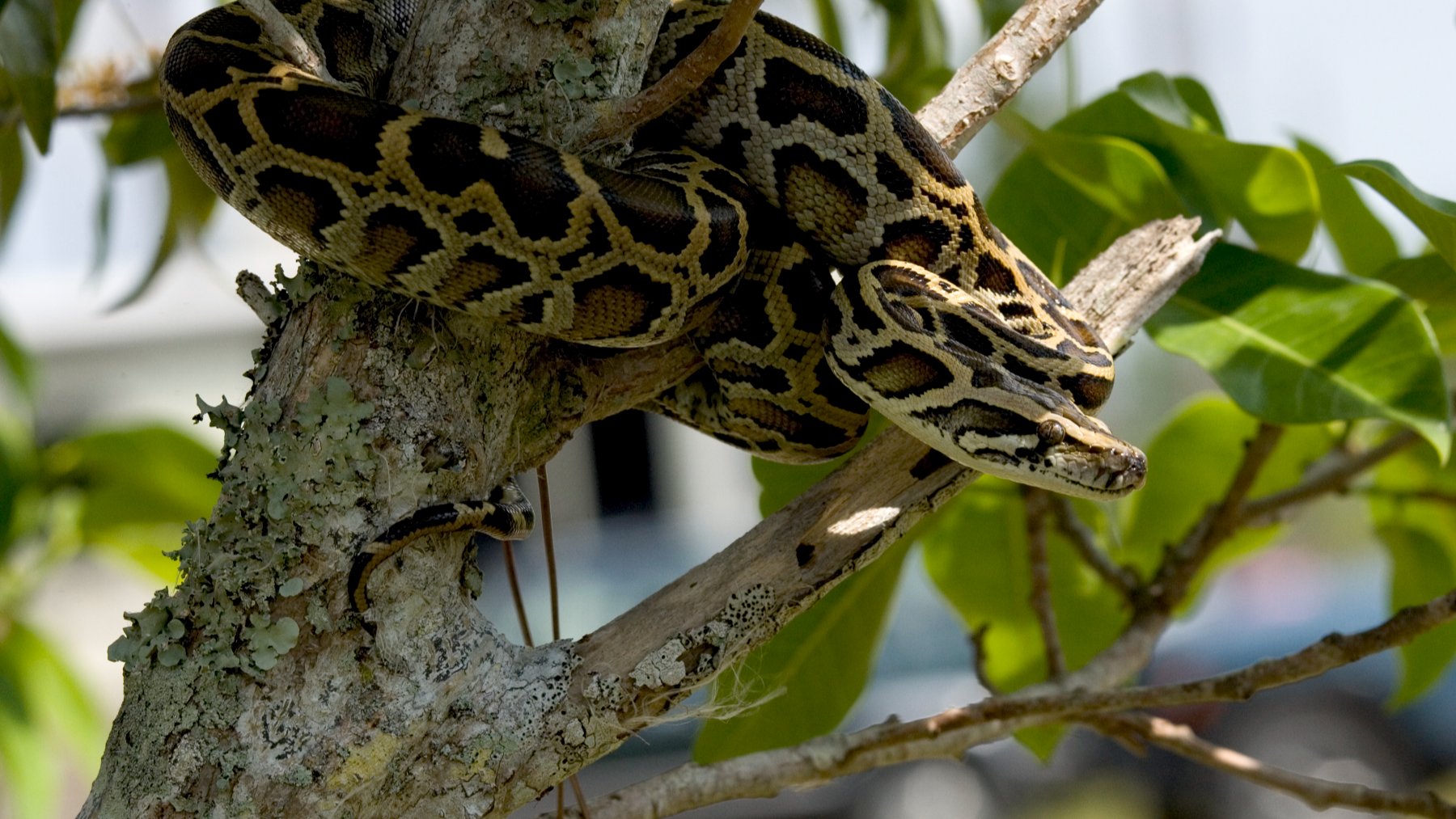
Biologists removed 177 Burmese pythons weighing more than 8,000 pounds from just 200 square miles of Florida, but the bigger blow may have been stopping roughly 4,100 eggs from hatching into another generation of invasive predators
Antarctica gained 695 billion tons of ice in less than two years, the largest increase in the satellite record, and the cause was warm tropical water thousands of miles away that changes nothing about where the continent is heading
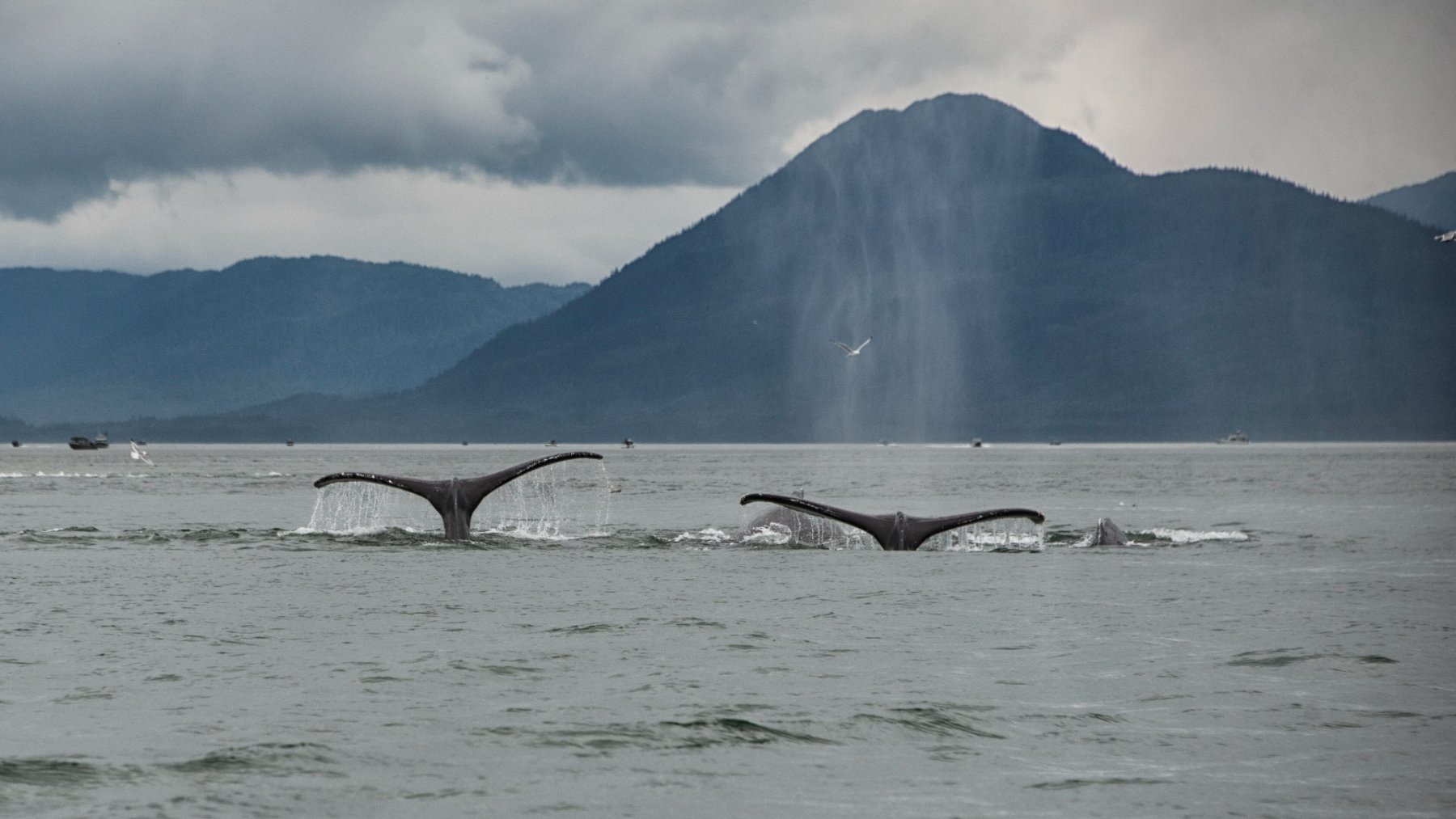
A juvenile humpback whale in Alaska was trapped by two 800-pound crab pots anchored to the seafloor, and after five hours rescuers made four carefully placed cuts that freed the animal to swim away, although a piece of rope remained threaded through its mouth
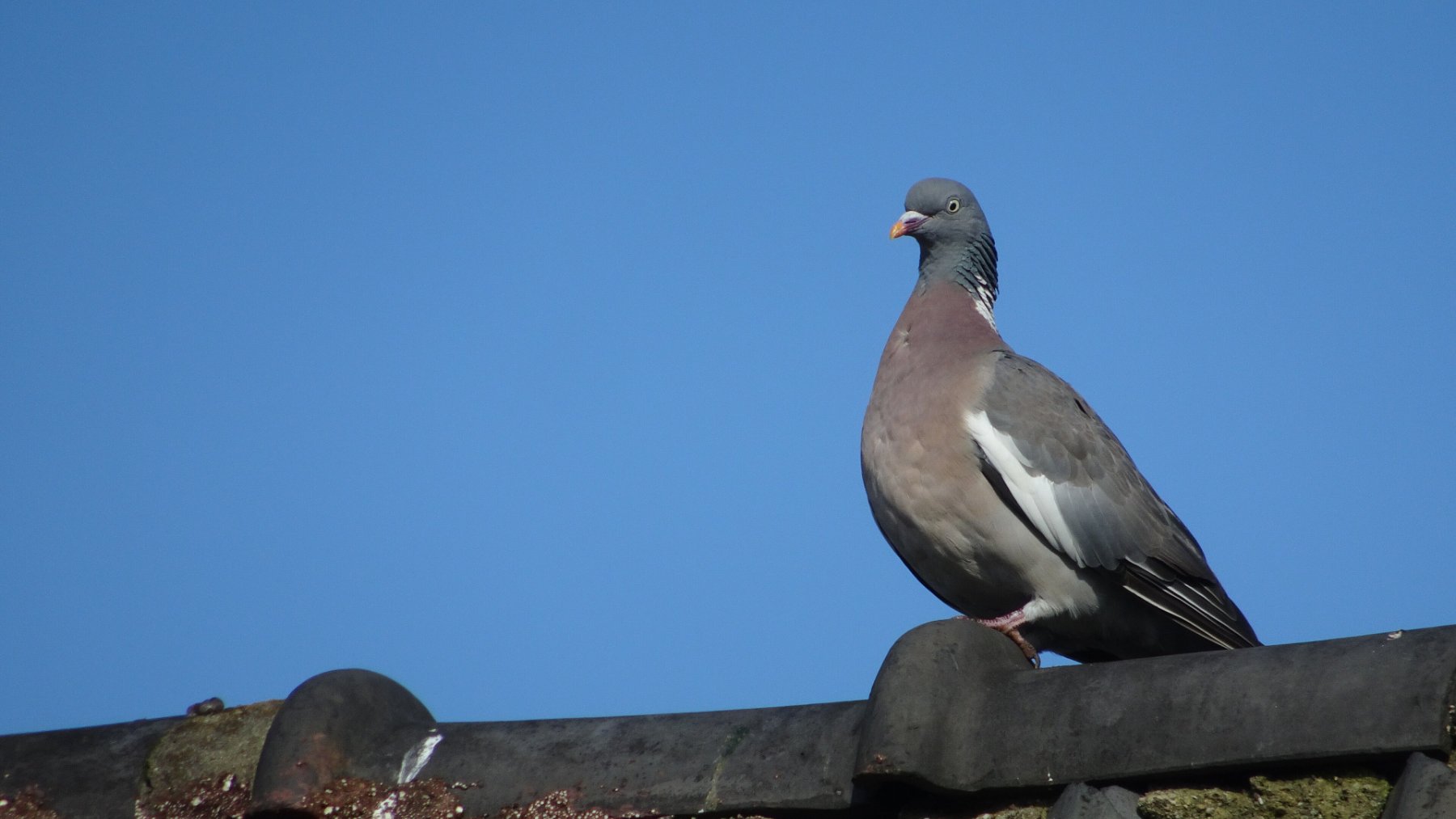
Phoenix homeowners are discovering that the shaded gap beneath rooftop solar panels can become a nesting spot for pigeons, and experts say a simple mesh barrier may work better than ultrasonic gadgets while protecting airflow and keeping droppings from reducing solar output
Two beavers released in Dorset built a 115-foot dam in a single year and turned a shaded wood into a wetland where an otter fishes and a barn owl hunts, and the dam is still holding water through the drought
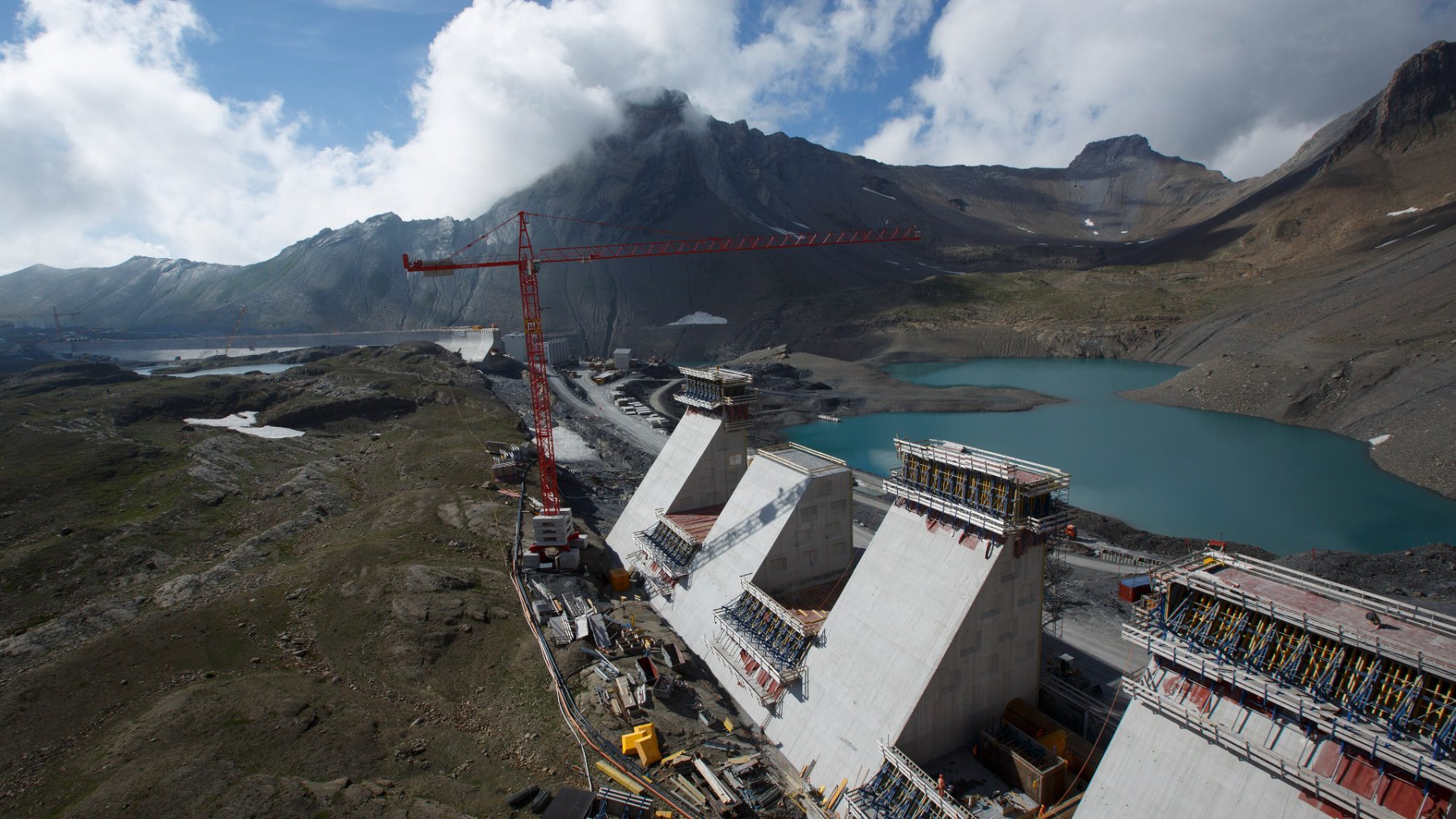
Engineers hung 4,872 solar panels on a Swiss dam 8,200 feet above sea level while leaving a five-foot corridor behind them for inspections, and the first measured year showed the mountain installation produced 43% of its electricity during the winter half of the year
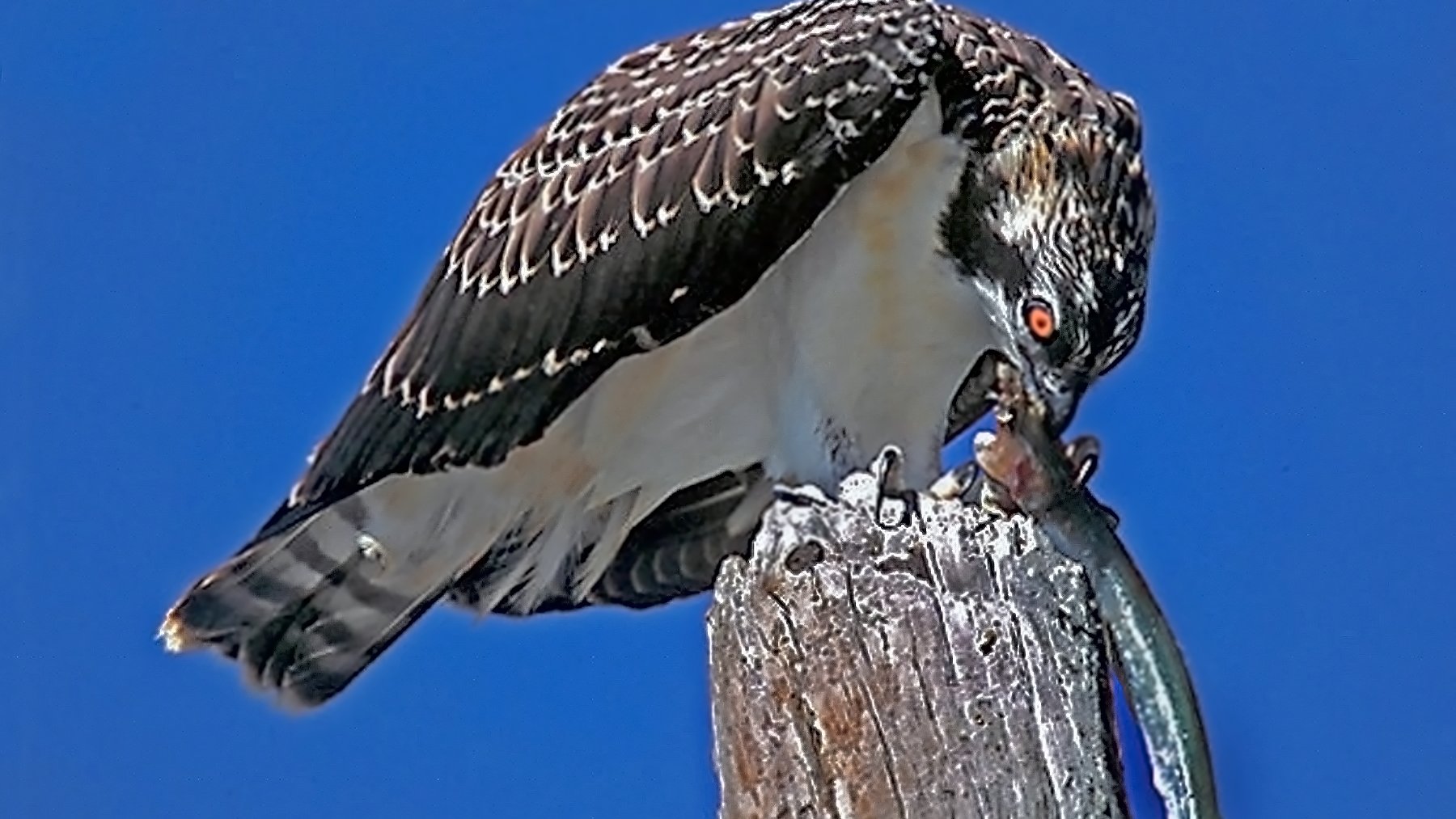
Rescuers found a young osprey stranded near the shoreline in New York after dark, and despite its four-foot wingspan the bird was still dependent on its family, so they sheltered it through bad weather before returning it to the beach a few days later