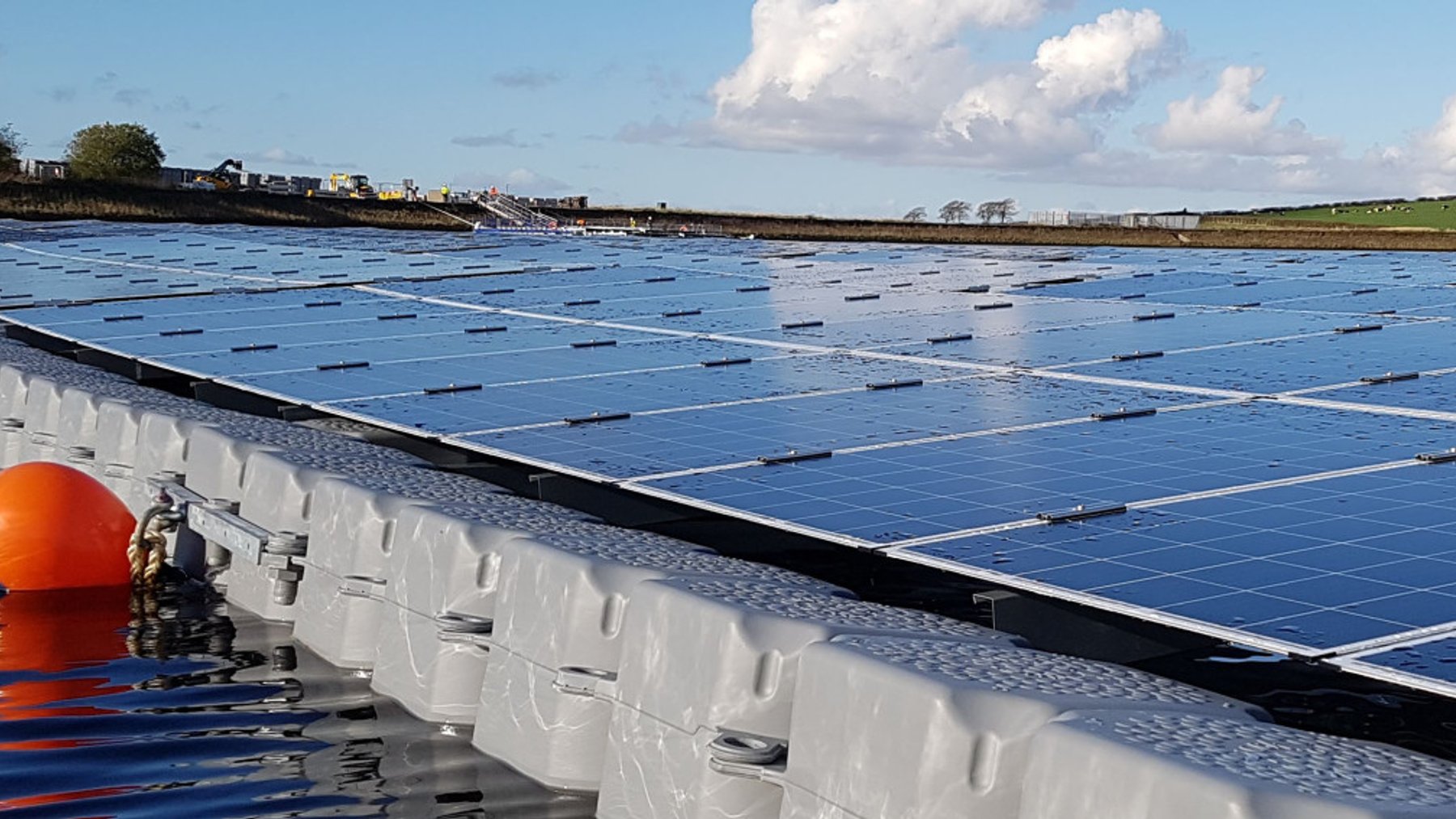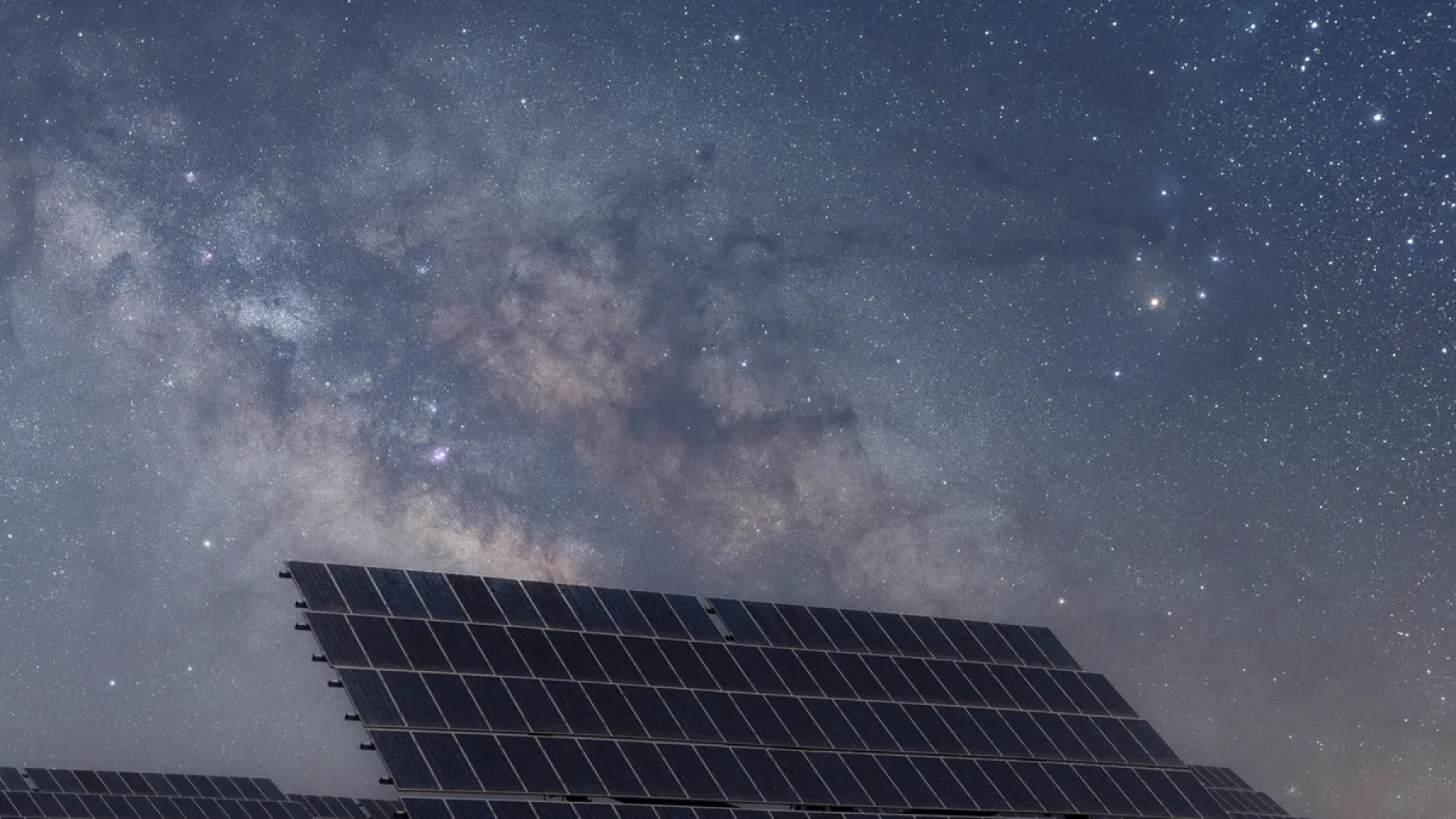
The Stanford University researchers invented solar panels that can produce electricity at night by taking advantage of the phenomenon of radiative cooling. It is the transformation innovation for sustainable energy, especially for off-grid applications, at a very early stage.
Conversion of night skies into power supplies by means of radiative cooling
Radiative cooling occurs naturally when heat moves away from a surface, particularly on a clear night, during which Earth radiates infrared energy away to space. This temperature difference – that which can be established between an object and the air surrounding it – can also be used to produce electricity from it.
Researchers attached thermoelectric generators to modified commercial solar panels to collect this dissipating heat for quite small amounts of usable power. The altered panels yield 50 milliwatts per square meter at night.
While this is much less than the performance of 200 watts per square meter generated by typical solar panels for a day, it is still humid enough for tiny devices such as LEDs and environmental sensors. The lead researcher from Stanford, Shanhui Fan, said that although it is very modest energy generation, there is significant potential for improvement.
Continued with the design and efficiency of these panels, they can meet nighttime energy demands as an excellent complement to regular solar energy. In fact, the process is fulfilled by a rather clear night sky because cloud covers reflect infrared light back to the Earth, thus reducing its cooling.
On clear nights, solar panel units can achieve temperatures several degrees below those of ambient air, thereby creating the conditions for electricity generation. This principle, based on ancient refrigeration technologies, shows how traditional physics can inform modern energy solutions.
Night solar panels: Bridging the gap for access to energy
Nighttime solar panels are not limited merely to generating electricity. For an estimated 770 million people who are currently unelectric in the world, it will offer critical lighting and power solutions in those hard-to-reach areas. Moreover, because this can be retrofitted into existing solar cells, it’ll be perfect and affordable toward improving renewable energy reliability.
Further, it will perhaps minimize the much dependence on batteries, which tend to be mostly expensive and polluting, because of mineral extraction. These would power environmental sensors, IOT devices, and other low-power equipment without batteries giving rise to a reduced ecological footprint from battery manufacture and disposal.
Radiative cooling also opens itself up to a range of applications during the day. SkyCool Systems has used the concept to invent a zero-energy substitute for air-conditioning, while users at ETH Zurich have adapted that principle towards drawing potable water in drought-stricken areas.
The range of applications demonstrates the extensive sustainability applicability of radiative cooling technologies. The advantage improves the reliability of renewable energies from this solar system. Solar energy generation takes place in the absence of sunlight.
Nighttime solar panels would thus bridge the gap during night hours or the shaded periods when sunshine is otherwise unavailable. Thanks to this, solar energy could be adopted much better in areas that have variable cloud cover or cannot enjoy direct sunlight all the time.
Weighing innovation against challenges: The promise of nighttime solar potential
“This breakthrough holds significant promise,” yet cautions experts, such as Geoff Smith-an emeritus professor of applied physics-also negates practical challenges, including complexity and cost. Further research into materials and thermoelectric efficiency will help increase the energy yield as well as its scalability.
Important obstacles will be integration with energy grid systems and storage facilities to enable more widespread adoption of this technology. This, however, could make inexpensive, sustainable energy for those using it in societies where infrastructure is very limited, while for radiative cooling there may be even wider applications-from cooling buildings to food preservation-that can advance global sustainability efforts.
Night solar panels are a great advance in sustainable energy. Researchers have harnessed the ability to radiate off the night sky as a renewable resource. However, there are hurdles, but it has the potential to solve the world’s energy problems and make renewable energy much more reliable.
More efficiency with broader applications may soon be achieved with further studies. Night solar panels improve existing renewable supply systems and show that extra-terrestrial sources can make available potential energy for a more sustainable future.