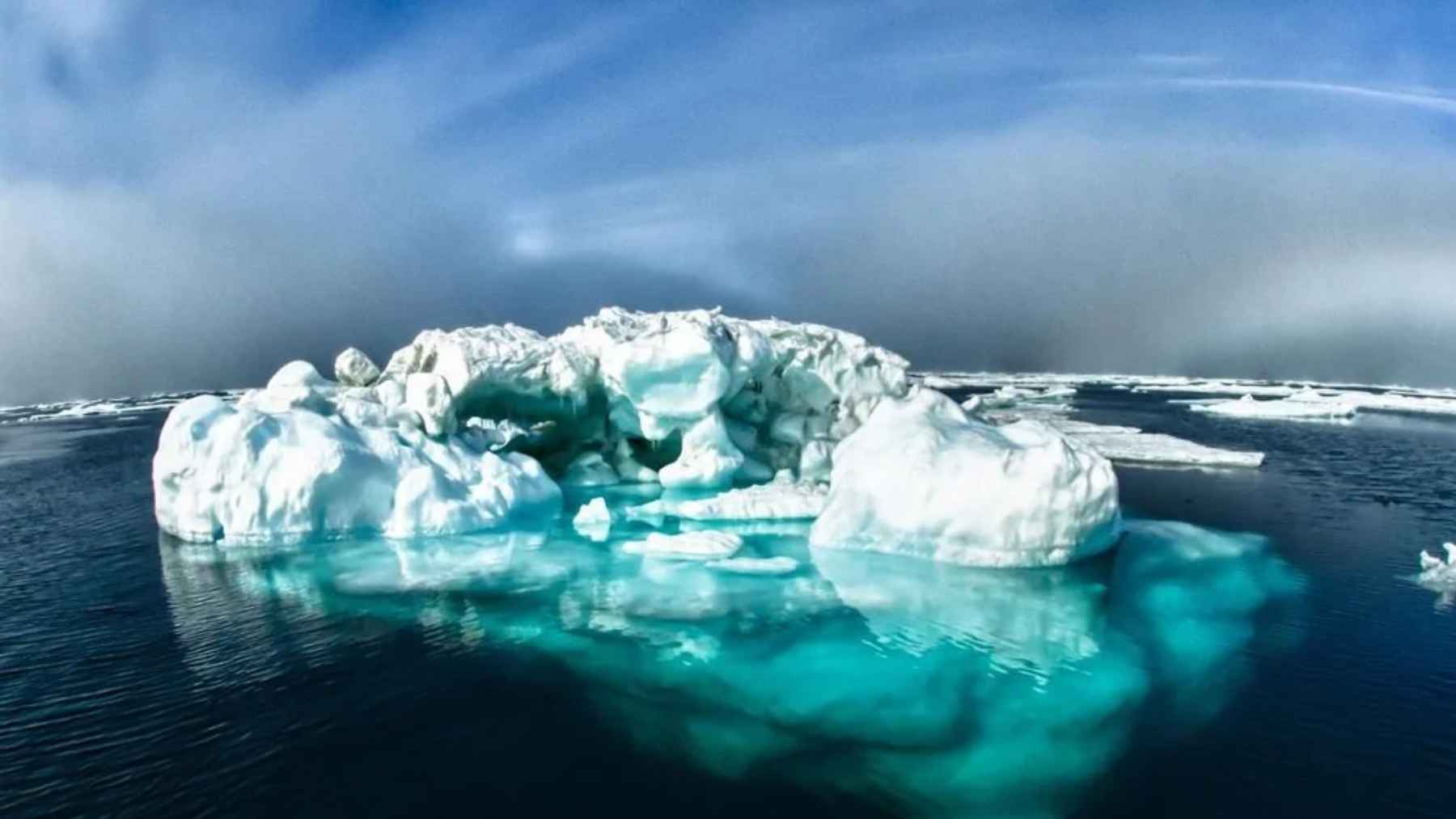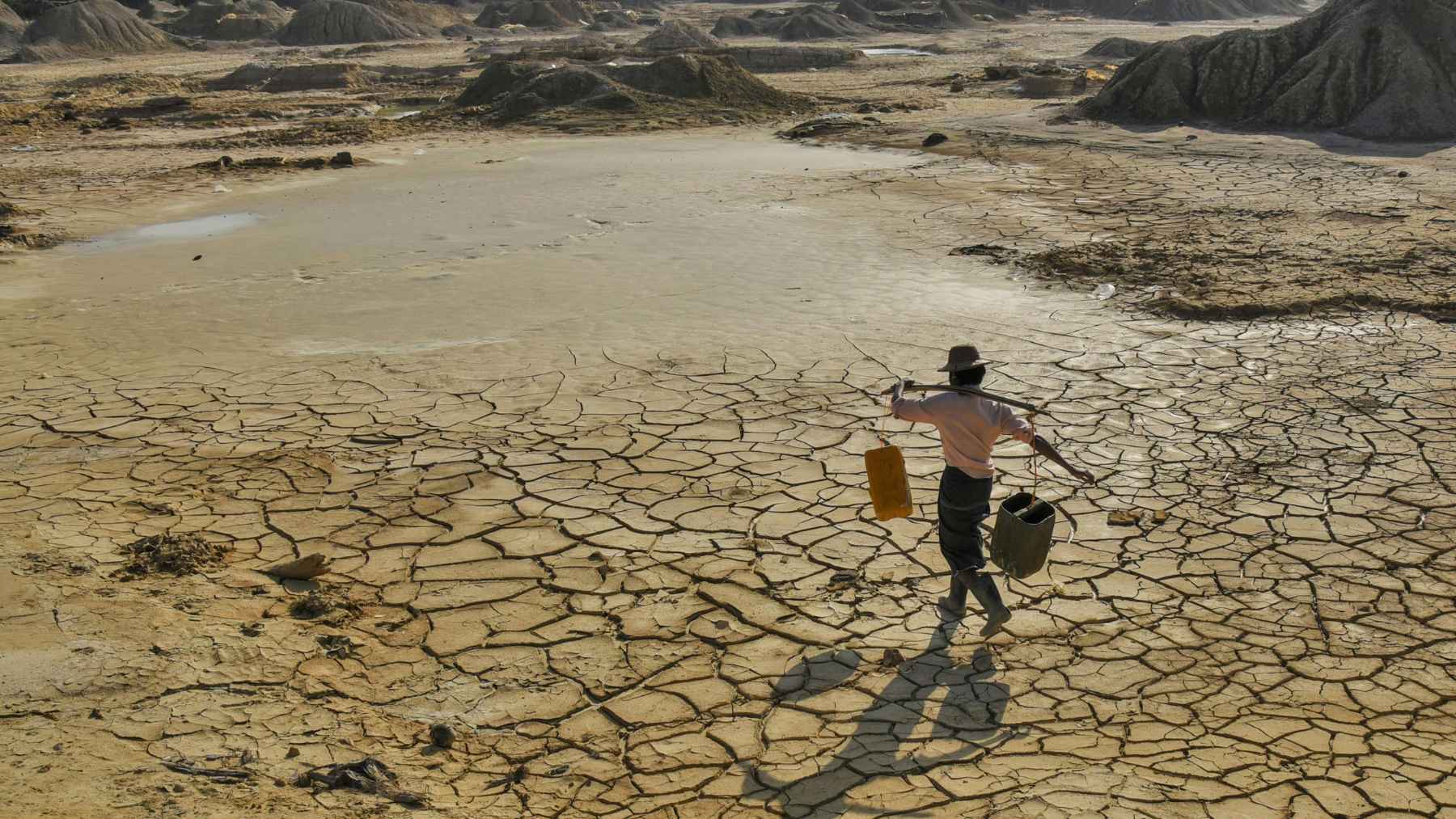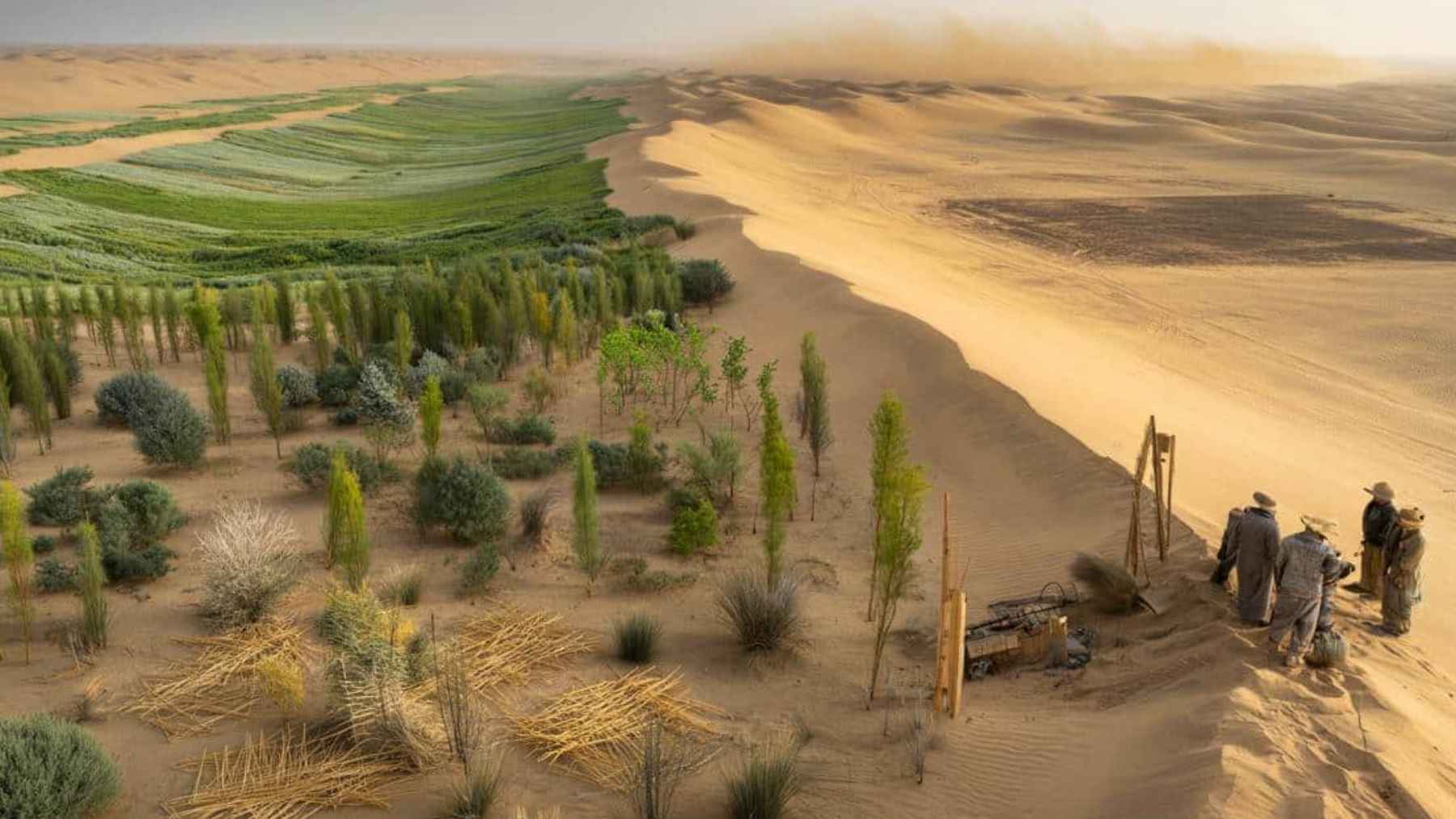
For years, climate talks have focused on melting ice and rising seas. A new satellite study suggests something more surprising is happening at the same time. Earth’s continents are drying out, and the water they are losing is now a major source of global sea level rise.
The analysis looks at more than two decades of data and finds that huge land areas are steadily losing freshwater. Roughly three out of every four people on the planet live in countries where stored water has been declining since 2002. Scientists say many of these trends look stubborn, not like temporary swings.
What scientists mean by continental drying
The research team calls this pattern “continental drying.” It refers to a long-term drop in all the water stored on land. That includes snow, ice, rivers, lakes, wetlands, soil moisture, and groundwater hidden in deep aquifers.
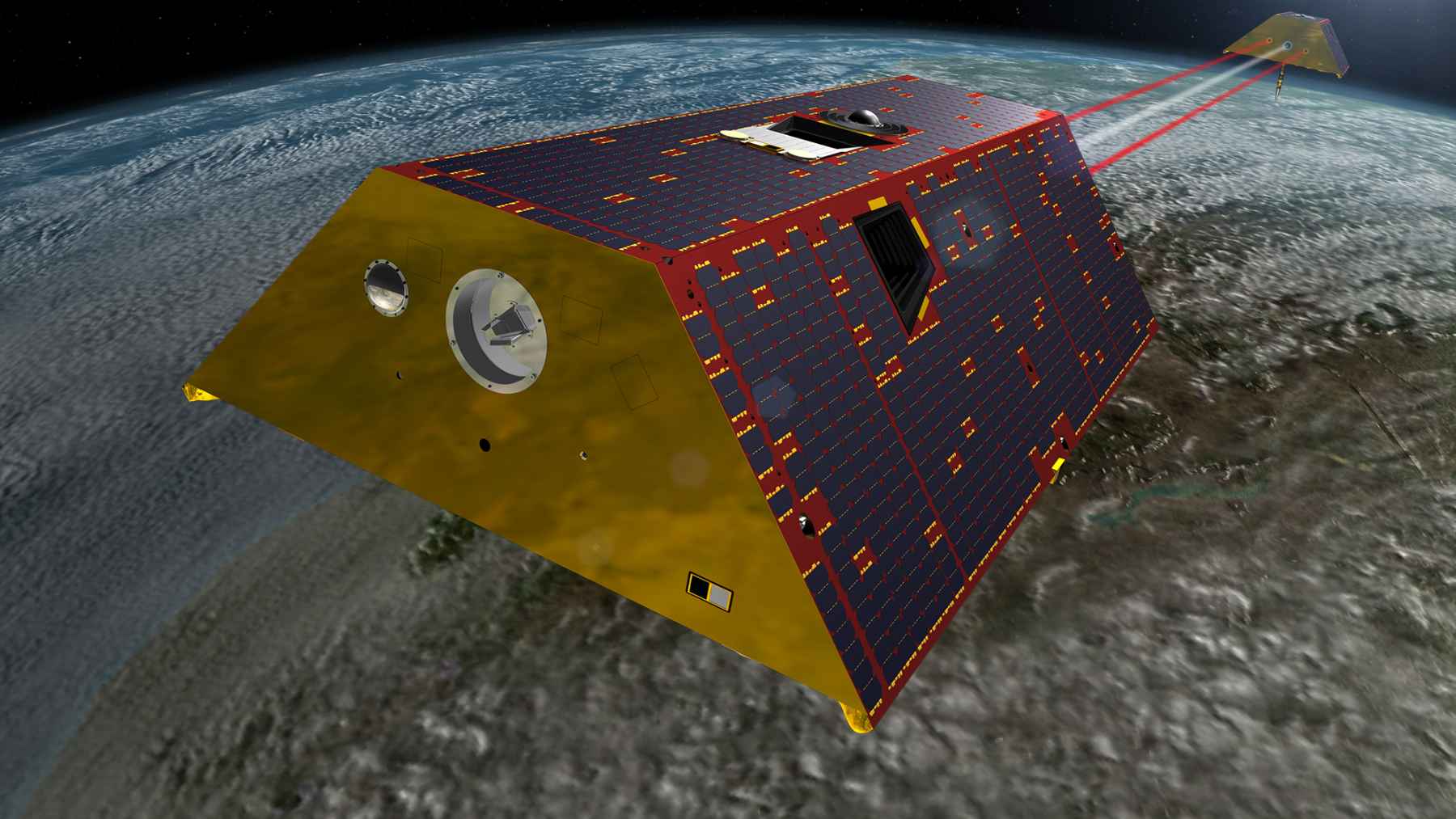
To track those changes, scientists led by Hrishikesh A. Chandanpurkar used gravity-measuring satellites from NASA known as GRACE and GRACE Follow On. Tiny shifts in gravity tell the satellites whether a region is gaining or losing water over time.
The team combined those measurements with global water models to understand which parts of the land system were changing the most.
Their record runs from April 2002 to April 2024, long enough to smooth out normal wet and dry years. After removing the regular seasonal cycle, they calculated long-term trends in stored water for every region on Earth outside Greenland and Antarctica.
The picture that emerges is a planet where drying has become widespread and increasingly intense.
Four mega drying regions across the Northern Hemisphere
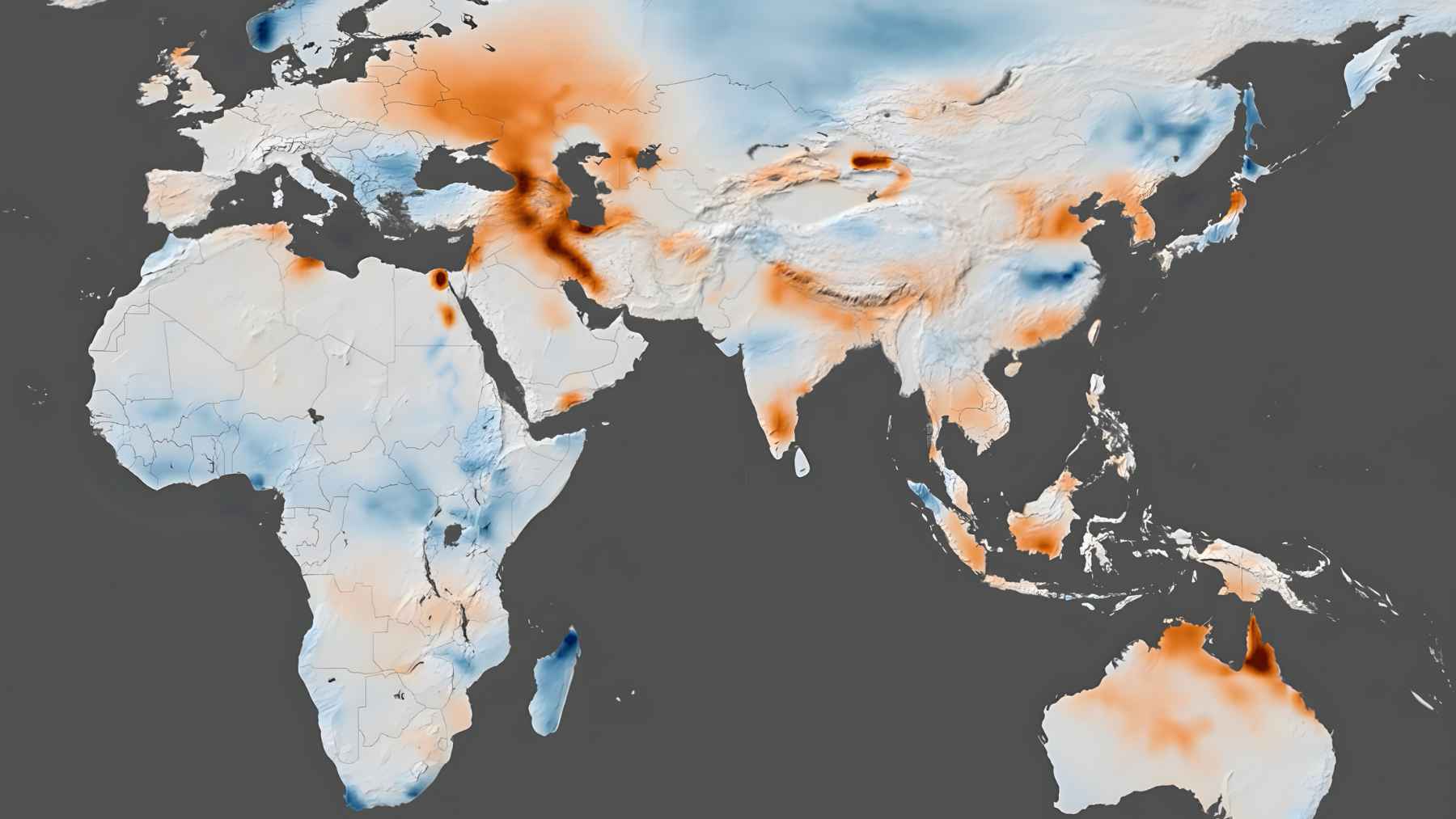
One of the study’s most striking findings is the rise of what the authors call “mega drying” regions. These are huge belts where many smaller hot spots of water loss have merged into continuous zones of decline. All four are in the Northern Hemisphere.
The first two lie in northern Canada and northern Russia. Parts of these high-latitude areas used to show long-term wetting. Now they are losing stored water, likely linked to melting permafrost, shrinking subarctic lakes, and shifts in rainfall. Drying is also spreading into Scandinavia and other parts of northern Europe.
Farther south, a large region runs from the southwestern United States through Mexico and into Central America. Long-running groundwater depletion in places like California’s farm belt and the southern High Plains combines with growing arid conditions and recent droughts.
The largest mega region stretches from North Africa through the Middle East, across much of Europe and Central Asia, and into northern China and Southeast Asia, tying together stressed aquifers, drying lakes, and some of the worst drought events seen in Europe in two thousand years.
Groundwater loss is the biggest driver
To see which stores of water were shrinking fastest, the team broke total land water into four parts. They found that groundwater pumping is responsible for about 68 percent of the losses on non-glaciated land in drying regions. Surface water in rivers and lakes, soil moisture, and seasonal snow make up the rest.
Groundwater is the water that fills cracks and pores in rocks and sediments underground. It feeds wells, supports irrigation in dry regions, and acts as a hidden buffer during drought. In many major aquifers, from California’s Central Valley to the Arabian Aquifer System, withdrawals for farms and cities have been greater than natural recharge for years.
The study notes that in many of these aquifers the lost water will not return on human timescales.
That means each extra unit pumped today reduces the safety margin for future droughts and future generations. As senior scientist James S. Famiglietti and colleagues have argued in earlier work, this is a quiet crisis unfolding beneath our feet.
Drying continents now push up sea level
When continents lose freshwater and that water flows to the ocean, sea level rises. Using the same satellite record, the team compared land water losses with mass losses from Greenland and Antarctic ice sheets, and with the gain in ocean water mass.
They find that global land water storage is now adding about 0.9 millimeters of sea level rise each year. Water losses from non-glaciated drying regions alone contribute roughly 1 millimeter per year, partly offset by strong wetting in a few places such as parts of East Africa.
On their own, continental losses now add more freshwater to the seas than either Greenland or Antarctica individually.
Most of the drying signals that matter for sea level also look robust. The team tested how sensitive local trends were to adding more years of data and found that in many drying regions the sign of the trend stayed the same in more than 90 percent of cases.
In those places, the long-term signal is stronger than the usual year-to-year ups and downs, which suggests the pattern is not simply a run of bad luck.
A shrinking safety net and what can change
Continental drying is not just a scientific curiosity. The authors estimate that about 6 billion people, or 75 percent of the global population in 2020, live in 101 countries where stored freshwater has been shrinking since 2002.
In some dry river basins, the size of the trend amounts to roughly one tenth of the renewable water supply, which means the cushion that storage once provided is thinning.
The study highlights one clear lever that remains under human control. Groundwater depletion is driven mostly by management choices, not by physics alone.
Efforts by agencies like the World Bank and national governments to monitor withdrawals, set sustainable pumping limits, and recharge aquifers could slow both water insecurity on land and a small but important part of sea level rise.
At the end of the day, that means decisions about how we grow food, supply cities, and value underground water will shape whether continental drying continues to accelerate.
For families in coastal neighborhoods and in thirsty inland regions, those choices will determine how reliable the tap feels a few decades from now.
The main study has been published in Science Advances.