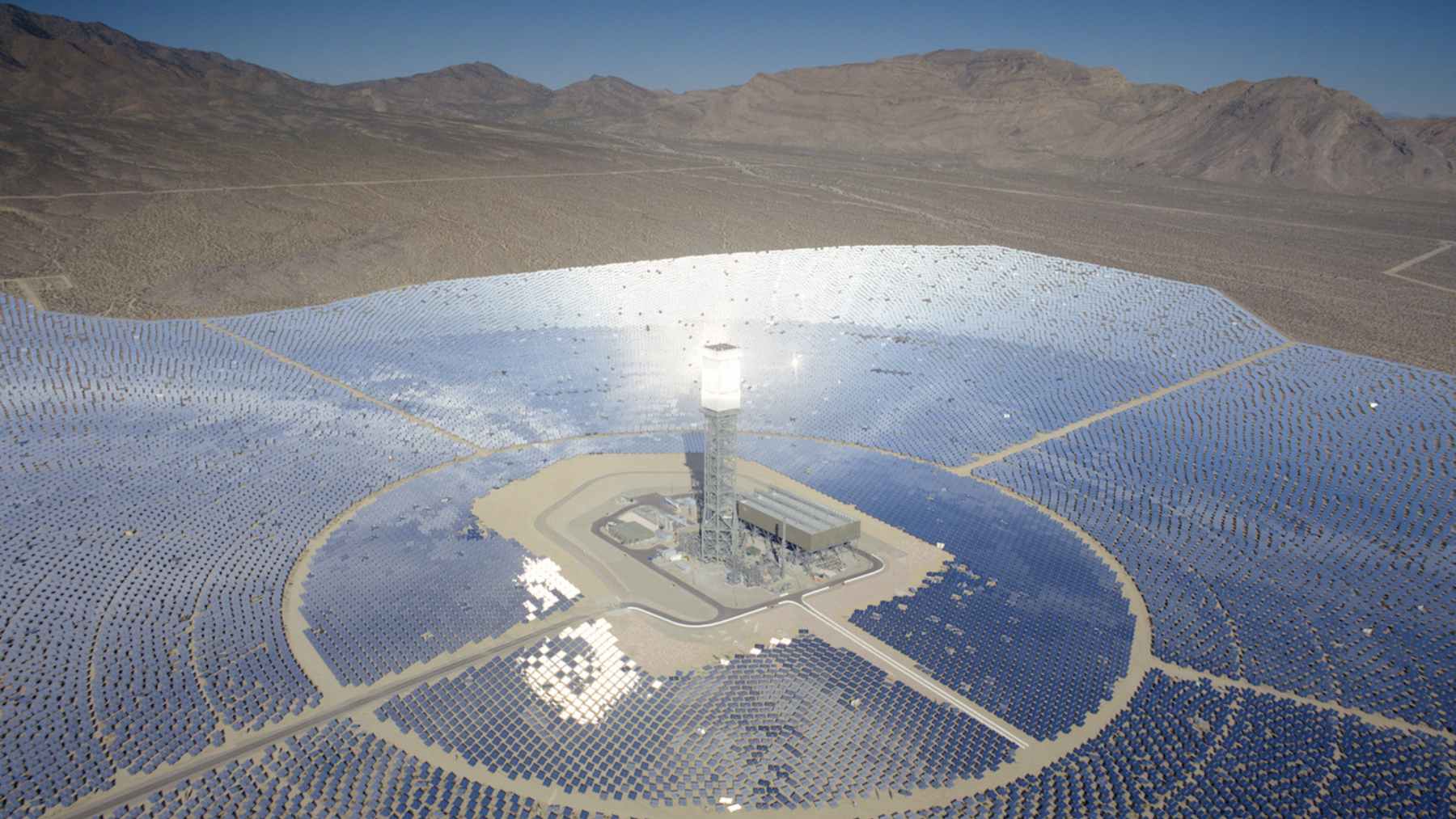
From above, the Ivanpah Solar Electric Generating System looks like a science-fiction mirror city spread across the Mojave Desert. On the balance sheet, it has become a test of what happens when a clean energy project gets overtaken by cheaper technology.
So is Ivanpah really closing in 2026? The owners have been aiming to turn off two of the plant’s three units this year, but on December 4, 2025, the California Public Utilities Commission rejected the proposed contract termination deal, leaving the timeline uncertain and sending the project back into the regulatory slow lane.
How Ivanpah turns sunlight into electricity
Ivanpah is a “concentrating solar power” plant, which means it uses mirrors to focus sunlight into heat, then uses that heat to make steam for a turbine. The US Department of Energy says the plant has three 459 foot towers, about 173,500 sun tracking mirrors, and $1.6 billion in federal loan guarantees, as outlined at energy.gov.
The mirrors, called heliostats, constantly shift to keep aiming at a receiver on top of each tower. Alternative energy consultant Edward Smeloff has described the basic idea as using the sun as a heat source, while noting the system is complicated compared with newer options.
A big debut, then a fast moving market
Ivanpah began construction in 2010 and entered commercial operation in January 2014, according to the Energy Department. At the dedication ceremony that February, then Energy Secretary Ernest Moniz called the project “an example of how America is becoming a world leader in solar energy,” as reported by Solar Power World.
But solar got cheaper in a different direction. Solar panels based on photovoltaic technology convert sunlight directly into electricity.
NRG Energy, a co owner, said that while the original power contracts looked competitive when they were signed, later “advancements over time” brought “more efficient, cost-effective and flexible options.” That shift left Ivanpah fighting for space in a grid that now has many cheaper ways to capture sunshine.
The 2026 shutdown plan, and the vote that blocked it
In January 2025, utility Pacific Gas and Electric Company said it had agreed with the plant owners to end two long term power purchase contracts early, citing savings for customers. The company said power deliveries from those contracts would stop beginning in 2026 if regulators approved the move.
That approval did not happen. In Resolution E-5429, the California Public Utilities Commission rejected the contract termination agreements “without prejudice,” meaning the parties can return with a revised proposal, according to the commission document.
Birds, heat, and what Ivanpah says about energy bets
Ivanpah has also faced criticism for wildlife impacts around its bright towers. The Association of Avian Veterinarians has said the facility is believed to be responsible for at least 6,000 bird deaths per year.
Researchers have pushed for better data and clearer comparisons with other hazards birds face. A 2016 review of studies at concentrating solar power sites, found that deaths at these plants mainly come from collisions and singeing, and that early estimates varied with monitoring methods.
Critics also point to the role of public support in backing technology that did not deliver as expected. Jason Isaac, CEO of the American Energy Institute, said in a statement quoted by Fox News that Ivanpah “never lived up to its promises,” arguing it produced less electricity than projected while relying on natural gas to stay operational.
The World Economic Forum, meanwhile, has argued that private investors can sometimes pivot faster when technology shifts.
The official decision was published on the California Public Utilities Commission website.
Image credit: American Society of Civil Engineers