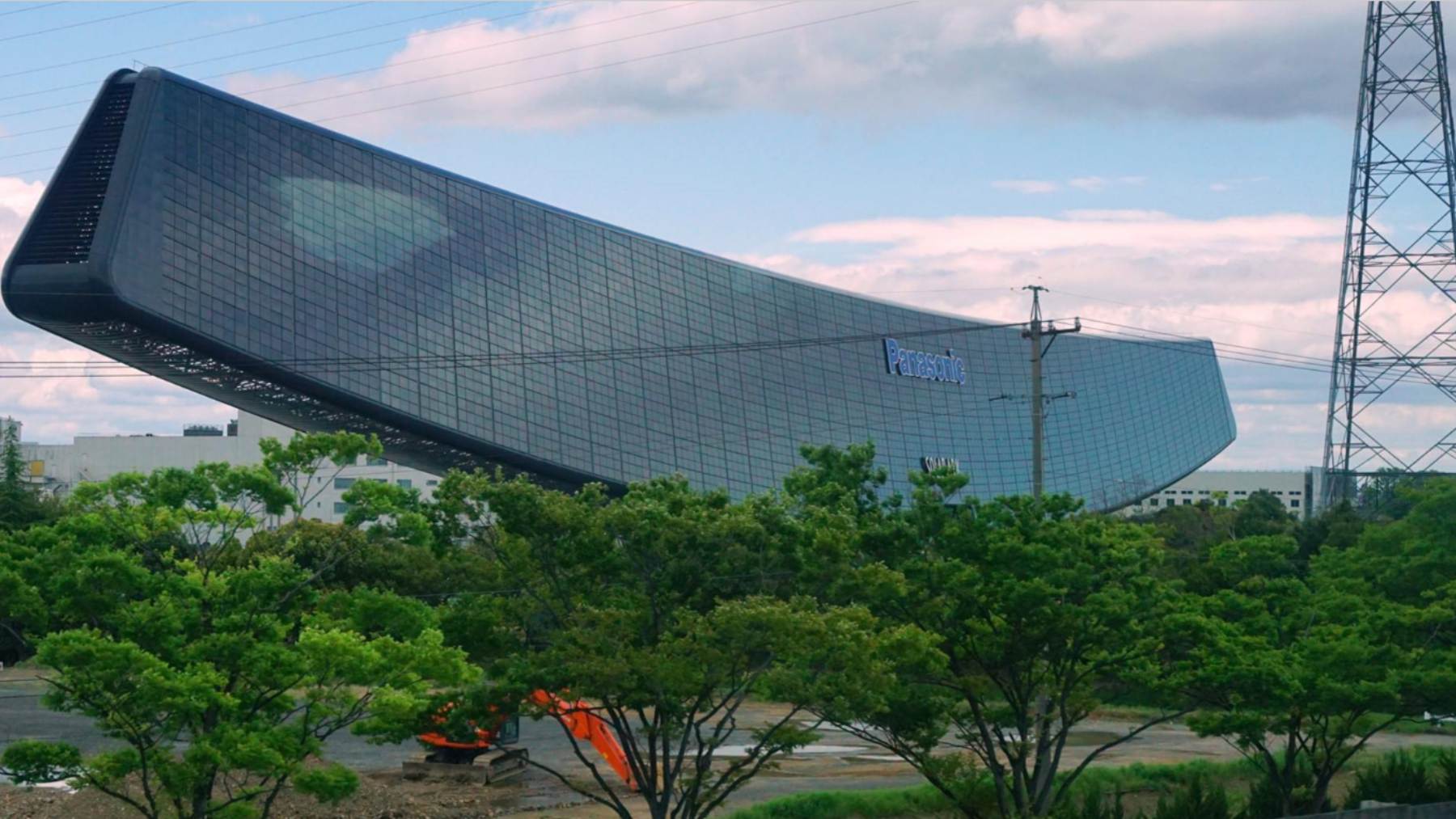
Japan can be hailed as a pioneer because of one of its more dated buildings, which is one of the first solar chimneys in history. The project was initially called the “solar chimney” and started in 2008. This solar chimney has since evolved into quite the solar architectural landmark. Today, the Solar Ark is a marvel that features 5,000 panels able to generate 530,000 kWh of energy annually. The architectural landmark created two decades ago is still being noted in the country’s history books.
A solar landmark that came from an unlikely source
This architectural building with a sustainable energy focus can be found in the Gifu Prefecture alongside Sanyo’s semiconductor plant. Although the Solar landmark fits right in as if it were meant to be there, it was created from a mistake. Sanyo had originally planned to install a 3.4 MW photovoltaic installation. The plan got stopped since the panels were all flawed.
Sanyo had the option of getting rid of over 1,000 solar modules; however, that decision did not seem lucrative. Instead, the company resorted to changing its original plan and using the solar panels to create an architectural piece. The company could not have anticipated ending up with flawed panels since the initial plan made use of hybrid technology.
Japan created a huge solar structure from the rejected panels and gave the structure the name Solar Arc, as the structure was a high-rise structure able to capture light across the entire surface of the building.
Looking beyond the figures and at the potential of 5,000 panels
The Solar Ark thus consists of 5,000 monocrystalline photovoltaic modules that form a 315-meter-long façade. Since all of the panels had defects, it was necessary to combine these panels to avoid waste. According to what has been reported, these 5,000 solar panels can generate more or less 530,000 kWh, which is an output that equates to half a gigawatt, which is enough to provide power to a dozen homes.
This architectural structure is a sleek and wing-like structure that is rather visible. A view of this solar architectural building can be captured from the JR Tokaido bullet train.
A power generator with an impactful message
The Solar Ark carries the message that what could have started as a flaw could be rectified in the form of a well-constructed building to achieve a sustainable power goal as well. All thanks to Sanyo, the public will find a solar museum, research exhibits, and environmental educational facilities. 75,000 programmable LEDs illuminate the façade of the solar building, which is open for public viewing. This solar structure is yet another reason why the country has stolen the limelight. Japan seems to be constantly making the headlines. While this solar architectural façade started with defective panels, the country has achieved more amazing feats. With 50,000 solar panels on water, Japan has gained a reputation for always being responsible for creating a new form of energy.
Japan’s Solar Ark remains a beacon of sustainable power
Japan’s Solar Ark is a reminder that groundbreaking sustainability and solar development do not have to start with perfection. Although this impressive solar project was completed in 2008 and not in 2025, it still shows the world how renewable energy can be merged into an architectural masterpiece. With 5,000 solar panels generating 530,000 kWh of power, the country is surely generating enough energy to meet its sustainable energy needs
Just over two decades later, Japan’s Solar Ark continues to shine, interest the public, attract visitors, and serve as an inspiration in terms of the global movement. Japan has a reputation for being a trailblazer, transforming ordinary or even flawed products into something spectacular. The country is continuing to claim its rightful place as a global inventor and is doing so yet again with 20 solar panels as strong as solar reactors that are being unveiled.