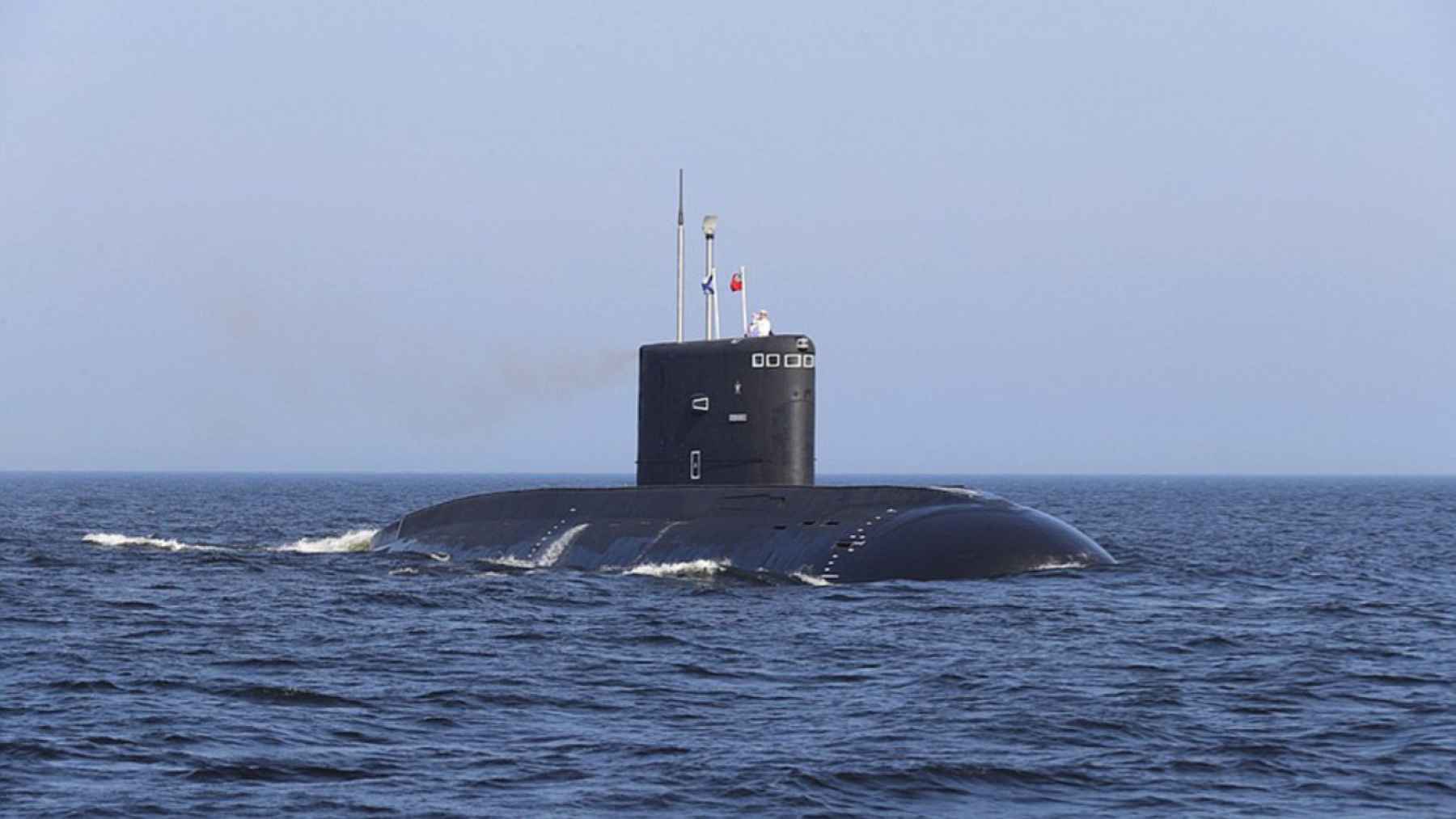
Most of us only think about submarines when we see them in a movie. Yet far below the surface, a new kind of machine is quietly changing what navies can do in the sea, and to some extent what marine life has to cope with.
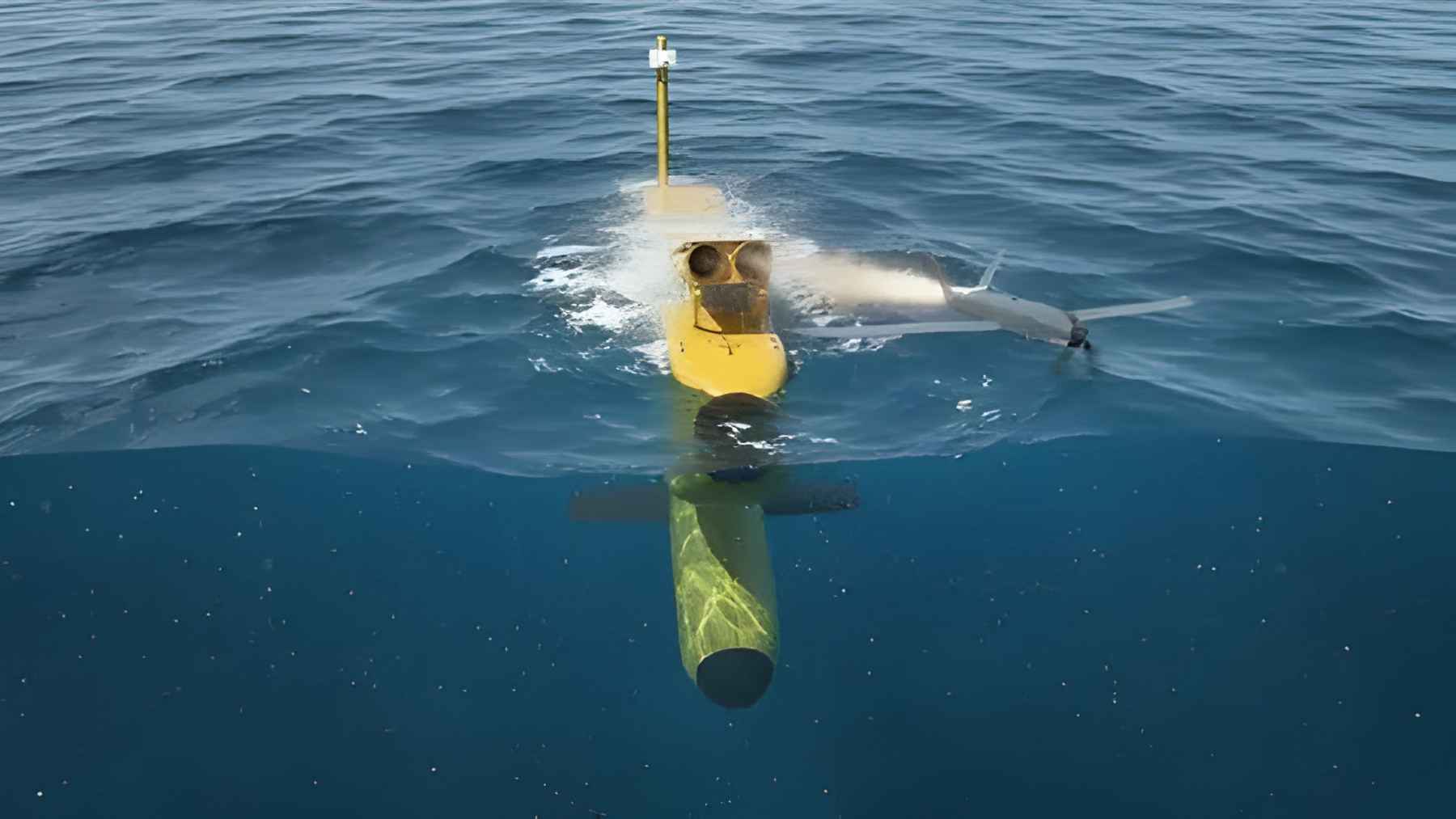
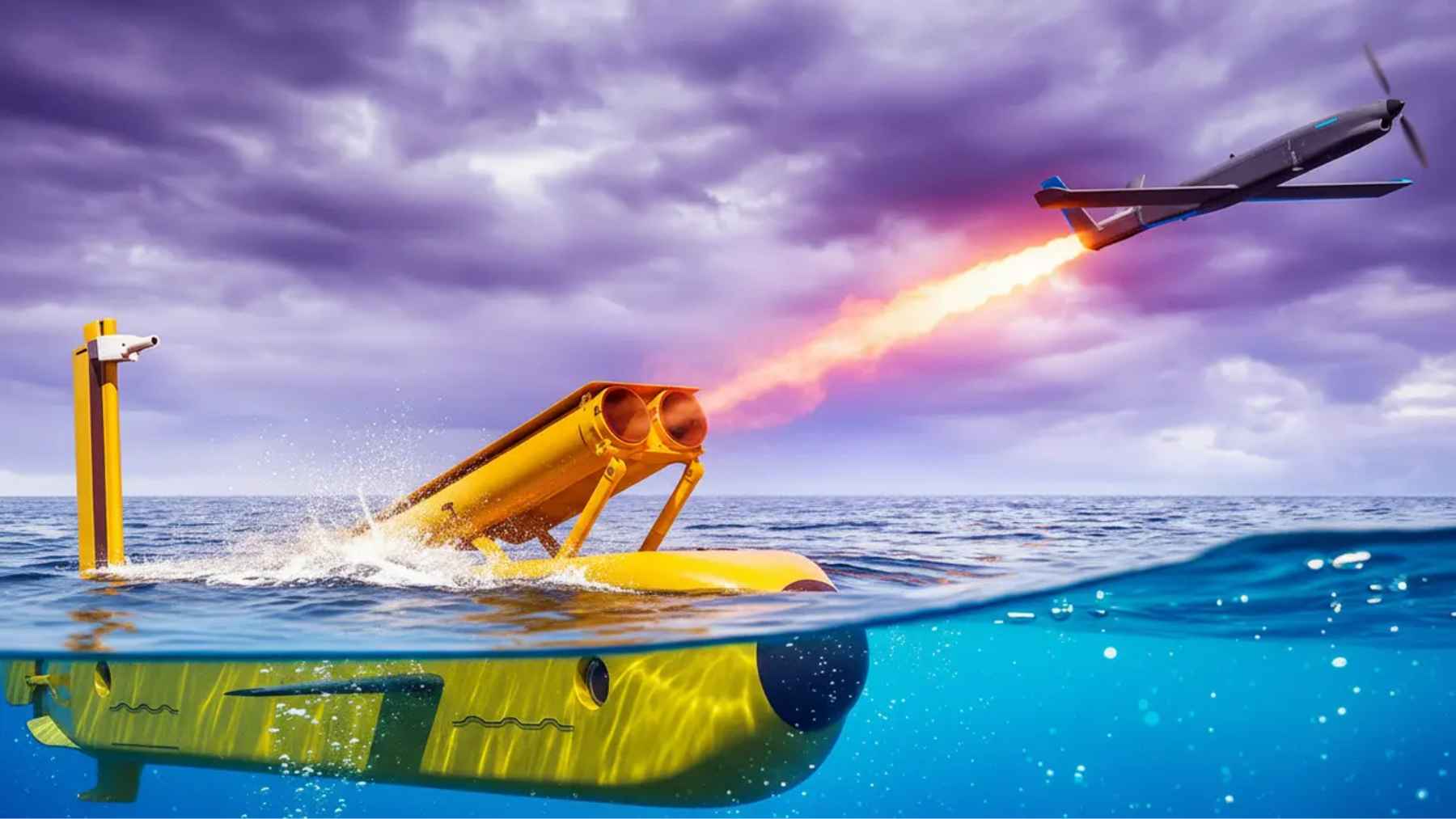
Lockheed Martin has unveiled Lamprey, a Multi Mission Autonomous Undersea Vehicle that can latch onto the hull of a ship or submarine, ride along as a hidden passenger, recharge on the way, then slip off to launch torpedoes or aerial drones in contested waters.
The system promises cheaper, longer-lasting undersea operations for militaries. For whales, fish and fragile habitats, it may simply mean more activity and more noise in an ocean that is already under pressure. So what exactly is this robot, and why does it matter for the environment?
A smart mini sub that rides and recharges
Lamprey takes its name from the jawless fish that attach themselves to larger animals. In a similar way, the vehicle can clamp onto friendly surface ships or submarines without the host needing physical modifications.
Once attached, built in hydrogenerators use the flow of water along the hull to recharge its batteries while the larger vessel sails toward the mission area.
The mini submarine is a little over seven meters long and uses multiple thrusters for precise maneuvering in shallow water or along the seabed. Its interior is designed as open architecture, which means navies can swap different payload modules.
According to the company, Lamprey can carry lightweight anti-submarine torpedoes, launch small uncrewed aircraft, deploy electronic warfare payloads and place sensors or equipment on the seafloor.
In its own words, the firm says the modern battlespace “demands platforms that hide, adapt and dominate,” and describes Lamprey as a multi mission weapon that “detects, disrupts, decoys and engages on its own.”
For navies, that sounds like flexibility. For marine ecosystems, it sounds like more intense use of areas that are already busy.
A new player in an already noisy sea
Scientists now treat underwater noise as a form of pollution. Continuous sound from commercial shipping and impulsive noise from oil and gas exploration or military sonars can trigger stress, disrupt feeding and alter migration routes in marine mammals and fish.
Some whales have abandoned key feeding or breeding grounds after loud activity moved in. Others have shown elevated stress hormone levels when traffic or sonar ramps up around them.
Autonomous undersea vehicles such as Lamprey are smaller than nuclear submarines and will likely be quieter in absolute terms. At the same time, their selling point is persistence. The press material highlights “persistent, autonomous undersea presence at dramatically lower cost than manned platforms,” with the ability to deny access and control the seabed.
If many such systems spread across choke points and coastal zones, the background level of human activity in those waters can rise again, even if each unit is individually efficient.
That is the environmental puzzle. A single electric car makes less noise and pollution than a truck, but a highway full of any vehicles still changes the landscape around it.
Energy innovation with strings attached
From a technical point of view, Lamprey hints at interesting trends in marine energy. Recharging from the motion of a host ship means fewer supply runs and less need to carry oversized battery packs. It is a form of energy harvesting that engineers also explore for civilian ocean sensors and offshore platforms.
However, the system is built for sea denial, not conservation. Public documents do not detail its acoustic signature, how often it would operate in sensitive habitats or whether future versions might use quieter propulsion. Without that information, claims about sustainability remain incomplete.
Experts on underwater noise warn that even moderate sound, if continuous and widespread, can interfere with communication and hunting for many species, and can ripple through entire food webs. New fleets of autonomous craft, whether military or civilian, need to be evaluated in that broader context, not only on mission performance.
Why policy and science need to keep up
European initiatives already class underwater noise as an emerging pollutant and call for better monitoring and mitigation, under frameworks such as the Marine Strategy Framework Directive. Yet most of those efforts have focused on shipping, seismic surveys and large naval exercises. Autonomous undersea vehicles are only starting to appear in guidelines and impact studies.
At the end of the day, Lamprey is a sign of where the ocean is heading. Smarter robots, tighter networks between sea, air and space, more activity in places that once felt remote even to navies.
The technology itself is impressive. The question for environmental agencies, coastal communities and scientists is how to ensure that this new layer of activity does not quietly erase the natural soundscape and stability that marine life depends on.
The press release was published on Lockheed Martin.