Confirmed by the National Park Service: a rule taking effect December 21 lets Mammoth Cave designate up to about 37 miles of trails for bikes, nearly double today's 19, as new trails are built
A Park Service rule in force December 21 lets Mammoth Cave designate up to about 37 miles of bike trails as eight new ones are built, plus a horse road.

· 4 min read
Key points
- Bikes are allowed today on about 19 of the park's 85 miles of land-based trails.
- E-bikes on the new trails are up to the superintendent, who must tell the public.
- Riders gain the 5.4-mile Houchin Ferry North/Ollie Road, a road rarely used by cars.
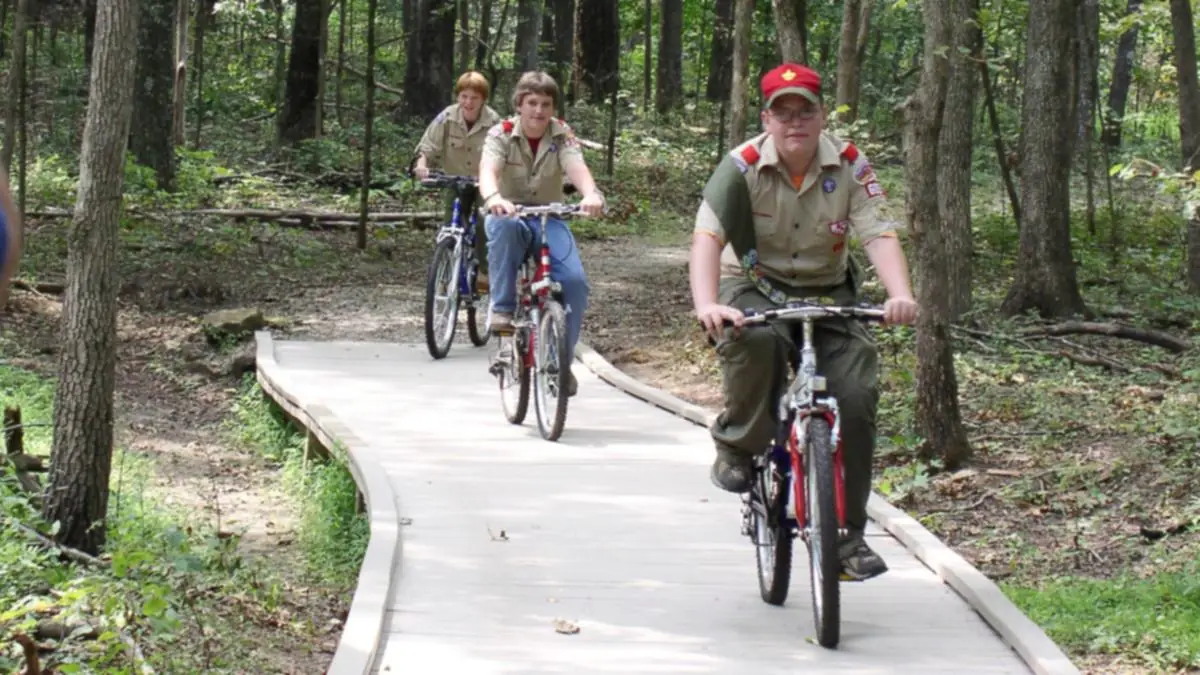
Cyclists could get more room at Mammoth Cave National Park in Kentucky. A National Park Service rule that takes effect on December 21, 2026, lets the park's superintendent designate about 37 miles of multi-use trails for bicycles.
Today, bikes are allowed on about 19 of the park's 85 miles of land-based trails. The new total will not open all at once: eight of the trails named in the rule still have to be built. The agency says bikes will be allowed on that network subject to closures needed for safety or to protect park resources.
The rule also opens one park road to horseback riding. It was published in the Federal Register on November 19 and amends the park's special regulations in 36 CFR 7.36.
Which trails are on the list
The rule identifies 12 trails that can be designated for bicycle use. Two that allow bikes now, the Maple Springs Connector Trail and the White Oak Trail, are removed from the list.
Under the park's trails plan, bicycles will no longer use the White Oak Trail. The Maple Springs Connector Trail will be closed and restored to natural conditions.
The Mammoth Cave Railroad Bike & Hike Trail stays on the list. The Big Hollow Trail is listed as three separate segments, as shown on park maps.
The eight new trails are Brooks Knob Road Cemetery Trail, Brooks Knob Road Trail, Crystal Cave Road Trail, East Entrance Trail, Little Hope Cemetery Trail, Sugar Sink Connector Trail, Sugar Sink Trail and West Entrance Trail.
What about e-bikes
Electric bicycles are not automatically included on the new trails. Park Service regulations let a superintendent allow e-bikes on trails and roads that are open to traditional bicycles.
Under the rule, the superintendent may decide to allow them on any of the listed trails that are open to regular bikes. The public will be told. Designated trails will be announced in the Superintendent's Compendium and on maps at the visitor center and on the park website.
Right now, two-wheeled e-bikes can go wherever traditional bikes are allowed in the park. Three-wheeled e-bikes are limited to the Railroad Bike & Hike Trail and, until it closes, the Maple Springs Connector Trail. Bikes and e-bikes are held to a 15 mph speed limit on all park roads and trails.
A road opens to horses
Horseback riders gain the 5.4-mile Houchin Ferry North/Ollie Road. Park Service rules generally ban horses on park roads, so the change needed a special regulation.
The road is rarely used by motor vehicles, and the agency does not expect conflicts among drivers, riders, hikers and cyclists. If monitoring shows problems, it says it can give visitors better trip-planning information or separate the different uses further. Visitors can already ride horses on 54 miles of trail in the park, on wooded backcountry routes suited to different skill levels and ages.
Some commenters asked who would clean up manure on the road. The agency said it does not have enough staff to do it. Riders must put manure and fresh droppings at trailheads into their trailers.
The McCoy Hollow and Wildcat Hollow parking areas will also be improved for horse trailers.
Why the park made the change
The Park Service began a new land and river trails plan in 2022. Parts of the trail system had deteriorated in a way that harmed park resources and the experience of visitors, the rule explains.
The plan, backed by an environmental assessment in 2024, adds about 66 miles of land-based trails, a 72% increase. New trails will use techniques such as trail hardening, grade reversals and better drainage to manage water and limit erosion. The agency says this should reduce trail widening and trampled plants.
Mammoth Cave is the longest known cave system in the world, with more than 400 miles surveyed. The park covers more than 52,000 acres in Edmonson, Hart and Barren counties. Above ground, the park offers ranger-led tours, hiking, camping, canoeing, kayaking and scenic drives.
What commenters said
The agency received about 150 comments on the proposed rule, published on February 9 and open for comment for 60 days, through April 10. Commenters broadly supported more recreation but said communication, monitoring and adaptive management would be essential.
Some opposed new multi-use trails and asked the agency to maintain existing ones. Others wanted purpose-built mountain bike trails, or separate trails for horses and bikes. The Park Service finalized the rule without changes.
The final rule, Mammoth Cave National Park; Bicycling and Horses, is published in the Federal Register as document 2026-23563. It takes effect on December 21, 2026.
Photo: National Park Service (public domain)
Javier Niño
Writer at ECOnewsJavier Niño has been a Spanish National Police officer since 2017 and a journalist specialising in employment, labour law and Social Security, with more than seven years of writing experience. At ECOnews he covers environment, energy and sustainability news, focusing on how new regulations and court rulings affect people in their everyday lives.
More from Javier NiñoComments · 0
Rules ›No comments yet. Be the first to share your view.