With no alert in effect, San Francisco Bay Area air officials ask residents to skip the fire on Thanksgiving, as 1.2 million fireplaces and stoves make about a third of winter fine-particle emissions
Wood smoke from 1.2 million Bay Area fireplaces is a major winter pollution source; no alert is in effect, but officials urge no fires on Thanksgiving.

· 4 min read
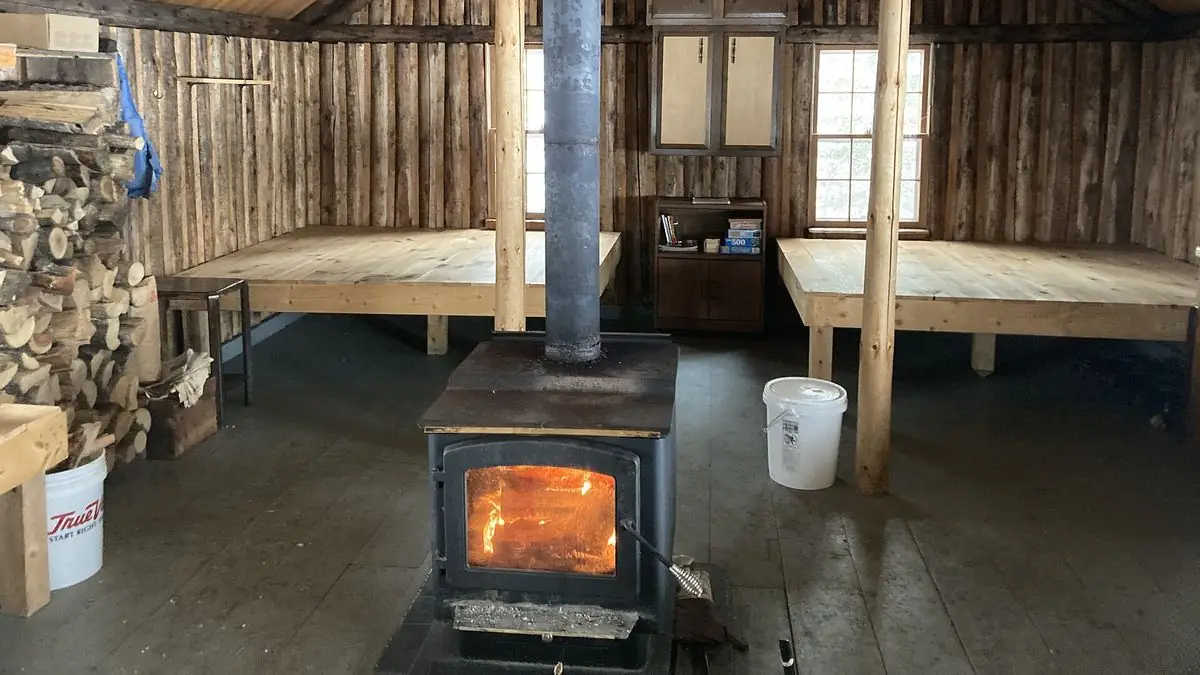
Bay Area air officials are asking residents not to light fireplaces or wood stoves this Thanksgiving, Thursday, November twenty-sixth. There is no ban, because no Spare the Air Alert is in effect, so burning wood is legal but strongly discouraged. The region has about one point two million fireplaces and wood stoves, and in winter their smoke makes up about a third of fine particle emissions. The agency says that smoke is especially harmful to children, older adults and people with respiratory conditions. Its modeling links home wood burning to ninety-four to two hundred ten premature deaths a year. That is softer than last year, when alerts banned burning on the day before Thanksgiving and on the holiday itself. Alerts can be called up to three days ahead, so check the Spare the Air website again before lighting anything. Homeowners who want to quit wood burning can seek help through the Clean HEET program to switch to an electric heat pump.
Key points
- No Spare the Air Alert was in effect, so burning wood is legal but strongly discouraged.
- The agency's modeling estimates 94 to 210 premature deaths a year from residential wood smoke.
- Clean HEET offers up to $15,000 to swap an old wood stove for an electric heat pump.
In the San Francisco Bay Area, air quality officials are asking residents not to light fireplaces or wood stoves this Thanksgiving, which falls on Thursday, November 26.
The Bay Area Air Quality Management District made the request on November 24, in a statement about the holiday. It wants people to avoid burning wood, and the wood smoke that comes with it, to reduce air pollution and protect public health.
There is no ban this time. No Spare the Air Alert was in effect when the agency made its request, so wood burning is legal, but the agency says it is strongly discouraged.
No alert, but a clear request
The agency's Spare the Air forecast showed no alert for Wednesday, November 25. As of Tuesday morning, forecast air quality index values for Wednesday ranged from 44 to 60 across the five reporting zones of the region.
Wood burning can significantly degrade air quality, particularly in inland valleys, the statement says. It describes wood smoke as a major source of pollution in the Bay Area in winter.
The smoke is especially harmful to children, older adults and people with respiratory conditions, according to the agency.
A third of winter particles
The Bay Area has about 1.2 million fireplaces and wood stoves. In winter, their smoke accounts for about one-third of the region's fine particulate emissions, the agency says.
Like wildfire or cigarette smoke, wood smoke contains fine particles and cancer-causing substances that make the air unhealthy to breathe. Exposure has been linked to serious respiratory problems and a higher risk of heart attacks.
The agency has also put a number on the toll. Its modeling estimates that 94 to 210 premature deaths per year in the Bay Area can be attributed to fine particle pollution from wood burning in homes.
What happened last year
The request is softer than the one residents heard in 2025. Last year, the agency issued the winter season's first Spare the Air Alerts for the day before Thanksgiving and for the holiday itself, according to its statement at the time.
Those alerts banned burning wood, manufactured fire logs or any other solid fuel, both indoors and outdoors. The agency expected light winds, cold nights and high pressure to trap smoke at ground level. It also warned that offshore winds could carry pollution from the Central Valley into the Bay Area.
During an alert, it is illegal for residents and businesses to use fireplaces, wood stoves, pellet stoves or outdoor fire pits, the 2025 statement explained. Natural gas, propane and electric fireplaces are still allowed.
How the rules work
The agency can call an alert up to three days in advance, so the forecast is worth checking again before the holiday. Under the wood burning rule it updated on October 1, 2025, alerts are called when fine particle pollution is forecast to reach 25 micrograms per cubic meter, down from 35 under the old rule.
The lower threshold means alerts are called earlier, before pollution builds up. The agency said they would happen more often when air quality is in the high-moderate range or worse.
According to the agency's 2025 statement, first-time violators can take a wood smoke awareness course or pay a $100 ticket. A second violation brings a $500 ticket, and the amount rises after that.
Homes with no permanently installed heating can qualify for an exemption, but only with a registered EPA-certified or pellet-fueled device. An open-hearth fireplace no longer qualifies.
Help to replace the stove
For homeowners who want to stop burning wood for good, the agency points to its Clean HEET program. It helps pay for replacing a wood stove, fireplace or insert with an electric heat pump.
Heat pumps move heat instead of generating it, so they use much less energy than traditional systems. They can also cool a home in summer, the program page explains.
The program is open to all Bay Area homeowners until March 10, 2027. It offers up to $15,000 to replace a wood stove or insert made in 2014 or earlier, $10,000 for one made from 2015 to 2019, and up to $12,000 for an open-hearth or free-standing fireplace.
Low-income participants who qualify can receive up to $10,000 more. The program does not pay back work that has already been done.
A holiday without the fire
Dr. Meredith Bauer, principal deputy executive officer of the agency, framed the request around family. She said skipping the fire is a simple way to help protect the air everyone shares during the holidays.
Residents can check whether an alert is in effect on the Spare the Air website before lighting anything. Those who want to report wood smoke in their neighborhood can call the agency at 1-877-4NO-BURN.
Photo: National Park Service (public domain)
Glossary for this story
- EPA
- The Environmental Protection Agency: the U.S. federal agency in charge of protecting air, water and land and enforcing environmental laws.
- Heat pump
- A device that uses electricity to move heat from the air, water or ground into a building, or out of it. It delivers several times more energy than it uses.
Javier Niño
Writer at ECOnewsJavier Niño has been a Spanish National Police officer since 2017 and a journalist specialising in employment, labour law and Social Security, with more than seven years of writing experience. At ECOnews he covers environment, energy and sustainability news, focusing on how new regulations and court rulings affect people in their everyday lives.
More from Javier NiñoComments · 0
Rules ›No comments yet. Be the first to share your view.