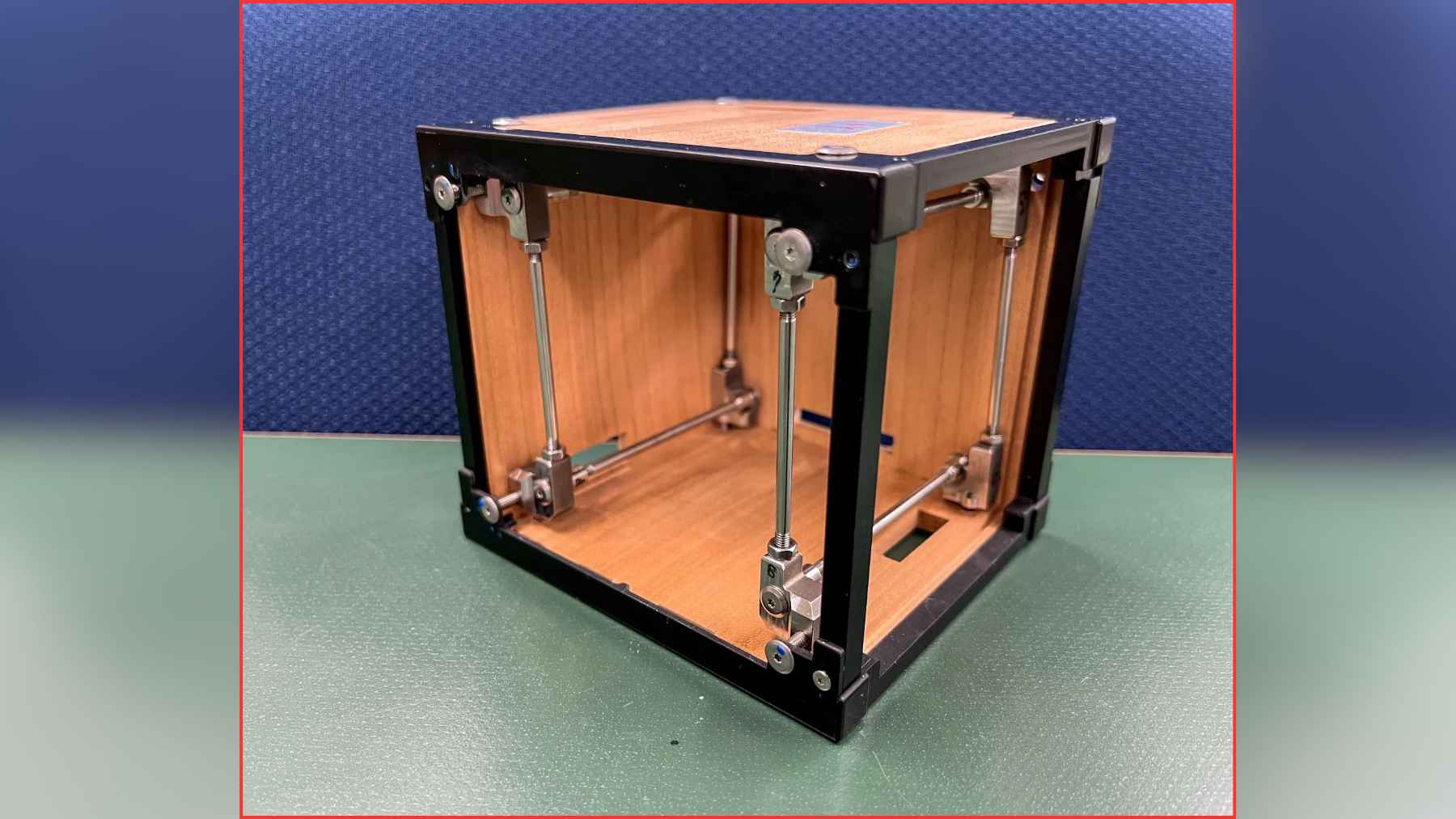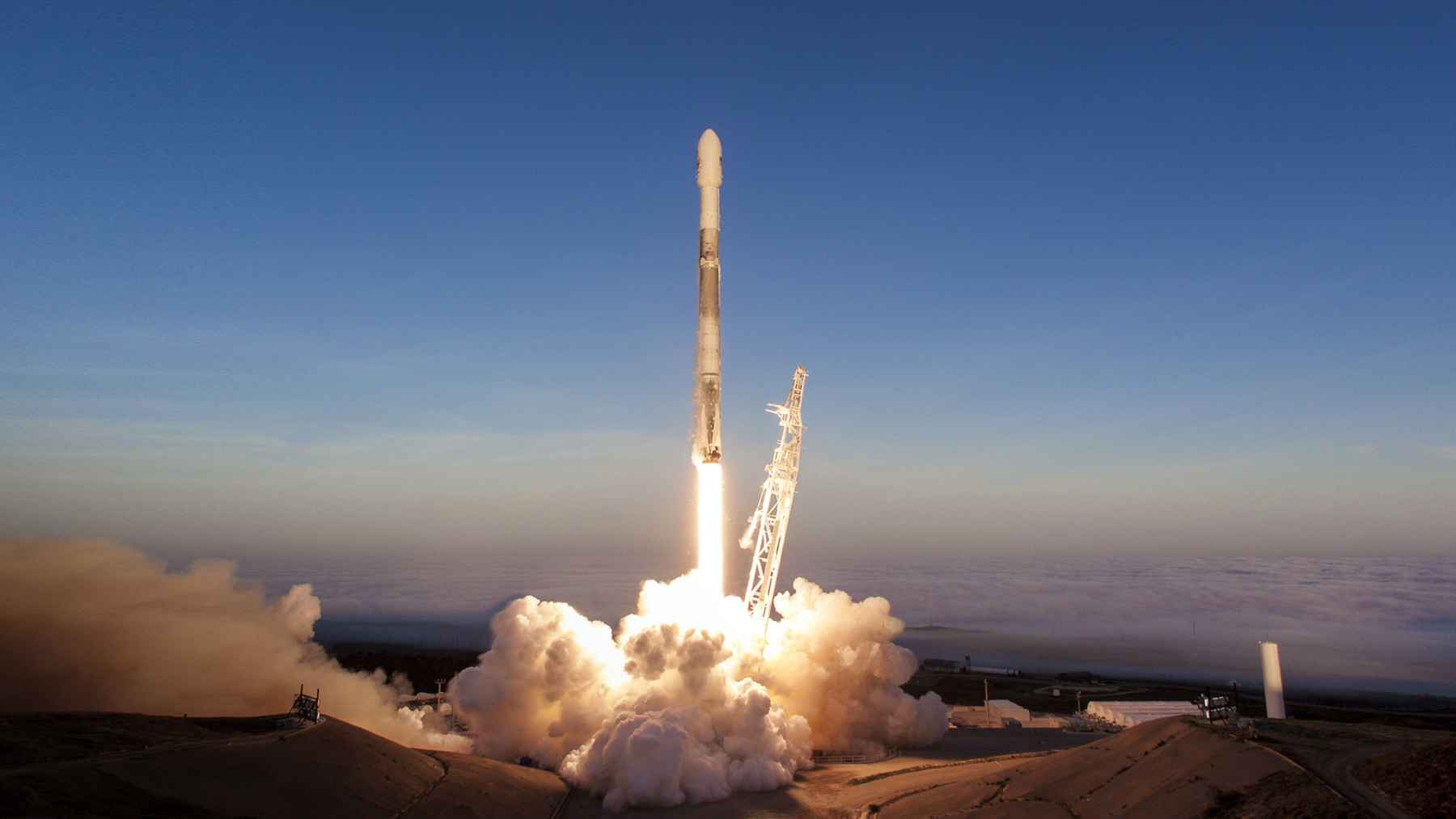
A U.S. startup says it can, and it’s about to put that claim on the line. General Galactic plans to launch a roughly 500 kilogram satellite called Trinity on a SpaceX Falcon 9 mission in October 2026, then run it using water as its only onboard propellant.
If the test works, it could make satellites safer to operate, easier to refuel in the future, and more capable of dodging the growing “traffic jam” in Earth orbit, a problem that also shows up in climate focused missions like this NASA sea level satellite launch. So how do you get thrust from something you drink?
Two ways to push a spacecraft with H2O
Trinity is designed to try two propulsion modes.One is a chemical approach. The satellite uses electrolysis to split water into hydrogen and oxygen, then burns the hydrogen with oxygen as the oxidizer, producing hot water vapor that rushes out for thrust. It’s familiar rocket chemistry, just starting from a far less hazardous tank.
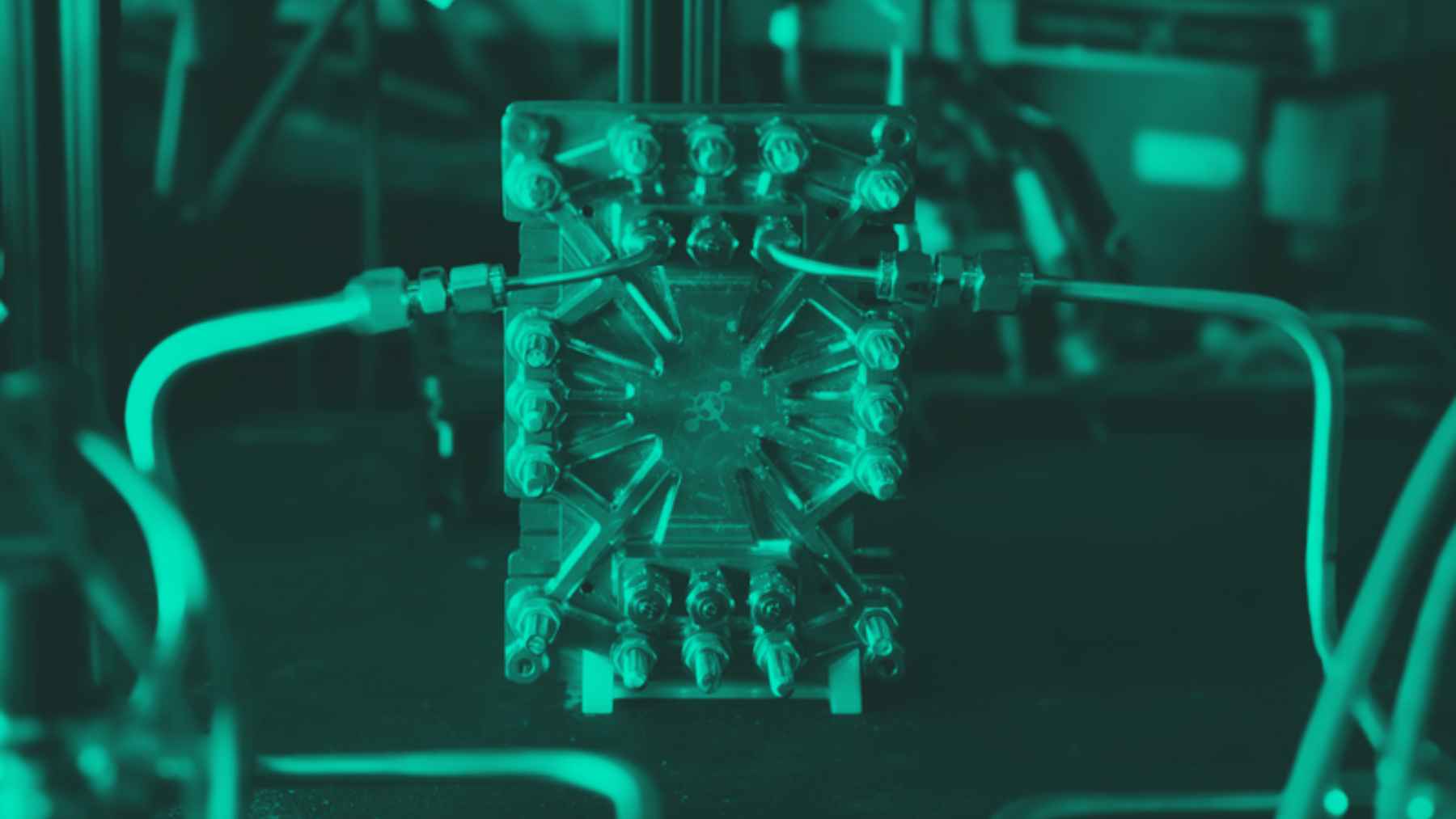
The second is electric propulsion using a Hall effect thruster. In this concept, water is split and the oxygen is energized until it becomes a plasma, then shaped by magnetic fields and expelled to generate steady thrust, similar to the systems NASA describes in its Hall Effect Thruster technologies. General Galactic’s CEO Halen Mattison joked to Wired that people call it “a burp in space,” but the key is that it can last a long time.
The company claims this could deliver five to ten times the total maneuvering capability, known as delta V, compared with many conventional systems. That’s a big promise, and it’s one reason Trinity matters, especially as more futuristic propulsion ideas keep popping up, including concepts like NASA’s warp drive research debate.
Why water looks appealing, and what could still go wrong
Water has some clear upsides. It’s stable, doesn’t need deep cryogenic cooling like liquid methane, and avoids handling risks that keep engineers awake at night. In practical terms, that can mean simpler storage, fewer safety constraints, and potentially cheaper operations, a theme that also comes up in broader “clean fuel” discussions like this 2025 explainer on hydrogen for rockets.
But there are real engineering hurdles. Electrolysis takes power. Oxygen-rich plasmas can be corrosive. And any extra hardware adds mass, which always hurts performance.
Researchers have been actively studying water and oxygen propellants for Hall thrusters, including comparisons of efficiency and modeling of “water-fueled” designs, in the same scientific neighborhood as other 2025 coverage of plasma propulsion advances like this report on a China plasma engine.
A stepping stone toward space refueling
Water propulsion also connects to a larger environmental idea. If spacecraft can refuel from space resources, fewer missions may need to launch everything from Earth. NASA has been developing plans and technologies around using lunar resources, including water and oxygen production, as part of in situ resource utilization, and it overlaps with the kinds of lunar water conversations readers saw in 2025, like this piece on lunar stones and water.
And smaller versions have already flown. In 2023, Japan’s Pale Blue reported an on-orbit demonstration of a water vapor propulsion system on a nanosatellite.
Trinity is aiming to scale that kind of thinking up to a much larger spacecraft, powered by the sort of space solar infrastructure that keeps improving, as described in this 2025 story about NASA’s roll out arrays that are “like building a highway to Mars.”
If it works, it won’t just be a neat trick. It could be a new way to keep satellites agile and reduce the constant push to launch more fuel and hardware into an already crowded sky.
The official mission roadmap was published on General Galactic’s website.