The European Union is about to make the biggest mistake in its history by betting on nuclear energy, which is already unleashing its worst consequences on the continent. Meanwhile, in the United States, we have ventured into a 100% sustainable and hitherto unknown source: radioactive cooling, which is here to change everything.
Sustainable and non-nuclear energy: the new source that has been discovered
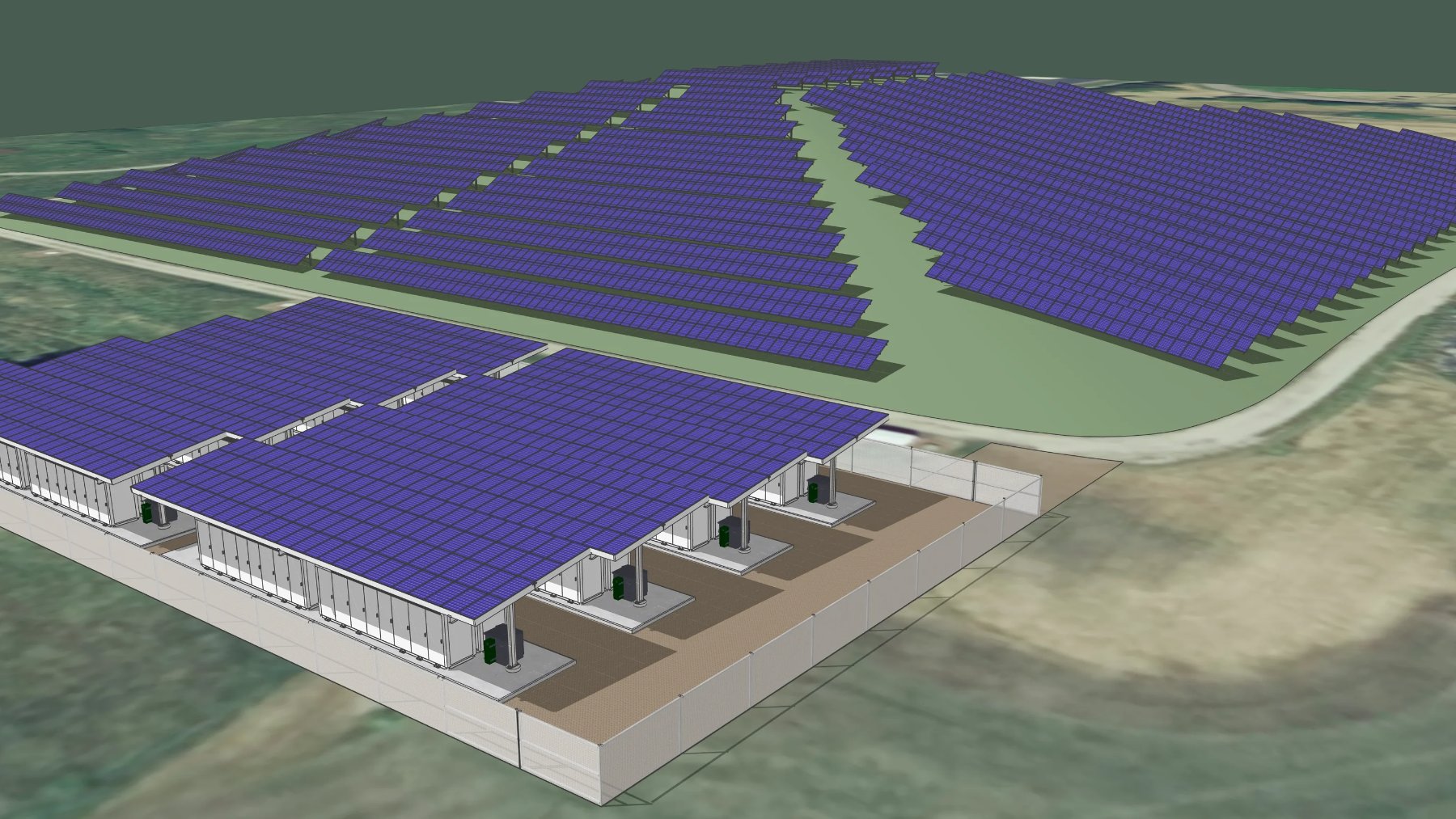
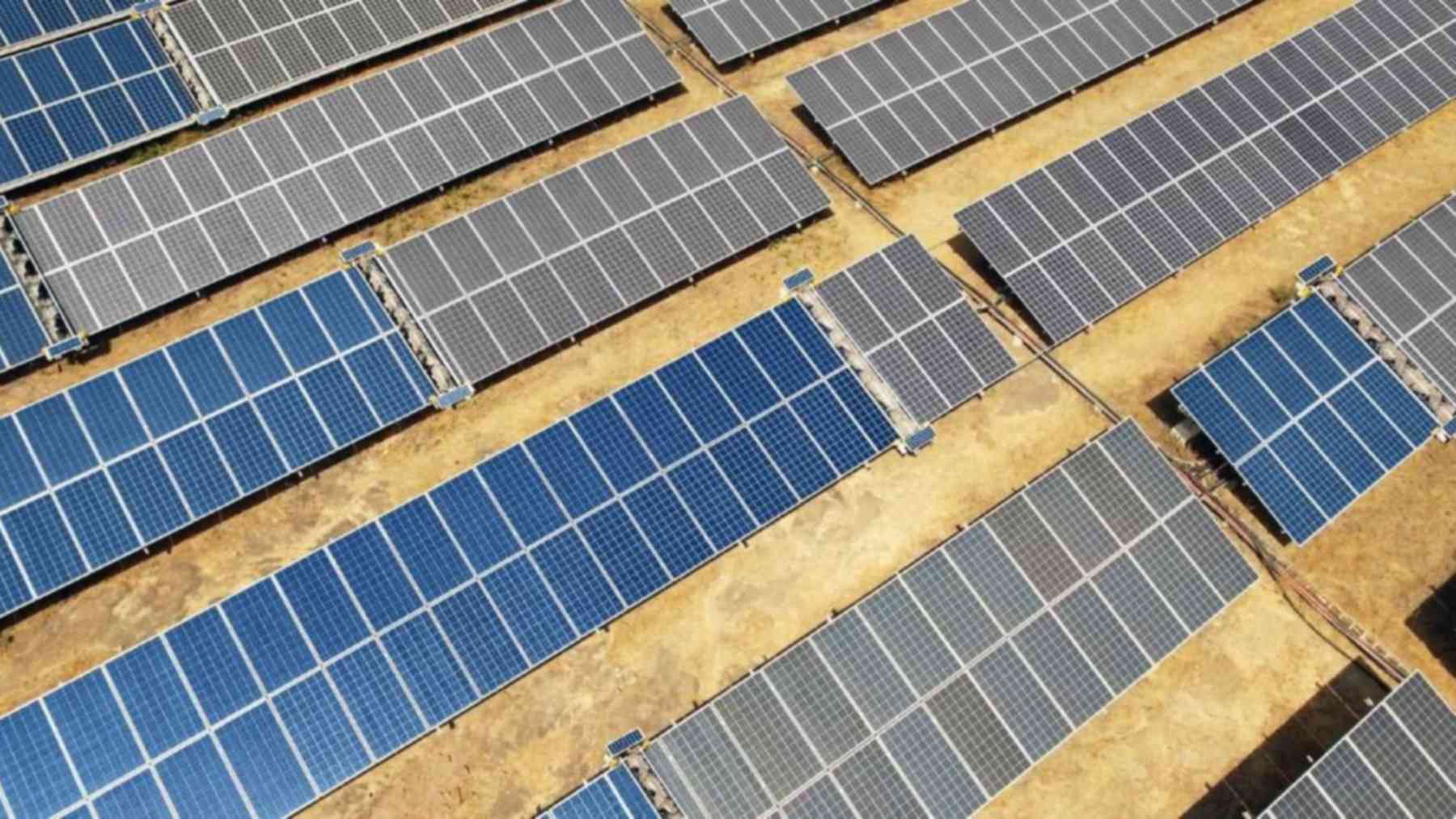
Photovoltaic radioactive cooling (PV-RC) is an emerging hybrid technology that combines solar photovoltaics with radiative cooling to provide sustainable electricity generation and space cooling. This technology has gained attention in recent years as a promising method to address rising energy demands and reduce greenhouse gas.
PV-RC systems utilize solar panels to generate electricity, while also leveraging radiative cooling to passively dissipate heat into outer space. This process creates a temperature difference that can be used for cooling applications without the need for energy-intensive air conditioners.
The solar electricity and cooling effects occur simultaneously, leading to an energy-efficient and renewable means of meeting electricity and cooling needs. Unlike traditional air conditioners which require a lot of electricity, PV-RC systems can provide cooling through passive radiative heat rejection.
This makes PV-RC a potentially transformative technology for reducing electricity usage in buildings during hot weather. With further development and adoption, PV-RC could play a major role in transitioning to a clean energy economy powered by renewable sources.
How PV-radioactive cooling works: the source that will replace nuclear energy
The hybrid PV-radiative cooling system combines photovoltaic cells with radiative cooling technology to provide renewable electricity along with passive cooling. The photovoltaic cells generate electricity from sunlight, as in traditional solar panels. This electricity can be used to power appliances and even send surplus energy back.
The radiative cooling component utilizes the atmosphere as a heat sink to cool surfaces. A specialized optical filter is designed to reflect sunlight while allowing surface heat to efficiently radiate into space as infrared radiation, lowering the temperature passively.
Together, the two technologies work in tandem – the PV cells generate clean energy from the sun’s radiation, while the radiative cooling system leverages infrared radiation to ambiently cool the PV and surrounding surfaces. The hybrid system aims to provide sustainable electricity with passive, energy-efficient cooling.
Scientists at MIT created a novel photonic approach to enhancing daytime radiative cooling performance. Their design uses a metagrating optical element which selectively emits mid-infrared thermal radiation into space. This enables more effective 24-hour passive cooling capabilities.
Recent breakthrougs that are raising optimism with this new energy
The field of PV-radiative cooling has seen significant progress and breakthroughs in recent years from researchers around the world. In 2021, scientists at Stanford University developed a thin, lightweight hybrid system that can provide electricity and cooling simultaneously.
The system combines narrow bandgap photovoltaics with radiative cooling in a single device. It was able to provide electricity with an efficiency of over 20% while also passively cooling to about 20°C below ambient air temperature.
Researchers at the University of Colorado Boulder made advances in improving the efficiency of radiative cooling devices. Their nano-photonic design approach boosted performance by 25% compared to previous radiative cooling prototypes. This brings the technology closer to being commercially viable.
These breakthroughs demonstrate the rapid progress in PV-radiative cooling designs and capabilities. Research in this field is unlocking the potential for this technology to provide sustainable electricity along with efficient, cost-effective cooling.
Will we see the European Union give up its misguided plans and finally close the nuclear power plants? Radioactive cooling energy may be the solution they need on the other side of the Atlantic, and we are already testing it here. Otherwise, the Sun will help us to produce it in large quantities, pour it into our power grid and bring about the necessary change.