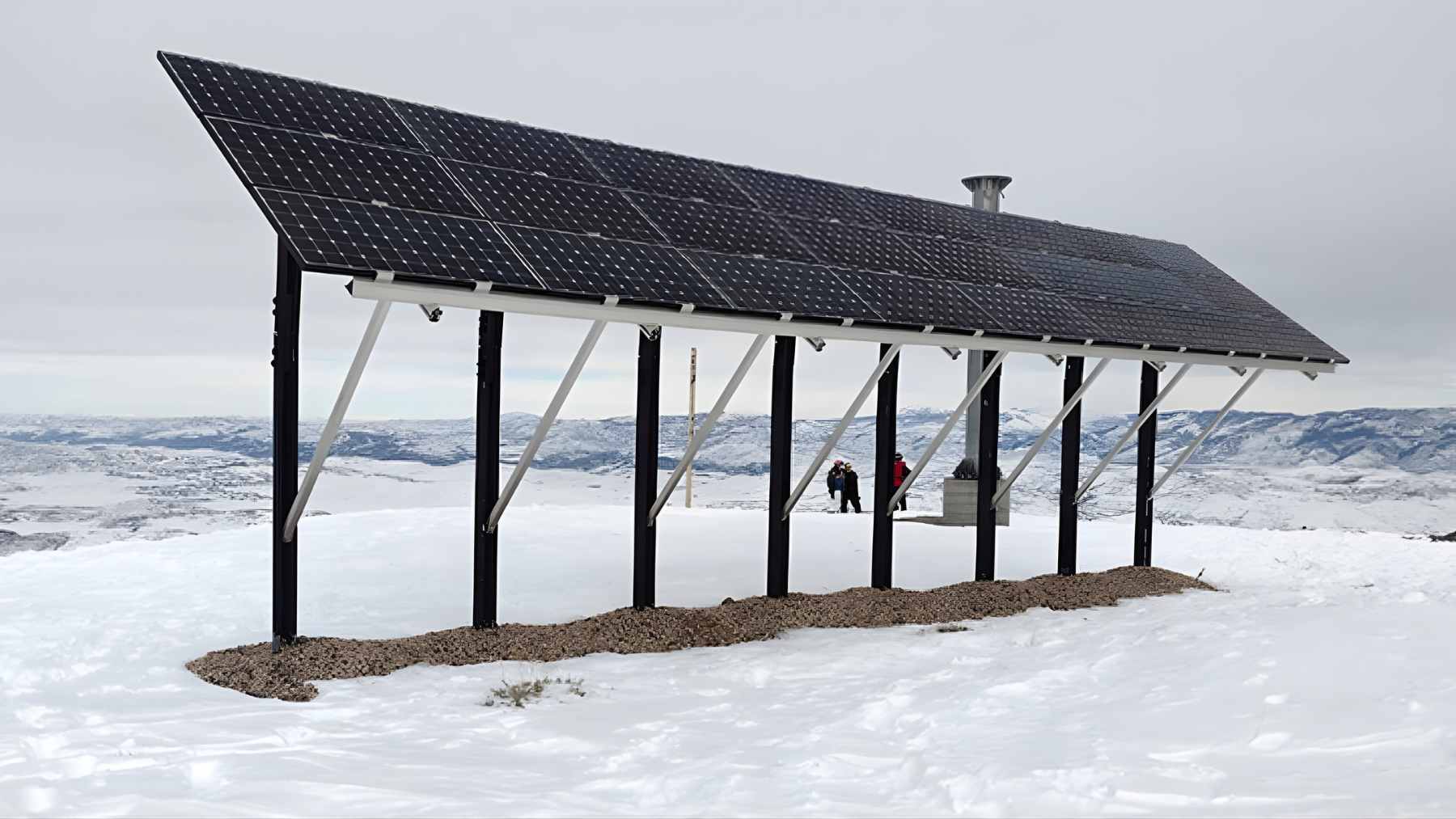
Winter brings shorter days, cloud cover, and the kind of snow that makes your roof look like a frosted cake. So it’s no surprise a stubborn myth pops up every year that solar panels are basically useless once temperatures drop.
Energy experts say that’s not how it works. Solar panels run on sunlight, not heat, and they can still generate electricity in cold weather, even if total output dips because the sun is up for fewer hours.
The winter myth that won’t quit
One of the most common misunderstandings is that cold weather “kills” solar production. In reality, panels can keep producing power on clear winter days, and colder air can help the equipment run more efficiently than it does in peak summer heat.
That does not mean winter looks the same as July on your app. For the most part, the seasonal hit comes from shorter daylight and a lower sun angle, not because the technology suddenly stops working. So the real question becomes a practical one. How much winter output do you need to still see savings on your electric bill?
Snow on panels usually does not stay put
Another worry is snow buildup. EnergySage notes that rooftop panels often shed snow faster than people expect because panels are smooth and installed at an angle, so once the sun comes back, snow can slide off instead of lingering for weeks.
There is also a safety angle that does not get talked about enough. Homeowners discussing winter solar often warn that trying to clear panels on a slippery roof can be risky, and it can scratch the panel surface if you use the wrong tools. If conditions are so dim that snow is not melting, you may not be losing much production anyway.
What the data says about snow losses
Scientists have tried to put real numbers behind the snow question, not just anecdotes. In a National Renewable Energy Laboratory report, David Severin Ryberg and Janine Freeman looked at how snow coverage affects energy output and found that “sliding” is often the dominant way snow clears from panels, which is one reason tilt and system design matter.
In plain terms, the steeper the panel setup, the more likely snow is to move off sooner, although every roof and storm is different. The report also stresses that predicting snow losses depends heavily on good local weather data, which helps explain why two nearby homes can have very different winter results.
Incentives are changing, and timing now matters more
Cost is still the dealbreaker for many families, even if solar can lower monthly energy costs over time. EnergySage publishes state-by-state information on rebates and incentives that can reduce upfront costs, and those programs vary a lot depending on where you live.
But the biggest headline for U.S. homeowners is federal policy. The IRS says the Residential Clean Energy Credit for home solar is not allowed for expenditures made after December 31, 2025, a shift that could change payback calculations for new projects starting in 2026.
The official work referenced here has been published by EnergySage.
Image credit: National Laboratory of the Rockies