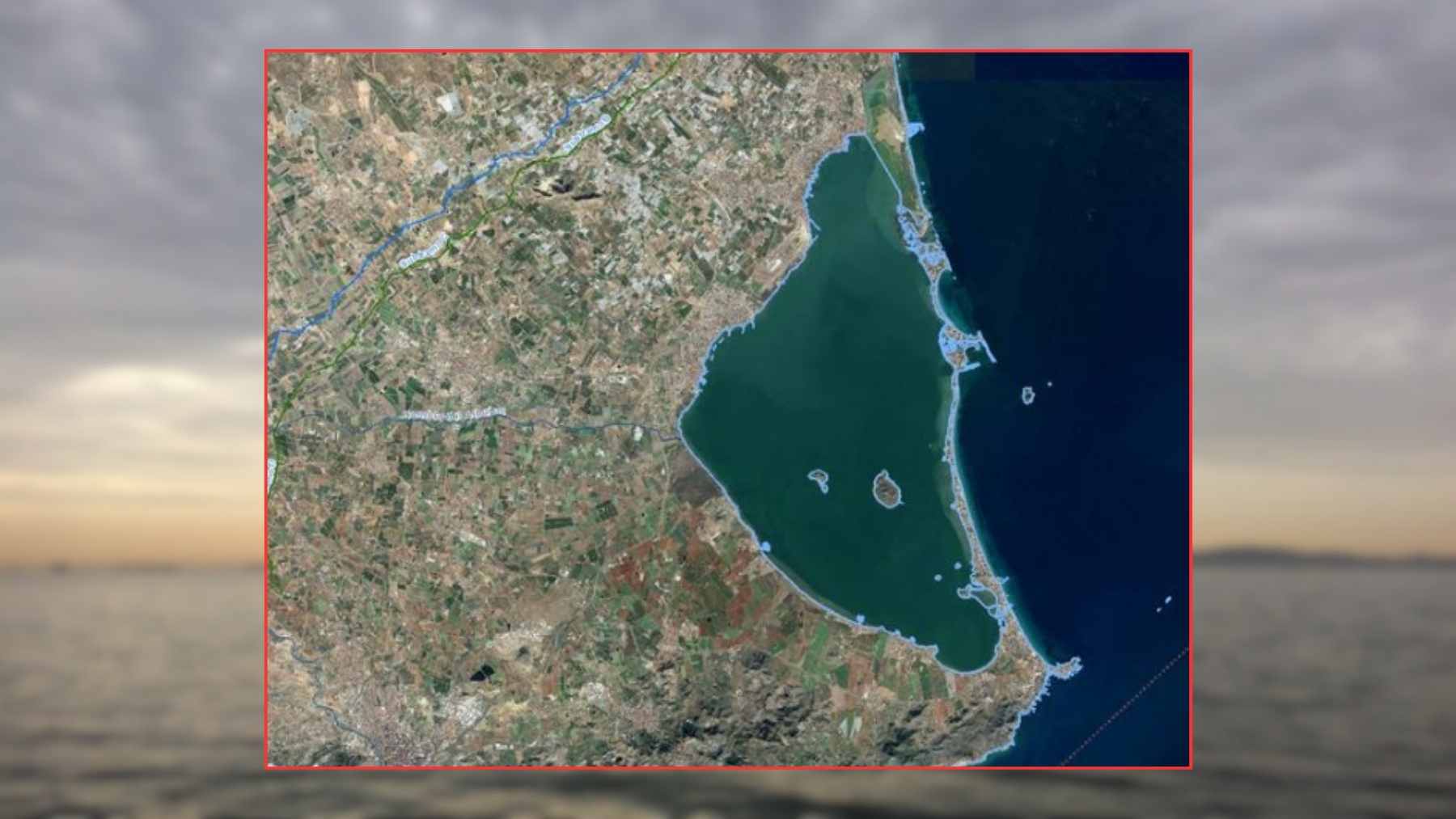
A hidden underground river carrying mercury has been discovered beneath Mar Menor, a well-known coastal lagoon in southeastern Spain. Researchers found that this flow of contaminated groundwater quietly delivers about one kilogram of mercury into the lagoon each year. The finding raises new questions about how safe and resilient this tourist hotspot really is.
The work, led by marine scientist Céline Lavergne at the Institut de Ciències del Mar in Barcelona, shows that this underground source brings in mercury at levels similar to those from the air and around seventy times more than the Albujón River, the only permanent stream feeding the lagoon. To a large extent, it turns the seafloor into a hidden pipeline for pollution. At the end of the day, that is what makes this discovery so unsettling for people who swim, sail, and fish there.
What scientists found under Mar Menor
Instead of a surface river, the team tracked groundwater moving beneath the lagoon floor through what experts call submarine groundwater discharge, which simply means water flowing from coastal aquifers into the sea out of sight.
By sampling lagoon water, sediments near the beaches, boreholes on land, and the Albujón River, they could map how this invisible flow moves. Their measurements showed that groundwater recirculating through the sediments carries especially high amounts of dissolved mercury.
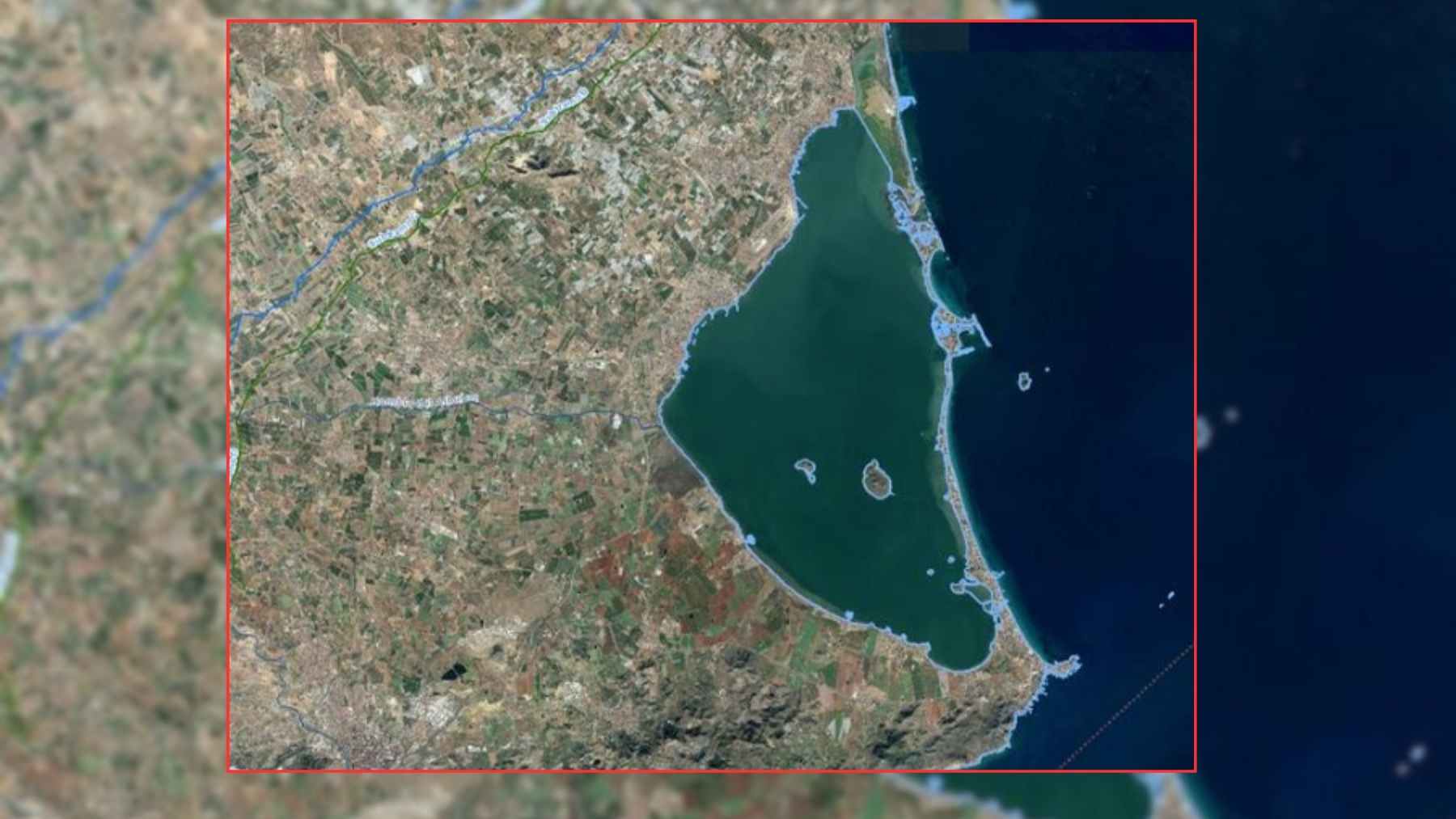
When the researchers added up those measurements, they estimated that this hidden river sends roughly one kilogram of mercury every year into Mar Menor, which is about 2.2 pounds. That load is similar to the mercury that falls directly from the atmosphere and far higher than the amount brought in by the Albujón River. In simple terms, the main drip of mercury now seems to come from below rather than from rain or surface runoff.
Much of the mercury is what scientists call legacy pollution that was left behind in soils and sediments by decades of mining and farm activity in the region. Co-author Andrea G. Bravo notes that “a significant portion of the mercury we measured originates from past activities” and is still moving through the system. For the most part, that means old contamination is being slowly flushed back into the lagoon throughgroundwater instead of staying buried.
From hidden metal to toxic methylmercury
Mercury itself is a metal that can harm the brain, kidneys, and nervous system when people are exposed to high levels over time. The most dangerous form in water is methylmercury, an organic version that easily builds up in fish and other animals.
According to the World Health Organization, exposure to methylmercury is especially risky for fetuses and young children because their developing nervous systems are more vulnerable.
In Mar Menor, the study found that places where groundwater meets salty lagoon water near the shore are perfect for turning mercury into methylmercury. These shallow zones tend to be low in oxygen and rich in organic matter, which encourages microbes that carry out this chemical change.
Researchers reported high methylmercury concentrations in nearshore waters, suggesting that coastal springs and seepage spots can become true hotspots for this toxic form.
Methylmercury then moves up the food chain so larger predator fish usually carry more of it than the small creatures they eat. For someone ordering grilled fish at a seaside restaurant, that is the link that matters most.
Current measurements in Mar Menor do not yet show alarming mercury levels in water or fish, yet scientists warn that extra methylmercury entering the lagoon could slowly change that picture if nothing is done.
A global wake-up call about groundwater pollution
Until recently, most pollution studies treated rivers and smokestacks as the main routes for mercury to reach the sea. Work in places like Waquoit Bay in Massachusetts and several coastal sites in Asia has already shown that groundwater seeping into the ocean can carry as much or more mercury than rivers or rainfall.
Marine chemists at Woods Hole Oceanographic Institution found nearly ten times more dissolved mercury entering one bay through groundwater than from the air, long before the Mar Menor results appeared.
The Mar Menor work is the first detailed effort to quantify how submarine groundwater affects mercury levels in a coastal lagoon rather than an open shoreline. By focusing on this shallow, semi-enclosed basin, the authors show that groundwater recirculating through the seafloor can dominate the mercury budget in a place where many people swim and fish.
Their findings in Environmental Science & Technology suggest that other lagoons around the world could be quietly receiving mercury from below in the same way.
What it means for a crowded tourist lagoon
Mar Menor is known for warm shallow water, long sandy beaches, and rows of vacation apartments that fill up each summer. At the same time, the lagoon has already suffered repeated algal blooms, murky water, and fish kills linked to nutrient runoff from farms and towns.
With climate change bringing hotter summers and more frequent heatwaves, low-oxygen events are expected to become more common, which is exactly when mercury converting microbes thrive.
Researchers emphasize that current mercury levels are not considered alarming, so there is no evidence of an immediate health crisis, yet the newly revealed groundwater source still demands attention. In practical terms, that means looking beyond the surface water that visitors see and paying attention to the invisible river beneath their feet, a step the team sees as essential for long term protection of this ecosystem.
The study was published in “Environmental Science & Technology”.
Image credits: CHS/MITECO