45 million tons of white gold seem to be disappearing underground, resulting in EVs collapsing rather quickly. In the heart of Chile’s Atacama Desert, lithium, the white gold that the world requires for EV batteries, is found. However, the Atacama Desert reserves seem to be collapsing, and tons of lithium are disappearing underground. While the Atacama Desert is a significant reserve, the reality of tapping into scalable lithium potential at this site is proving to have drastic consequences.
A valuable resource is disappearing underground in the desert
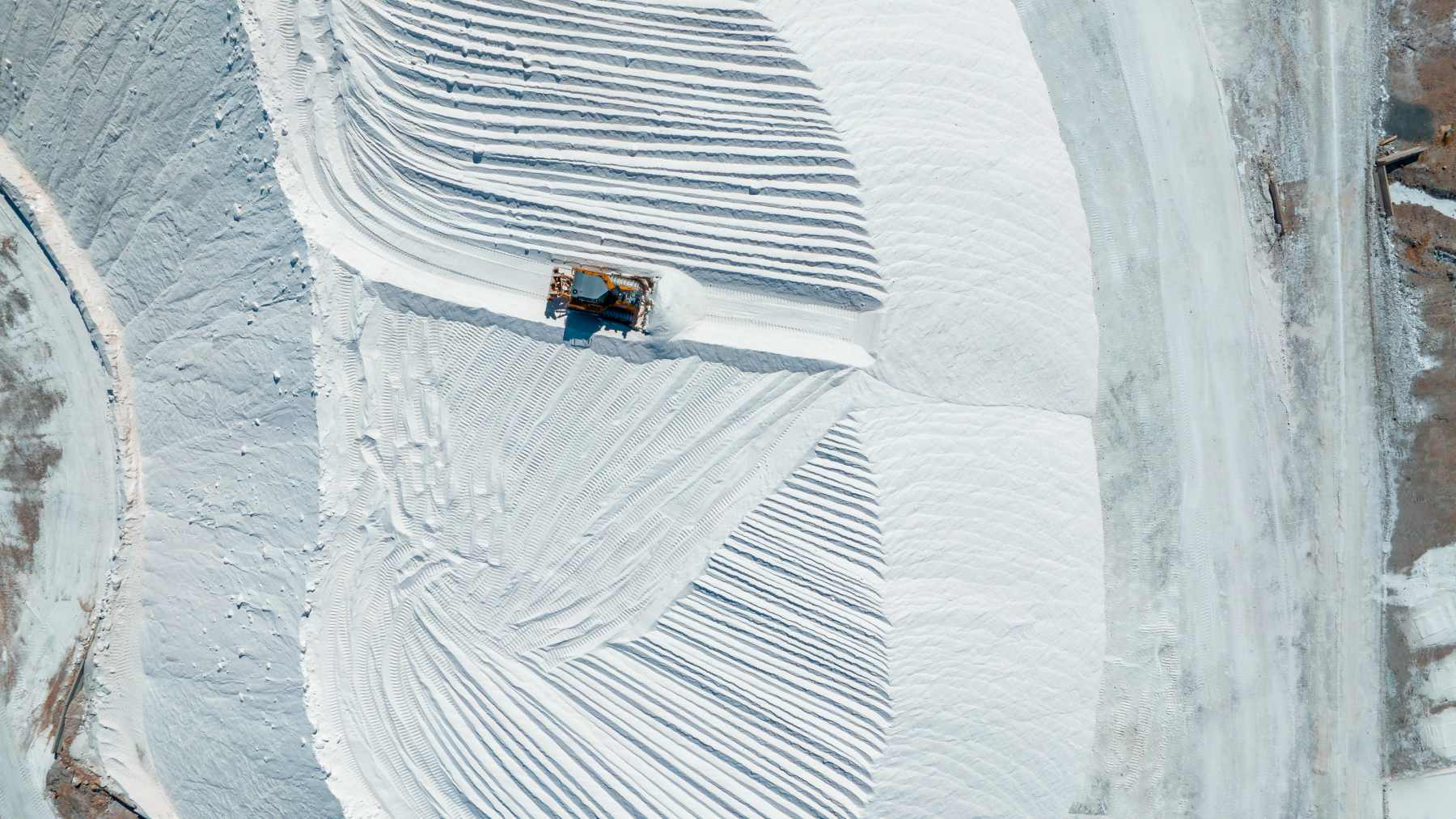
Environmental degradation can be blamed for much of Atacama’s lithium supply disappearing underground. Aside from environmental degradation, the extraction factor is also concerning. The extraction process requires brine to be pumped from underground aquifers into evaporation ponds and can take more or less 18 months for lithium to become concentrated. This surely is a slow and destructive method.
The main problem with this extraction process that demands the brine method is that the rate of brine extraction begins to be more than the natural charge rate of the aquifers. Such an imbalance is causing the Earth to sink.
The overpumping is causing lithium mining zones to sink, and the sinking of these zones signifies harm for future lithium mining opportunities. Should groundwater depletion continue to occur, 45 million tons of potential lithium carbonate production could remain locked deep beneath a collapsing crust.
“Green mining” efforts are causing an environmental strain
The reality is that while lithium is a core essential in terms of moving away from fossil fuels, the extraction of lithium is proving to be far from green. To gain a ton of lithium from brine, 2,000 tons of water will be required, and the water requirement is relatively much more so for a desert region. Not only are lithium mining zones sinking, but so too are the water levels at the Atacama Basin. In turn, mining for lithium could affect communities surrounding the Atacama Desert and the plant and animal population in the Atacama region.
Thus far, an 11% decline has been noted in the flamingo population in the last ten years due to mining activities that resulted in the loss of the flamingos’ habitat. Salt flat ecosystems where flamingos are fed and bred are ultimately affected by brine extraction. Environmental damage also occurs due to chemical contamination from products like sulphuric acid and sodium hydroxide that are used for refining lithium.
Chile’s Atacama Desert is not living up to its lithium potential
Chile is the world’s second largest lithium producer after Australia, with an average lithium concentration of 0,14%. However, the scale at which lithium is extracted is not at all pleasing. 2024 estimates showed that the Atacama Salt Flat can contain about 9,1 million tons of lithium metal, which can be used to produce 45 million tons of lithium carbonate equivalent (LCE) that is used for lithium-ion batteries. Nevertheless, with the country’s stricter regulations, there are only two companies that are licensed to produce lithium. Thus far, only Albermarle and SQM are responsible for lithium production in Chile.
The further setback comes from the fact that neighboring countries, such as Argentina and Bolivia, face technological and political barriers in terms of lithium production, leaving the production of lithium to rest squarely on the shoulders of Chile. However, Chile is finding it hard to produce enough lithium to keep up with global demands. Whenever the U.S. discovers the white-gold trove, it becomes a game-changer, so lithium is an essential material for the evolving global energy sector.
Can Chile put a stop to EVs’ collapsing future?
At present, there is pressure for Chile to go beyond material extraction. The suggestion is that Chile becomes a lithium-ion battery manufacturer, and as such, this will reduce the reliance on foreign-made products. Thus far, Albermale has invested $300 million towards R&D in Chile by 2043, which is a step in the right direction. However, should the Atacama Salt Flat continue disappearing, 45 million tons of lithium carbonate could disappear too, and perhaps the Mamatwan Mine could be the reason we say goodbye to lithium in the world.
Disclaimer: Our coverage of events affecting companies is purely informative and descriptive. Under no circumstances does it seek to promote an opinion or create a trend, nor can it be taken as investment advice or a recommendation of any kind.