The global energy sector is constantly evolving, and with the growing demand for cleaner and more sustainable solutions, a recent discovery in the United States has caught the attention of analysts and experts. This development has the potential to reconfigure the country’s energy supply chain and place the U.S. at the forefront of the battery revolution. But what exactly is behind this movement? The answer lies in a visionary project that could literally transform the energy market.
America’s energy future hinges on this “white gold” gamble
EnergyX is investing in a large-scale project aimed at ensuring local production of one of the most essential resources for the battery industry. This project is located in the Ark-La-Tex region, where the states of Arkansas, Louisiana, and Texas meet. A milestone in the US strategy to boost domestic production of critical resources.
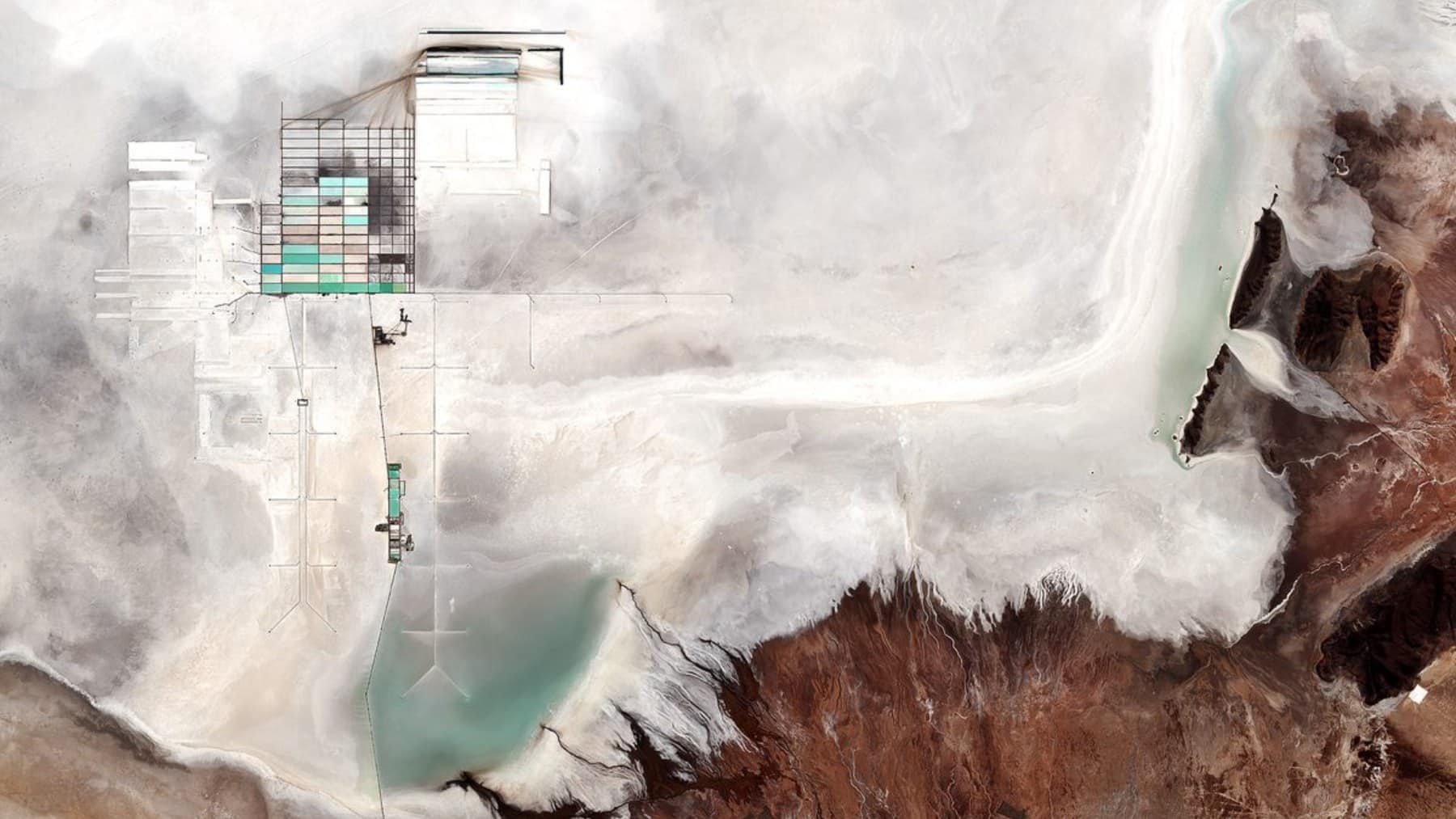
Okay, so what is this “white gold treasure”? Well, also known as the Lonestar plant, it’s a lithium extraction project that, according to EnergyX’s plans, will be able to produce 5,000 tons per year (t/y) of lithium in Phase 1 and expand to 25,000 t/y in Phase 2. Lithium is a crucial resource for the production of lithium-ion batteries, which power electric cars, electronic devices, and energy storage systems.
This demonstrates that EnergyX is investing not only in extraction but also in innovative technologies, such as LiTAS, which enables direct lithium extraction more efficiently and sustainably. This “treasure” is the promise of a future in which the US will be more independent in supplying a vital resource for the global energy transition.
Can America turn its lithium rush into a clean-energy revolution?
Thanks to the growing demand for batteries and electric vehicles, lithium is at the center of discussions about the future of clean energy. In this scenario, the Lonestar Lithium project emerges as a key player for the US to not only secure its lithium supply but also lead the global energy transition. We’re talking about direct impacts on the battery and electric mobility industries:
- Supply chain security: Lithium mined at Lonestar will help reduce dependence on foreign suppliers, positioning the US as a leader in lithium production.
- Sustainability: Utilizing LiTAS’s sustainable extraction technologies ensures that the environmental impact of lithium mining is minimized, meeting the growing demand for environmentally friendly solutions.
- Electric mobility industry: The project will help meet the demand for electric vehicle batteries by providing the necessary resources to expand the infrastructure required for a more sustainable vehicle fleet.
Not stopping there, EnergyX has already established strategic partnerships with companies like General Motors and Posco, which have priority rights to the company’s lithium production. This shows that, beyond a national project, Lonestar also has a significant impact on international markets (remember that German lithium-metal cars are already on the road).
From Texas to Chile: can lithium fuel a truly global clean future?
We must keep in mind that the Lonestar Lithium’s impact extends far beyond the borders of the United States. The growing global demand for lithium, driven by the transition to clean energy and electric mobility, puts the EnergyX project on the radar of several countries. Further analyzing this expansion into international markets, we can highlight: the Chile acquisition and LiTAS technology
Indeed, this lithium “treasure trove” is an essential resource for driving the future of clean energy in the US, ensuring the country has the resources necessary to meet the growing demand for batteries and electric vehicles. EnergyX is thus not only creating a lithium mine but also paving the way for a greener, more self-sustainable future. It’s no wonder some are already saying goodbye to gas boilers…