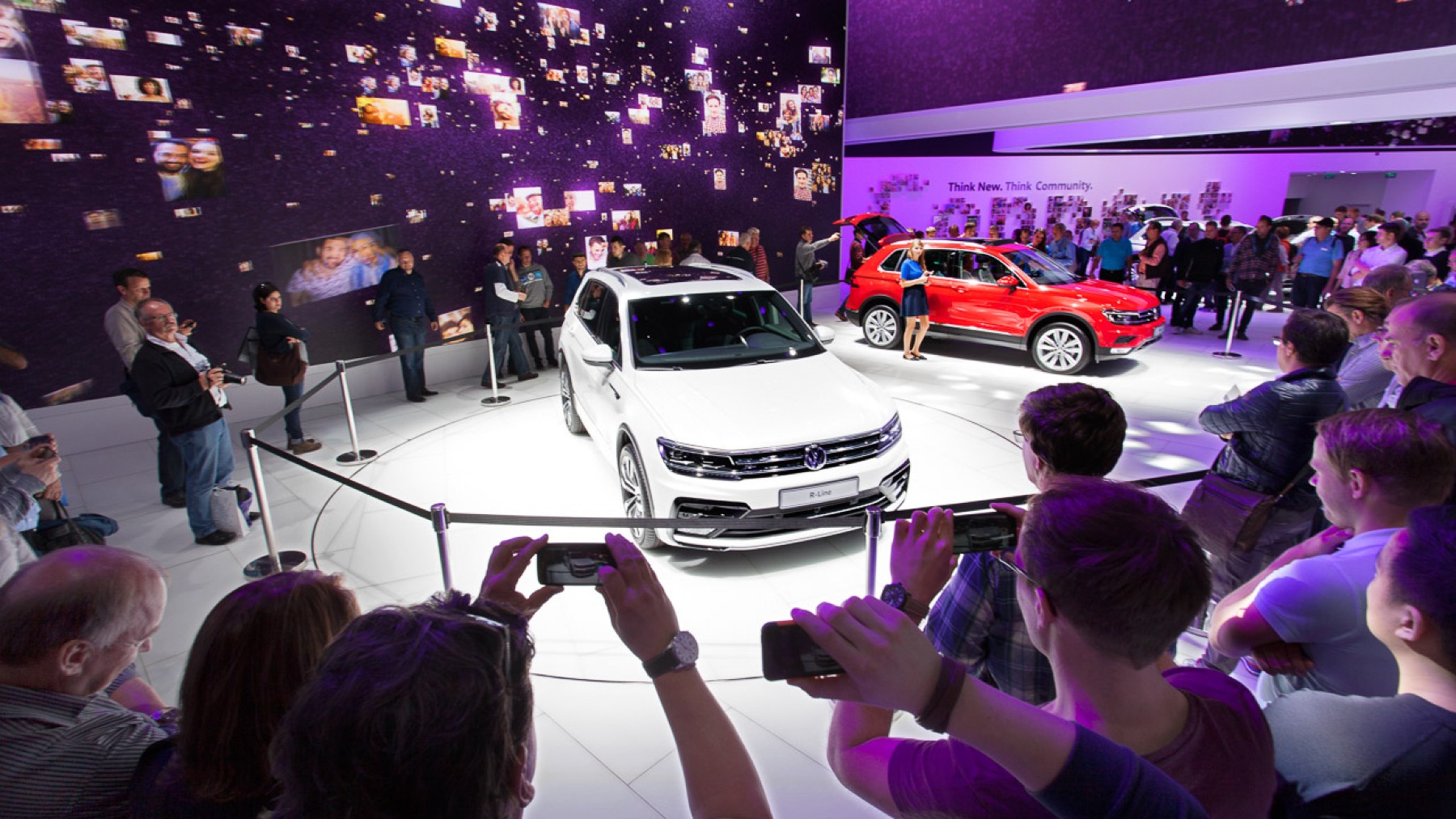
In a rather controversial decision, the German multinational conglomerate automobile manufacturer Volkswagen Group has decided to invest one third of their 2023 budget for electric next-generation cars towards developing more competitive combustion engines. Previously, Volkswagen has stated that they intend to only sell electric vehicles by 2033. This new announcement deviates from that plan entirely it would seem
Volkswagen to invest $ 60 million in internal combustion engines
The transition to electric has not been a fast or easy process for many vehicle manufactures, and automobile companies are having to make decisions regarding investing in less popular electric vehicles for the sake of the planet or continuing combustion engine development to keep bringing in profits. Arno Antlitz, Chief Financial Officer and Chief Operating Officer of the Volkswagen Group stated: “The future is electric, but the past is not over yet. It is a third and it will remain a third.
Volkswagen has previously been critical of internal combustion engines and seemed to be embracing the change to electric vehicles. Volkswagen brand head Thomas Schäfer was quoted last year saying that internal combustion engines were “old technology” and that electric vehicles and e-fuels are the cars for the future. The move for Volkswagen to invest part of their electric vehicle budget into internal combustion engines may be due to the uncertainty of whether the EU 2035 ban on fossil fuels will remain in place and not be overturned.
Electric vehicle sales are slowing, but plug-in hybrids remain popular
While there has been an overall decrease in electric vehicle sales across the United States and Europe, Volkswagen’s plug-in hybrid vehicles remain popular. Despite aggressive and ambitious plans by automobile manufacturers to go fully electric before the end of the decade, companies are battling to get consumers to switch all the way. Hybrid vehicles appear to be the extent as to how far consumers are willing to let go of the age-old favorite combustion engine.
With this knowledge in mind, other companies part of the Volkswagen group such as Lamborghini and Bentley are trying to come up with ways to continue with use of the internal combustion engine but without fossil fuels. Other vehicle manufacturers have reconsidered their plan-of-action to go fully electric. Bentley has postponed its plan to go fully electric by 2030 by three years as well as Ford and Aston Martin reconsidering the possibility of being fully electric.
E-fuels may be the secret to a carbon-neutral future
With automobile manufacturers recognizing that the internal combustion engine is being stubbornly held onto by consumers, manufactures are considering ways in which e-fuels can be used instead with the internal combustion engine to keep consumers happy. Another possible route is to develop an electric vehicle range which is competitive with current internal combustion engine costs of commercial vehicles. Electric vehicles remain as luxury vehicles currently, making them largely unaffordable for your average consumer.
While the world continues to have high hopes for the future of electric vehicles, consumers are not going to give in unless electric vehicles become more financially accessible. Further, charging networks for these cars need to be considered if they are to be widespread. There needs to also be consideration that currently, the majority of electric vehicle sales come from Europe, Asia, and North America while the rest of the world, particularly the global South, does not have the infrastructure to support electric vehicles.
While Volkswagen’s move to invest their electric vehicle budget into internal combustion engines is controversial, it is also a sign of consumers not moving to electric vehicles has rapidly as the automobile industry had hoped. However, companies need to start finding innovative solutions to sustainability which is not just limited to electric and start formulating widescale operations to ensure that consumers feel confident to make the switch.