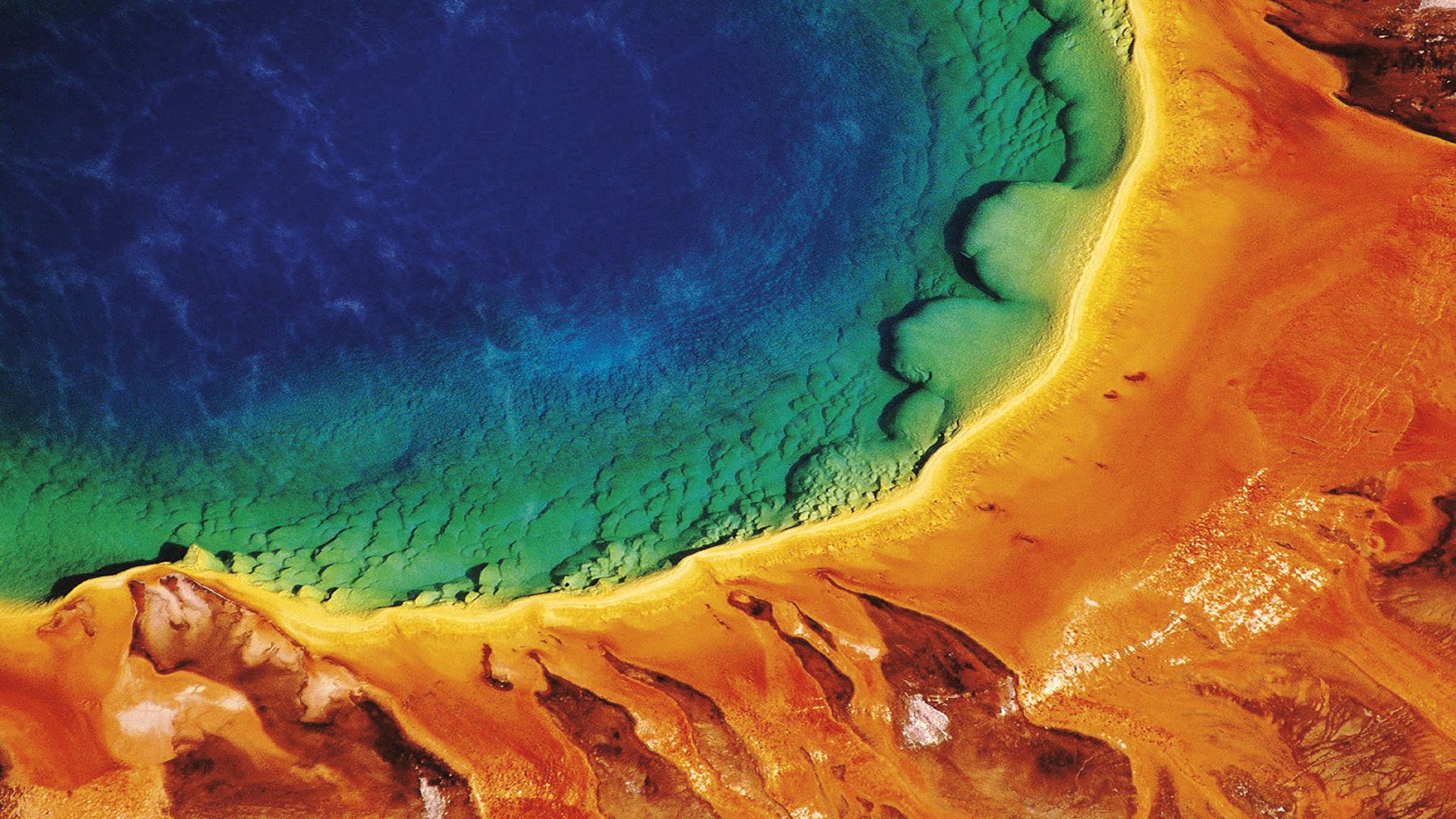
Science has revealed that the Yellowstone supervolcano displays active signs, representing Earth’s most formidable volcanic system. Research indicates that experts detected a masked magma chamber beneath Yellowstone National Park that is starting to move, potentially producing significant geological disturbances in the future. These research findings will be analyzed extensively throughout this discussion.
Discovery of the hidden magma cap
Scientific investigations discovered a hidden magma base underneath Yellowstone National Park, which has brought forth momentous geological observations. A layer of molten rock called magma lies beneath the park surface, and its movement concerns experts about volcanic potential.
Scientific imaging methods enabled scientists to identify the presence of this concealed magma reservoir. Seismic tomography represents an analytical technique that uses seismic waves to generate detailed pictures of subsurface areas. Scientists discovered the magma cap through years of thorough research and data evaluation.
Implications for volcanic activity and potential risks
Scientists have established that the subsurface movement of the hidden magma cap at Yellowstone affects volcanic activity in the surrounding area. The effective protection of lives and property depends heavily on the united efforts of scientists, government agencies, and public participation to respond properly to Yellowstone supervolcano activity modifications. The ongoing volcanic activity indicates geological potential but does not require immediate volcanic eruptions.
Experts express their main worry regarding the rise of volcanic activity. The slow upward movement of the magma cap might build considerable pressures inside the volcanic system. An explosion caused by such pressure buildup has the potential to cause destructive havoc throughout the affected areas and across global climates.
Monitoring and preparedness
Preventing potential damages from the Yellowstone supervolcano necessitates vital monitoring activities combined with prepared response procedures. Scientists track the movement of the magma cap alongside volcanic indicators to detect volcanic warnings and reduce the impact of potential volcanic events.
The Yellowstone Volcano Observatory is the leading monitoring institution. It monitors volcanic changes through its combination of seismic stations, GPS sensors, and various other instruments. Monitoring the site is crucial because such operations help detect warning signs during early volcanic activity while providing necessary notification to citizens.
Historical context and future outlook
Three fundamental supervolcanic eruptions have taken place at Yellowstone supervolcano since the formation 2.1 million years ago. The success of supervolcano hazard control requires both public awareness programs and early warning systems as well as existing observation systems. By studying historical records researchers can predict both existing dangers and possible outcomes from its volcanic processes.
Learning from past eruptions
Two massive volcanic eruptions at Yellowstone accompanied the supervolcano activation that occurred exceeding 2.1 million years ago. The eruptions produced harmful effects which spread across the world because they impacted both environmental systems and climate frameworks. Through studying past volcanic occurrences scientists learn about Yellowstone’s potential actions to prepare future emergency responses.
Scientists achieve a greater understanding of the supervolcano through their discovery of an unknown magma chamber beneath Yellowstone National Park during their research. The observed movement of the magma cap shows the necessity of continued monitoring efforts and readiness preparation, despite not guaranteeing immediate volcanic activity. Scientific research about this geologic phenomenon requires comprehensive public awareness regarding the dangers of the Yellowstone supervolcano.
Public education and preparedness initiatives are essential, alongside monitoring efforts. The authorities maintain various initiatives to teach people living and visiting the area about potential threats and security protocols related to increased volcanic activity. The plans include evacuations and emergency responses with community drill exercises.
Developing knowledgeable and ready communities reduces the destructive power of volcanic events. The adequate protection of lives and property depends heavily on the united efforts of scientists, government agencies, and public participation to respond appropriately to Yellowstone supervolcano activity modifications.