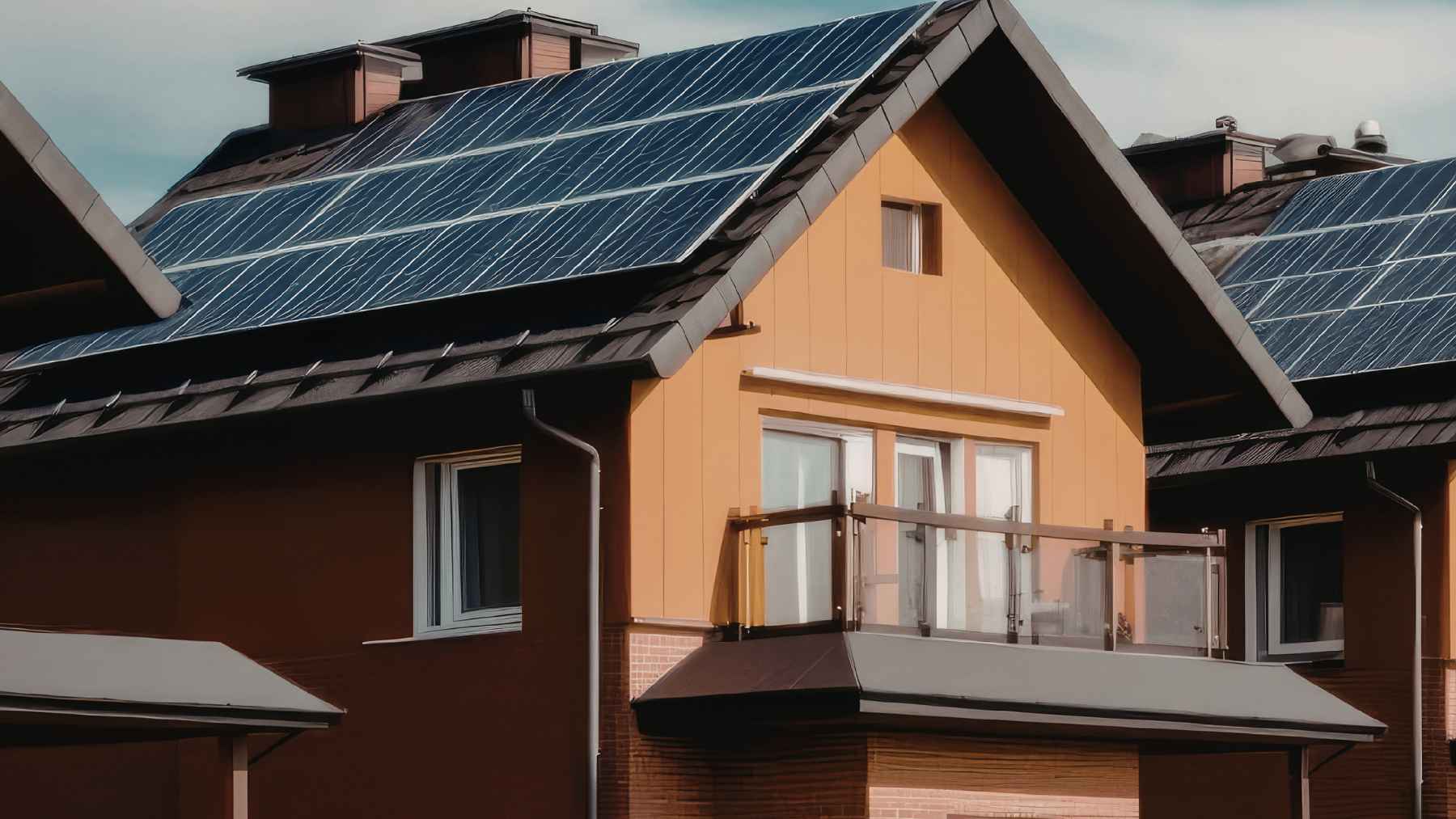
Solar power continues to reach new heights every year. Set to be the largest source of renewable energy power within the next decade, the potential for solar power has not lost its momentum since it was first introduced. Synonymous with “green energy”, large-scale utility solar farms are increasing across the world, as well as their application to power private homes.
Solar power continues to reach new innovation
Solar power continues to be used across a variety of applications as contexts. Currently, the most widely used form of solar power is for electricity generation, both for utility usage and in private homes. However, the technology has also been evolving to be used in specific technologies and appliances. Even solar powered boats, while not widely in development, are available to purchase.
Solar power is particularly important within the context of space technology. The International Space Station is powered entirely by solar power, utilizing specially designed solar arrays to capture energy from the sun. These solar panels on the Space Station are different to the ones you find on homes and buildings on Earth, They are smaller, more flexible, and most importantly, are autonomous in order to ensure they function in space with limited human involvement.
Solar Wind: An exciting concept
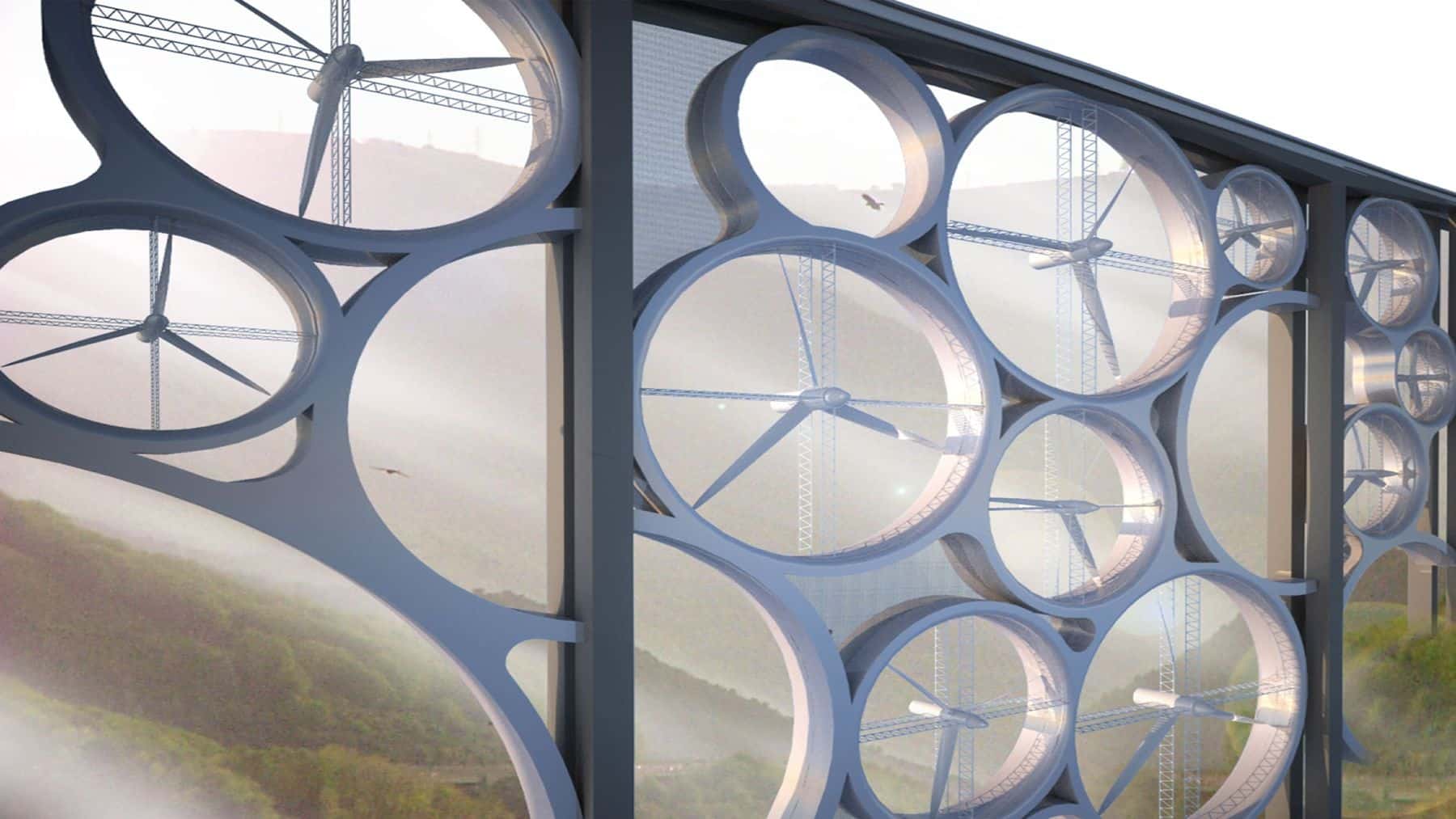
Solar power has continued to achieve momentous heights, with technological designs far beyond what we ever thought possible. Ten years ago, design team Francesco Colarossi, Giovanna Saracino and Luisa Saracino proposed a hybrid solar wind design concept which would generate 40 million kilowatt-hours per annum. It was designed with the idea of using the existing structure of the “Costaviola” viaduct between Scilla and Bagnara, highlighting innovating ways we can use existing structures to be more green.
At the time, the team proposed the design for a competition which was looking at ways to repurpose old viaducts in Calabria. Demolishing old structures is a surprisingly costly procedure, and to tear down the old viaducts would have cost upward of 50 million euros. Instead, the local government ran a competition for ideas on how they could repurpose the old structures in an environmentally friendly way.
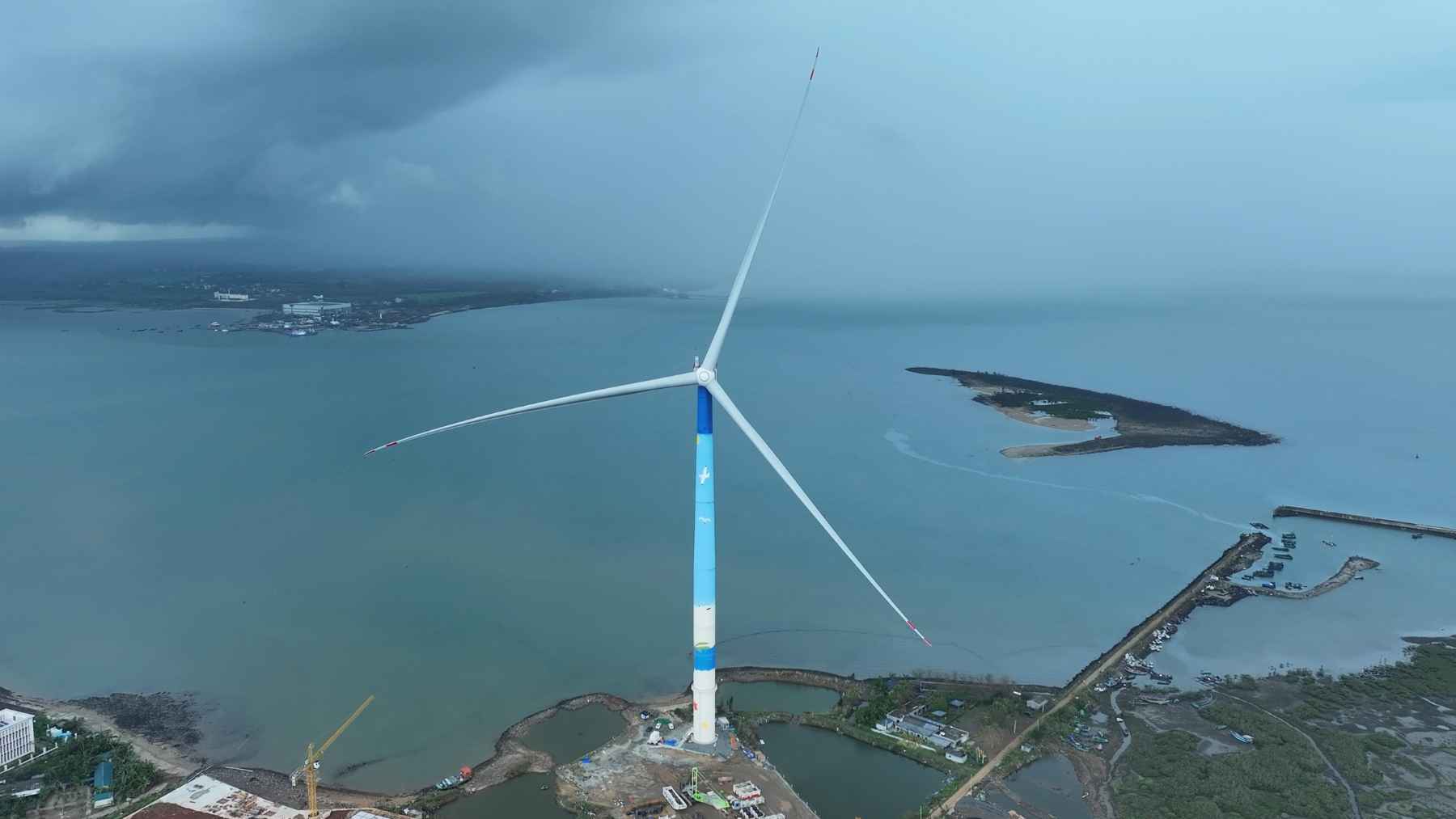
The team came up with an idea to integrate 26 wind turbines into the structure, which would have generated 36 million kilowatt hours of electricity every year. In addition, the team suggested the inclusion of a solar powered roadway which would have produced an additional 11.2 million kilowatt hours per year. These types of ideas highlight how renewable power systems can be built into existing structures, instead of needing to always start from scratch on unused land.
Renewable energy needed now more than ever
At this time, renewable energy solutions are needed now more than ever. With the world edging closer to exceeding our global warming limit of 1.5 degrees Celsius, renewable energy applications has never been more necessary. While the energy sector needs a complete revolution, the transportation sector also needs to undergo significant changes in order to reduce the dangers of global warming.
Alternative engine solutions have been high on the rise, most notably the electric car. Hybrid electric vehicles are the most popular alternative engine solution on the road, partly due to the fact that the technology has now been around for a while and consumers trust it, but also due to the popularity of Tesla vehicles which helped to make the technology appear luxurious and desirable.
in addition to electrical vehicles, hydrogen vehicles have been fast on the rise as a complement to electrical engine solutions. Pioneered by Toyota, the engine holds potential in diversifying renewable solutions on the road, however, significant infrastructure upgrades will be needed for the technology to become more widespread and supported.