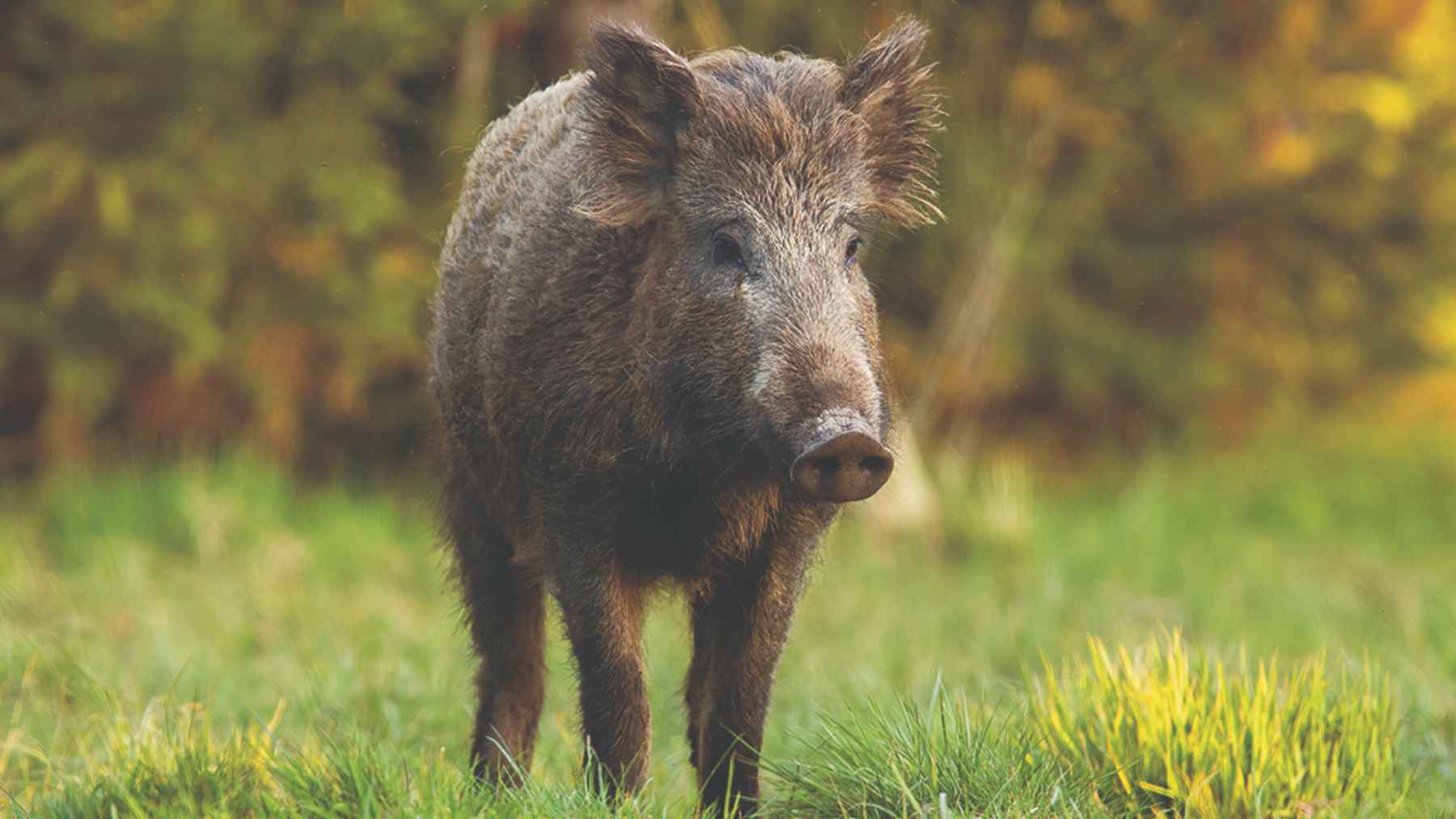
If you’ve ever walked a field at sunrise and found fresh furrows where neat rows used to be, you know how fast wild boars can turn a season’s work into cleanup. They show up quietly, root like rototillers, and leave behind a mess that is expensive and exhausting to fix.
Now, a long-running dataset suggests something that sounds almost too simple. A lot of this damage follows a predictable schedule. And once you see the pattern, the big question becomes, why are we still treating wild boar damage like a surprise?
A new study tracked 9,871 crop-damage incidents across more than two decades in Poland’s Spała Forest District, covering about 12,355 acres (5,000 hectares). The researchers found seasonal “feeding preferences” that shift through the year, with the busiest pressure in late summer and fall, plus a health warning that goes beyond broken stalks.
A long dataset makes the damage surprisingly predictable
The researchers didn’t rely on a handful of anecdotes. They analyzed 9,871 reported cases collected with the same approach over more than 20 years in one landscape where crop structure changed only minimally.
That consistency matters because it helps separate real behavior from noise. In plain terms, the boars weren’t acting randomly. They were following what looks like a seasonal menu.
Summer and fall are when most farms feel the pressure
The study describes a “frequent and weak” pattern in late summer and fall, when wild boar numbers were two to three times higher, leading to many more incidents even if each one tended to be less severe. That’s the season when fields can become a buffet, and the traffic in and out ramps up.
What are they targeting during that stretch? The data show a clear progression from cereals in summer to legumes in early fall, then root crops later in the fall. Think of the way our own grocery habits change through the year, except their shopping cart is a snout and a set of tusks.
Spring damage is rarer, but it can be dramatic
Here’s the twist. Spring didn’t bring the most incidents, but it did bring a different kind of problem. The researchers found a “rare and severe” pattern in spring, when the wild boar population was at its lowest yet the damage events, when they happened, were highly destructive and often centered on meadows.
How can fewer animals cause worse damage? The paper doesn’t pin that down to one cause, but the takeaway is practical. A single intense episode early in the season can still knock a farm off its rhythm, especially when pasture or hay ground gets churned up fast.
Why the same pattern keeps coming back
The study’s core insight is baked into its design. Because the monitored area stayed relatively stable in crop structure and was tracked year after year, seasonal behavior showed up as a repeatable pattern rather than a one-off spike.
The researchers also identified an “indirect” pattern tied to times when fields were less attractive, including parts of summer and winter. That’s a useful reminder that not every week is equal, even inside the same season.
What prevention looks like when you can see it coming
The study is observational, meaning it maps when and where damage happens rather than testing a specific fix. Still, if damage follows a calendar, prevention can too. Why wait until the damage is already done?
In practical terms, that can mean focusing limited tools when they matter most. Temporary fencing, targeted deterrents, and coordinated monitoring efforts may be most valuable around cereals in summer, then legumes and root crops as fall progresses, with special attention to vulnerable meadows in spring. The point is timing, not just effort.
The hidden risk is more than lost grain
Crop losses are the obvious headline, but the study flags another one. It argues that management should consider sanitary risks, including African swine fever (ASF), alongside damage reduction.
ASF is a highly contagious viral disease of domestic and wild pigs, and mortality can reach 100% in affected populations. It does not pose a risk to human health, but it can devastate pig farming and ripple into the wider economy.
And yes, that can hit everyday life. USDA has warned that an ASF outbreak could disrupt production and drive up grocery prices, even though it isn’t a food safety threat to people. That’s why predictable wild boar concentrations in late summer and fall are not just an agriculture issue, but also a disease-prevention signal.
The study’s official listing was published on PubMed.