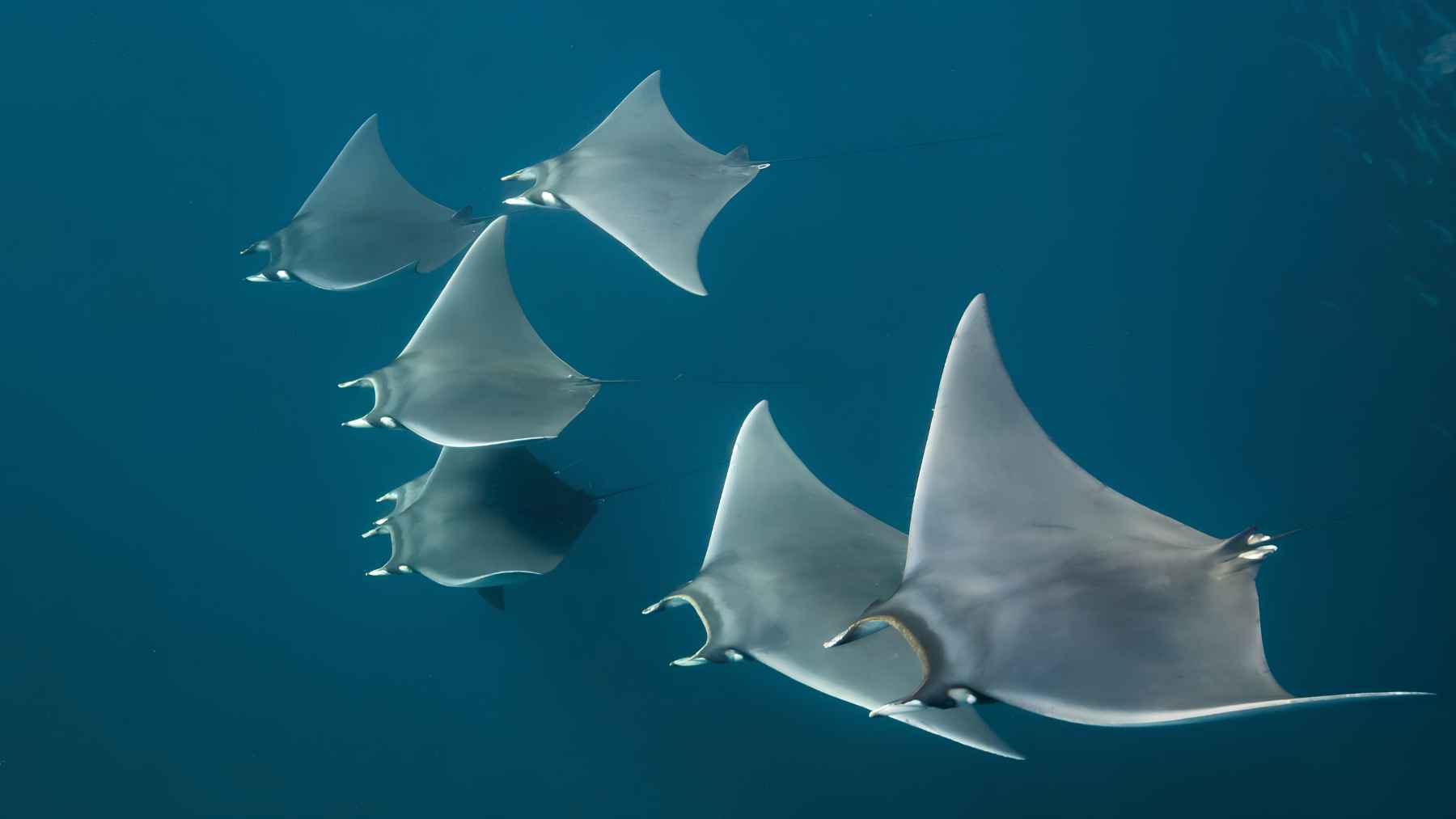
A frightened bat ray does not need to splash, squeal, or point toward danger to change the behavior of nearby rays. New research suggests it may send a warning through the water itself, using a chemical cue that other bat rays can sense within seconds.
The finding matters because this kind of anti-predator message was already known in many bony fish, but had not been documented in sharks, rays, and skates. So what does a warning look like when no one can see or hear it? In practical terms, the ocean may carry more silent alarms than scientists realized.
Chemical warning in the water
Researchers led by Joshua Bowman at Oregon State University tested whether bat rays react to water that had flowed past another ray after a simulated predator scare. He described the response as a “chemical alert from the frightened ray.”
That wording is important. A chemical cue is not a voice or a conscious SOS, at least not in any human sense. It is more like a scent trail in water, carrying information that another animal may use to decide whether to flee.
How the test worked
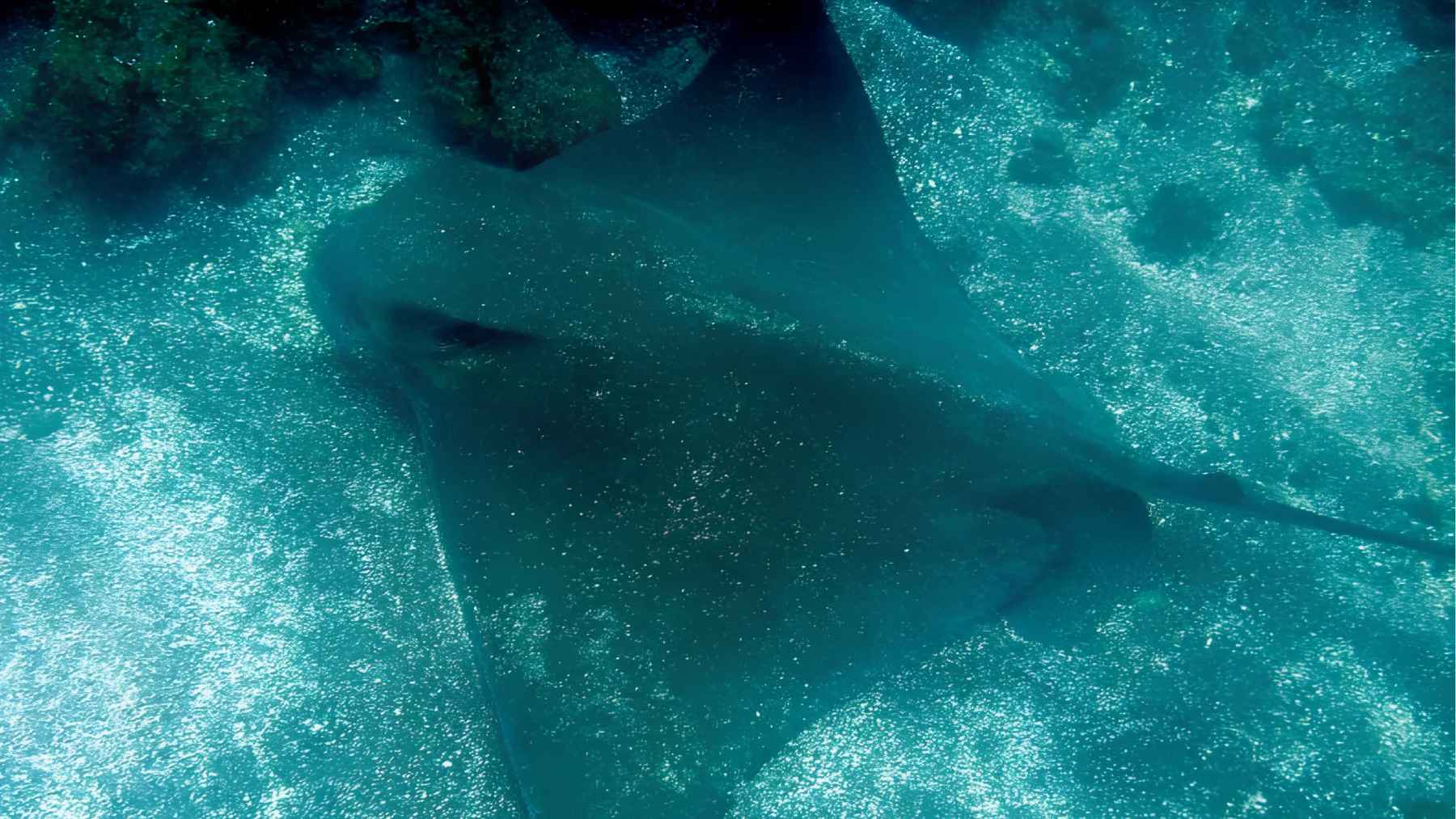
The team set up three tanks, each with one bat ray. One tank acted as the sender, and water from it flowed into two receiver tanks, while the animals were blocked from seeing or hearing one another.
After the rays settled in, the sender ray was chased for 30 seconds with a stick to mimic a predator attack without injuring the animal. When that water reached the receiver tanks, the other rays swam faster and shifted toward more active movement.
Receiver rays increased speed by about 1.2 inches per second, roughly a 21 percent jump, while control rays showed no meaningful change. Small numbers can matter underwater, especially when the difference is getting away or staying too long.
Why bat rays were chosen
Bat rays are not random stand-ins for sharks. They belong to the elasmobranchs, the cartilage-framed group that includes rays, sharks, and skates. Cartilage is the firm, flexible material also found in a human nose.
Studying white sharks directly is much harder, and not just because they are famous. They are large, mobile, and difficult to work with in controlled experiments, while bat rays are smaller and more accessible. The animals in this experiment were borrowed from the Oregon Coast Aquarium in Newport.
That’s where the study gets interesting. If rays use this pathway, scientists can ask whether related animals, including sharks, may be listening to the water in similar ways.
The shark connection
People often picture sharks as the danger, not the ones needing a warning. But even white sharks can become prey when orcas enter the scene.
That point fits with a 2019 Scientific Reports study showing that killer whales can drive white sharks away from seal hunting areas. The new question grew from that mystery, because not every shark has to see an orca to decide, in effect, “time to leave.”
Could a chemical signal be part of that decision? The new bat ray work does not prove that for white sharks, and the researchers are not saying it does. It gives scientists a testable path.
What scientists still do not know
The biggest missing piece is the chemical itself. The research supports the idea that something in the water changed after the bat ray was frightened, but the team has not identified the substance.
That matters because different chemicals can tell different stories. Some fish alarm cues come from injured tissue, but this experiment was designed to avoid harm, which points toward a disturbance cue rather than a wound signal.
That difference is not just technical. It suggests the cue may be tied to fear, stress, or rapid movement during a threat, not necessarily blood or damaged skin.
Why it matters beyond the lab
At the end of the day, this is about survival. In the wild, a cue moving through water could give another ray a head start before it sees a predator.
Taylor Chapple, a coauthor and associate professor, said the finding opens “new insights” into communication in these species. The full author team also included Jamie Cornelius, Alexandra Schoen, and Mauricio Cantor.
The lead author also warned that disturbing one animal may affect more than the animal in front of you. That is a quiet but practical takeaway for aquariums, research tanks, divers, and anyone who handles marine wildlife.
A hidden language in the ocean
Bat rays already look like creatures built for quiet movement. Their flat bodies and winglike fins let them glide over sandy bays, kelp beds, and rocky bottoms along the Pacific coast.
Now they may also be messengers. Not with sound. Not with a flash of color. With chemistry.
The official study has been published in Journal of Experimental Zoology Part A: Ecological and Integrative Physiology.