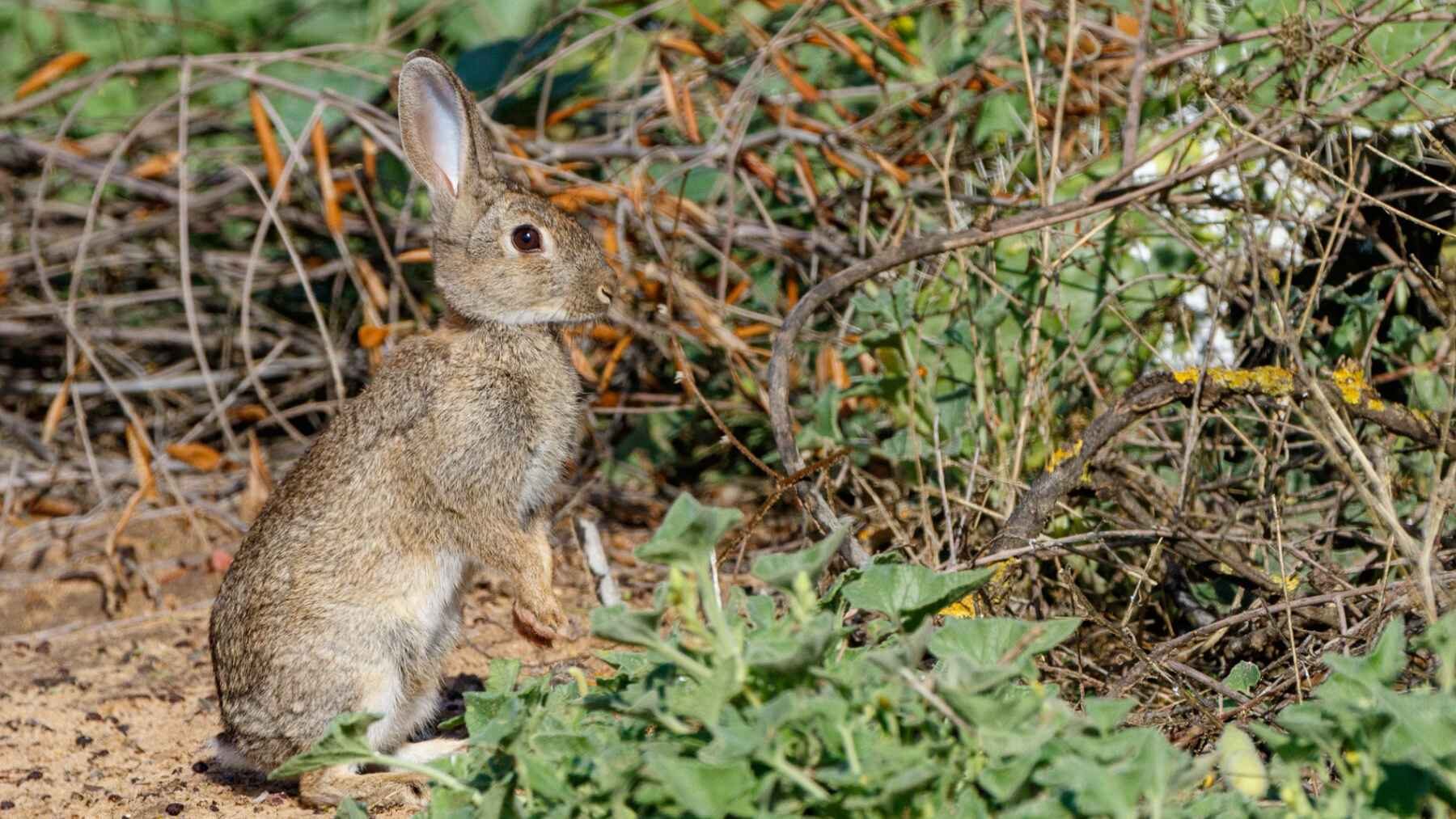
For more than a century, scientists treated the wild rabbits of the Iberian Peninsula as one species with two regional forms. A new study argues that this familiar picture is wrong and that western Iberia is home to a separate animal, the Iberian rabbit, which may have been hiding in plain sight all along.
The distinction is far more than a change to a field guide. The proposed Iberian rabbit is declining in Portugal and southwestern Spain, while the European rabbit remains stable or is increasing in other areas. By managing both under one name, conservation agencies may have missed how serious that decline has become.
Two rabbits under one name
Researchers from the Institute for Advanced , worked with scientists from Spain, Portugal, and the United Kingdom. Their paper separates the Iberian rabbit, Oryctolagus algirus, from the European rabbit, Oryctolagus cuniculus.
The Iberian rabbit occurs naturally across Portugal and western Spain. The European rabbit dominates eastern Iberia and gave rise to many populations introduced elsewhere in Europe, Oceania, and the Americas, where rabbits can become damaging invasive animals .
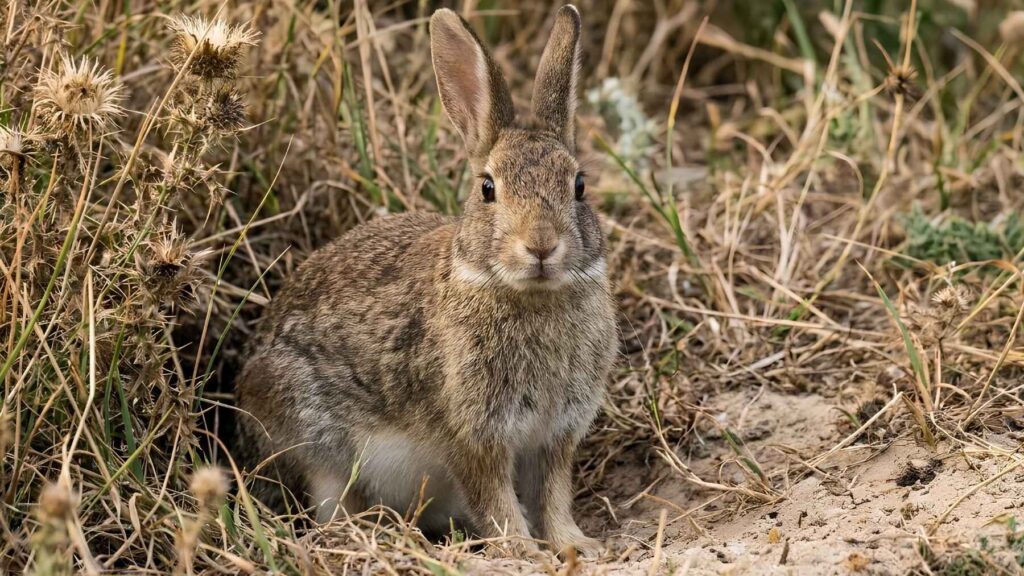
At first glance, the two rabbits are easy to confuse. That is why scientists describe this as “cryptic diversity,” meaning separate evolutionary groups can look so similar that ordinary classification fails to notice them.
Separated by ice and time
The two lineages split roughly 2 million years ago during glacial periods. Researchers say their ancestors became isolated in different refuges, one around the Ebro Valley and the other near the Gulf of Cádiz.
Since then, they have followed largely separate evolutionary paths and have rarely interbred in a meaningful way. Their coats and body shapes stayed similar enough to keep the deeper divide hidden from view.
Rafael Villafuerte summarized the finding simply. “Both species have always existed. What has changed is our knowledge about them.”
The differences are real
Genetics provides the strongest clue, but it is not the only one. The Iberian rabbit is generally smaller, has darker fur, produces smaller litters, and reaches sexual maturity earlier than the European rabbit.
The animals also carry different gut microbiomes and communities of parasites. Researchers report broader differences in behavior, reproduction, ecology, and population trends, building a case that goes well beyond a few DNA markers.
How can two animals remain so alike after millions of years apart? Similar environments can preserve a familiar outer appearance even while genomes, life histories, and reproductive systems gradually move in different directions.
One rabbit is quietly declining
This is where the discovery becomes urgent. European rabbit populations are stable or growing in some parts of the peninsula, sometimes enough to damage crops, while Iberian rabbit numbers are falling sharply across Portugal and southwestern Spain.
Combining those opposite trends can create a misleading average. On paper, rabbits may appear healthy across the region even as one unique lineage disappears from large parts of its natural range.
The authors compare the problem with other cases in which genetic research changed long-standing wildlife classifications , including giraffes and African elephants. The lesson is straightforward. A single label can hide several very different conservation stories.
Restocking could backfire
Wild rabbits are frequently moved and released to support hunting or rebuild depleted populations. But these operations often use European rabbits because they are more abundant and reproduce faster, even in places historically occupied by Iberian rabbits.
That approach may increase competition for food, shelter, and breeding space. It can also promote hybridization and introgression , which occurs when genes from one population repeatedly enter another and begin replacing its distinctive genetic makeup.
Miguel Delibes-Mateos warned against continuing with business as usual. “We cannot keep managing as a single species two rabbits that have evolved separately for almost two million years.”
A pillar of Mediterranean wildlife
The risks do not stop with the rabbits themselves. Wild rabbits are prey for as many as 40 predator species, including the Iberian lynx and the Iberian imperial eagle .
That makes them a central support beam in Mediterranean food webs. A decline in the Iberian rabbit could reduce food in the same western and southwestern landscapes where some of Europe’s most threatened predators depend on it.
Rabbits can be pests in one field and essential prey a few miles away. That everyday contradiction is exactly why broad, one-size-fits-all rules often struggle to protect both farms and wildlife.
What happens next
Formal recognition of the Iberian rabbit as a separate species could lead to its own monitoring programs, recovery plans , hunting regulations, and rules for translocations. It would also allow population assessments to reflect each rabbit’s real range and condition instead of blending them together.
The paper calls for a formal taxonomic reassessment rather than pretending the administrative work is already finished. Agencies would need to identify which rabbit lives where before moving animals, setting hunting limits, or measuring conservation success.
The rabbit itself has not suddenly changed. Science has simply caught up with an evolutionary split that began around 2 million years ago, and the next step is making sure conservation policy catches up too.
The study was published in Biological Conservation .