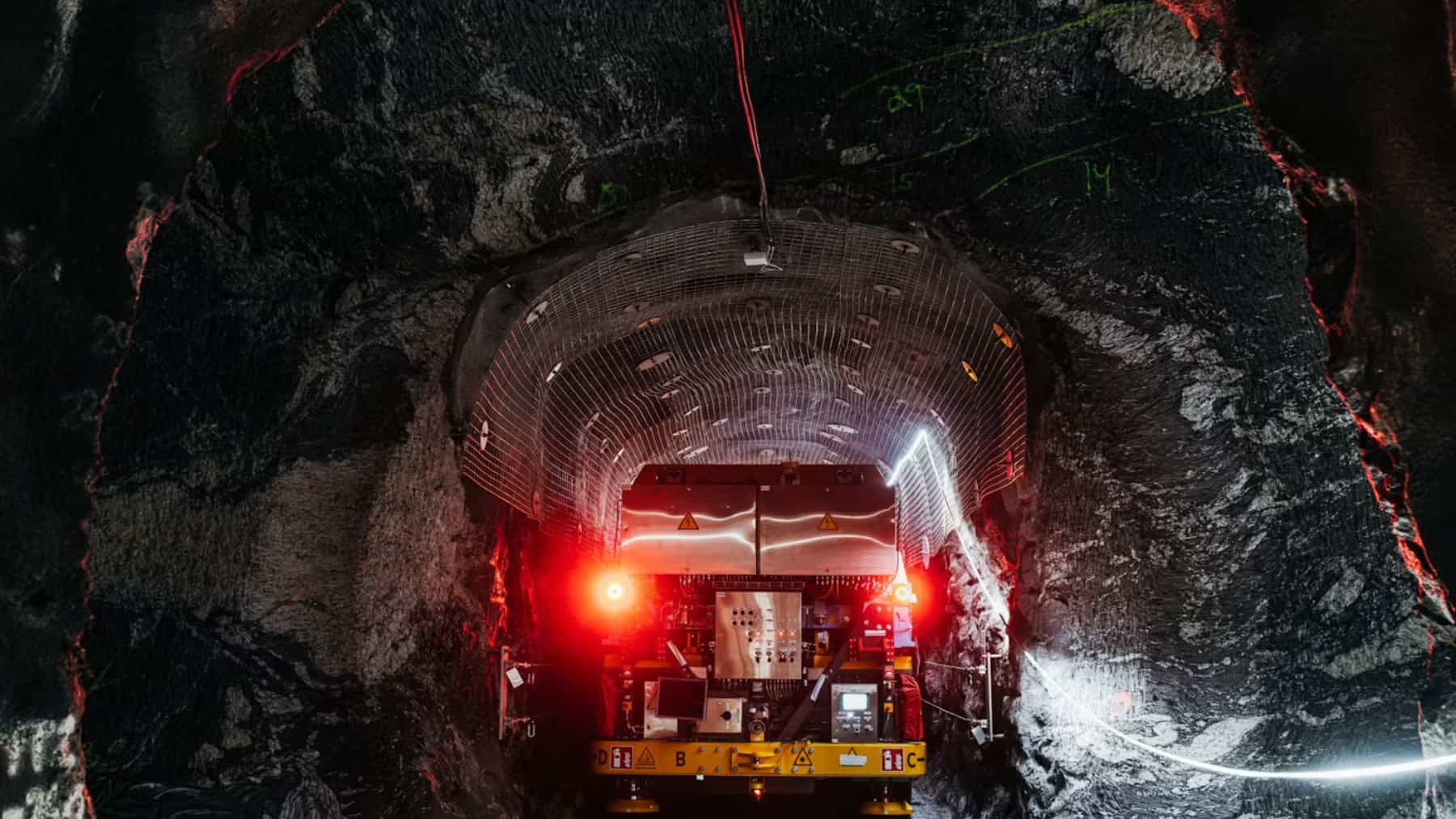
Finland will be the first country to bury its spent nuclear fuel for good, after the government granted Posiva on October 22 the operating licence for its encapsulation plant and final disposal facility at Olkiluoto, on the island of the same name in Eurajoki, on the country’s west coast.
According to the company, it is “the first operating licence anywhere in the world granted for the final disposal of spent nuclear fuel,” and it will allow the waste from the country’s reactors to be sealed in canisters and placed some 430 meters (about 1,410 feet) down in the bedrock.
The underground part of the facility is known as Onkalo, the Finnish word for cave, and it has been under excavation since 2004. The licence, which Posiva applied for on December 30, 2021, runs until the end of 2070 and sets a cap of 6,500 metric tons of uranium (about 7,170 short tons), equivalent to some 3,300 canisters, with a maximum of 60 canisters a year, according to NucNet.
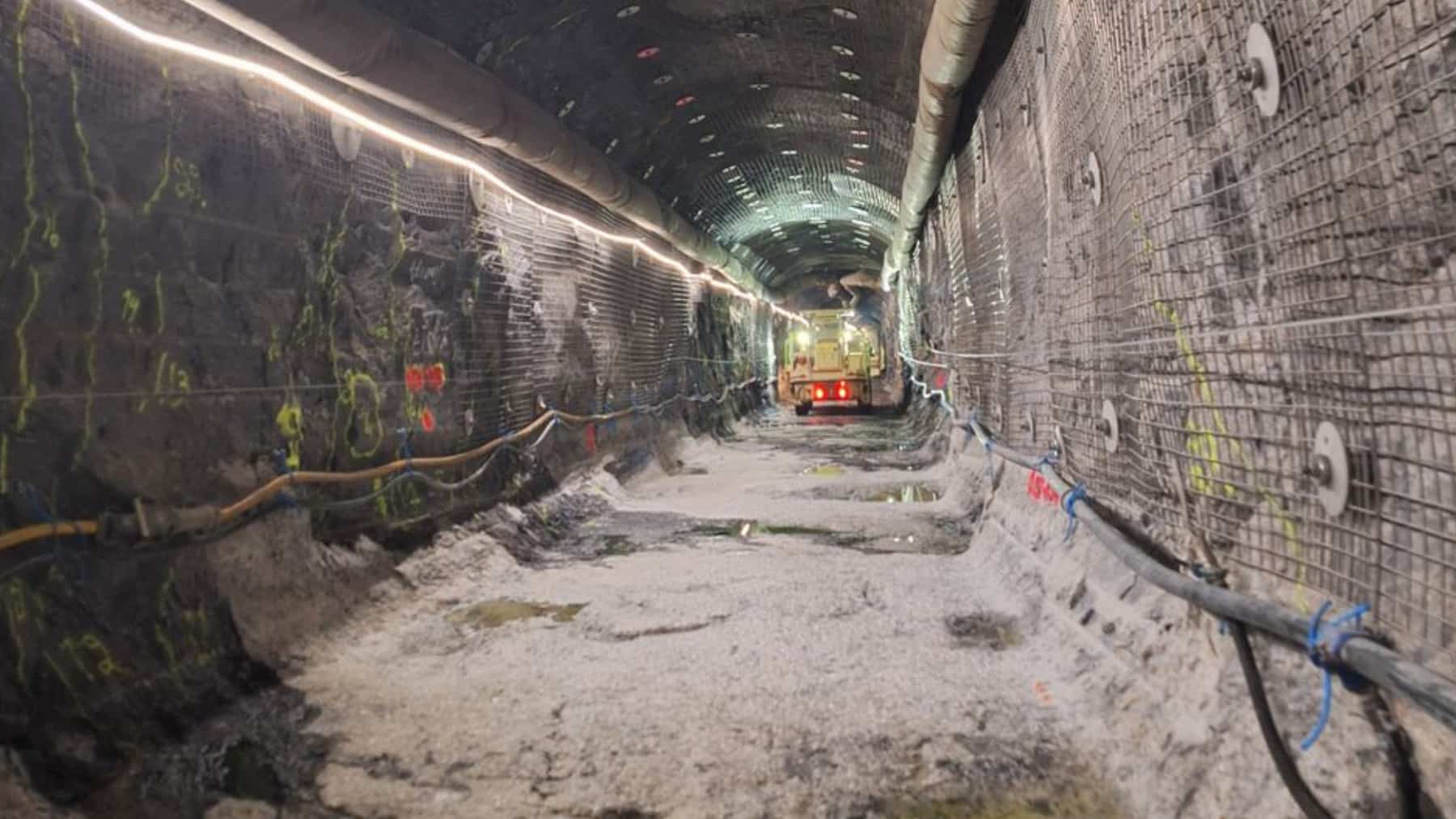
“This is a great and historic day for both Posiva and Finland,” said Ilkka Poikolainen, the company’s president and CEO, in a statement (available at this link) in which he added that “this solution has not been built because it was easy. It was built despite not being easy.” Posiva is owned by the two Finnish nuclear operators, TVO (60%) and Fortum (40%), and the decision closes a process that Minister of Climate and the Environment Sari Multala described as the result of “more than 40 years of systematic efforts.”
Copper, iron and clay
The method relies on several barriers stacked one on top of another, since the fuel is sealed in canisters of copper with an iron insert, each canister is lowered into a hole drilled in the bedrock and packed in bentonite clay, and the tunnels are then backfilled and plugged. Finland’s nuclear regulator, STUK, gave its favorable safety assessment on August 4, and one of its heads of department, Jaakko Leino, explained in a statement in Finnish that the safety of final disposal “does not rest on a single structure or material” (our translation).
That approval came with conditions, among them a first periodic safety assessment within ten years. Above all, the licence does not mean that disposal starts tomorrow, since Posiva still has to complete its commissioning tests and STUK must give its go-ahead in a separate decision, and the company itself admits that “no detailed schedule is given at this point.” The Finnish newspaper Satakunnan Sanomat adds that the licence covers the fuel from the Olkiluoto 1 and 2 and Loviisa 1 and 2 reactors, but not the fuel from the newer Olkiluoto 3, for which an extension would have to be requested.
Sweden, next in line
Finland is not alone on this path, although it is ahead. Sweden began building its own repository at Forsmark on January 15, 2025, with the aim of starting disposal in the 2030s, and the head of its nuclear waste company, Stefan Engdahl, called that day “a historic day for the Swedish nuclear waste programme.” Olkiluoto was chosen as the Finnish site back in 2000, and the construction licence, also a world first at the time, was granted in November 2015.
The timescales of the project are hard to picture. Posiva expects the facility to operate “for over a hundred years,” and if the plan holds, the canisters will keep going underground until the 2120s. Only then will the last tunnels be backfilled and sealed, roughly a century from now, to keep the fuel isolated for the roughly 100,000 years that it takes, according to AFP, for its radioactivity to fall to the level of natural uranium ore.