Archaeologists at Göbekli Tepe, the Stone Age hilltop site in southeastern Türkiye, have described the first two intact graves found there. The German Archaeological Institute (DAI) dates them to the mid-ninth millennium B.C., roughly 10,500 years ago.
Julia Gresky and Lee Clare, both of the DAI, compared the graves with 928 loose human bone fragments found at the site since 1995. They argue that many of those bits started out in graves higher up the mound. When the slopes gave way, the bones slid into the buildings below.
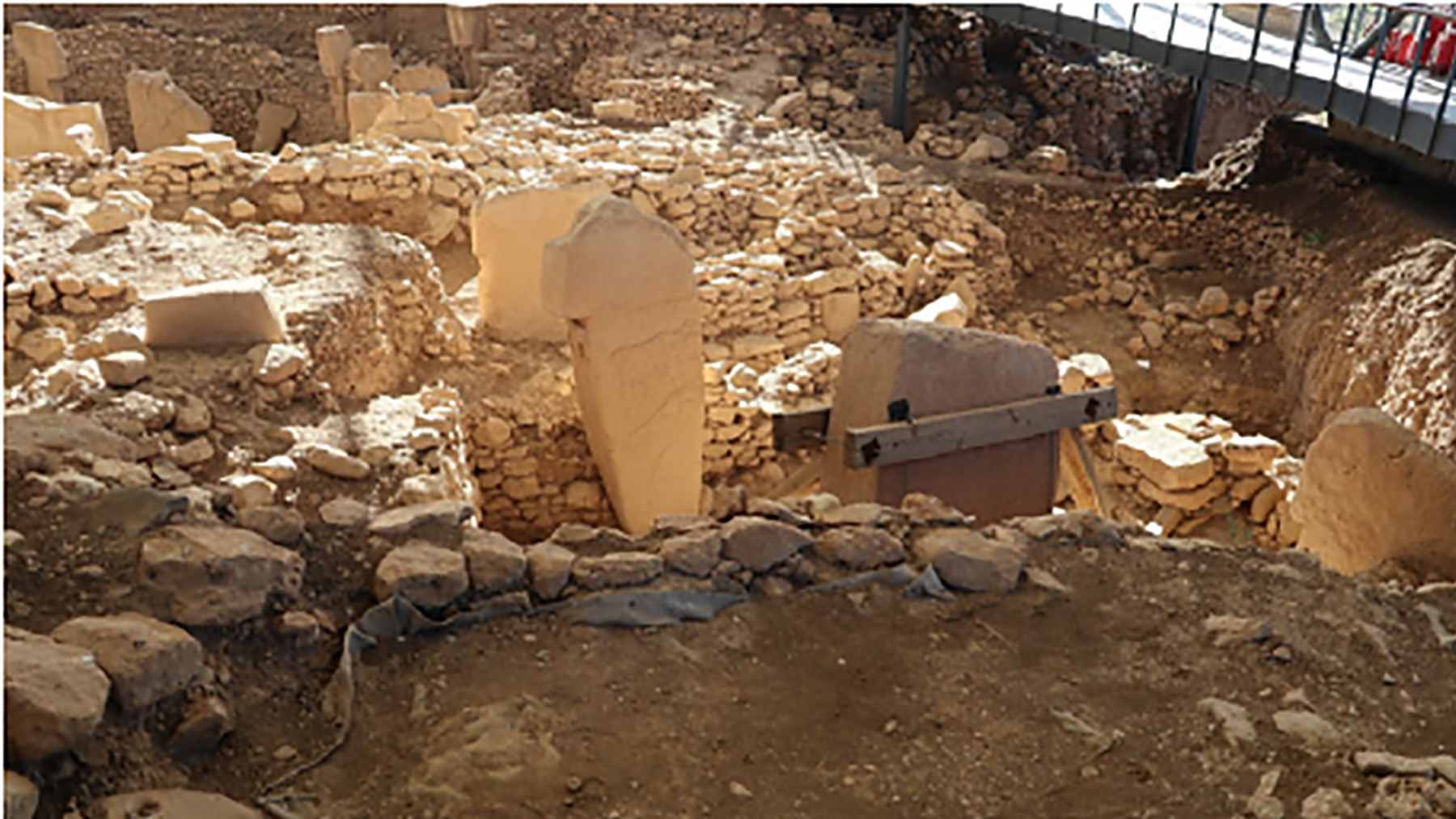
The site is best known for its T-shaped limestone pillars, found across the site. UNESCO, which listed the site in 2018, says some reach 18 feet (5.5 meters) and carry belts, loincloths and wild animals in relief.
A kidney-shaped pit under plaster
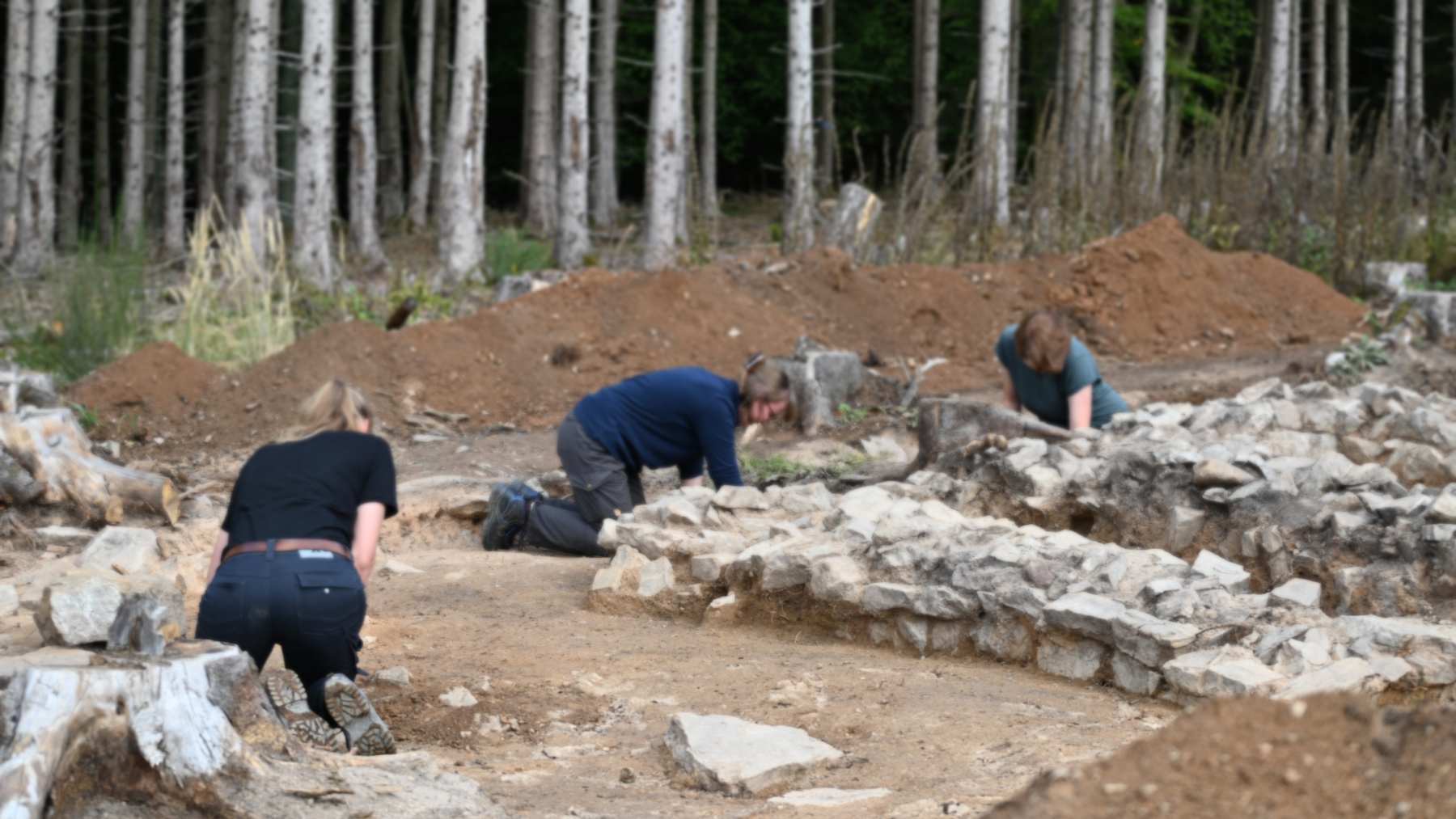
Workers hit one grave in 2017 while digging a drainage channel for the roof that now shelters the main dig. Thousands of years earlier, someone had cut a kidney-shaped pit into the plaster floor of a rectangular building.
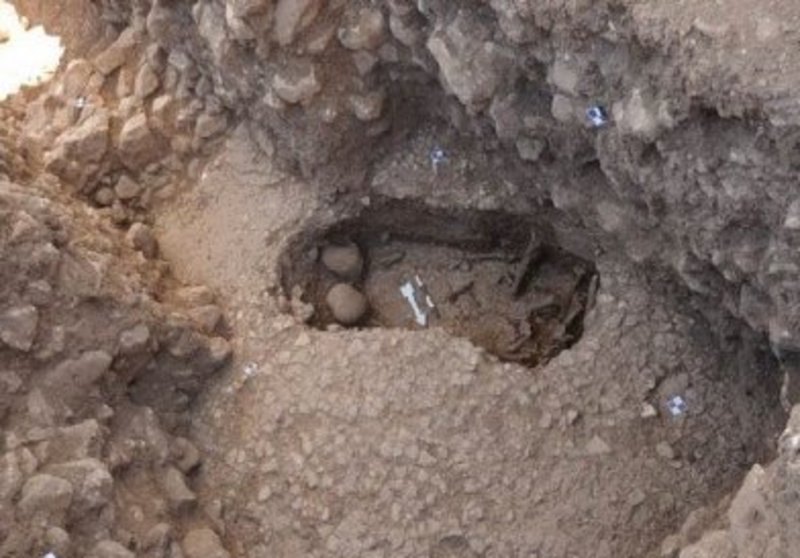
At least three people lay inside, a woman of at least 35, a man aged 20 to 30 and a girl of 11 to 14. One skull looks too mature for the girl, and two odd foot bones hint at a fourth person.
By the time archaeologists reached them, almost none of the bones lay where the bodies had rested. The skulls sat together in one corner. Other bones formed a heap in the middle, and some long bones lined the western wall.
Small hand and foot bones survived, and none showed cut marks. So the authors think whole bodies went in first and were later pushed aside for new burials. The pit was too small to take three bodies at once.
Graves beneath house floors were common across Anatolia and the Levant at the time, so the team expected some. For two decades, researchers called Göbekli Tepe a ritual center with no real village, and these floors say otherwise. Other digs have shown how much the everyday chores of Neolithic villages can reveal.
Flexed on her left side
The other grave turned up in 2012 beside Special Building A, one of the big pillared enclosures. The team ran out of time and sealed it until 2022. On their return, they found a skeleton lying flexed on its left side, facing east, on a bed of fist-sized stones.
Based on shape and size, the bones fit a woman aged 20 to 30. Skull pieces lifted in 2012 point to a man, however. The authors suspect they belong to someone else whose remains had mixed into the room fill above.
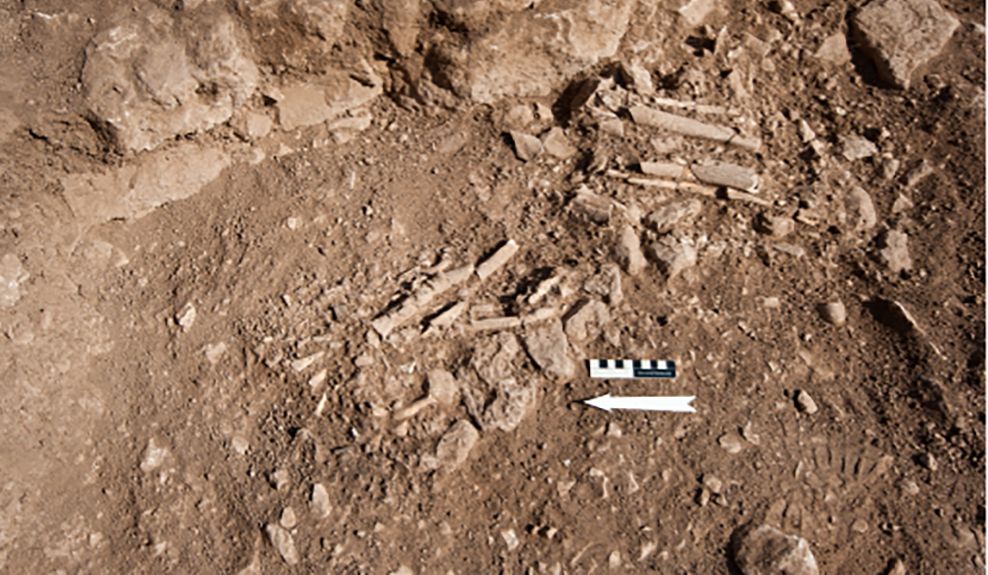
In that room, nobody could draw a clean line between loose fragments in the fill and the top of the burial. The same blurring, repeated across the site, has made the scattered bones so hard to read.
Lime crusts and rodent teeth
Even this largely undisturbed skeleton was badly broken. The ends of her long bones had snapped off and vanished. Most shafts had split into three large pieces.
Gresky and Clare blame the damage on two forces at work underground. Soil piling up over the grave pressed down on the bones. Calcareous deposits, a crust of lime minerals, also coated their surfaces.
In the shared grave, those crusts covered 116 of 189 fragments, or 61.4 percent. Rodents left gnawing marks in both graves as well. The authors write that the breakage “is therefore not the result of intentional shattering.”
Smashed bones have often been taken as proof that people handled the dead on purpose. In the undisturbed grave, the ground did the smashing. The loose fragments from the monumental buildings show the same heavy breakage, crusts and gnawing.
Rubble that slid off the slopes
Special Buildings A to D sit in a hollow. On three sides rise deposits that built up over some 1,600 years. Earlier researchers thought people had backfilled the enclosures on purpose when they abandoned them.
Several more recent studies favor slope slides as the cause instead. Constant building on the higher ground raised the pressure on the slopes, the paper says. Heavy rain and earthquakes may have helped.
Picture houses uphill with graves under their floors. A slide would carry their broken bones down into the enclosures and spread them unevenly. Excavators have found fragments across about 32,000 square feet (3,000 square meters), in every layer of the fill.
Those pieces come from men and women of all ages, with skull bits mixed among other body parts. Deliberate placement would likely cluster in a few spots, the authors argue. To them, the random spread “seems to be suspicious.”
Grooved skulls from five people
None of this erases Göbekli Tepe’s strangest finds. In 2017, Gresky, Clare and a colleague reported skull fragments from three people with deep grooves cut along the top of the head. The new paper raises that count to five.
Skull pieces also dominate the loose collection, with 408 cranial fragments against 283 from the rest of the body. One pillar shows a headless human figure. Birds of the crow family turn up four times as often as at nearby sites, which could point to bodies left in the open.
At neighboring Sefertepe, excavators found at least 21 skulls in a small room. At Sayburç, bones from at least 19 people lay on and around a stone bench inside a house. Skulls set apart from bodies show up in much later graves too, like a 5,000-year-old grave near Wrocław with two extra skulls.
The DAI says other mortuary practices “are also evidenced at the site.” The paper agrees that slope slides do “not rule out the possibility of additional mortuary practices.”
Skull rites still undated
According to the authors, the skull treatment cannot yet be tied to the earlier or later phase of the Pre-Pottery Neolithic. They call for more bone analyses and absolute dating to sort out which practices came when.
Two graves are a small sample, too. They show that breaks and crusts formed inside a burial, but no loose fragment can be traced to a particular house uphill. The site sits in a core region of the shift from hunting and gathering to farming, and much about how its people treated their dead is still open.
The full study was published in PLOS ONE.
Image: J. Gresky, DAI / Gresky & Clare, PLOS ONE (CC BY 4.0)