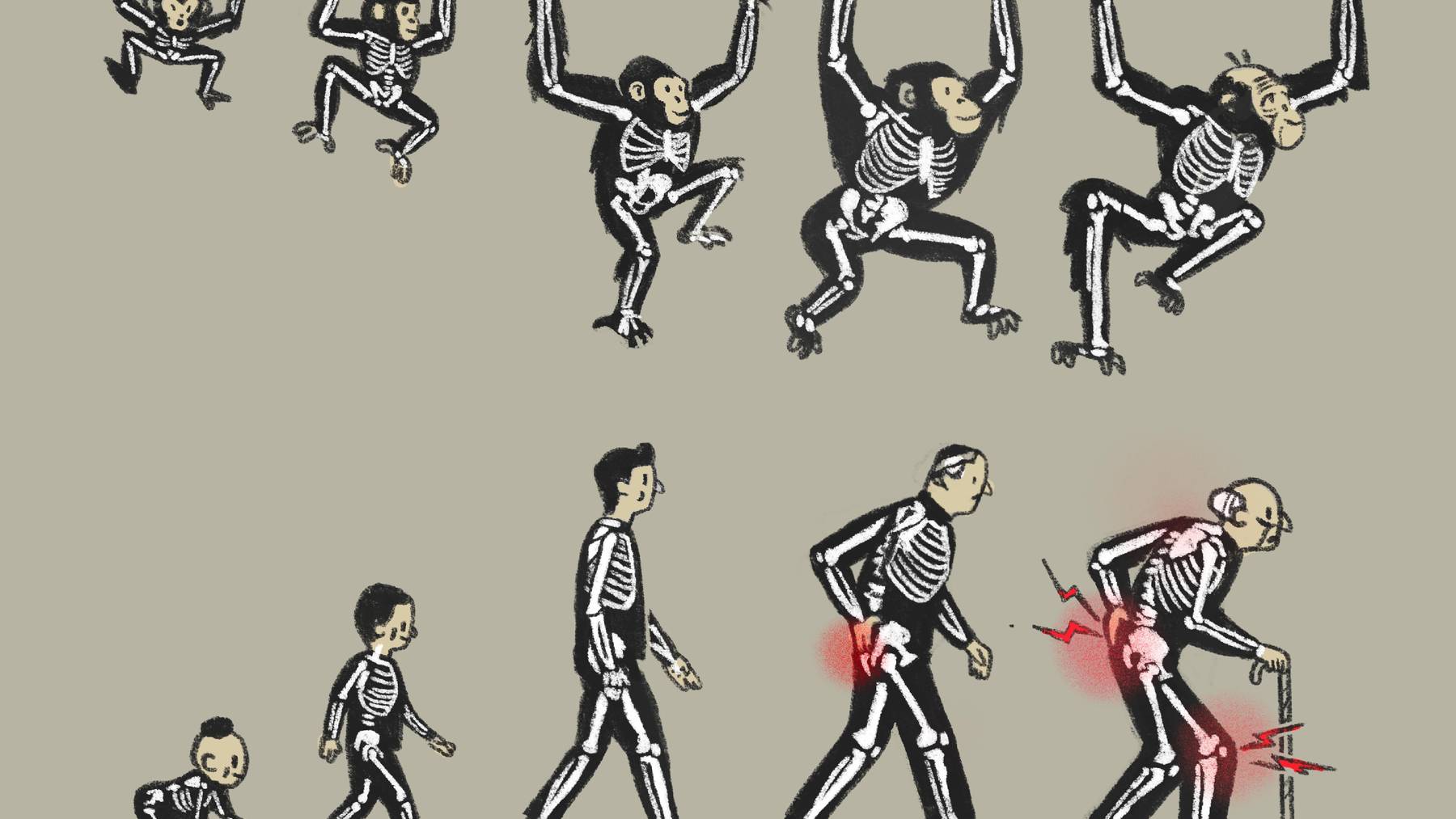
Human cartilage contains roughly one-third as much of its main water-holding material as the cartilage of other great apes. The result was reported in Nature on September 23, 2026. The work was led by David Gokhman of the Weizmann Institute of Science in Israel, with the lab of Fumitaka Inoue at Kyoto University in Japan.
The team traced the gap to changes in the DNA switches that control certain genes. Osteoarthritis affects about 607 million people worldwide, yet chimps and gorillas “almost never” get chronic joint disease, according to the Weizmann Institute.
Sugar chains that soak up water
The material in question is a family of long, brush-shaped sugar molecules called glycosaminoglycans, or GAGs. They carry a strong negative charge, so they pull in water. The result is a dense gel that lets cartilage spring back after each step or jump.
GAGs make up 15 to 30 percent of cartilage’s dry weight. “Cartilage cells are like tiny islands floating in an ocean of GAGs filling the joint,” said Nadav Mishol, a doctoral student in Gokhman’s lab, in the Weizmann Institute’s release.
According to Mishol, the molecules themselves barely changed during human evolution. What changed was how many of them our cartilage cells make.
Half a million DNA letters
The researchers started with 561,410 single-letter DNA changes that all modern humans carry and no other great ape has. Each one sits in a promoter or enhancer. These are stretches of DNA that turn nearby genes up or down.
Every change was tested in its human and its ancestral ape version inside chondrocytes, the cells that build and maintain cartilage. The method, developed in Inoue’s lab, tags thousands of DNA pieces with tiny barcodes. Of 65,576 sequence pairs that showed activity, 15,077 behaved differently in the human version.
Next, the team fused human stem cells with chimpanzee or gorilla cells. That way both genomes worked inside the same cell, under identical conditions. Gokhman developed the hybrid-cell approach as a postdoctoral researcher at Stanford University.
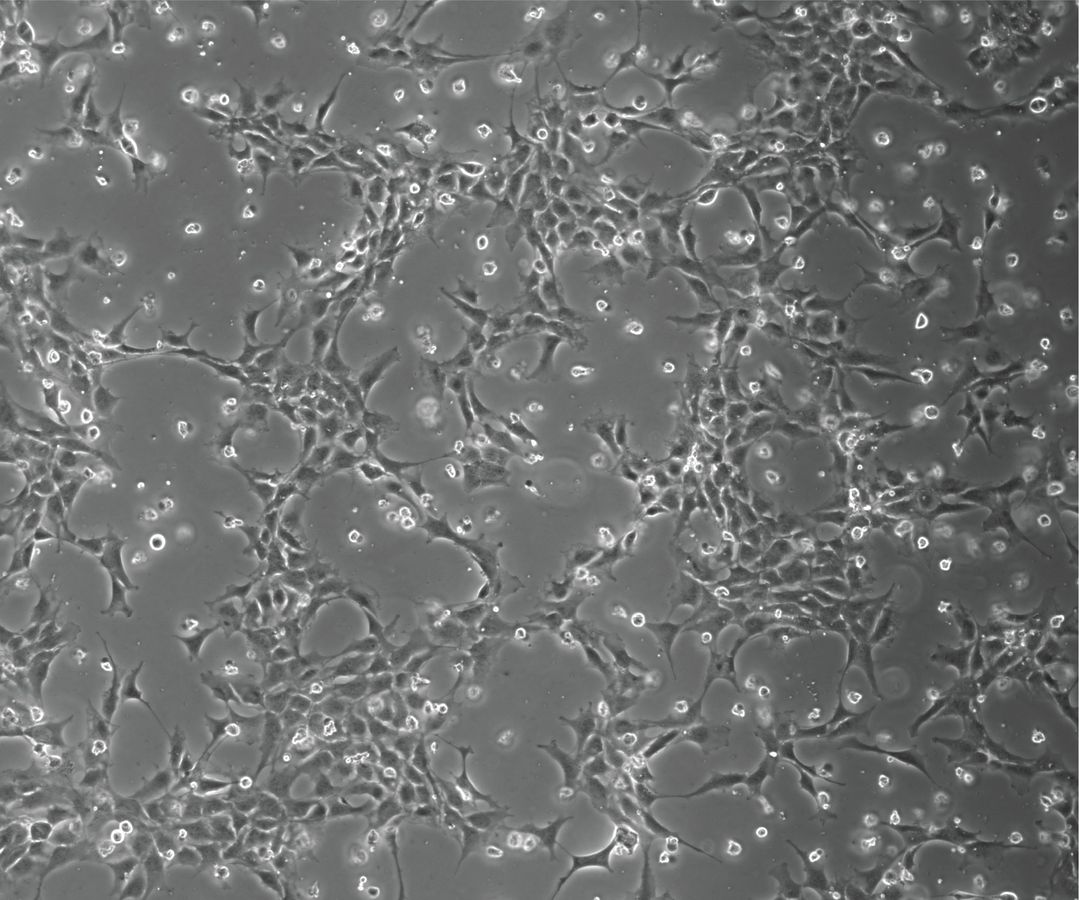
The hybrid cells were grown into bone and cartilage precursors. In them, 17 of the 21 GAG-related genes that differed between species were less active on the human side. Mishol at Weizmann and Yizhi Yan, the paper’s first author, at Kyoto led the lab work.
Joints from 42 human donors
The genetic signal still had to show up in real joints. The researchers analyzed 139 cartilage samples from 42 human body donors and seven nonhuman great apes. They covered eight joints, including the shoulder, elbow, hip, knee and fingers.
No animals were killed for the study. The chimpanzee hand samples came from a 60-year-old female that died of natural causes at the Zoological Center in Ramat Gan, Israel, on April 27, 2024. European zoos provided the other ape tissue after death.
Overall, human cartilage held about three times less sulfated GAG than ape cartilage. Joint by joint, the gap ranged from 2.6-fold to fourfold. Age and sex did not explain it, and it showed up in the elbow, the thumb and the hip alike.
“The drop in the production of GAGs is the most extreme genetic change our skeleton has undergone in the course of evolution,” Gokhman said in the institute’s release.
A 62 percent baseline deficit
Earlier studies cited in the paper found 25 to 38 percent less GAG in people with osteoarthritis or degenerating spinal discs. The human-versus-ape gap measured here is about 62 percent, roughly twice as large.
The authors write that this may have pushed human cartilage toward “a threshold of vulnerability.” By that reading, every person carries a baseline shortfall. According to the Weizmann release, cartilage has almost no capacity to regenerate, and decades of use erode the limited supply.
A shortfall shared by the whole species is not a personal diagnosis. The National Institute of Arthritis and Musculoskeletal and Skin Diseases lists age, excess weight, past joint injuries and family history as risk factors. It also notes that women are more likely to develop the disease, especially after 50.
Flexible brains and lighter bones
Gokhman’s group put forward two possible reasons evolution kept the change. The Weizmann release labels both of them hypotheses.
GAGs are also abundant in the brain, where they help lock connections between nerve cells in place. Lower levels may have let the human brain keep rewiring itself for longer. The second idea involves the skeleton, since fewer GAGs may have helped build lighter, more slender bones suited to long-distance running.
Those bones are part of a wider remodeling that also reshaped the skull, brain and face across the genus Homo. “The genetic changes that gave humans new traits may also have created new vulnerabilities,” said co-author Guillaume Bourque of McGill University’s Department of Human Genetics, in a McGill news release.
Seven apes is a small sample
The tissue comparison rests on only seven nonhuman apes. For the finger joints, a single ape was available. Several samples from one body help compare joints, but they cannot replace more animals.
Measuring GAG in cadaver cartilage tells researchers nothing direct about how long a living joint lasts. The study did not test whether raising GAG levels would prevent the disease, although the paper notes that GAG injections into the joint are already used to manage osteoarthritis. The authors also describe the disease in great apes as much rarer, not absent.
The team now plans to apply the same approach to brain cells. The full study was published in Nature.
It adds to a growing body of work on how our lineage split from the other apes, from a 17- to 18-million-year-old ape jaw found in Egypt to gene switches read one letter at a time.
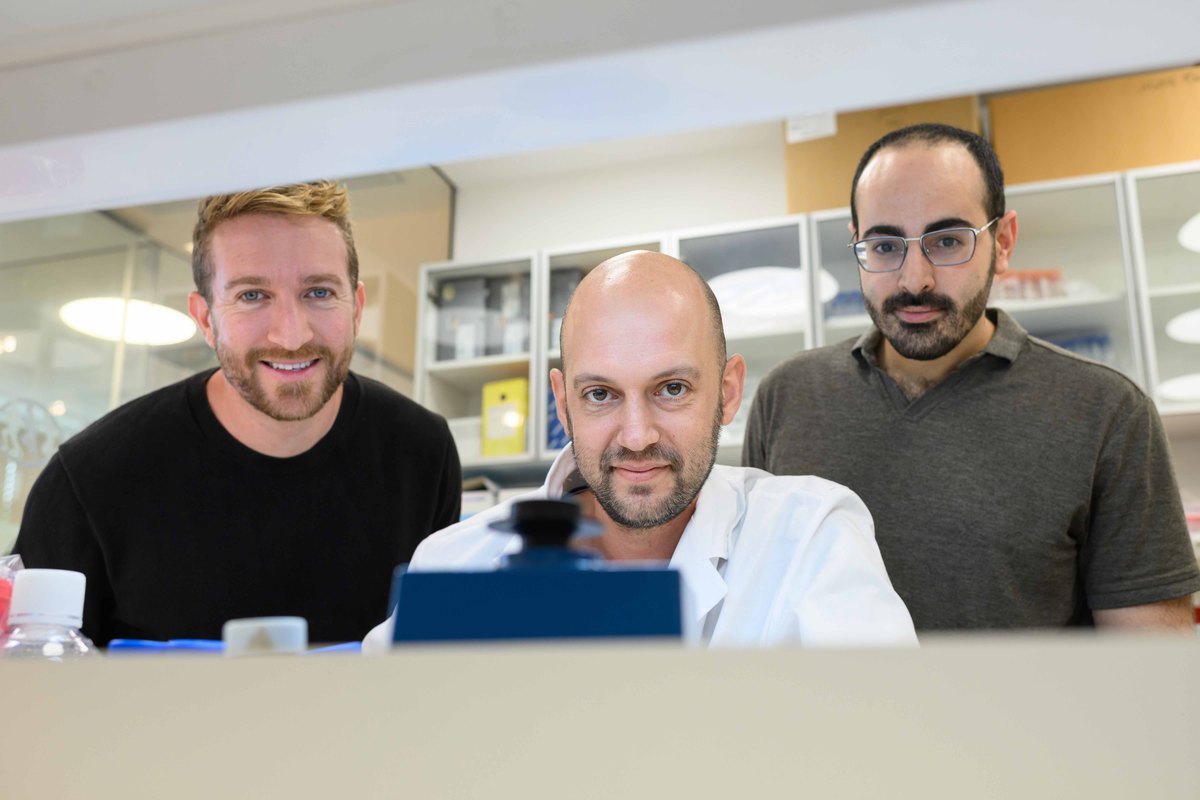
Image: Itai Raveh / Weizmann Institute of Science