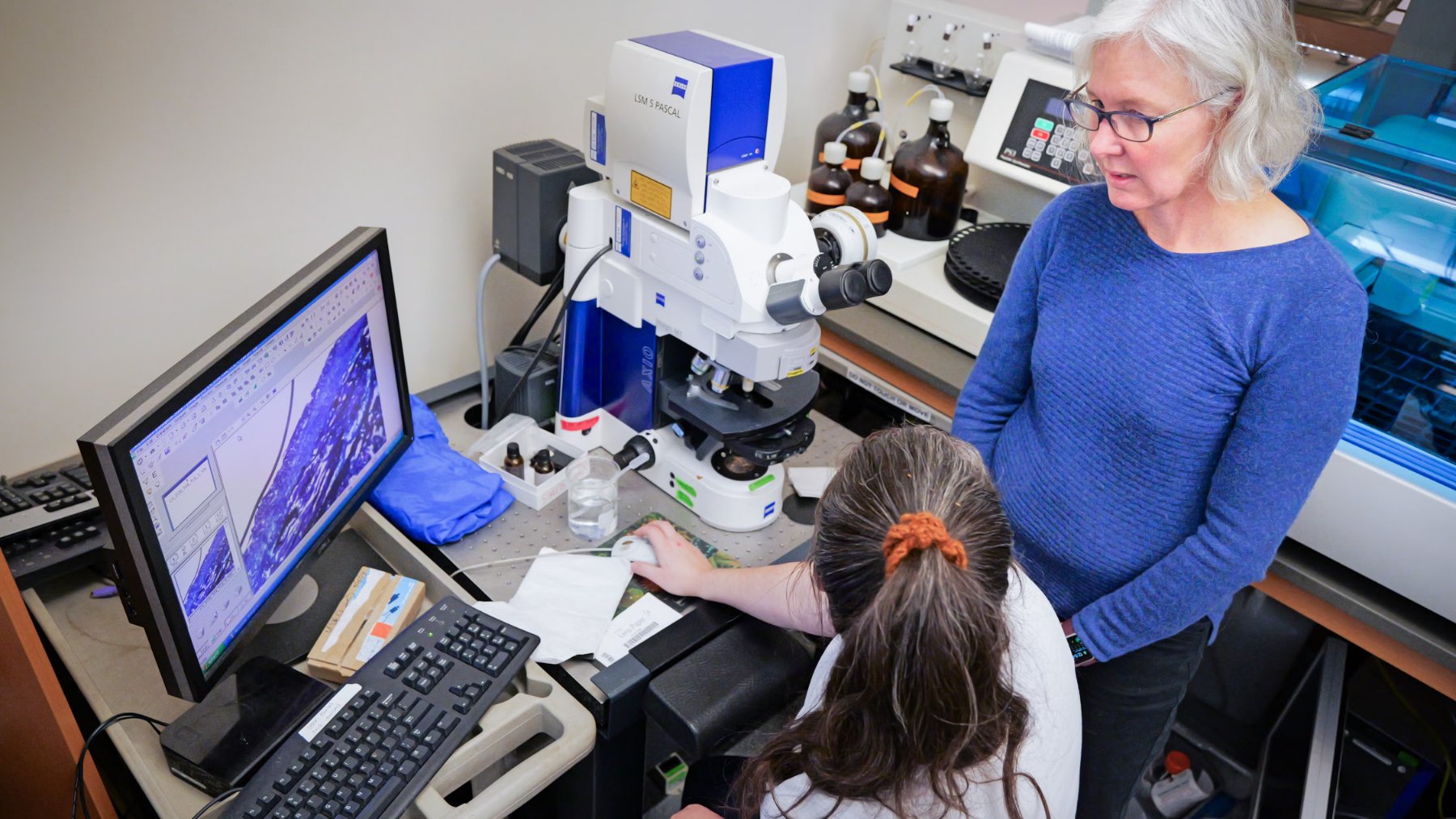
An experimental injection helped reverse osteoarthritis in animals within four to eight weeks, according to researchers in Colorado. Instead of simply easing pain, the treatment aims to help damaged joints repair themselves.
Scientists at CU Boulder, CU Anschutz and Colorado State University are developing the shot alongside a separate material that patches cartilage and bone damage. The findings are encouraging, but these remain experimental therapies, not treatments proven to work in patients.
Repairing the joint, not just easing the pain
Osteoarthritis damages cartilage, the cushioning tissue that prevents bones from rubbing against each other. As the disease progresses, it can also affect bone and change the joint’s structure, making everyday movement increasingly painful.
The research team wants to change that process rather than only manage its consequences. “Our goal is not just to treat pain and halt progression, but to end this disease,” said Stephanie Bryant, the project’s lead investigator and a chemical and biological engineering professor at CU Boulder.
Dr. Evalina Burger at CU Anschutz has described grandparents struggling with everyday tasks because of shoulder pain and athletes giving up sports because of knee or back problems. Those examples help explain why repairing a joint could matter well beyond the laboratory.
How one injection keeps working for months
The injectable therapy starts with an existing FDA-approved drug, which the researchers are repurposing for osteoarthritis. They developed a patented particle delivery system that releases intermittent doses inside the joint over several months, rather than delivering all the medication at once.
Think of it as a small drug reservoir placed where treatment is needed. A single injection could support a much longer treatment period, although the duration of drug delivery is not the same thing as the duration of any resulting joint repair.
The university announcement does not identify the medication or provide detailed dosing information. Crucially, the drug’s existing approval should not be confused with proof that this experimental formulation is safe and effective for osteoarthritis.
A second approach patches cartilage and bone
The second therapy targets localized defects in cartilage or bone. It uses engineered proteins delivered through arthroscopy, rather than the same joint injection used for the drug-release system, and is designed for areas with substantial tissue damage.
Once positioned, the material hardens and attracts the body’s own progenitor cells to help rebuild the damaged area. The researchers reported complete repair of treated defects in their animal work. In practical terms, the material is intended to support the body’s repair cells instead of replacing the entire joint.
What the early results do and do not show
The team also reported regenerative effects in human cells obtained from patients undergoing joint replacement surgery. That adds a human-cell finding to the animal results, but it is not evidence that the treatment has repaired joints in living patients.
How many animals were treated, and how durable was the improvement? The university announcement does not provide sample sizes, detailed safety findings or enough follow-up information to answer those questions. It said the researchers intended to publish their animal results in a peer-reviewed journal later in 2026.
Those missing details matter when judging what “reversal” might mean beyond the initial experiments. Repair seen within weeks does not, by itself, establish that a joint will remain healthy for years or that patients will be able to avoid replacement surgery.
What happens before human trials
The project received an award worth up to $33.5 million through the federal Advanced Research Projects Agency for Health’s NITRO program, with funding contingent on progress. Its move into a second research phase should not be mistaken for a Phase 2 clinical trial in people.
In a later update published April 27, 2026, CU Anschutz described safety and toxicology studies ahead of human trials planned for 2028. That is a development target, not a confirmed treatment-availability date, and the work still has to establish whether the approach can safely benefit patients.
The researchers also formed Renovare Therapeutics to move the technology toward commercial development, and the company currently describes its work as preclinical. For someone hoping to return to a favorite sport or manage everyday tasks without joint pain, the promise is meaningful, but the patient results still lie ahead.
The official update was published on CU Anschutz.