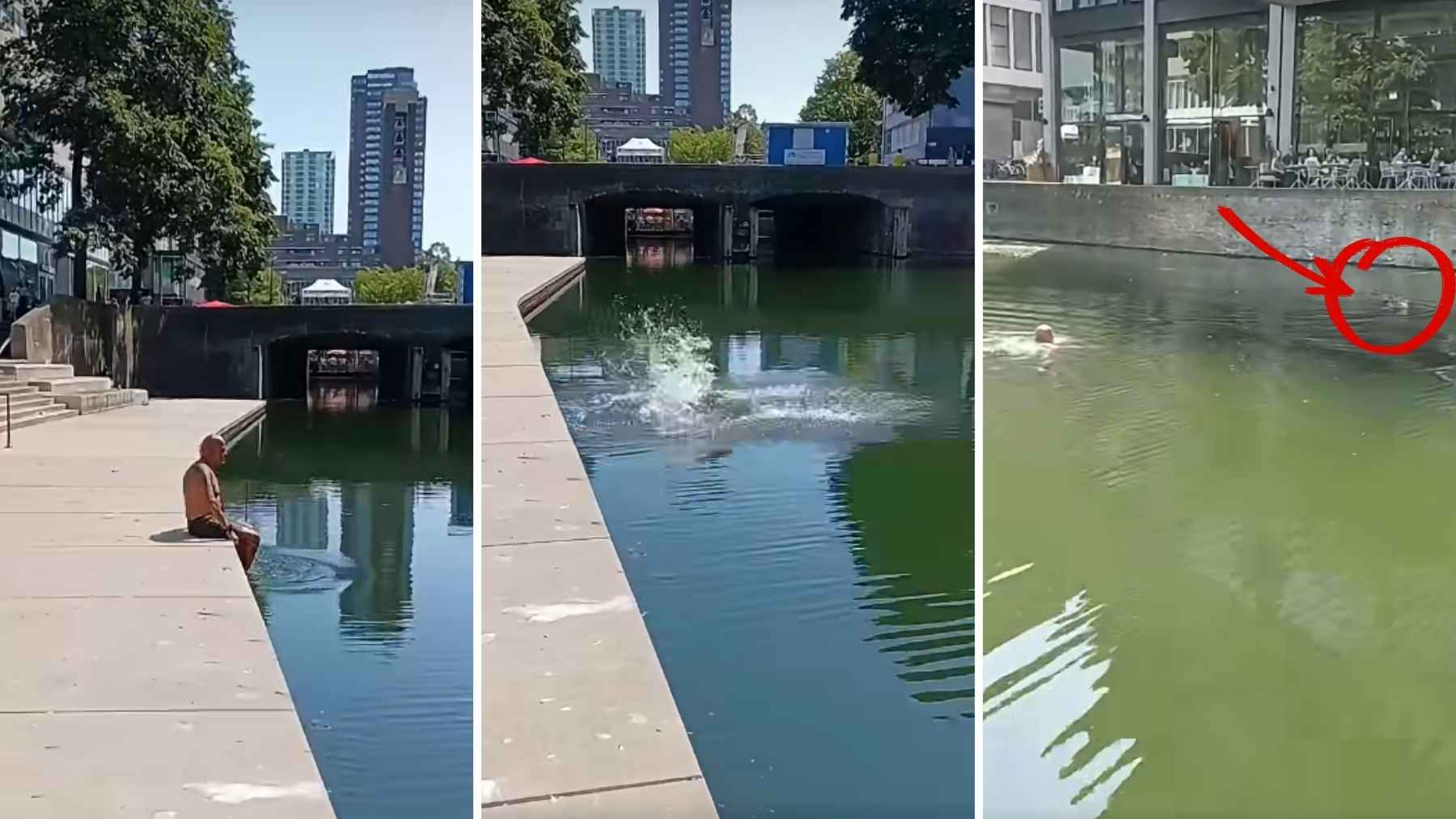
A gull struggling to take flight from a canal in the Netherlands had a blue plastic bag tangled around its legs. Passerby Bertus Goudriaan entered the water and rescued the bird as dozens of onlookers watched, then applauded.
The rescue offered a happy ending, but also a reminder that plastic pollution is not just a problem of tiny particles or distant oceans. Whole pieces of discarded plastic can physically trap wildlife, turning an everyday item into an immediate hazard.
A rescue that came with a bite
Afterward, Goudriaan wrote on Facebook that the gull had bitten him and the crowd had applauded. He also reported nearly becoming caught in aquatic plants himself, which made swimming difficult. Helping the bird had put him in a difficult position, too.
But Goudriaan did not consider his intervention heroic. “For me, it’s just duty,” he wrote, as quoted by The Dodo, explaining that helping people or animals in distress was normal for him.
Plastic does not have to be swallowed to cause harm
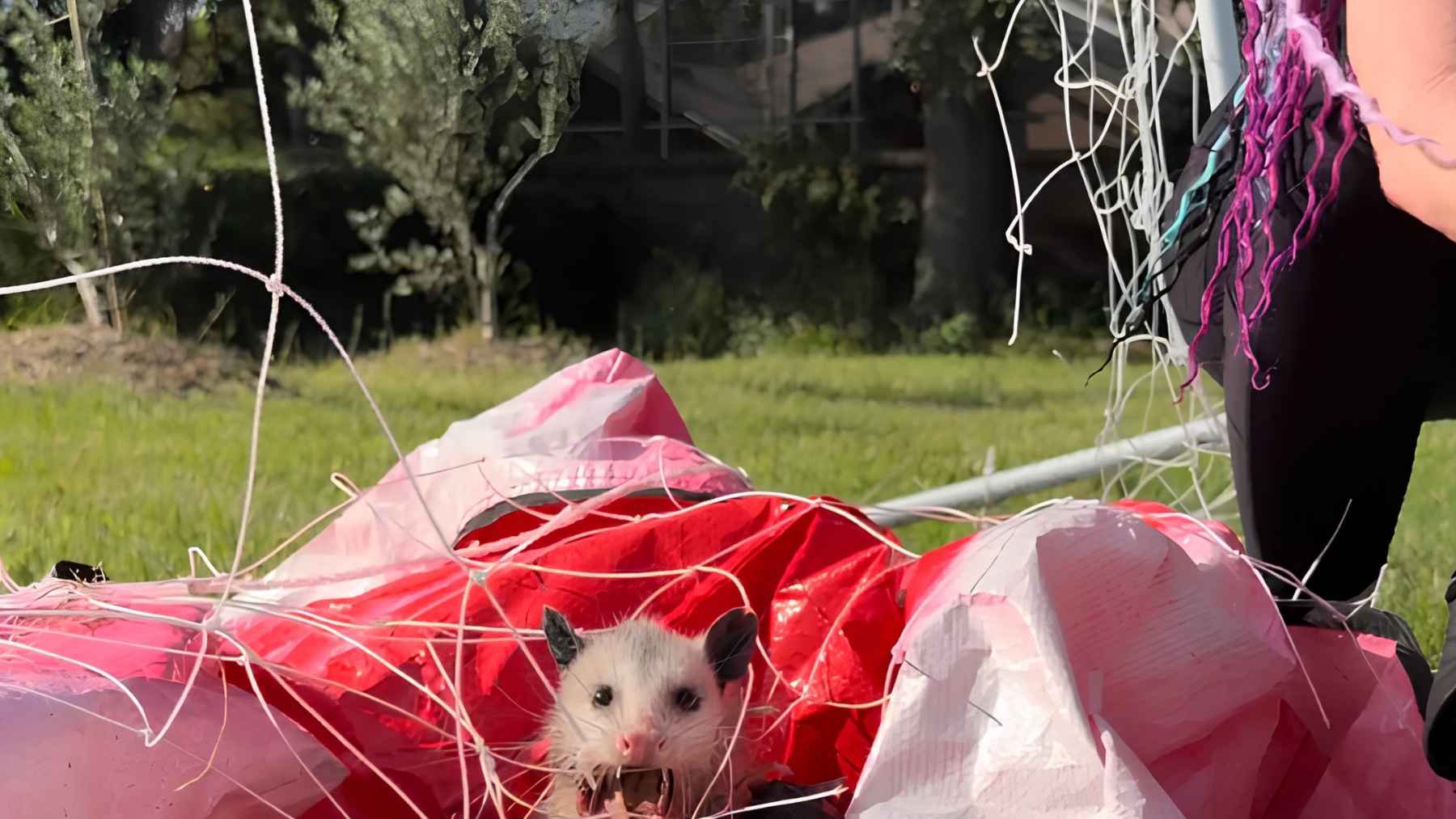
What makes something as light as a shopping bag dangerous? The National Oceanic and Atmospheric Administration (NOAA) lists plastic bags among the debris that can entangle wildlife, alongside fishing line, balloon strings, and plastic packing bands.
Once trapped, animals may struggle to move, breathe, or feed, and material wrapped tightly around their bodies can cause injuries. NOAA warns that entanglement can also lead to drowning or starvation. The danger is physical, even before any plastic is swallowed.
That is different from ingestion, when an animal swallows plastic and may develop digestive blockages or a false sense of fullness. Both are recognized hazards, but this incident highlights the more visible one. A bird does not need to mistake trash for food to be put at risk by it.
Helping without becoming another casualty
Goudriaan’s difficulty with the underwater plants is an important part of the story. His successful rescue should not be treated as a recommendation for other people to jump into canals after trapped animals. Water-rescue guidance points toward getting trained help instead.
The Royal National Lifeboat Institution, a water-rescue charity, urges people not to attempt animal rescues themselves. For someone watching from a canal bank, a safer response is to contact a local wildlife-rescue service and describe what is trapping the bird, rather than entering the water without appropriate training or equipment.
The animal-welfare charity RSPCA similarly advises people to help injured wildlife only when it is safe, keep pets away, and note the animal’s location when seeking assistance. Those details give rescuers useful information without putting another life in danger. Entering the water is not the only way to help.
The problem can start far from the water
How did this particular bag reach the canal? The available account does not establish that, and blaming an unseen litterer would go beyond the evidence.
But NOAA explains that wind and rain can move street litter and loose waste into waterways. Stormwater can carry trash through drains into rivers, streams, and canals, so a bag does not have to be dropped directly into the water to end up there.
In practical terms, prevention starts before the next rescue becomes necessary. Keeping loose trash contained and removing safely accessible litter from the bank are less dramatic than jumping in, but they address the material that creates the danger. Reducing disposable bag use can also help keep that waste out of waterways.
What research says about keeping bags off shorelines
There is evidence that broader measures can help. In a 2025 study published in Science, researchers Anna Papp and Kimberly Oremus analyzed data from 45,067 U.S. shoreline cleanups to assess plastic bag bans and fees.
They found that these policies reduced plastic bags as a share of all collected litter by 25% to 47% relative to places without such measures. Those figures describe bags’ share of collected litter, not a matching reduction in all plastic pollution or wildlife deaths. “It’s great to see a policy that works in such a clearly measurable way,” Oremus said in a University of Delaware report.
The U.S. findings cannot explain how this particular bag reached a Dutch canal, but they offer evidence that prevention can work. Saving a trapped bird matters, and keeping the next bag out of its habitat matters too.
The study was published in Science.