Crucial tipping points in Earth’s frozen regions may already have been crossed, researchers warn. The warning comes from a new report by authors at the University of Exeter and the British Antarctic Survey, announced on November 19.
With global warming set to breach 1.5°C, polar experts say localized tipping is already happening in permafrost regions. Tipping points may also have been crossed for the West Antarctic and Greenland ice sheets, the report says. The same may be true of the Subpolar Gyre, an ocean current that could significantly affect weather in northwest Europe.
What a tipping point means
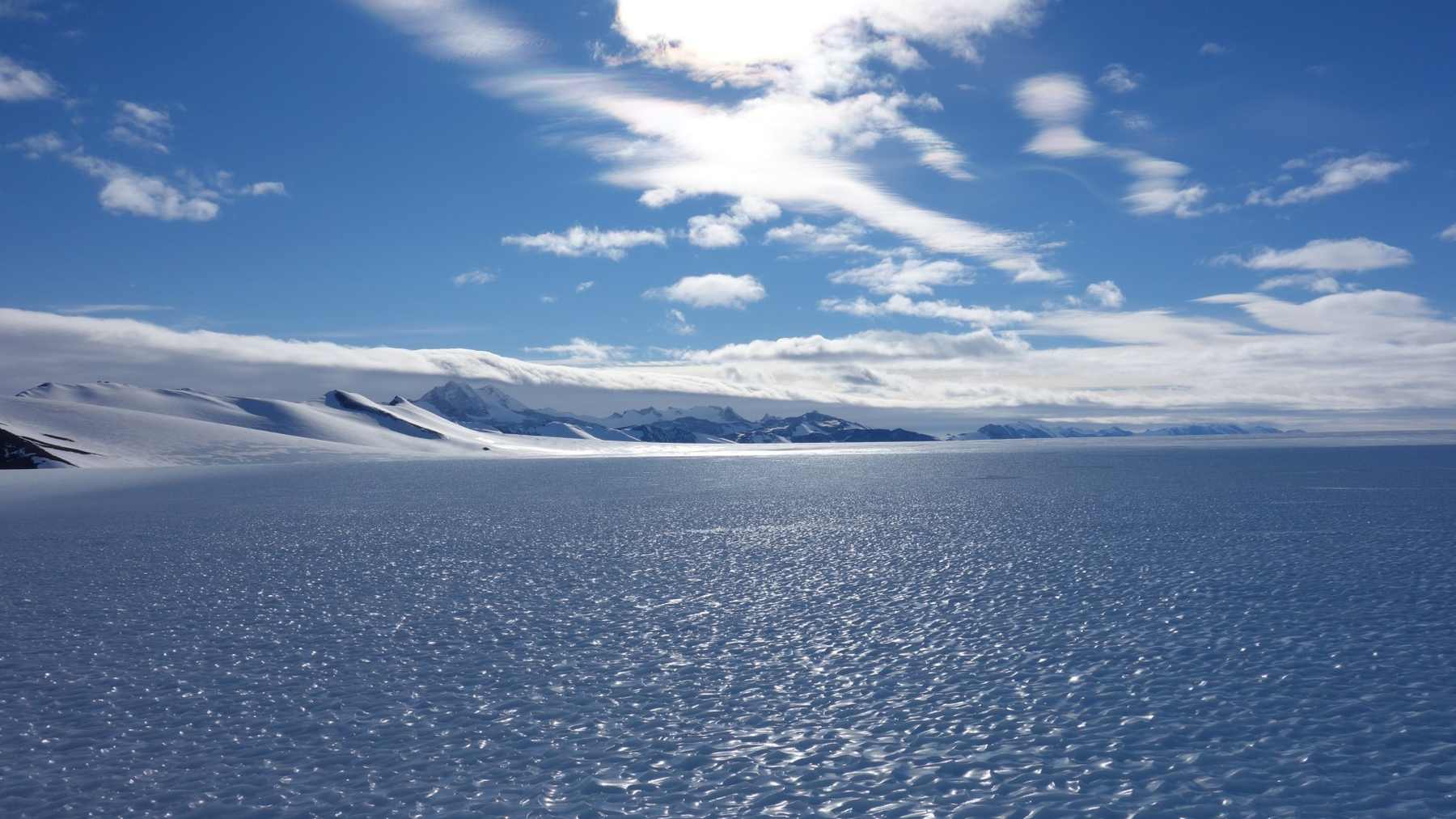
A tipping point occurs when a small change triggers a significant, often irreversible transformation. In the cryosphere, the planet’s frozen regions, the impacts include sea-level rise of several meters. They also include a further acceleration of global warming.
“What happens in the cryosphere doesn’t stay there – the whole world will feel the impacts,” said Helen Millman of the University of Exeter. “The latest research shows that we’re likely to exceed 1.5°C, and we’re already in the danger zone for cryosphere tipping points.”
If and when the world overshoots 1.5°C, the next target must be 1.51°C, not 2°C, Millman said. “Every fraction of a degree changes how fast and how far the losses go. The longer we take to reach Net Zero, the fewer good options we’ll have.”
West Antarctica and Greenland
Parts of the Amundsen Sea basin may already be past their thresholds. That area includes the Thwaites and Pine Island glaciers. The same may apply to the Ronne basin.
Full loss of the West Antarctic Ice Sheet would raise global sea levels by five meters, about 16 feet. Losing the Greenland Ice Sheet would add seven meters, about 23 feet. That would put more than two billion people in coastal areas at long-term risk.
Small island developing states could face national-scale displacement. Ice sheet loss would unfold over centuries to millennia, the authors say. But crossing a tipping point starts a process that continues even if warming stops.
How fast it moves depends on how much further the world warms, and for how long. Separately, as we reported earlier, 42 satellite surveys counted 11.3 trillion metric tons of polar ice loss since 1979.
Colder winters for northwest Europe
A collapse of the Subpolar Gyre would bring colder, stormier winters to northwest Europe, according to the report. It could also be a warning sign. A wider collapse could follow in the Atlantic meridional overturning circulation, known as AMOC.
Separately, we have covered an earlier unreviewed preprint on what an AMOC collapse could mean for harvests.
Permafrost and a warming boost
Warming-induced emissions from permafrost, wetlands, freshwaters and wildfire could amplify warming by 20 to 30%, the report says. The risks reach far beyond polar regions. They affect food and energy supply chains, infrastructure and security.
“Once these icy regions pass their tipping points, there’s no rewind button,” said Professor Michael Meredith of the British Antarctic Survey. The effects will be felt far beyond the poles for generations, Meredith added, from rising seas to food on people’s plates.
“The science is stark, but it isn’t hopeless,” Meredith said. Every tonne of carbon avoided buys time and slows the losses, Meredith said, and that is still within our power.
In a separate development, Antarctic sea ice reached its third-lowest winter peak since satellite records began this year, as we reported.
What the authors recommend
The report builds on the 2025 Global Tipping Points Report. Its authors call for urgent action to halt warming and limit the period of overshoot above 1.5°C. In the long term, they want a return to safe temperatures.
They urge quick cuts to methane and other short-lived climate pollutants, along with scaled-up sustainable carbon removal.
They also point to positive tipping points: solar power, batteries and electric vehicles have reached self-reinforcing growth. Policy mandates and cheaper capital for the Global South could speed this up.
The authors warn against risky geoengineering, which they say carries severe risks and could distract from emissions cuts. No international governance framework exists to regulate it.
Planning for the long haul
The report asks planners to build multi-meter sea-level rise into coastal planning, with horizons beyond 2100. It also calls for funding for loss and damage.
That includes the relocation of Arctic communities and support for small island developing states, which could face national-scale displacement.
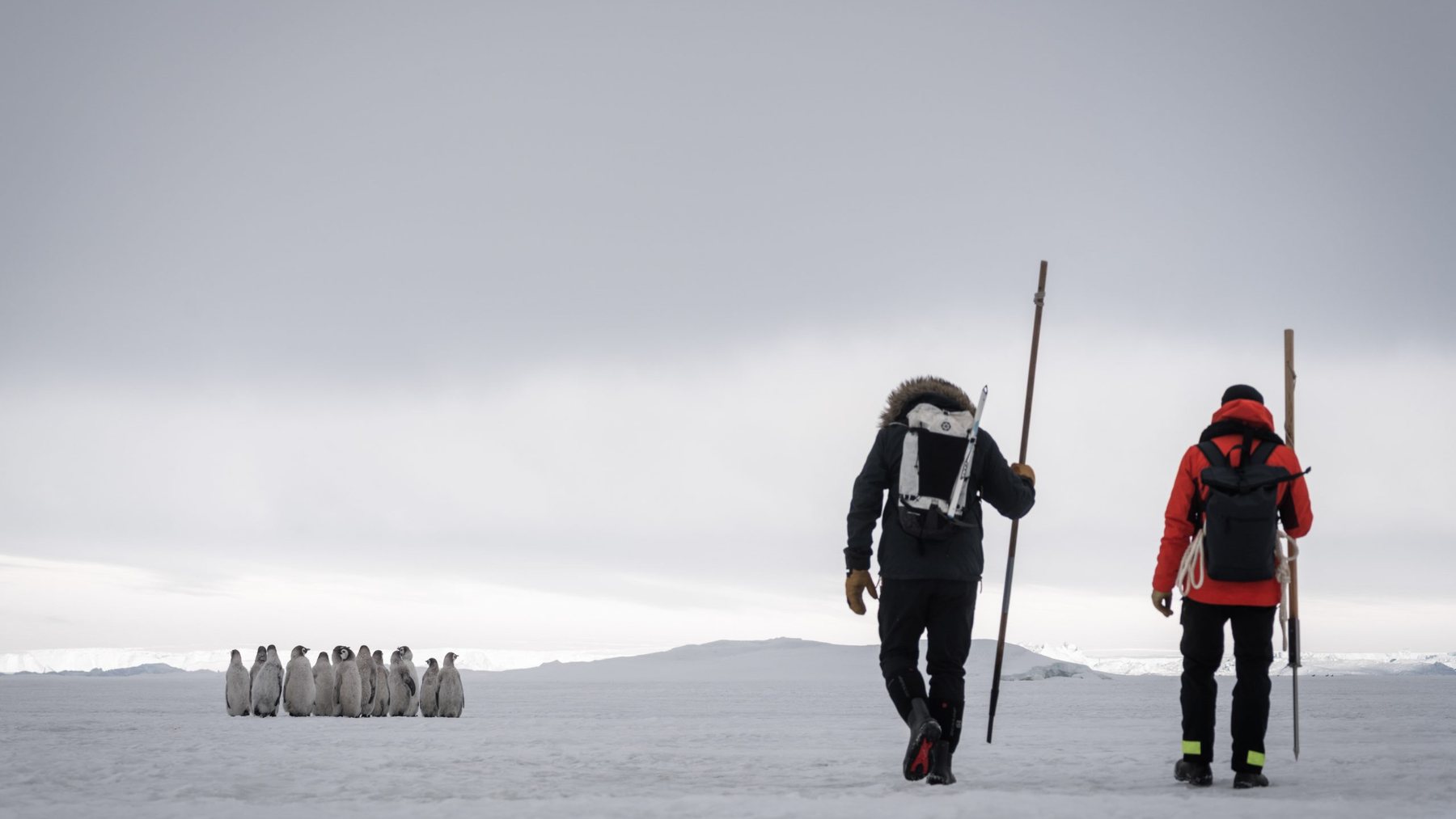
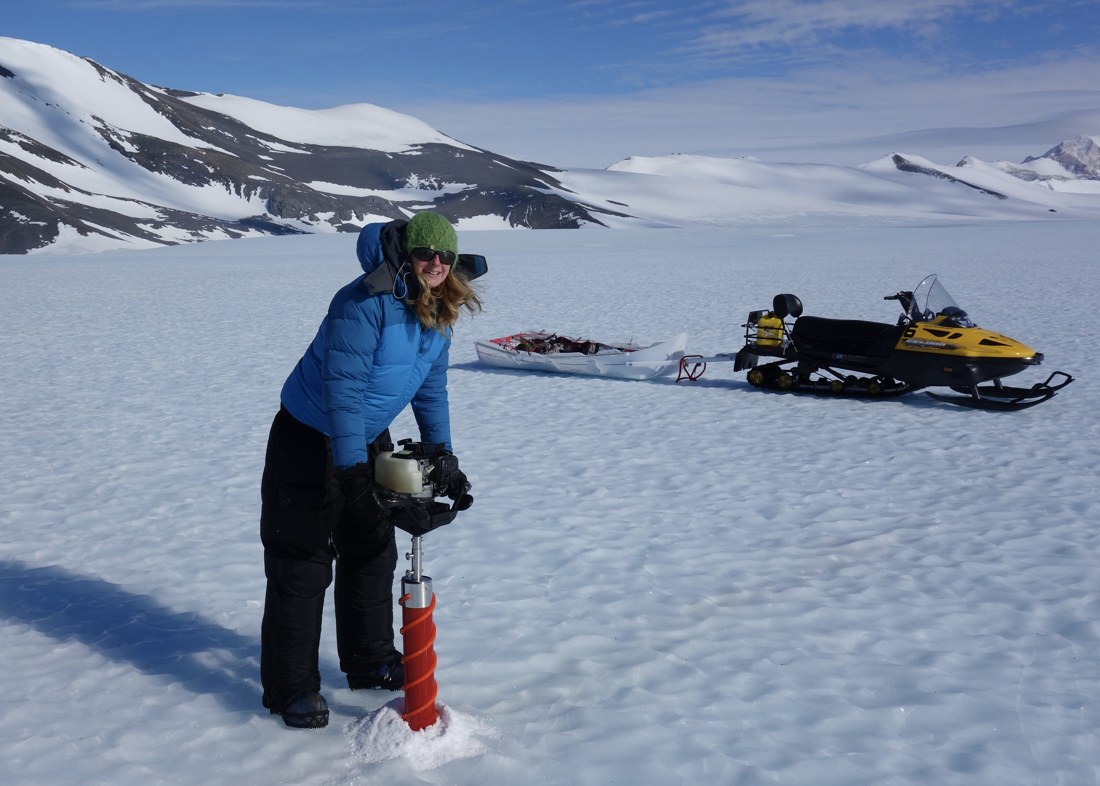
Photo: Helen Millman / University of Exeter