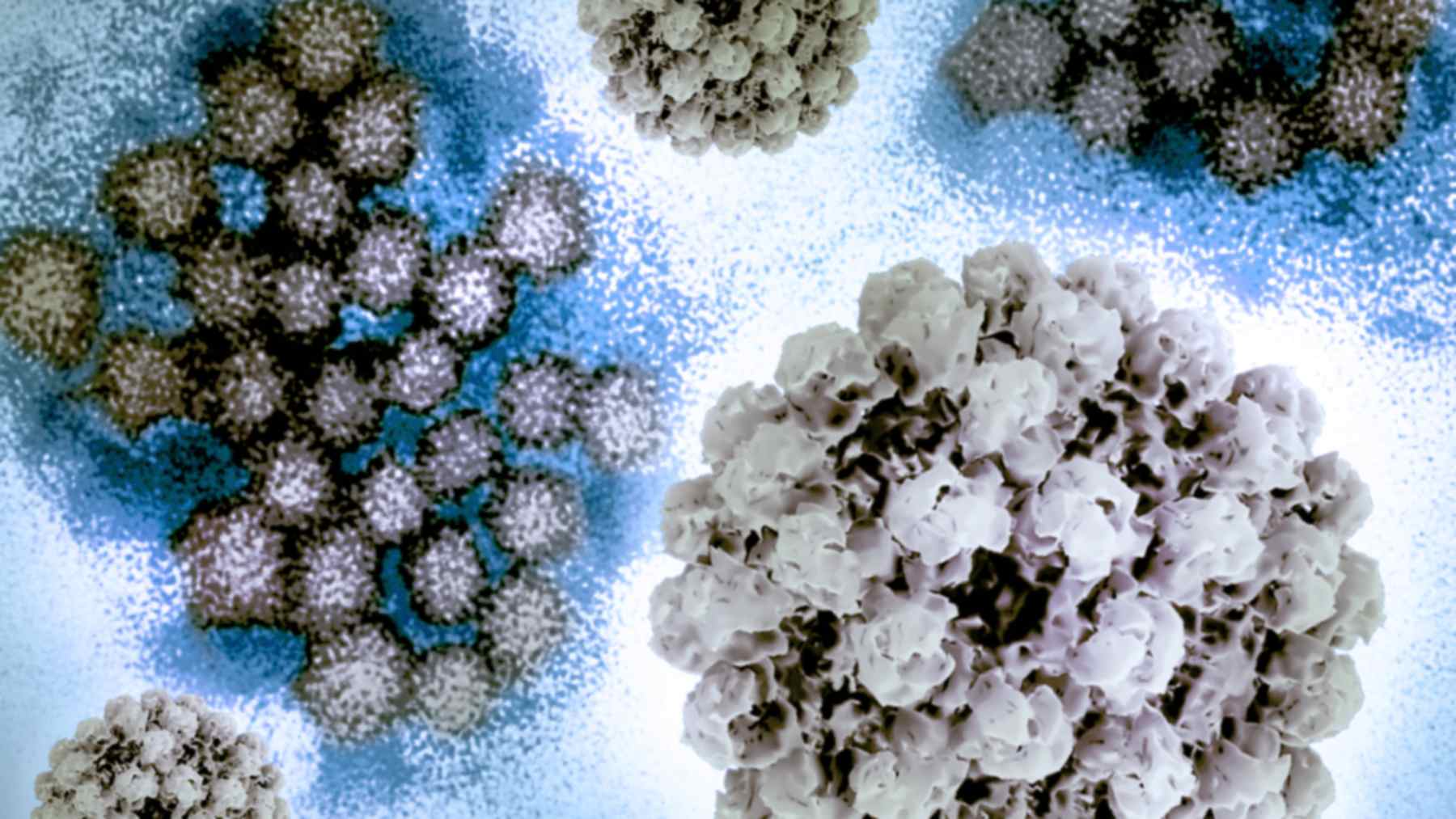
Rotavirus activity in England has risen above expected levels, according to the latest weekly report from the UK Health Security Agency (UKHSA), published on November 19. Norovirus, often called the winter vomiting bug, is also climbing.
From November 2 to 15, rotavirus lab reports were 60.3% higher than the five-season average for those weeks. Norovirus reports were up 36.2% on the previous two weeks, though they remain within expected levels.
Rotavirus above expected levels
England recorded 101 positive rotavirus laboratory reports in weeks 45 and 46 of 2026. The average for the same two weeks over five previous seasons was 63.
That total was also 53% higher than the previous two-week period, when there were 66 reports. Rotavirus activity has increased in recent weeks and has exceeded expected levels, the agency says.
Across the season so far, England has logged 1,092 positive rotavirus reports. That is 34.7% above the five-season average of 811 for the same period.
Norovirus rising but still normal
Norovirus activity has increased in recent weeks but remains within expected levels, UKHSA says. Its two-week total of 331 laboratory reports was 5.4% above the five-season average of 314.
Compared with the previous two weeks, when there were 243 reports, norovirus reports rose by 36.2%. In the latest week alone, England recorded 177 positive reports.
That is 28.2% of last season’s peak of 627 weekly reports. Since the season began, England has logged 2,325 norovirus lab reports, 18% above the five-season average of 1,970.
Although it is sometimes called the winter vomiting bug, people can catch norovirus at any time of year, according to the NHS.
Reports highest among under-5s
During this period, the norovirus reporting rate was highest among children aged 0 to 4, the report says. UKHSA’s five-season average uses the same weeks from 2018 to 2019 and from 2022 to 2023 through 2025 to 2026.
The figures draw on three national UKHSA systems, covering laboratory reports, hospital outbreaks and the genetic typing of norovirus strains. All the data come from live reporting systems with a reporting delay. Numbers for the most recent weeks may rise further as more reports arrive, the agency notes.
Hospital outbreak data, usually included in the report, is missing this time. The reporting system was offline from October 22 to November 4 for updates. It will return in the report due on November 26.
Which strains are circulating
UKHSA’s Enteric Virus Unit has characterized 200 norovirus-positive samples so far this season. Of those, 89% belonged to genogroup 2 and 11% to genogroup 1.
The most frequent genotype was GII.4[P16], found in 25% of samples, followed by GII.9[P7] at 18.5%. Tracking strains helps the agency monitor which variants are spreading.
Elsewhere in our coverage, Australia temporarily shut its Macquarie Island research station over bird flu fears.
How to stop it spreading
Norovirus spreads very easily, through close contact with an infected person, contaminated surfaces, or food prepared by someone who has it. It usually gets better in about two days.
To limit spread, the NHS advises washing hands with soap and water after using the toilet and before handling food. Alcohol hand gels do not kill norovirus. People should stay off school, nursery or work until they have not been sick or had diarrhea for two days.
The NHS also advises washing soiled clothes and bedding separately at 60°C. Toilet seats, flush handles and taps should be cleaned too.
Rotavirus is very common in babies and young children. Most get better in a few days, but some can become very dehydrated and need hospital treatment, the NHS says. Babies in the UK are offered two doses of a rotavirus vaccine, at 8 and 12 weeks old.
Why winter brings stomach bugs
Norovirus becomes more common in winter, according to a UKHSA blog post on cold weather and health. People spend more time indoors in poorly ventilated spaces, and the virus survives better in the cold.
The same post says cold weather affects health well beyond infections, from heart and lung conditions to falls. In other disease research we have covered, Smithsonian scientists used museum specimens to tie a frog die-off in Brazil to the chytrid fungus.
We have also reported on a study of children who grew up around England’s medieval lead mining. UKHSA’s next report is due on November 26, when hospital outbreak data are due to return.
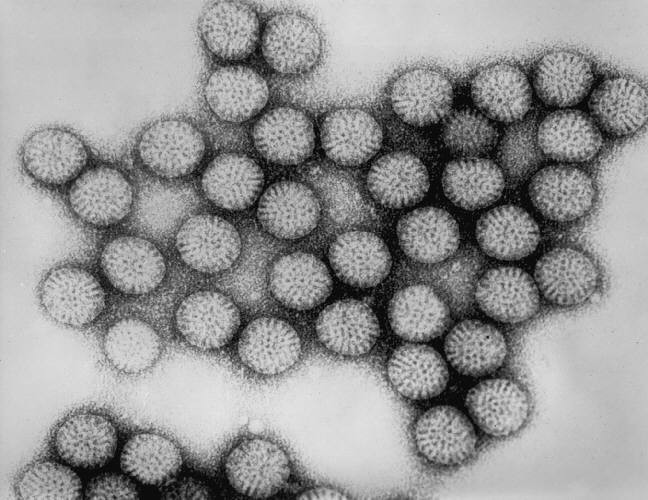
Image: NIAID