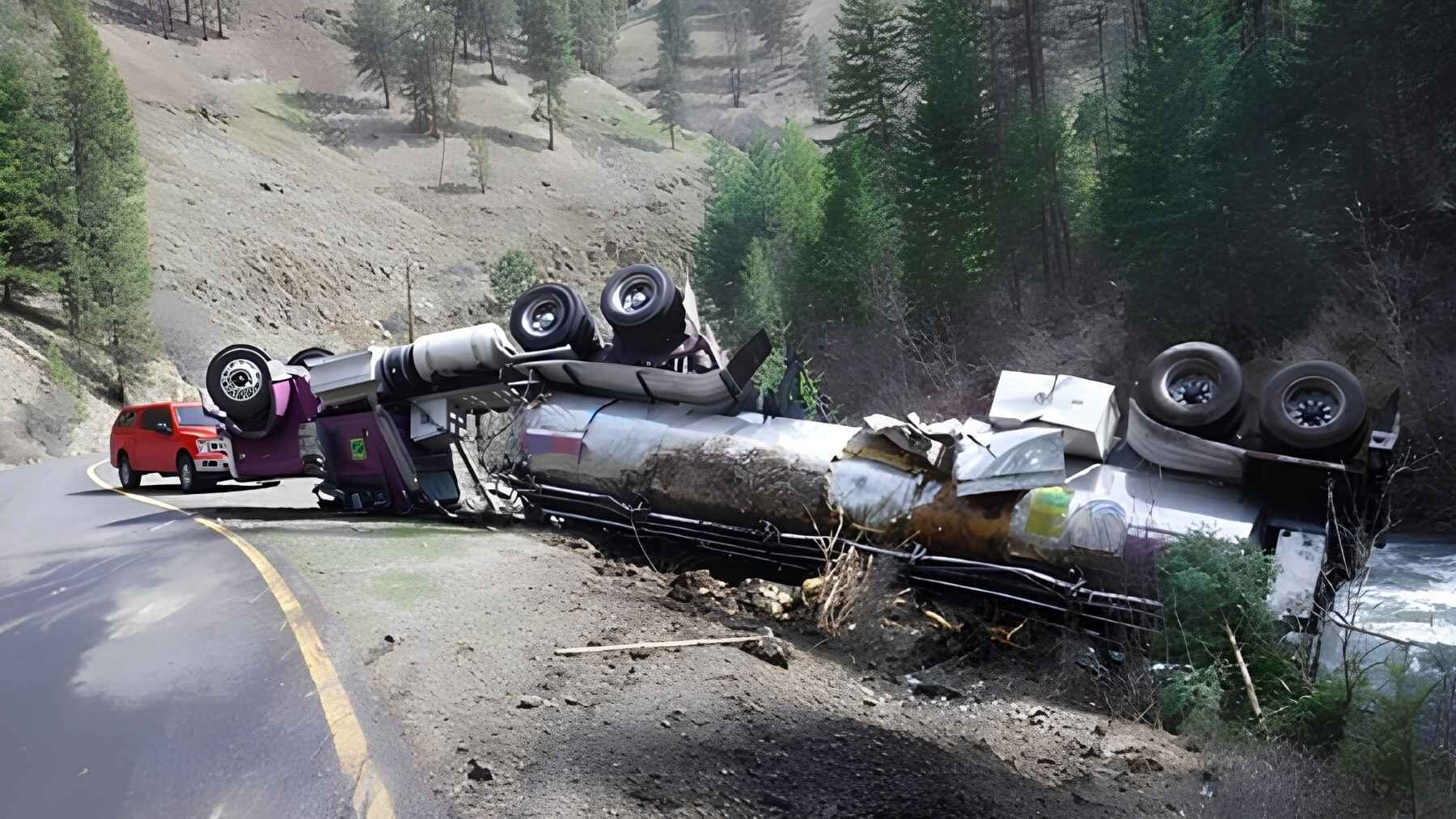
On March 29, 2024, a 53-foot fish tanker carrying around 102,000 spring Chinook salmon smolts flipped over near Lookingglass Hatchery in the northeast of Oregon. Approximately 77,000 fish reached Lookingglass Creek alive, but the authorities recovered 25,529 dead smolts found in the tanker and streambank.
The driver only suffered minor injuries. The fish that survived the accident did not make it to their intended destination, but they were not stranded. They entered the water just on time to migrate toward the ocean. What began as an accident ended up being an unintentional release of salmon.
A dangerously sharp turn
According to the statement of Oregon Department of Fish and Wildlife, the truck tipped onto the passenger side while it was taking a sharp turn. It slid across the road and fell down a rocky slope, finally stopping upside down.
Since this accident occurred next to Lookingglass Creek, most of the fish that managed to escape from the tanker reached the water, and ended up in the Grande Ronde River. There was also a small diesel spill but was quickly contained.
“We are truly relieved that the ODFW employee that was driving the truck was not seriously injured,” said Andrew Gibbs, coordinator of the agency’s Eastern Oregon fish hatchery.
Why did so many salmon survive?
These fish were smolts, rather than newly hatched fry. At this point in their development, young Chinook go through physical changes that allow them to leave freshwater and make their way to the ocean. NOAA classifies Chinook as anadromous fish because they hatch in rivers, grow in the ocean and eventually return to freshwater to reproduce.
Fortunately, these fish were smolts, not newly hatched fry. This helped the survival rate, as in this stage of their development, they experience physiological changes that prepare them to change their habitat, from freshwater to the ocean. According to NOAA Chinook are anadromous fish because they hatch in rivers, then they grow in the ocean and eventually return to freshwater in their reproductive stage.
The wrong turn was not a dead end
The original plan was to release the fish in the Imnaha River, but the accident sent them to Lookingglass Creek, part of the Grande Ronde system.
Both waterways are connected to the wider region of Snake River, so in the end, that fish that managed to survive had a connected migration route that led to the ocean.
However, the location where these young salmon are released is important. The U.S. Geological Survey says that young salmon have a chemical “memory” that allows them to remember their home waters even once they migrate. For this reason, ODFW expects that many of the survivors will eventually return to Lookingglass Creek rather than to the Imnaha River.
The tanker contained a recovery program
Lookingglass Hatchery raises spring Chinook as part of its Lower Snake River Compensation Plan. This program supports fisheries and helps threatened wild populations which are affected by the development of hydropower.
Snake River spring/summer-run Chinook is still classified by NOAA as threatened under the Endangered Species Act.
Officials sent a notification to the Nez Perce Tribe and Confederated Tribes of the Umatilla Indian Reservation, and the staff of Nez Perce helped count the dead fish and scan them for PIT tags, which are tracking devices used to study their survival and future returns.
The cost of the crash
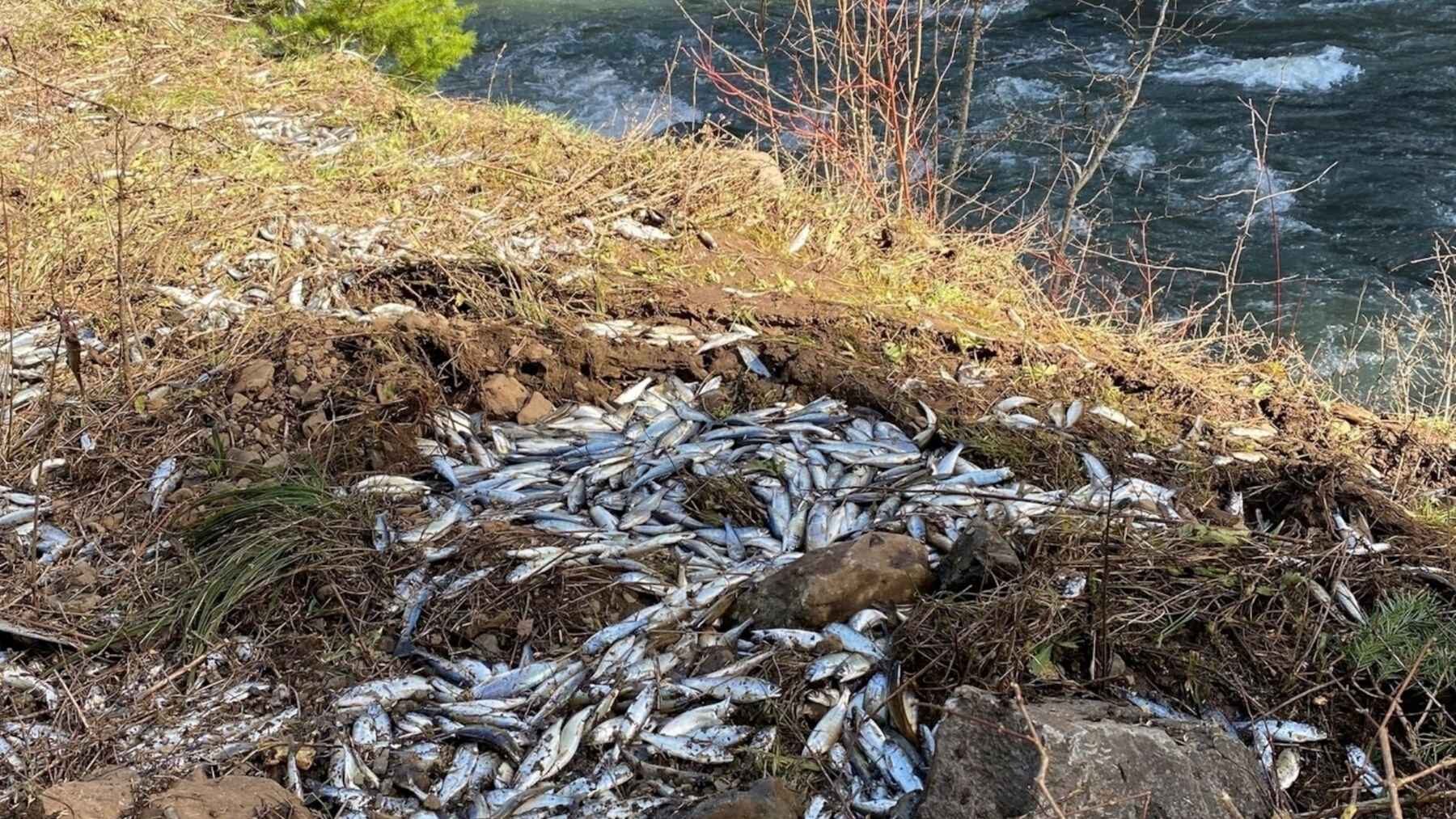
The 25,529 smolts that died were about 20 percent of the fish that were going to be released into the Imnaha River that year. According to the ODFW estimates, the cost of the accident means that 500 to 900 fewer adults will return in 2026 and 2027.
However, they believe that the 77,000 fish that did survive might produce approximately 350-700 adults of this species returning to Lookingglass Creek.
Of course, these numbers are projections, this is not guaranteed. These survival rates really vary during migration and years they spend at sea.
This accident was an unfortunate event, but luckily, it occurred near the water and some of them will continue the life cycle they were meant to follow.
The official statement was published by the Oregon Department of Fish and Wildlife.