

Sonia Ramírez

Journalist with more than 13 years of experience in radio and digital media. I have developed and led content on culture, education, international affairs, and trends, with a global perspective and the ability to adapt to diverse audiences. My work has had international reach, bringing complex topics to broad audiences in a clear and engaging way.
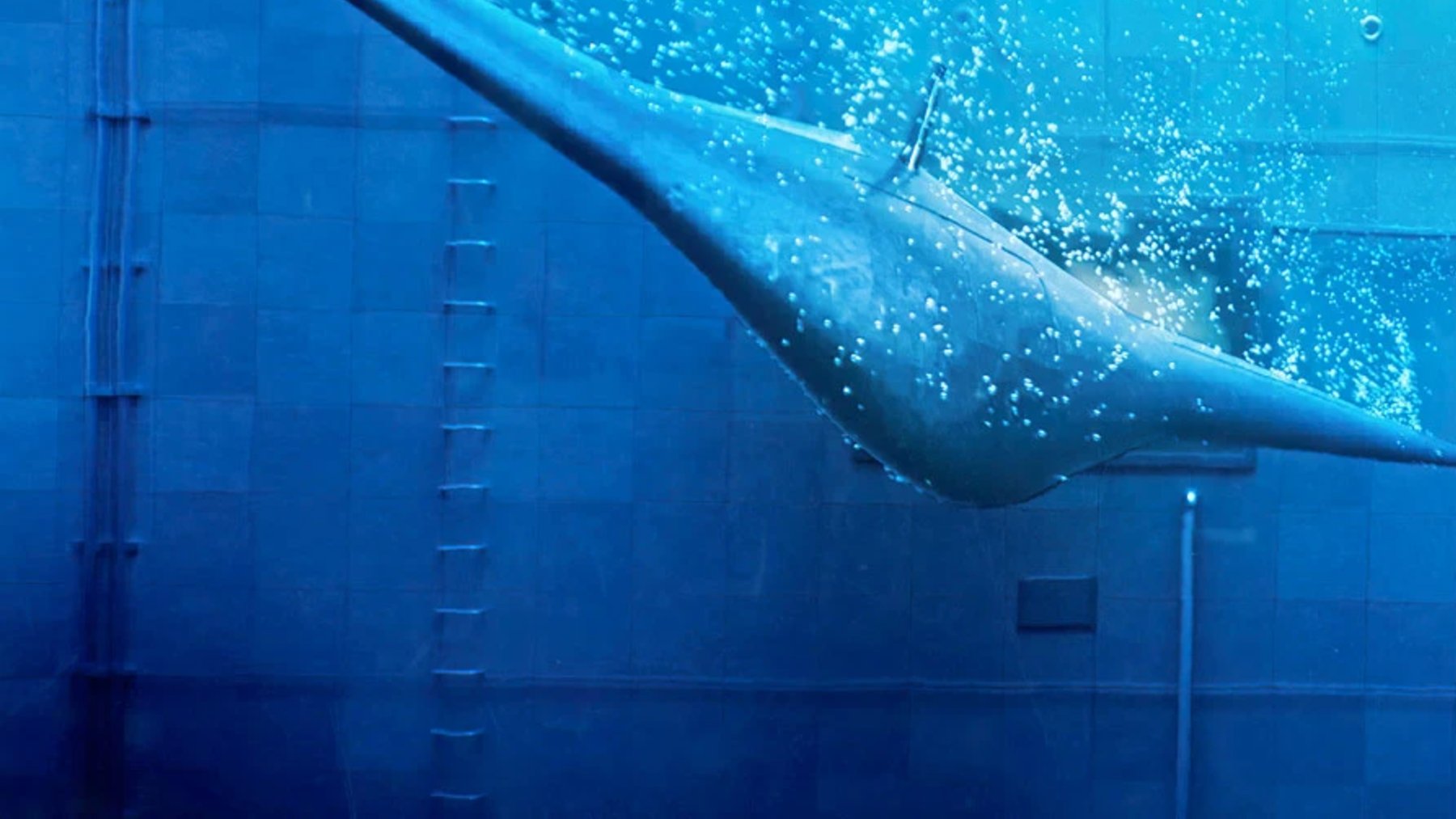
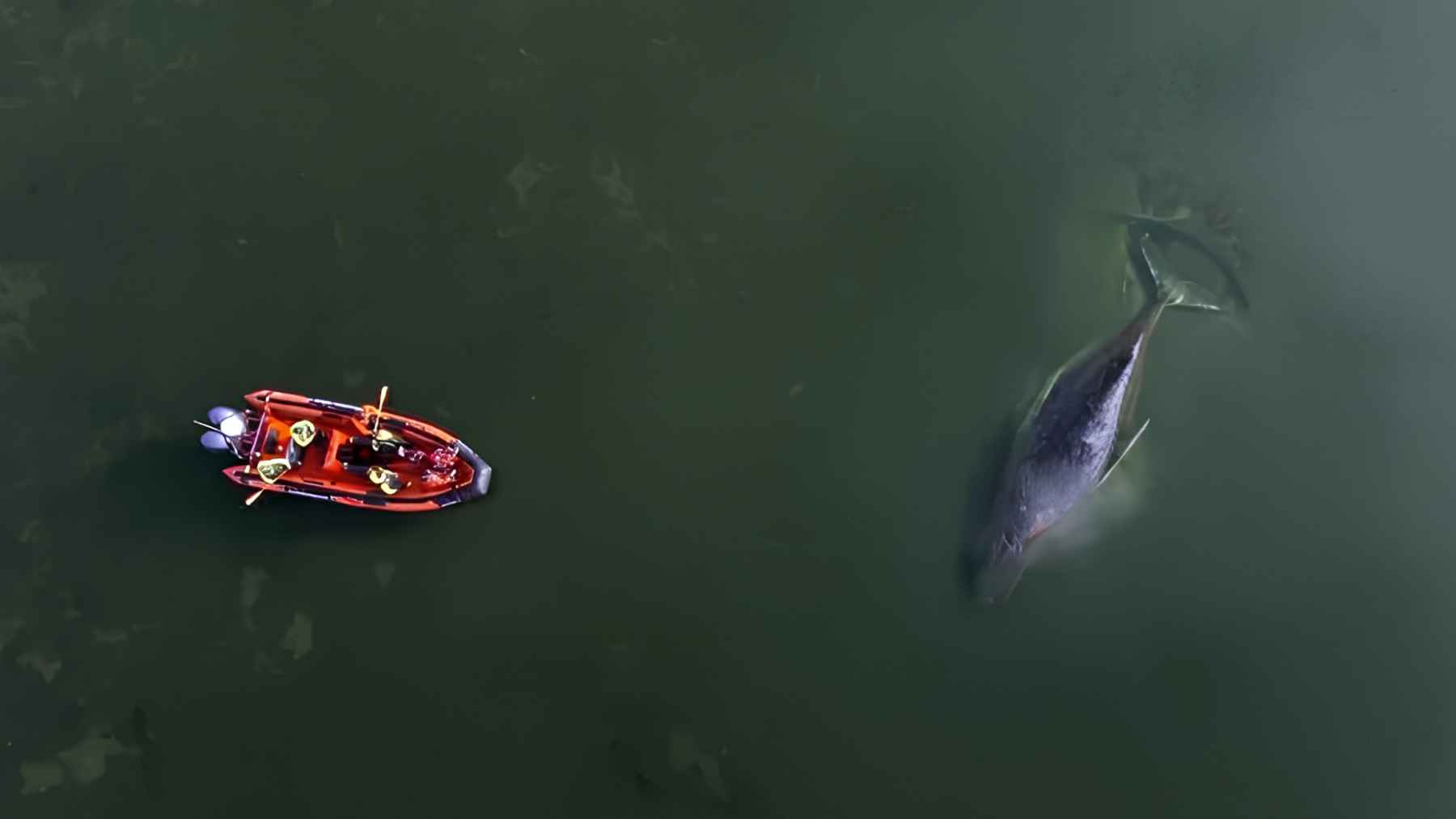
Timmy the stranded humpback whale during rescue efforts after repeated strandings in shallow Baltic Sea waters.

Germany let a last-ditch rescue try to save “Timmy,” a humpback stranded on a sandbank, and after a privately funded operation costing about $1.6 million to tow him toward the North Sea, Danish authorities confirmed the whale was found dead near Anholt

June 7, 2026 at 8:45 AM
Older adult sitting alone reflecting on fading friendships and one-sided relationships.

Psychology tells us that the loneliest part of growing old isn’t being alone, but realizing that some friendships disappear as soon as you stop nurturing them, and understanding that they were never based on mutual care, but on your willingness to do all the emotional work

June 7, 2026 at 6:05 AM
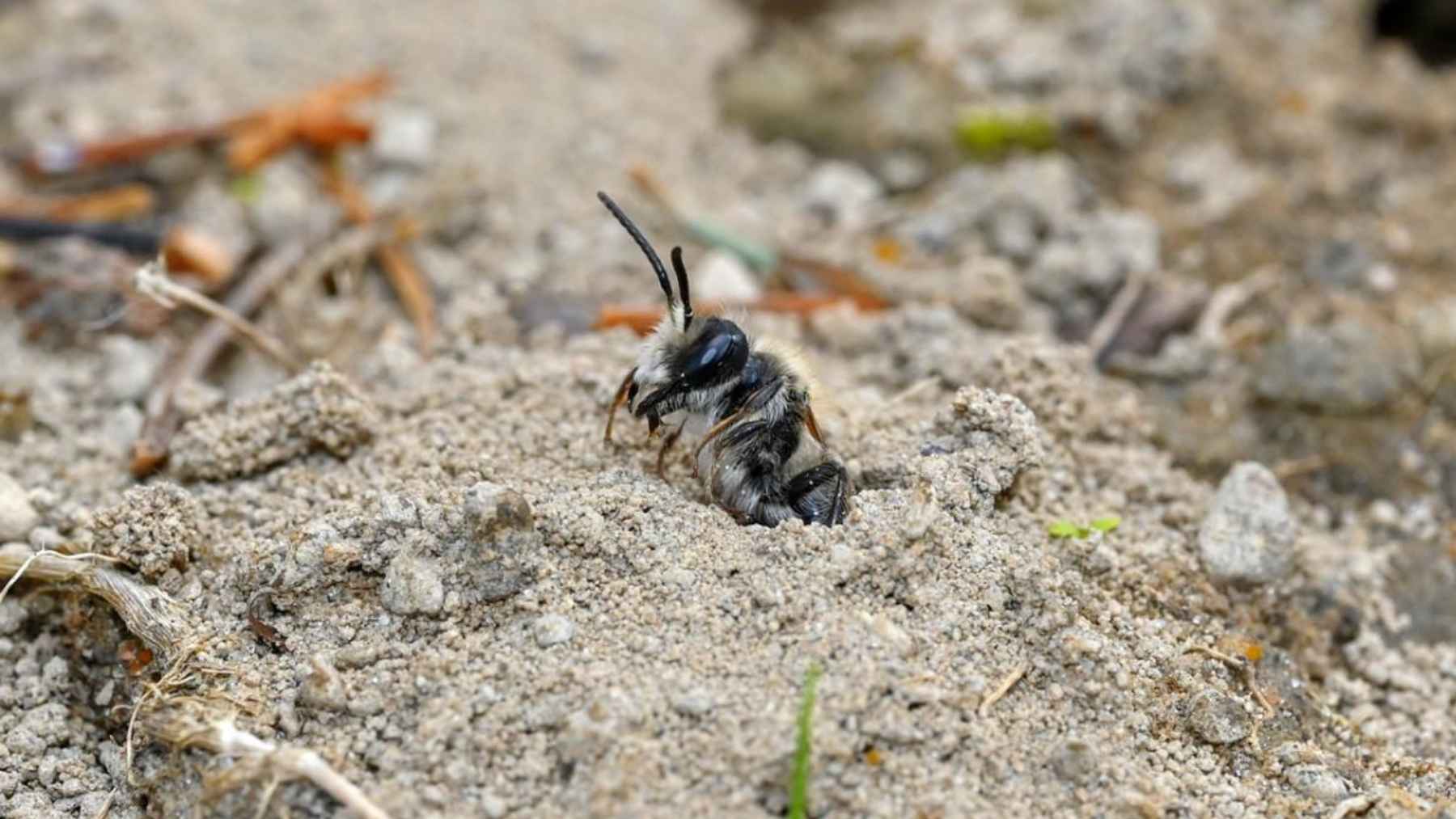
A ground-nesting mining bee emerging from a small burrow in sandy soil.

Millions of bees are found nesting underground in a massive colony, and the scale forces a rethink of how we protect pollinators beyond hives

June 6, 2026 at 12:30 PM
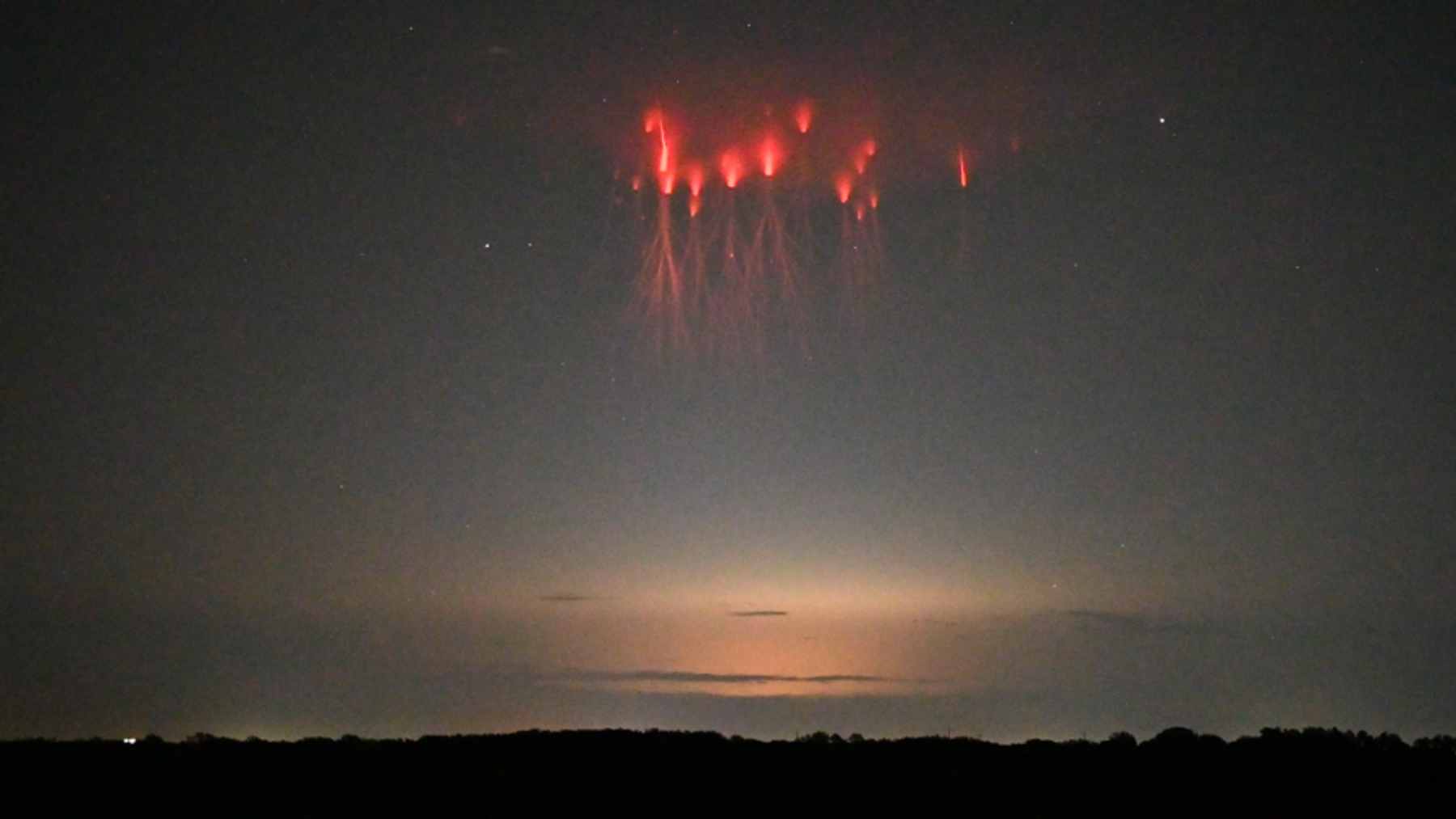
A view from the International Space Station showing a vibrant red gigantic jet lightning event discharging above a thunderstorm.

NASA astronauts capture rare red “sprites” above storms from the space station, and the scene reveals a kind of lightning so high and elusive we usually miss it

June 6, 2026 at 6:30 AM
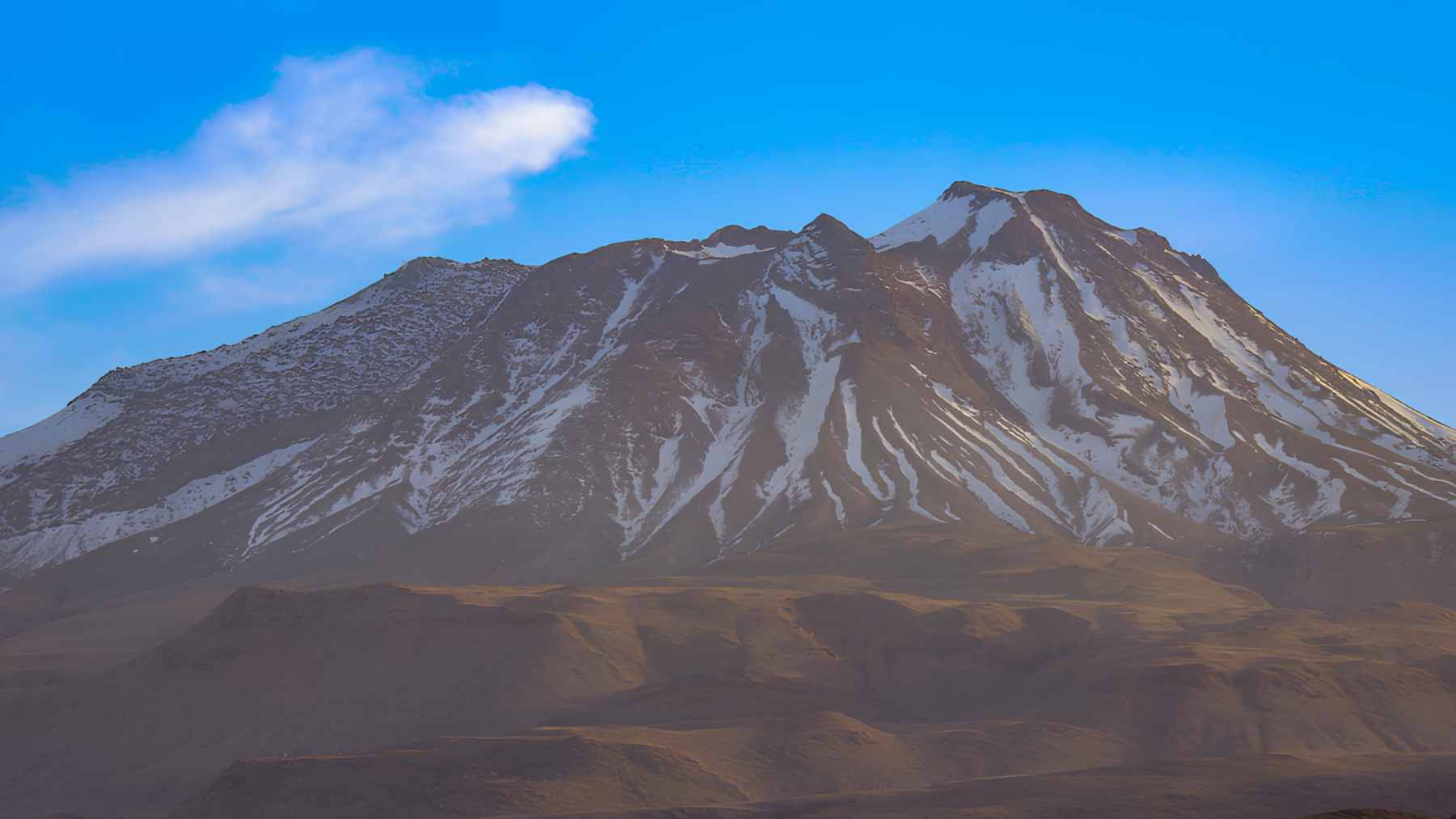
A satellite radar image overlay showing ground elevation changes at the summit of Taftan volcano in southeastern Iran.

Iran’s remote Taftan volcano stirs after 700,000 silent years, and the return of activity is a reminder Earth keeps longer clocks than human memory

June 5, 2026 at 5:00 PM
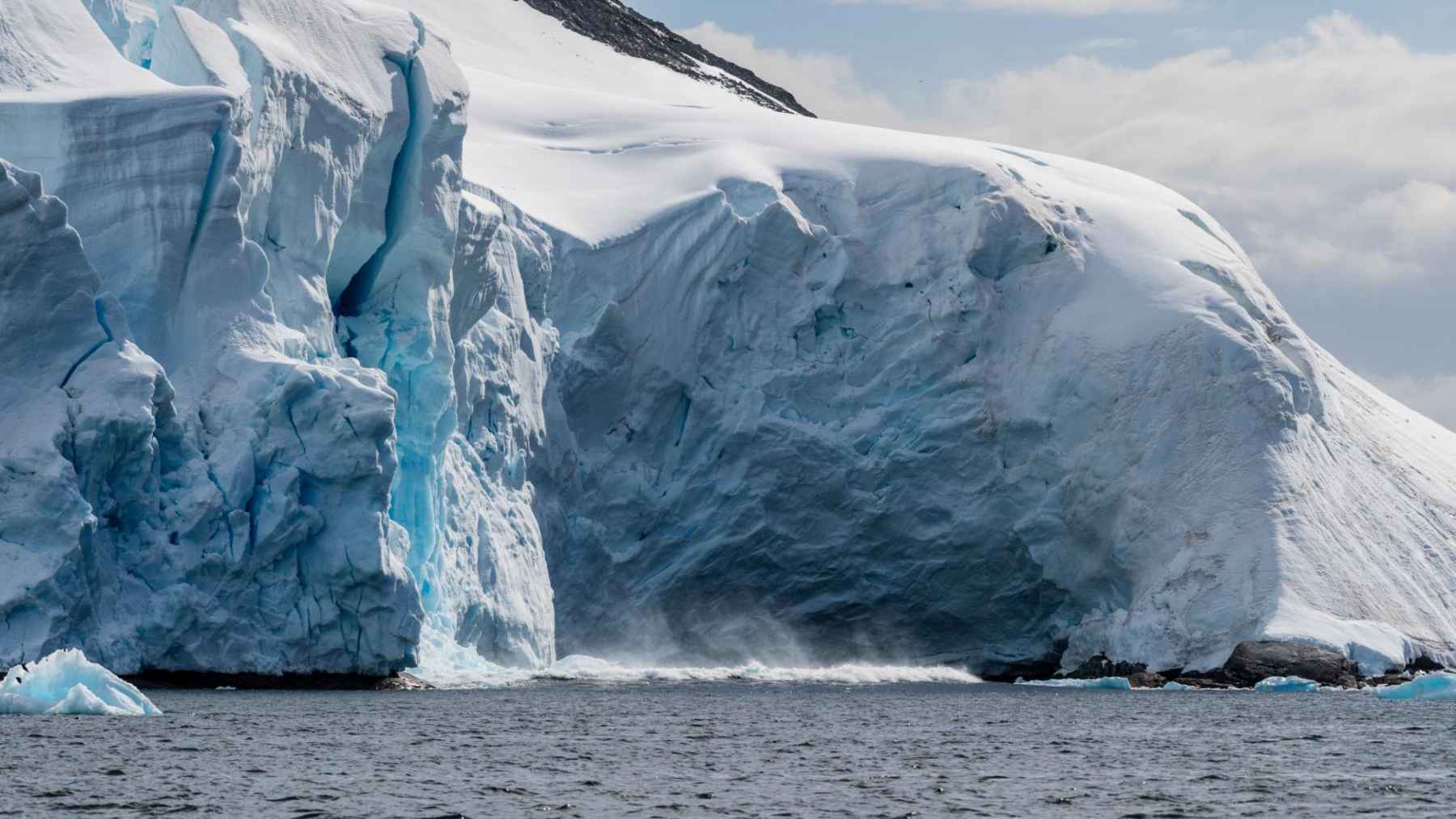
Large Antarctic glacier breaking into the ocean, illustrating ice shelf instability and melting processes.

Researchers find that the more Antarctic ice melts, the more warm water reaches the underside of ice shelves, and that feedback loop can accelerate a melt that’s hard to stop

June 5, 2026 at 10:15 AM
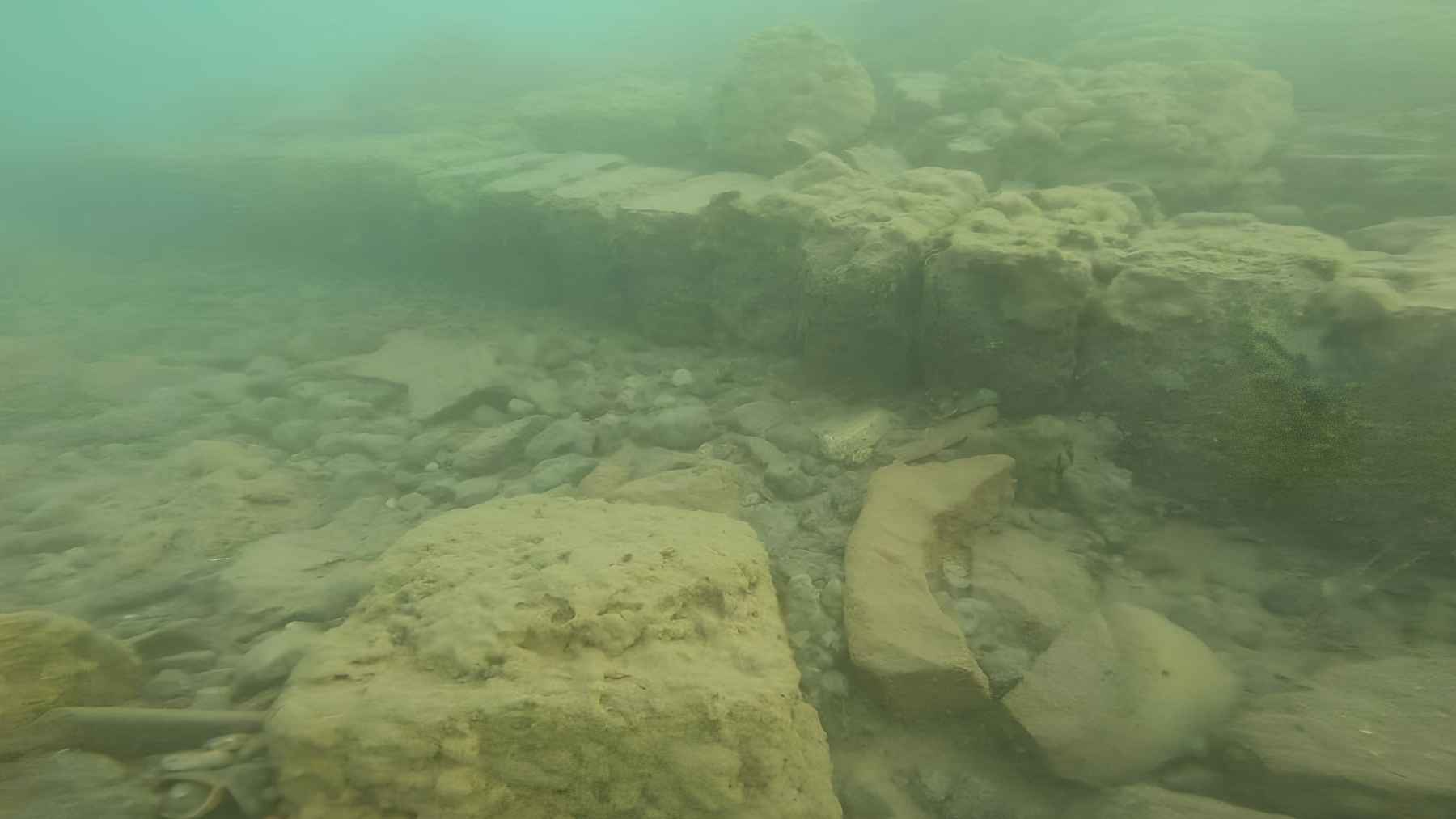
Submerged stone structures and ruins visible underwater at Lake Issyk-Kul, part of a medieval Silk Road settlement.

Archaeologists working in 3 to 13 feet of water along Kyrgyzstan’s Lake Issyk-Kul say they have mapped streets, public buildings, and a Muslim cemetery, and they believe a major early-1400s earthquake pushed a medieval Silk Road trading town under the lake

June 4, 2026 at 3:00 PM
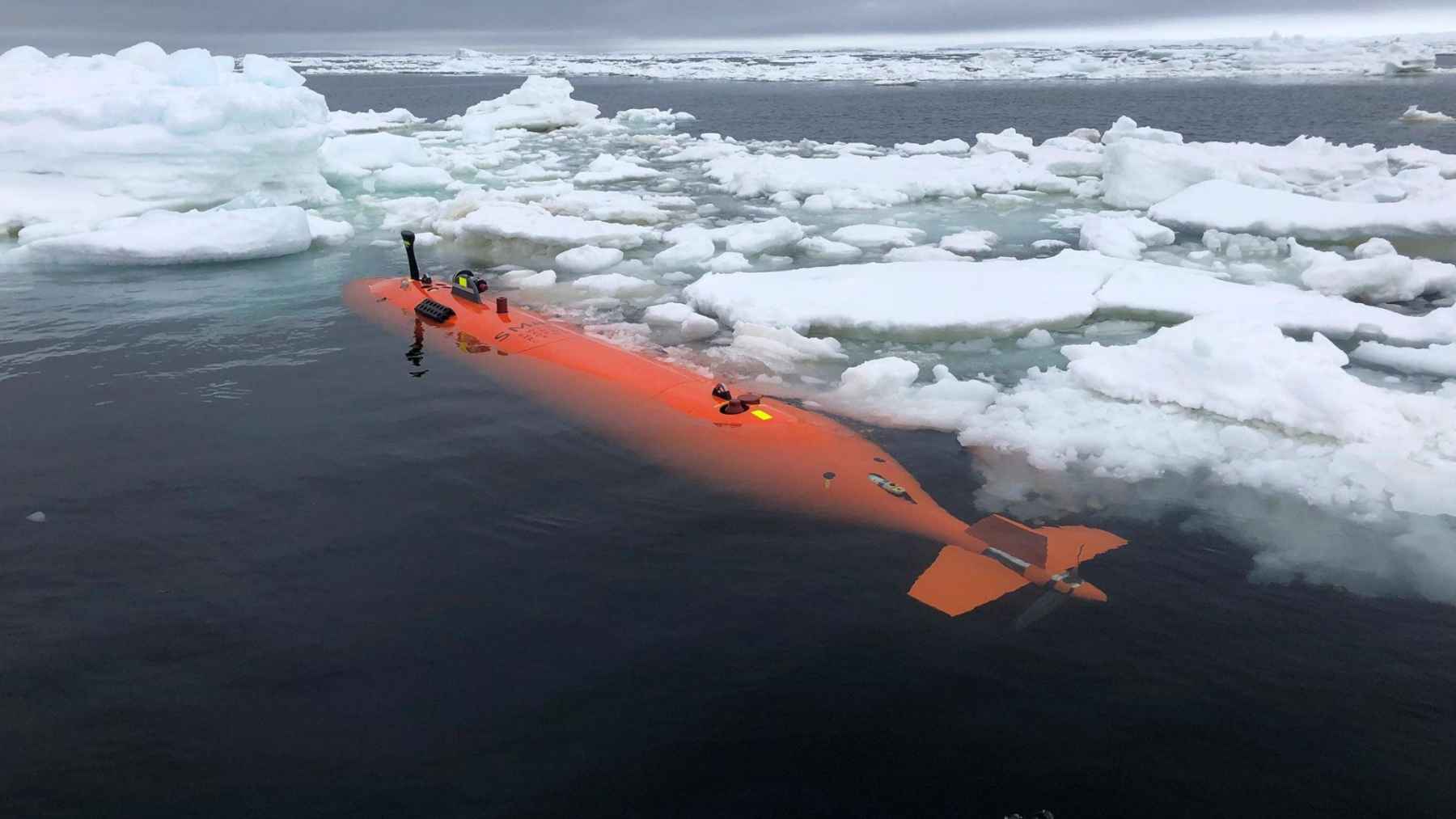
Bright orange autonomous submarine Ran floating among Antarctic sea ice during a mission near the Dotson Ice Shelf.

An Australian Navy submarine detects unknown structures beneath Antarctica’s Dotson Ice Shelf, and the find suggests the seafloor there is more active than it looks

June 4, 2026 at 12:40 PM
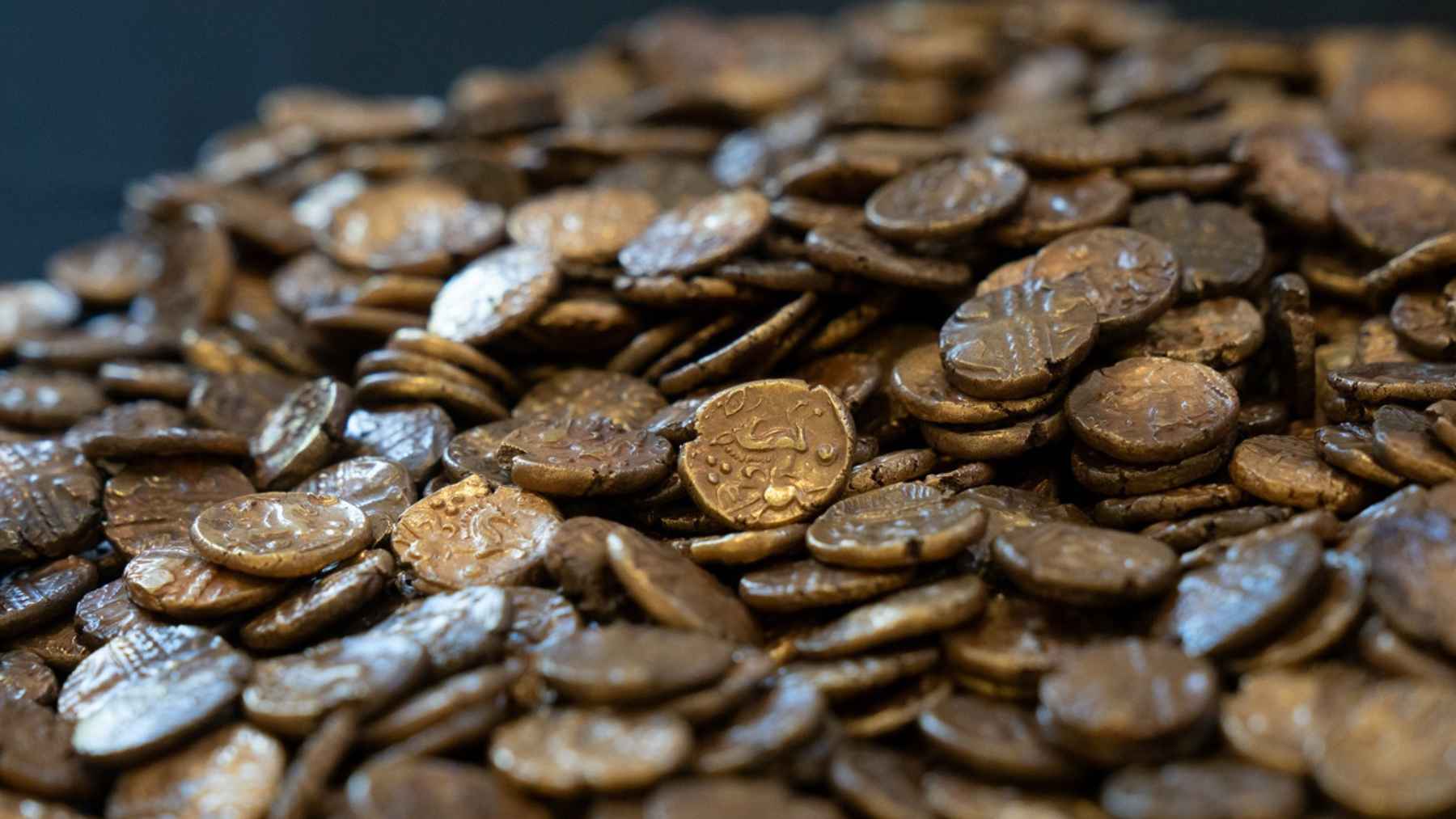
Iron Age gold staters from the Great Baddow Hoard discovered in Essex, one of the largest ancient coin finds in Britain

A metal detector finds more than 1,000 gold coins from the 1st century B.C., and the stash surfaces as if the ground kept a debt with history

June 4, 2026 at 6:30 AM
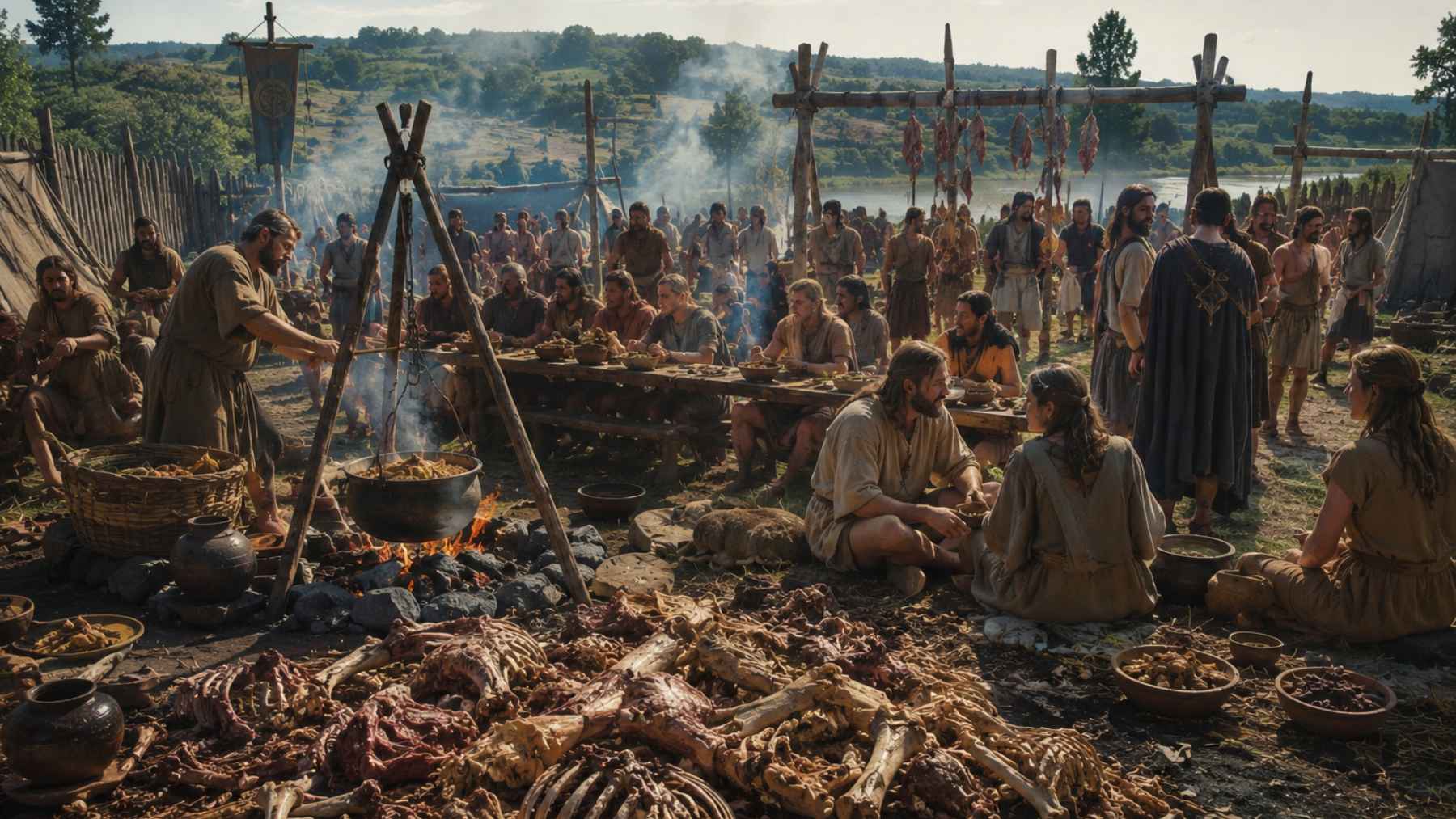
Illustration of a Bronze Age communal feast with people cooking meat over fire and sharing food in a prehistoric settlement.

In Britain’s Bronze Age 3,000 years ago, communities held massive meat feasts, and the gatherings may have functioned like a social network that kept groups together

June 3, 2026 at 10:15 AM
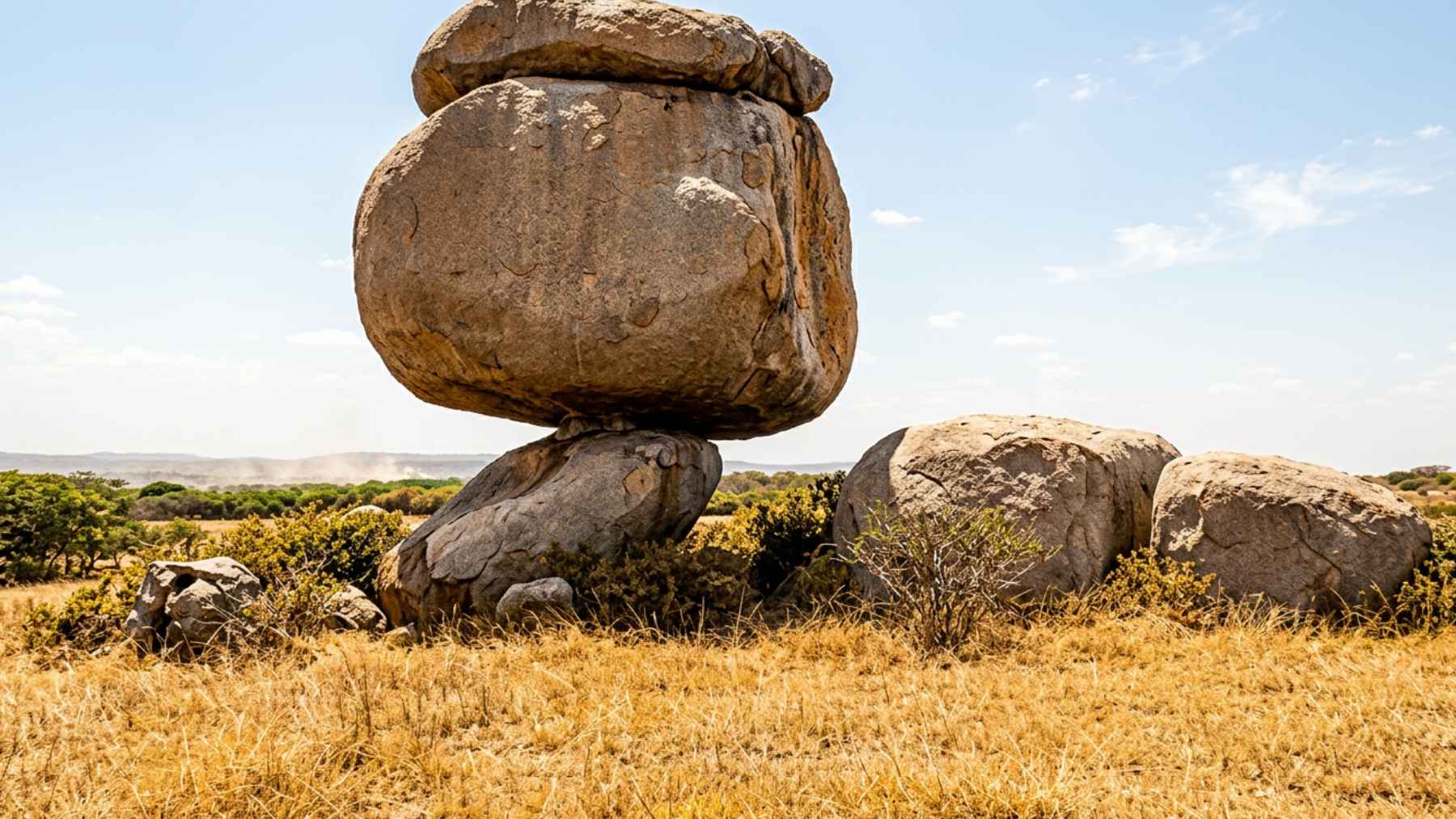
Pedra da Maravilha rock formation in Paraíba, Brazil, appearing to balance a massive boulder on a small base.

In Brazil’s Paraíba backcountry, the “Pedra da Maravilha” looks like it defies gravity on a tiny base, and the geological oddity has turned one rock into a tourism magnet

June 2, 2026 at 3:00 PM
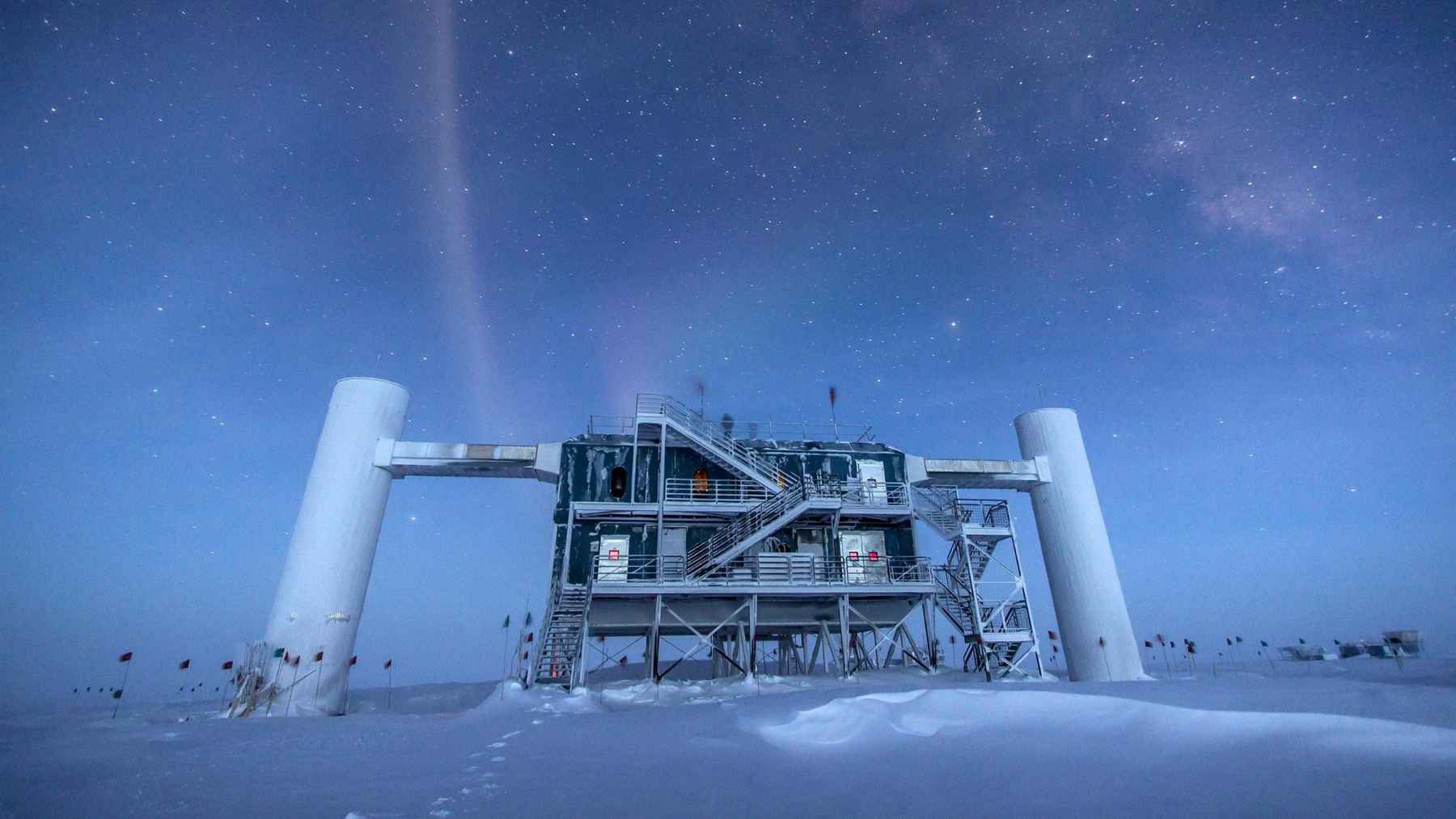
IceCube neutrino observatory at the South Pole under a star filled Antarctic sky.

IceCube releases its first report using a new neutrino analysis method, and the upgrade could sharpen how we “listen” to particles that cross Earth without leaving a trace

June 2, 2026 at 12:30 PM
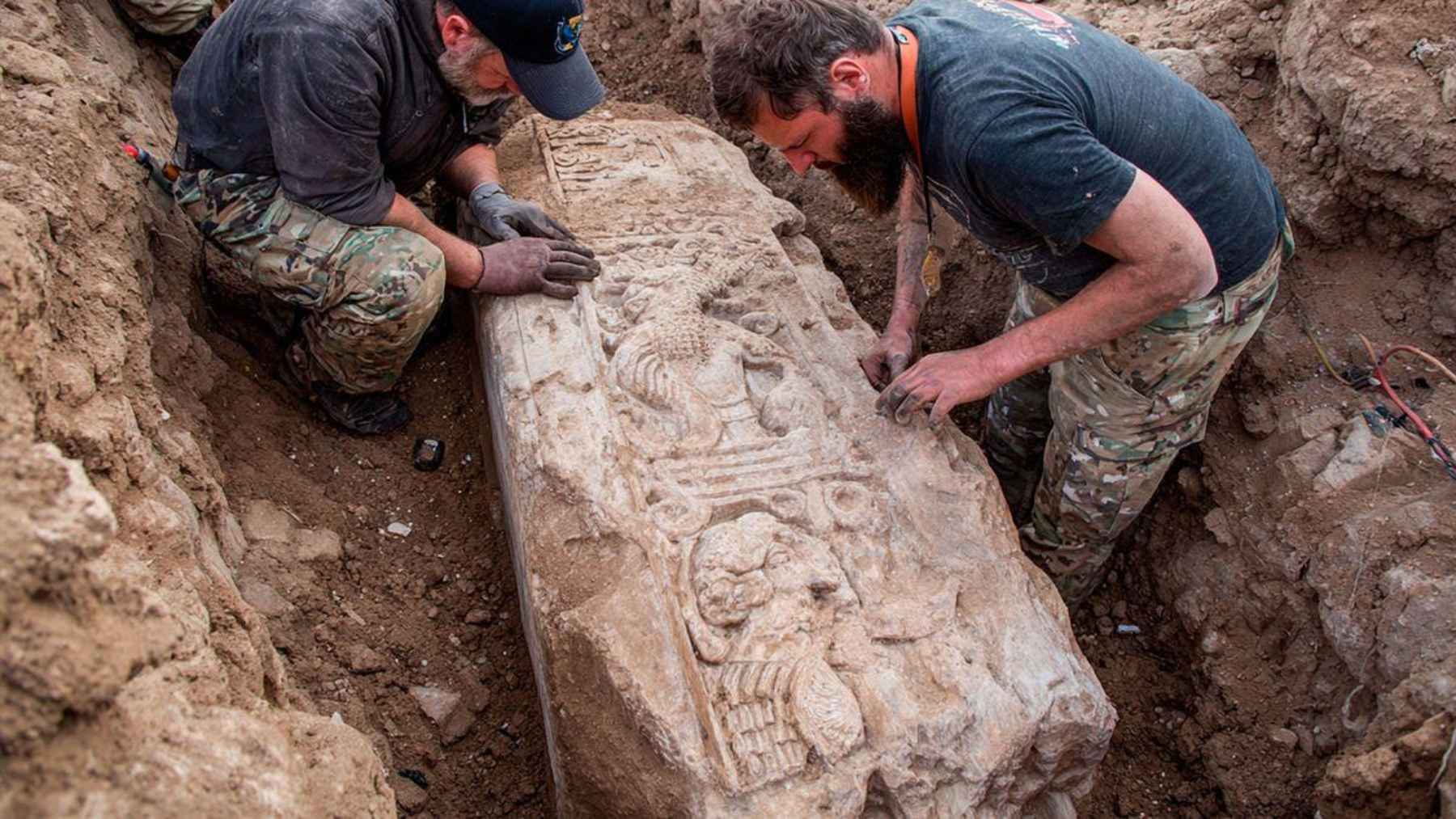
Archaeologists uncovering a decorated sarcophagus during an excavation in Luxor, Egypt.

Archaeologists entered a hidden rock-cut chamber beneath Luxor and found 22 painted coffins stacked in 10 rows plus 8 sealed papyri left untouched inside a pottery vessel, a cache tied to the “Singers of Amun” that reads like a sacred archive buried on purpose

June 2, 2026 at 6:30 AM
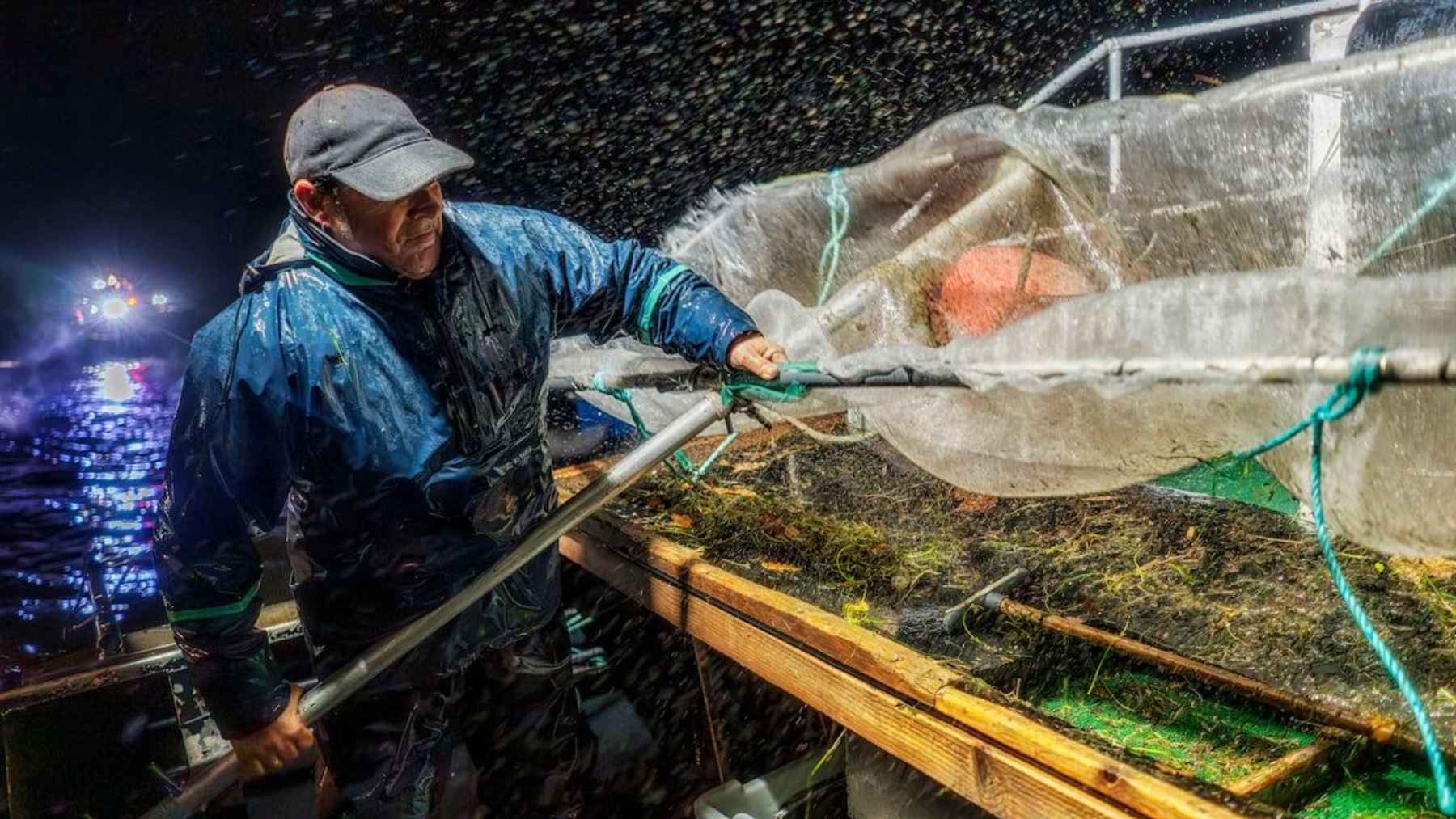
Fisherman catching eels at night using nets in a river or estuary in Spain.

Fishers in Galicia and Asturias push back against an eel-fishing proposal, and the clash blends tradition, science, and a species on the edge

June 1, 2026 at 5:00 PM
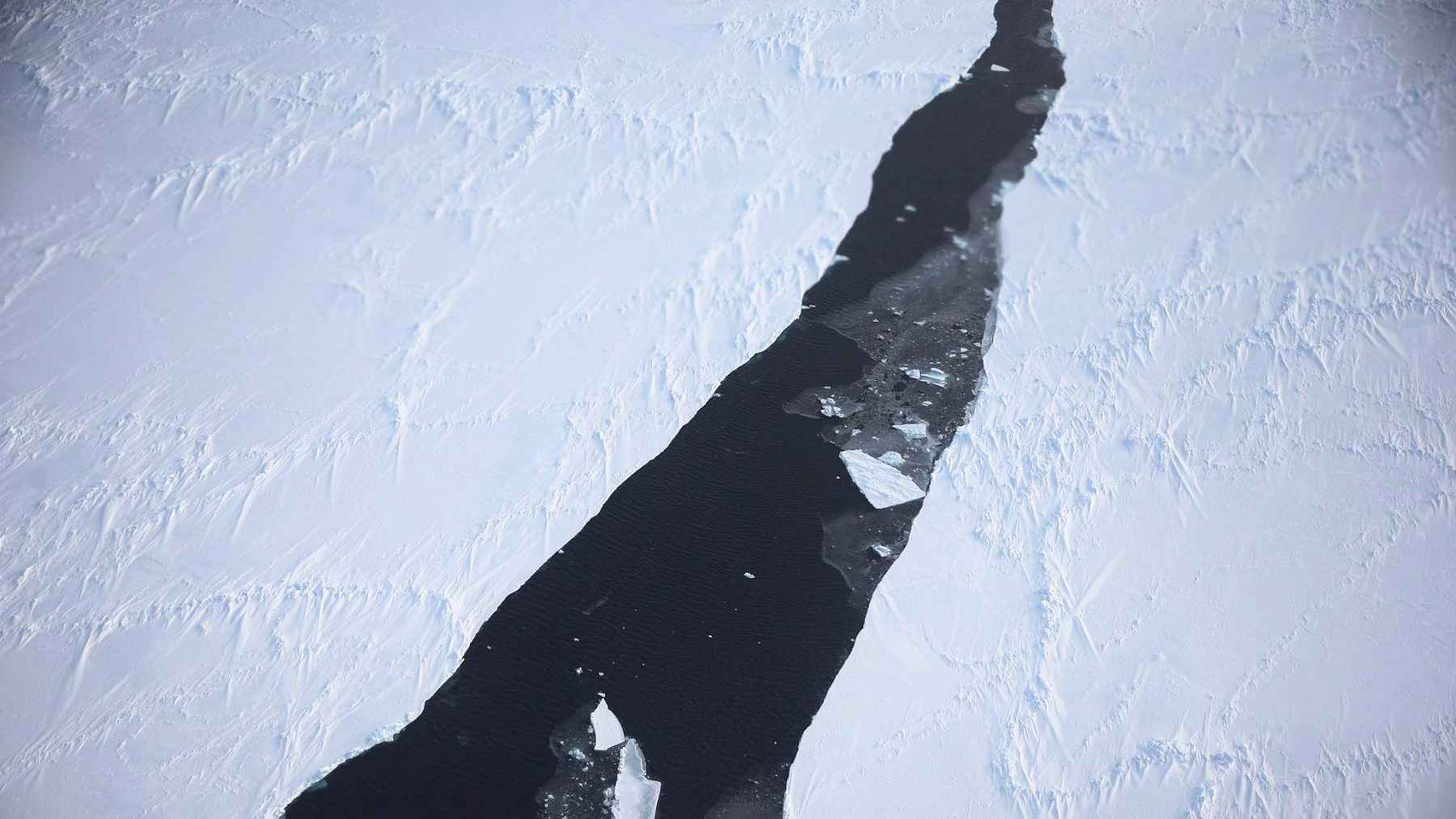
Aerial view of a large crack in Antarctic sea ice exposing dark ocean water between ice sheets.

Warm water in the Amundsen Sea is eroding the base of key West Antarctic glaciers, and Thwaites and Pine Island are becoming the ice’s most unsettling thermometer

June 1, 2026 at 10:45 AM
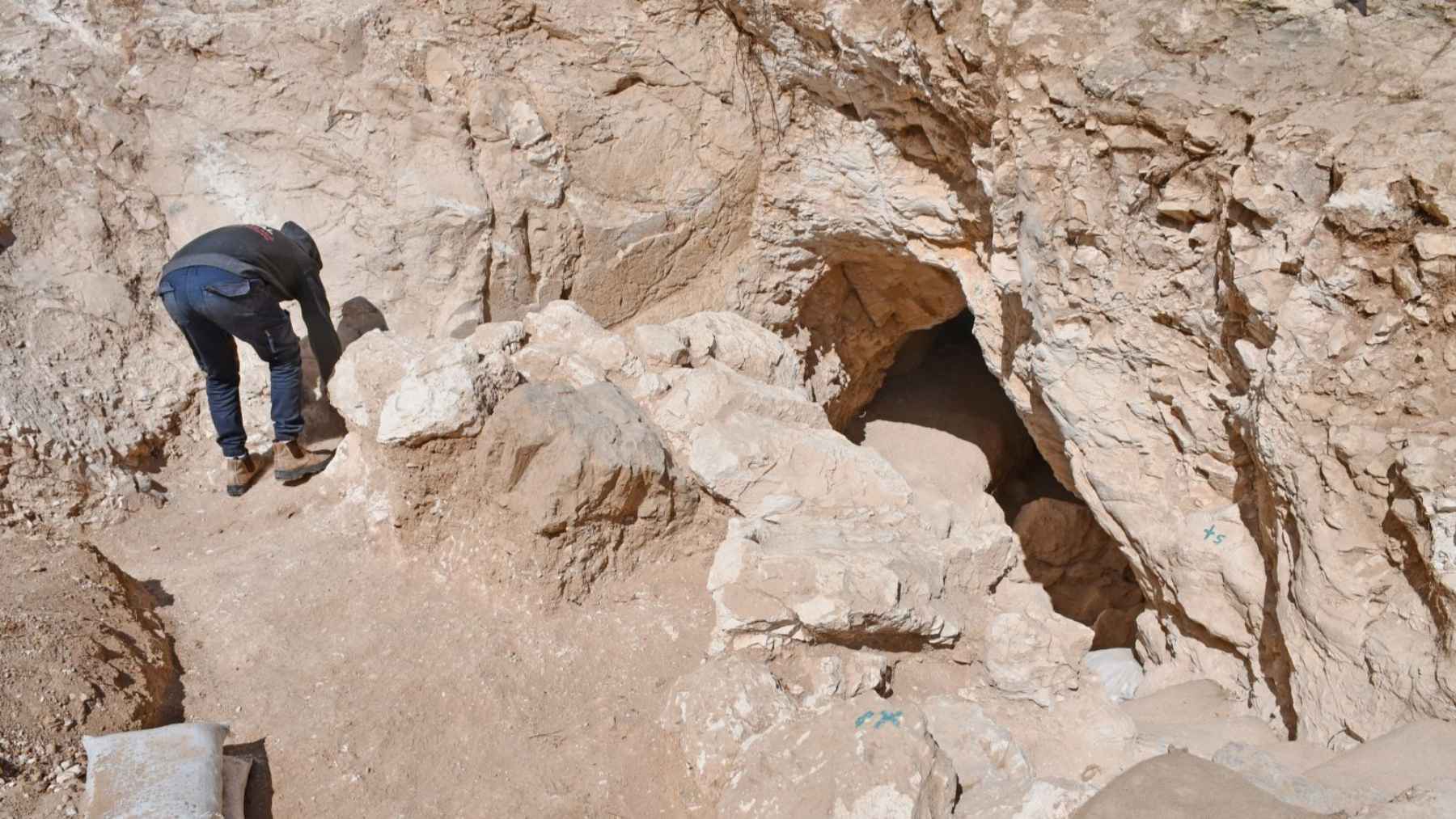
Archaeologist inspects entrance of a rock-cut underground tunnel discovered near Ramat Rachel in Jerusalem.

Archaeologists find a 164-foot underground tunnel in Jerusalem, and the massive build has no clear answer, putting the city under its own history once again

May 31, 2026 at 6:30 PM
Raw sheep wool spread as protective mulch around the base of a young olive tree to retain soil moisture.

Farmers find an unexpected ally: sheep wool improves olive grove soils and could help them withstand drought without chemicals or major construction

May 31, 2026 at 10:15 AM
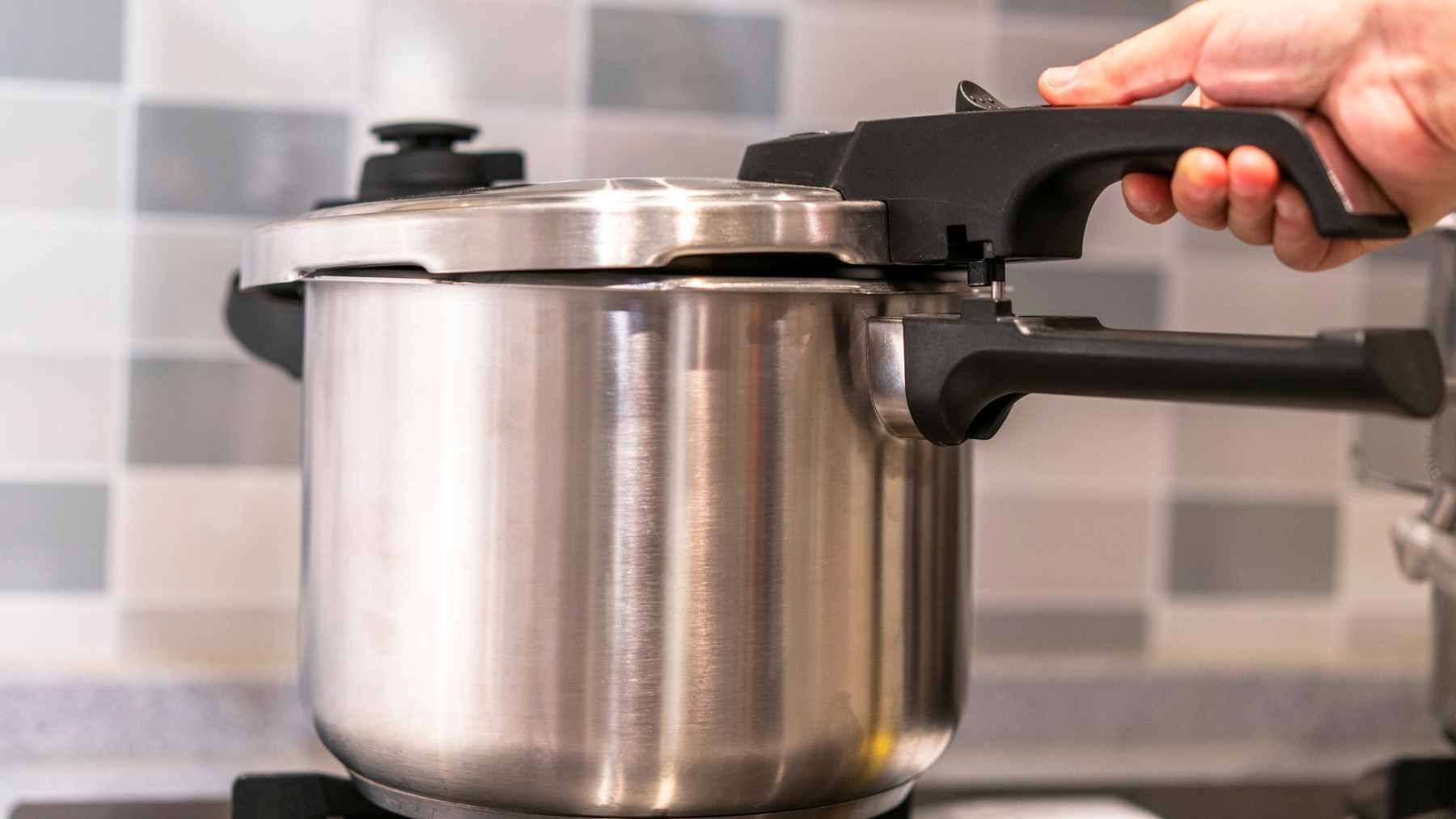
A pressure cooker on a stovetop with steam escaping from the pressure valve during a cooking experiment.

Inside a pressure cooker, a simple experiment shows how steam raises temperature and speeds up beans, and it also explains why that whistle is pure physics

May 31, 2026 at 6:30 AM
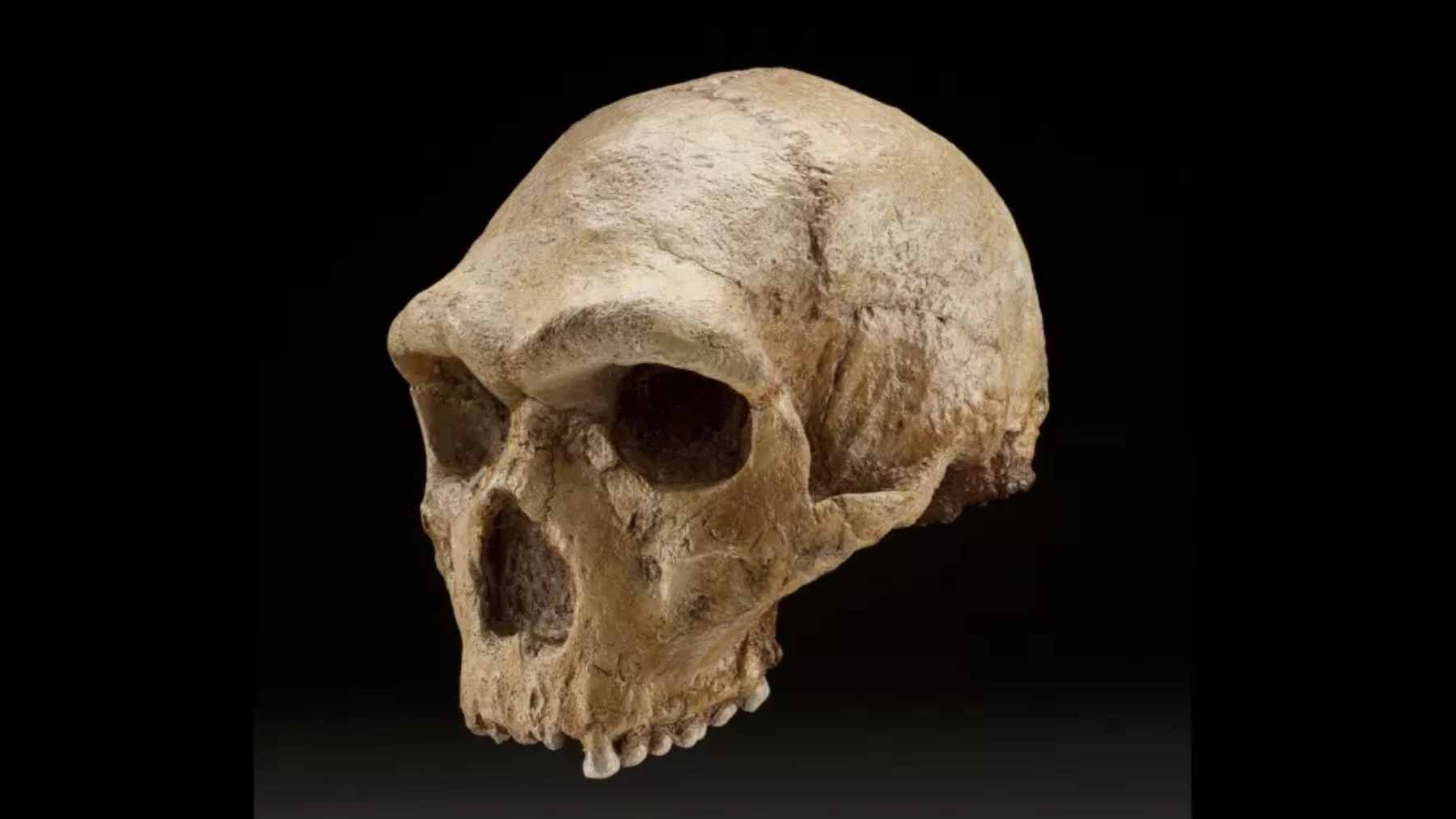
The Petralona cranium, an ancient hominin skull discovered in northern Greece, featuring a distinct, primitive morphology.

A 286,000-year-old hominin skull found in Petralona Cave in Greece still has no clear identity, and the gap reopens the puzzle of who lived in Europe before Neanderthals

May 30, 2026 at 5:00 PM
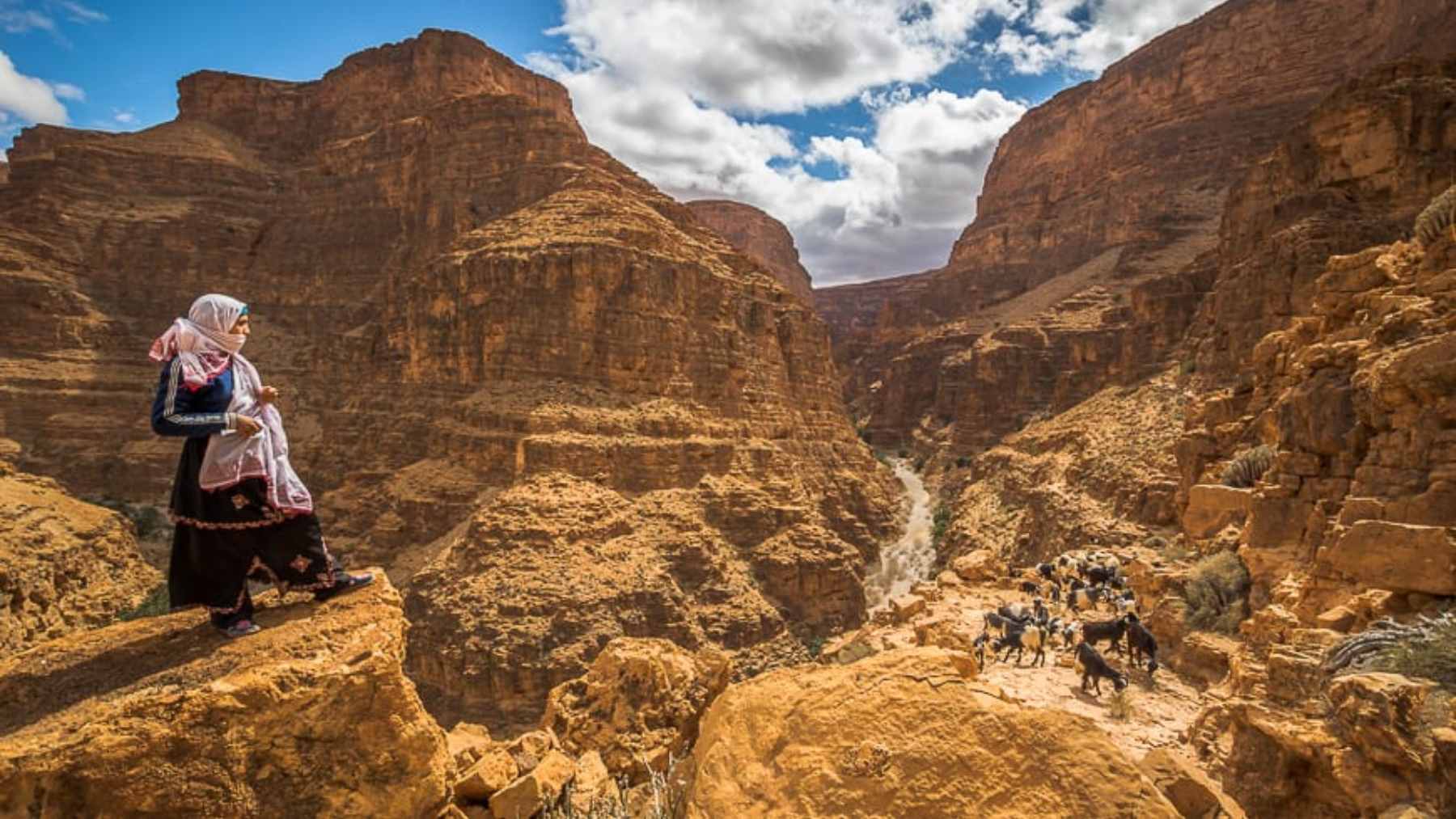
Large mesh fog harvesting nets mounted on a mountain ridge in Morocco's Anti-Atlas region to collect water from atmospheric mist.

For generations women in southwest Morocco spent up to 4 hours a day hauling five-gallon barrels that weighed nearly 50 pounds, and now giant polymer fog nets mounted above 4,000 feet pull Atlantic mist out of the air and send drinking water to taps about 6.2 miles away

May 30, 2026 at 8:45 AM
Previous Next