310 HP and no electricity ― This clean-combustion motorcycle is 100% American
MIT’s love for motorcycles became clearer with this 100% American motorcycle that young engineers created that looks anything but extraordinary, however,…

· 3 min read
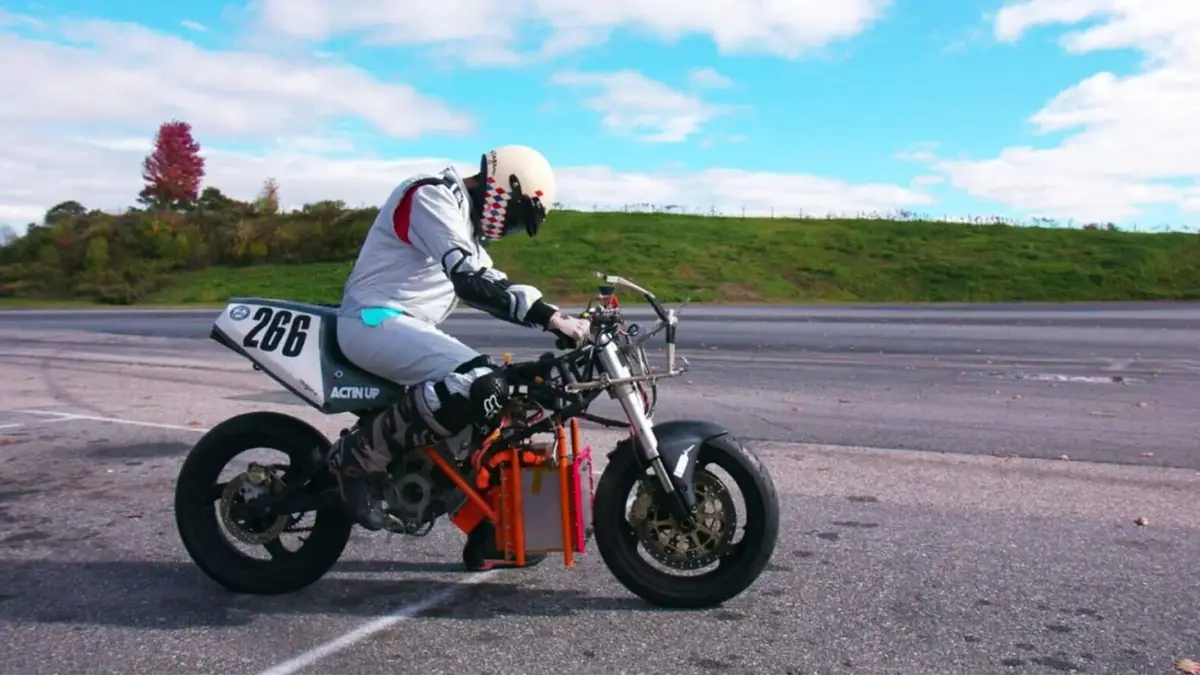
MIT’s love for motorcycles became clearer with this 100% American motorcycle that young engineers created that looks anything but extraordinary, however, it may just be somewhat out of the ordinary. The motorcycle is a hydrogen fuel cell system which is what makes it something to ride home about. MIT students said goodbye to fossil fuels and in doing so bid farewell to electricity in its entirety. This open-source motorcycle may completely change the script of what future motorcycles could look like and how they could be powered.
The prototype revealed by MIT students
A group of enthusiastic MIT engineering students started this project back in 2023 with the aim of providing more cleaner options than just battery-electric vehicles (BEVs). At the core of their aim was to prove that hydrogen could be a sought-after fuel for transportation.
By making use of a 1999 motorcycle frame, the students installed a hydrogen tank. The fuel cell had been provided by the South Korean firm Doosan. Alongside the hydrogen tank, an adjusted electric drivetrain was installed as well. All seemed promising causing the prototype to take to the track in October 2023.
Capable of 310 horsepower, the cleaner energy fuel proved a cleaner yet efficient ride. Due to the hydrogen fuel cell, hydrogen can be converted into electricity via a chemical process resulting in only water vapor as the byproduct.
Clearly, this motorcycle was conceptualized with a core purpose in mind. Being showcased at the CES 2024 and the Hydrogen Americas Summit, the motorcycle will be showcased at the World Hydrogen Summit in the Netherlands and perhaps all these showing indicates the global interest in this 100% American vehicle.
MIT proving cleaner options can drive the future
The real aspect of the motorcycle that’s worth marveling at is the philosophy behind the prototype. Being an open-source creation meant that MIT students are developing all the blueprints which will allow anyone to recreate this motorcycle whilst adapting it as desired.

Boasting a modular design, the motorcycle is easy to experiment with and adjust as needed. All the parts can be easily swapped out. The prospect is exciting for researchers and manufactures alike who can tamper with everything from parts to the software and configurations.
In utilizing an open-source engine, the focus fell on a cleaner energy future and perhaps even that of building a knowledge base for hydrogen fuel cell vehicles (FCEVs). With so much confidence in hydrogen as a cleaner fuel source that can still enable performance, it is hard to believe why Italian automaker Ferrari woke up from its hydrogen dream.
Perhaps this motorcycle powered by hydrogen is a far more lucrative option than electric vehicles that have long faced criticism for having prolonged charging times and battery sourcing difficulties.
The future of motorcycles without batteries powered by MIT
While focus on hydrogen cells is not entirely novel in the spacecraft industry, MIT wished to show that the hydrogen fuel agenda should not be reserved merely for the space craft industry. Utilizing hydrogen for motorcycles could reduce the dependence on rare earth metals as well as lithium battery packs. The most astonishing aspect with this type of motorbike is that the refueling process can occur within minutes still whilst ensuring zero emissions.
Hydrogen, however, is not a fuel source without challenges. The hydrogen refueling infrastructure is sparse and the downside is that fuel cells tend to be more costly than electric motors. Nevertheless, MIT’s motorcycle serves as a reminder that innovation is necessary as is the move away from slower charging EVs.
MIT has created a fully clean yet powerful motorcycle that does not rely on fossil fuels or electricity. Better yet, MIT has succeeded in creating a bike that anyone can build. If you are asking why don’t hydrogen motorcycles exist? Well, there are already two from legendary brands.
Disclaimer: Our coverage of events affecting companies is purely informative and descriptive. Under no circumstances does it seek to promote an opinion or create a trend, nor can it be taken as investment advice or a recommendation of any kind.
Glossary for this story
- Fossil fuels
- Coal, oil and natural gas. They formed over millions of years from the remains of living things and release CO₂ when burned.
- Electric vehicle
- A vehicle powered by one or more electric motors running on rechargeable batteries that are charged by plugging in.
- Rare earths
- A group of 17 metals used in the magnets of wind turbines and electric motors and in electronics. They are not that rare, but mining and refining them is hard and polluting.
ECOnews Newsroom
Writer at ECOnewsA team of journalists specializing in socio-environmental news, sustainability, climate change, the environment, responsible consumption, and innovation. At EcoNews, we provide clear, reliable, and relevant coverage of the environmental and social challenges shaping our era.
More from ECOnews NewsroomComments · 0
Rules ›No comments yet. Be the first to share your view.