Between 1930 and 1960, a master log builder raised Scandinavian-style cabins on Minnesota's Hungry Jack Lake, and the cabin group is now on the National Register
About 20 rustic cabins and 40 outbuildings on the Gunflint Trail were listed on October 6, including four built by log builder Robert Zimmerman.

· 3 min read
Four cabins built by master log builder Robert Zimmerman between 1930 and 1960 are part of a historic group on Hungry Jack Lake in northern Minnesota. The Hungry Jack Lake Summer Home Group, in the Superior National Forest, was listed on the National Register of Historic Places on October sixth, twenty twenty-six. The group has about twenty rustic cabins and forty outbuildings, many kept to a very high standard over the past hundred years. Zimmerman was known for fully scribed, Scandinavian-style log buildings. The cabins were built under the Forest Service's Summer Home program, which ended in nineteen seventy-six. Owners own their buildings but not the land, and they hold a special use permit. Just under a dozen of these cabin groups on national forests are on the National Register.
Key points
- The National Park Service listed the Hungry Jack Lake Summer Home Group on the National Register of Historic Places on October 6, 2026.
- Master log builder Robert Zimmerman built four of the cabins between 1930 and 1960, in a fully scribed, Scandinavian style.
- The Forest Service's Summer Home program was discontinued in 1976, and just under a dozen cabin groups on national forests are on the National Register.
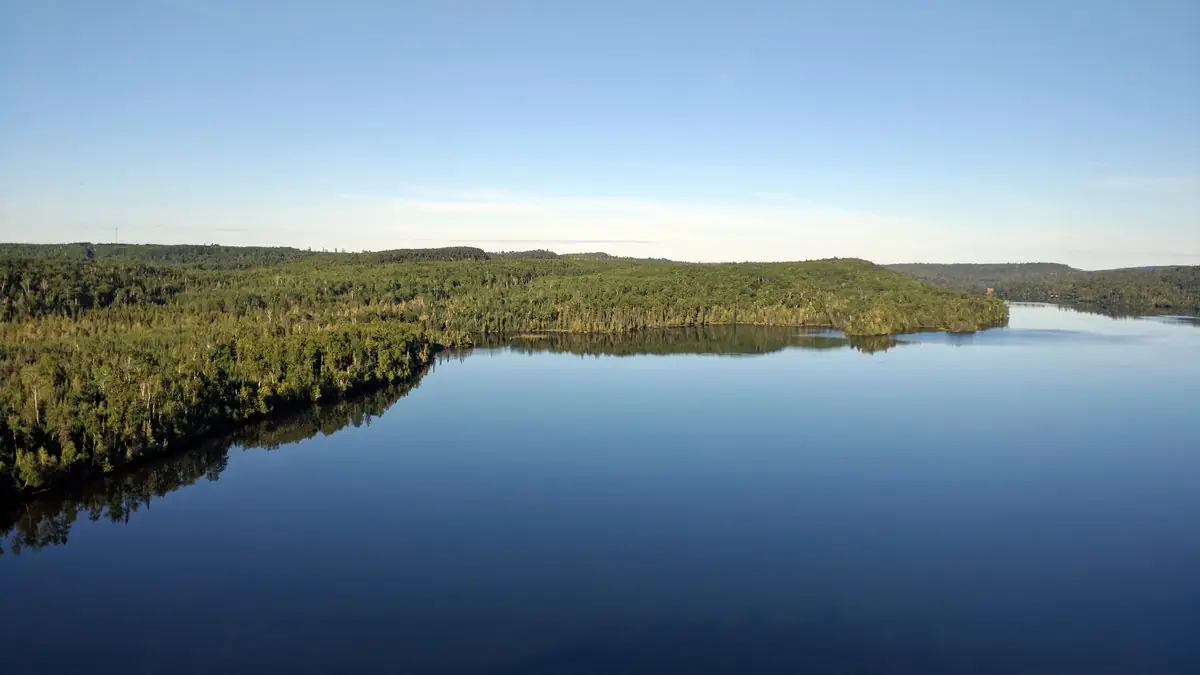
Between 1930 and 1960, master log builder Robert Zimmerman built four cabins on the shore of Hungry Jack Lake in northern Minnesota. They belong to a group of summer cabins in the Superior National Forest. That group is now on the National Register of Historic Places.
The National Park Service formally listed the Hungry Jack Lake Summer Home Group on October 6, 2026. The Superior National Forest announced it on November 9.
The listing recognizes the group's role in history, the forest says. It also recognizes the craftsmanship and character of its buildings.
The cabins sit about halfway up the Gunflint Trail. According to the Forest Service, they have welcomed generations of families. Those families came seeking solitude, recreation and a connection to the North Woods.
About 20 cabins on one lake
The group has about 20 rustic cabins and 40 outbuildings. Many of them have been maintained "to a very high standard over the past 100 years," according to the Superior National Forest.
Zimmerman was known for designing and building fully scribed, Scandinavian-style log buildings, the release says. Four of the cabins recognized in the listing are his work.

One of them is a vertical log cabin dated to about 1936. A photo of it, courtesy of Jerry Johnson, appears with the Forest Service announcement. So does a historic cabin photo from the agency's collections.
A Forest Service summer home program
The cabins were built under the Forest Service's Summer Home system of Recreation Residences. It started in the early 1900s. The system allowed limited development of summer cabins, resorts and camps on tracts that the agency surveyed and designated.
The Summer Home program was discontinued in 1976, according to the Superior National Forest. Even so, cabin groups are still managed on national forest lands across the country.
Today, more than 13,000 recreation residences are permitted on 114 national forests in 24 states, the Forest Service's national program page says. The program operates under the authority of the 1915 Occupancy Permits Act. No new lots for new recreation residences have been available for well over 60 years, the page adds.
The arrangement is unusual. Cabin owners own the buildings but not the land. They hold a special use permit, according to the agency.
The permit requires an annual fee based on the fair market value of the land, not counting the cabin. Even a transfer to a family member needs Forest Service paperwork and a transfer fee.
A rare listing
Just under a dozen of the cabin groups still managed on national forests are on the National Register, the Superior National Forest says. The Hungry Jack group is the latest to earn that distinction.
The forest's heritage staff prepared the nomination form. The cabin permit holders helped, and so did the Minnesota State Historic Preservation Office, according to the release.
The Forest Service also thanked the Cook County Board of Commissioners and the Cook County Historical Society. The Gunflint Trail Scenic Byway Committee, the Gunflint Trail Historical Society and the National Forest Homeowners Association supported the nomination too.
The National Register is "the official list of the Nation's historic places worthy of preservation," according to the National Park Service. It was authorized by the National Historic Preservation Act of 1966.
A forest of lakes
Hungry Jack Lake is one of many in the Superior National Forest. The forest contains more than 2,000 lakes, which together cover about 440,000 acres, according to the Forest Service. More than 1,300 miles of cold water streams also flow within its boundaries.
Counting the area inside its proclamation boundary and purchase units, the Superior is the fourth-largest national forest in the country, the agency says. Its wilderness is the largest of substantial size east of the Rocky Mountains and north of the Everglades, according to the same page.
The forest has also recorded 3,886 heritage resource sites. They represent more than 10,000 years of human occupation, the agency says. The Forest Service's Passport in Time program also originated in the Superior, the agency notes.
Recreation residences like these are privately owned and sit on designated lots, according to the Forest Service's national page. The release does not describe any change in how they are used after the listing.
The listing date, the building dates and the details about Zimmerman come from the Superior National Forest's news release of November 9, 2026. National figures for the program come from the Forest Service's recreation residence page.
Courtney Celley, U.S. Fish and Wildlife Service
Javier Niño
Writer at ECOnewsJavier Niño has been a Spanish National Police officer since 2017 and a journalist specialising in employment, labour law and Social Security, with more than seven years of writing experience. At ECOnews he covers environment, energy and sustainability news, focusing on how new regulations and court rulings affect people in their everyday lives.
More from Javier NiñoComments · 0
Rules ›No comments yet. Be the first to share your view.