Virgin Islands National Park marks 70 years on St. John, where it covers about 60% of the island and the NPS is moving forward with cleanup at the hurricane-damaged Caneel Bay resort
The St. John park celebrates its 70th anniversary on Dec. 4. It covers about 60% of the island, and Caneel Bay's cleanup and redevelopment continue.
· 3 min read
Key points
- The park celebrates its 70th anniversary on December 4 at Lind Point; the event is free and needs no reservation.
- It covers 7,259 acres of land, about 60% of St. John, plus 5,650 acres of adjacent submerged lands, according to the NPS.
- At Caneel Bay, about 570 tons of contaminated soil and sediment were removed between July and September 2025, the NPS says.
Virgin Islands National Park, in the US Virgin Islands, is marking 70 years. It will celebrate its 70th anniversary on December 4, according to a National Park Service news release dated November 24. The evening will bring music, poetry, dance and storytelling.
The event honors the people, partnerships and traditions that have shaped the park and the St. John community, the release says. It is free, and reservations are not required.
"For 70 years, Virgin Islands National Park has protected the extraordinary natural and cultural resources that define St. John and foster a deep connection between people and place," said Penelope Del Bene, superintendent of the park and of Virgin Islands Coral Reef National Monument.
What happens on December 4
The celebration takes place at the Resource Management and Science Building at Lind Point. A free shuttle will start at 4 p.m. from the Cruz Bay Visitor Center, according to the release.
Local food tastings are planned from 4:30 to 5 p.m. An anniversary program follows from 5 to 7 p.m. It will feature performances, poetry, storytelling and presentations on the park's history and partnerships.
Most of the island is park
The park was established in 1956, the release says. It protects tropical forests, coral reefs, historic sites and cultural landscapes on St. John.
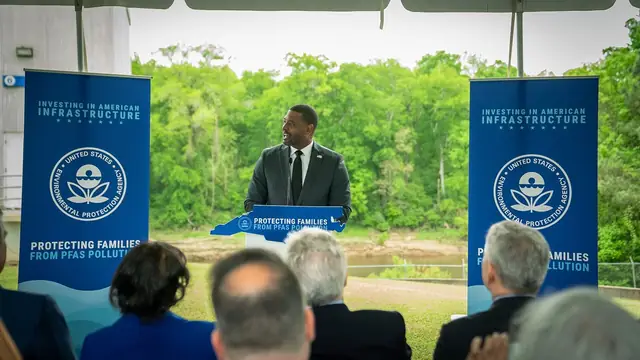
It covers 7,259 acres of land, about 60% of the island, according to the park's basic information page, last updated in 2021. It also includes 5,650 acres of adjacent submerged lands. The page says "the park owns the ridge tops to the reefs."
The park's ecosystems include dry to moist forests, salt ponds, beaches, mangroves, seagrass beds and coral reefs, its nature page says. The land is mountainous, with average slopes of 30%. Some 800 species of plants grow there, according to the basic information page.
Rockefeller's land donation
Laurance Rockefeller began developing Caneel Bay in 1956. The site is a 150-acre peninsula on the island's northwest side. That is according to the park's Caneel Bay page, last updated on July 14, 2026.
Rockefeller initially donated more than 5,000 acres of land to the National Park Service, the page says. He reserved the 150 acres of the Caneel Bay Resort for the Jackson Hole Preserve, a Rockefeller family land trust.
In 1983, the Jackson Hole Preserve donated those 150 acres to the US government for inclusion in the park. They were transferred with a 40-year retained use estate. Between 1983 and 2023, the resort was owned or managed by different companies under that arrangement, the page says.
Hurricanes and a court fight
In September 2017, the resort sustained heavy damage from back-to-back Category 5 Hurricanes Irma and Maria. The holder of the retained use estate then closed the site and did not undertake significant repairs. Overnight stays did not resume, the NPS says.
The owners, CBI Acquisitions, filed a lawsuit in June 2022 claiming ownership of the resort and its buildings. On April 18, 2024, the Virgin Islands District Court awarded ownership to the United States. The 3rd Circuit affirmed US ownership of the lands and improvements on May 20, 2025, according to the page.
Caneel Beach opened to the public on August 1, 2024. The pier remains closed because it has been deemed unsafe, the park says. Some other areas are still closed due to safety risks.
A cleanup in three phases
The first phase of environmental cleanup focused on removing asbestos-containing debris left by the 2017 hurricanes, the Caneel Bay page says. The work was done under the federal Superfund law, known as CERCLA.
The second phase covers soil and sediment contaminated with barium, PAHs and pesticides in the site's landscaping, maintenance and engineering area and its drainage channel. About 570 tons were removed between July and September 2025, according to the NPS. The agency says it is moving forward to complete that phase.
The third and final phase would address contamination in an unauthorized landfill near Honeymoon Beach. As of the page's July update, that work is on hold while the current funding allocated for the project is reassessed.
What comes next for the resort
The NPS issued a request for proposals to redevelop Caneel Bay, according to a May 7 update on the page. Proposals may include rebuilding, rehabilitating and operating overnight lodging, and any redevelopment must protect natural and cultural resources.
A June 15 update extended the submission deadline to August 10, 2026. A July 13 update posted answers to questions received by June 11. The page, last updated July 14, 2026, does not say whether a selection has been made.
National Park Service
Glossary for this story
- Ecosystem
- A community of living things and the environment they live in, together with the relationships between them.
- Mangroves
- Salt-tolerant trees that grow along tropical coasts. They shield shores from waves and store a lot of carbon.
- Superfund site
- A U.S. site so contaminated with hazardous waste that the EPA has put it on a national list for cleanup.
- Pesticides
- Chemicals used to kill pests, weeds or fungi on crops.
Jordi Company
Writer at ECOnewsJordi Company is a well-known figure in Catalan publishing and a pioneer of the free press model, with 40 years of experience in television, radio and print. He has founded and led several media groups and today heads ECOticias.com, an environmental news outlet read in Spanish and English around the world and an audience leader since 2004. He is a member of the International Network of Writers for the Earth (RIET), among other organisations.
More from Jordi CompanyComments · 0
Rules ›No comments yet. Be the first to share your view.