South Carolina's Winter Weather Preparedness Week starts November 29, and state officials say to insulate pipes and keep generators outside now
Officials urge insulating pipes, knowing the water shutoff valve, running generators outdoors and packing a car kit before snow and ice arrive.

· 3 min read
Key points
- South Carolina's Winter Weather Preparedness Week runs from November 29 through December 5, according to the state Emergency Management Division.
- SCEMD advises insulating exposed pipes, letting faucets drip slightly in extreme cold and knowing how to shut off the home's water supply.
- Portable generators should always run outdoors, away from doors, windows and vents, because of the risk of deadly carbon monoxide poisoning.
South Carolina is asking residents to get ready for ice and cold before the season arrives. Winter Weather Preparedness Week runs from November 29 through December 5, according to the South Carolina Emergency Management Division (SCEMD).
Governor Henry McMaster, SCEMD and members of the State Emergency Response Team are urging residents to prepare now. That means reviewing emergency plans, checking supplies and protecting families and homes, the agency said in a news release.
"Winter weather may be uncommon in South Carolina, but snow, ice and extreme cold can have significant impacts when they occur," the release says. Officials want residents to act while temperatures are mild and winter supplies are readily available.
Why a mild state prepares
Winter storms can create dangerous driving conditions, close highways, block roads, cause power outages and down power lines, according to SCEMD. They also increase the risk of hypothermia.
The agency's winter weather page adds other costs. Winter storms can damage property, destroy crops and valuable timber, and damage infrastructure such as power lines, with enormous economic impacts, it says.
Clemson University, which reminded its campus of the week, noted that it experienced two winter weather events in January 2026.
Pipes and the water valve
Two of the state's steps deal with water at home. SCEMD advises insulating exposed pipes with insulation or newspaper and plastic.
During extremely cold weather, it says to allow faucets to drip slightly to help prevent pipes from freezing. Residents should also know where the water shutoff valve is. They should learn how to turn off the home's water supply in case a pipe bursts.
For power outages, the advice is to have sufficient heating fuel and alternative heating plans. That covers cases where regular fuel sources or electricity are interrupted.
Generators stay outdoors
SCEMD says to always operate portable generators outdoors and away from doors, windows and vents.
"Never use a generator inside your home, garage or enclosed space because of the risk of deadly carbon monoxide poisoning," the release says.
Fireplaces should have sturdy screens to contain sparks. Ashes should cool completely before going into a metal container away from the home. Chimneys should be inspected and cleaned every year by a professional to prevent dangerous creosote buildup, the agency adds.
The winter weather page also says to be aware of the potential risks of carbon monoxide poisoning, electric shock and fire if alternative electricity, heating or cooking sources are used. It advises going to a designated shelter if the home loses power or heat during extreme cold.
A kit for the car
SCEMD recommends adding winter items such as shovels, rock salt and ice scrapers to the household emergency kit. It also lists what to keep in a vehicle kit.
The list includes a shovel, windshield scraper, flashlight, battery-powered radio, water, snacks and matches. It adds extra hats, socks and mittens, a first aid kit, necessary medications, blankets, road salt, booster cables, emergency flares and a fluorescent distress flag.
If trapped in a winter storm, stay in the car with the hazard lights on, the winter weather page says. It advises running the engine for 10 minutes per hour to warm up, while keeping the exhaust pipe clear. Real-time road conditions are available by dialing 511 or at 511sc.org.
SCEMD says to drive only if necessary, and to travel during the day and never alone, if possible. On icy roads, it advises driving slowly, braking softly and increasing the following distance. The state Department of Transportation will address major roadways first, so less-traveled roads will likely need extreme caution for longer.
Watch, warning, advisory
An Ice Storm Warning is usually issued for ice accumulation of around a quarter of an inch or more, according to SCEMD. That much ice will make travel dangerous or impossible, likely leading to snapped power lines and falling tree branches.
Clemson's reminder explains three alert levels in its own words. An advisory means winter weather is expected, with impacts forecast to be less severe than for a watch or warning.
A watch means conditions are right but timing and severity are still uncertain. A warning means winter weather is imminent and expected to be impactful.
SCEMD points residents to its South Carolina Winter Weather Guide, which covers winter hazards and what to do before, during and after a storm. It also recommends the free SC Emergency Manager app, which lets users create emergency plans, manage supplies and locate open shelters.
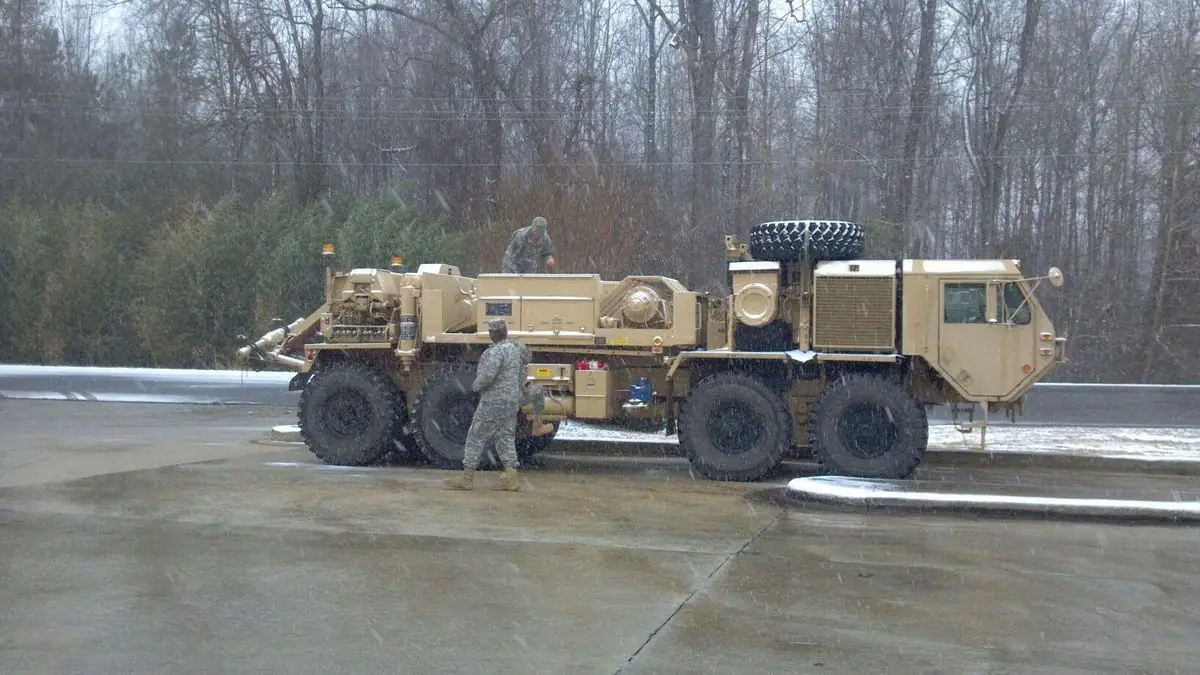
South Carolina National Guard (DVIDS)
Jordi Company
Writer at ECOnewsJordi Company is a well-known figure in Catalan publishing and a pioneer of the free press model, with 40 years of experience in television, radio and print. He has founded and led several media groups and today heads ECOticias.com, an environmental news outlet read in Spanish and English around the world and an audience leader since 2004. He is a member of the International Network of Writers for the Earth (RIET), among other organisations.
More from Jordi CompanyComments · 0
Rules ›No comments yet. Be the first to share your view.