The automotive industry has been consistently going through multiple revolutions, particularly with regards to innovative engine solutions for a greener future. New engine developments promise to reshape how we think about vehicle design and performance. One of the most exciting advancements is the development of in-wheel electric motor technology, which eliminates the need for traditional liquid fuels and conventional engine placements.
Rethinking engine design for the future
With electric vehicle technology fast developing, automobile manufactures are developing new ways to stay competitive. While some have turned to developing alternative fuel sources to stay ahead, others are looking at ways to keep developing the electric vehicle engine in ways which have never been done before. Both German automobile manufacture BMW and Chinese automobile manufacturer GAC have gone with the latter.
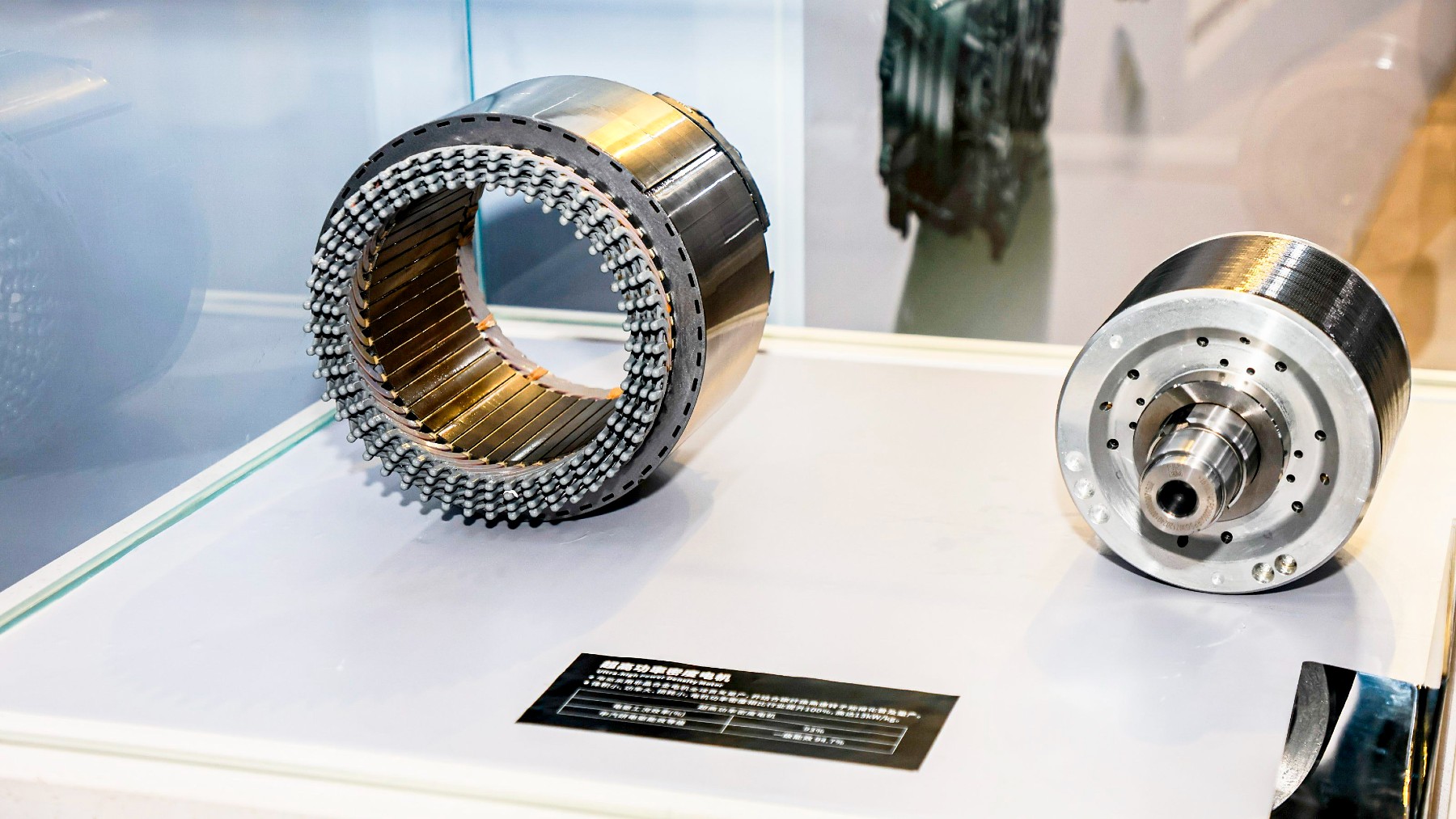
The new in-wheel engine technology has been built with efficiency and better economy in mind. GAC’s in-wheel engine does away with conventional components of a traditional engine such as gear boxes, driveshafts and differential. The engine is compact and delivers a high speed operation where at optimum speed, the engine revolves at 30,000 rpm which significantly out performs current electric vehicles. It weighs in at 16.8kg and produces a maximum power of 150 kW.
BMW’s in-wheel engine has been developed by Munich-based tech brand DeepDrive. The company developed an engine where two electric motors can be merged into one. DeepDrive’s engine moves both the internal and external rotos simultaneously. Conventional electric motors currently can only move either or. The new update by DeepDive is sure to be a gamechanger as it results in better performance and fuel economy,
Models are set to be released with the new engines as early as 2025
GAC is set to begin mass production of their in-wheel motor in their vehicles by 2025. Currently, they are working on integrating the technology into current electrical vehicle models. Although unconfirmed, GAC may also seek to partner with other electric vehicle automobile manufacturers to distribute the technology more widely or to grant licensing rights to others to use the engine to increase its presence in the electric vehicle marketplace.
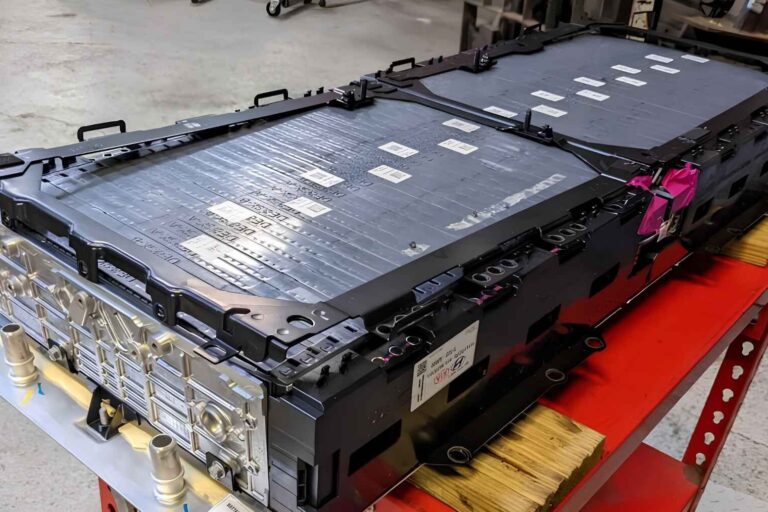
BMW is also currently preparing production of a new fleet of electric vehicles using the DeepDive in-wheel motors. Both GAC and BMW will however have to compete with the Hyundai-Kia partnership which is developing a “uni-wheel” electrical vehicle drivetrain system. The uni-wheel will reposition the reduction gear in an electric vehicle to be inside the wheel hub. Additionally, it will fit ‘compact’ individual motors closer to each wheel. This would reduce the size of the drive shafts the amount of overall floor space used.
A stepping-stone towards hydrogen technology
While the future remains unclear about the large-scale implementation of the new GAC and BMW engine technology, some estimate that it may be an intermediate step towards hydrogen technology. New engine developments means increased technology which could possibly support wide-scale implementation of hydrogen-powered engines.
Hydrogen is fast on its way towards being the next step in the alternative fuel powered engines. Even Tesla, the most famous electric vehicle automobile developer in the world, has announced their shift towards producing a hydrogen powered car by 2026. To work towards a sustainable future, there needs to be a variety of vehicle options which support alternative energy. Currently, electric vehicles and hybrid vehicles remain in the realm of luxury vehicles, making them inaccessible to the large majority.
Another benefit to hydrogen technology is that it can be adapted from internal combustion engine designs. Electric vehicles on the other hand need entirely new infrastructure. This makes the switch to hydrogen somewhat easier for automobile producers than going fully electric with their models.