The person who always says yes is easy to overlook. They organize the beach cleanup, water the community garden when you are out of town, and somehow still have the energy to text you back when you are having a rough day. When was the last time anyone asked that “reliable one” how they are doing?
Psychologists have been warning that loneliness does not always look like isolation. Now, new research adds an environmental twist.
A 2026 study in the journal Health & Place found that adults living near more vegetation and higher “species richness” tended to report lower loneliness, pointing to urban greening and biodiversity as potential allies for public health as cities also try to cool down and cut emissions.
The helper paradox
Acts of kindness can genuinely lift people up. A Psychology Today piece by social psychologist Natalie Kerr notes research showing that kindness can make people feel happier and “less lonely,” which helps explain why volunteering can feel like a reset button after a stressful week.
But there is a catch that many workplaces and volunteer groups recognize even if they do not name it. When someone becomes the default helper, others may treat them like a steady utility and not a human being with needs, so if they seem “fine,” why would anyone think to ask twice? Easy to miss.
Loneliness hits the body
Loneliness is not just a bad mood that passes after a good night’s sleep. The U.S. Surgeon General has warned that loneliness and social isolation are linked with higher risks of disease and early death, including a 29% higher risk of heart disease and a 32% higher risk of stroke in the evidence summarized.
It shows up across mental health too. Psychology Today notes that loneliness is associated with physical health conditions such as obesity and mental health issues such as depression, and it also warns that lonely people can become quick to spot possible rejection cues. (psychologytoday.com)
The World Health Organization has been blunt about the stakes. It says loneliness and social isolation raise risks for conditions including stroke, heart disease, diabetes, cognitive decline, and premature death, and the WHO Commission estimates about 871,000 deaths a year are linked to loneliness.
What the Porto study found
The Health & Place team looked at 657 adults in Porto, Portugal, and measured loneliness in 2022 using the UCLA Loneliness Scale (scores above 32 flagged “high loneliness”). They estimated nearby vegetation and water using satellite-based indexes, and they included a biodiversity measure called a species richness index.
What stood out was proximity. More vegetation within about 328 feet of home was associated with lower loneliness scores, and higher species richness within about 984 to 1,640 feet showed a similar pattern, while “blue space” did not show a clear association in the cross-sectional analysis.
The researchers also reported that longer-term exposure measures did not show significant links in their models, which is a reminder that this research is still evolving.
Biodiversity may matter more than “green” alone
A lawn can be green and still feel empty. Researchers are increasingly asking whether the mix of life around us – the birds, plants, and insects that make a place feel alive – changes how we experience our neighborhoods.
A 2024 systematic review in Landscape and Urban Planning found evidence that contact with nature and greenspace can reduce loneliness by supporting belonging, social ties, and social cohesion, especially in group-based activities.
There is supporting data from other places, too. A 2024 analysis of 26,811 urban adults in Canada found associations suggesting urban greenness plays a role in reducing loneliness and social isolation, though studies like these cannot prove cause and effect on their own.
Community gardens are climate action with a social payoff
If biodiversity is the spark, community spaces are often the match. A 2025 synthesis of 50 studies argues that community gardens can build social capital through stronger connectedness and civic engagement, alongside environmental benefits like local food production and greener vacant lots.
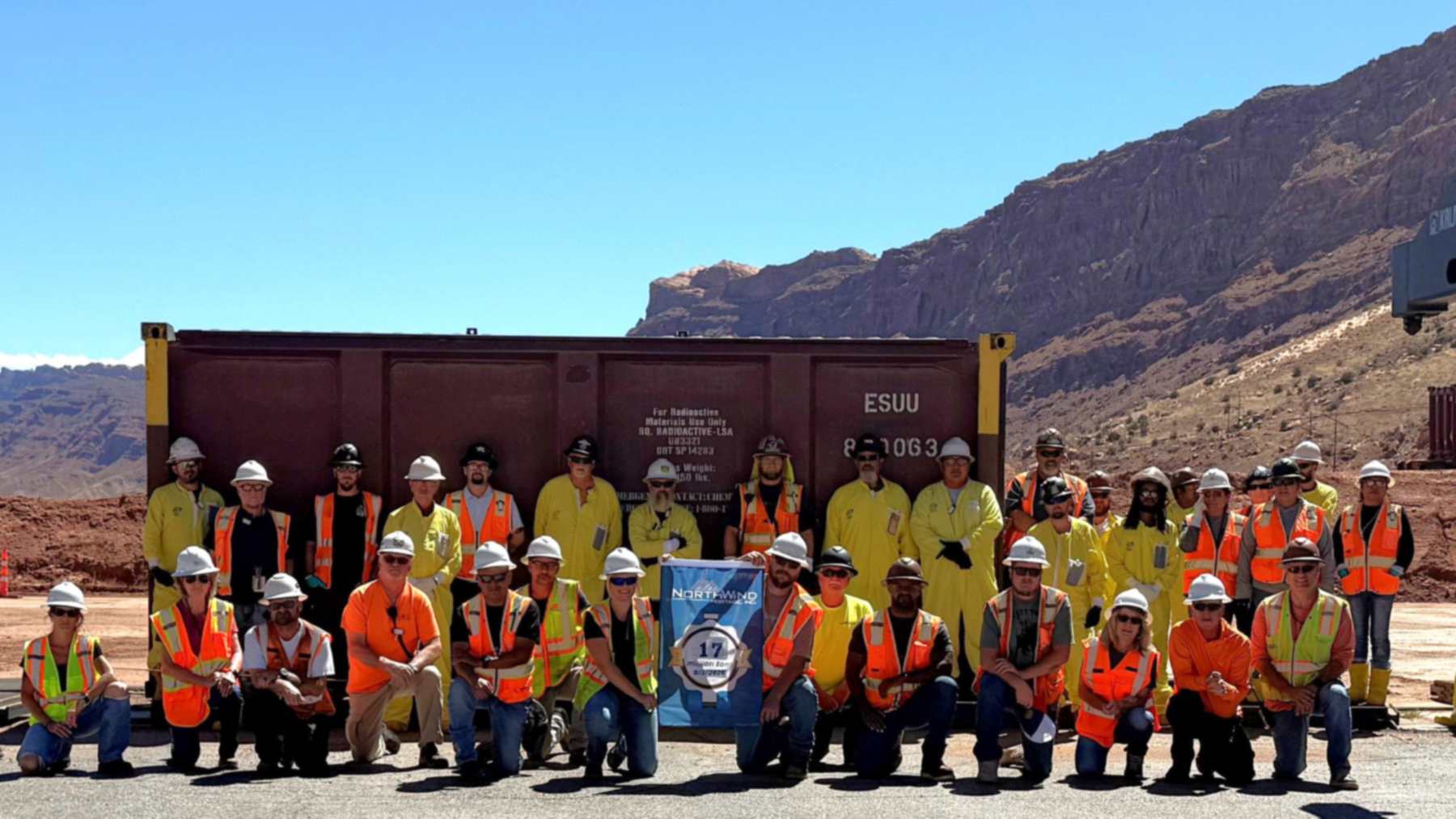
This is where the “helper” story comes back in. Community projects can bring people together, but they can also lean heavily on a small group who always show up. In a garden, you can sometimes see it in real time – the same few hands pulling weeds while everyone else chats.
Greener streets that invite neighbors
Urban greening is often pitched as a climate tool, and it is. The U.S. Environmental Protection Agency notes that trees and vegetation cool cities through shade and evapotranspiration, and it also warns that heat islands drive up peak energy demand, air conditioning costs, air pollution, and greenhouse gas emissions including CO2.
In everyday terms, that can show up on the electric bill.
But the social side does not happen automatically. A pocket park without benches, safe crossings, or lighting may stay empty, while a shaded sidewalk with a few places to pause can turn a rushed commute into small talk. Think of it like “social infrastructure” – the everyday spaces that make it easier to belong.
What to keep in mind right now
Loneliness can be invisible, and that is what makes it so hard to spot. If someone is already scanning for rejection, reaching out can feel riskier than it looks from the outside, which is one reason quick “You good?” check-ins sometimes fall flat.
Group-based nature activities, like a community planting day, can lower the pressure because you are doing something side by side.
For most of us, the simplest first step is also the most human. Check in on the person who always helps, and do it without asking for anything back.
The study was published on ScienceDirect.