Iran is now looking below the waterline of one of the world’s most sensitive chokepoints. State-linked media and Iranian political figures have floated a plan to charge or regulate submarine internet cables running through the Strait of Hormuz, a passage already known for oil tankers, military tension, and anxious energy markets.
The idea could pull Google, Meta, Microsoft, Amazon, telecom operators, banks, and cloud providers into a dispute that most internet users will never see on a map.
The key point is not that Iran has already imposed a working “digital toll.” It has not passed an official policy or law on the cable fees, according to current reporting. But even as a proposal, the move shows how the internet’s quiet seafloor infrastructure is becoming part of the same pressure game that has long surrounded oil, gas, shipping, and sanctions.
Why Hormuz matters
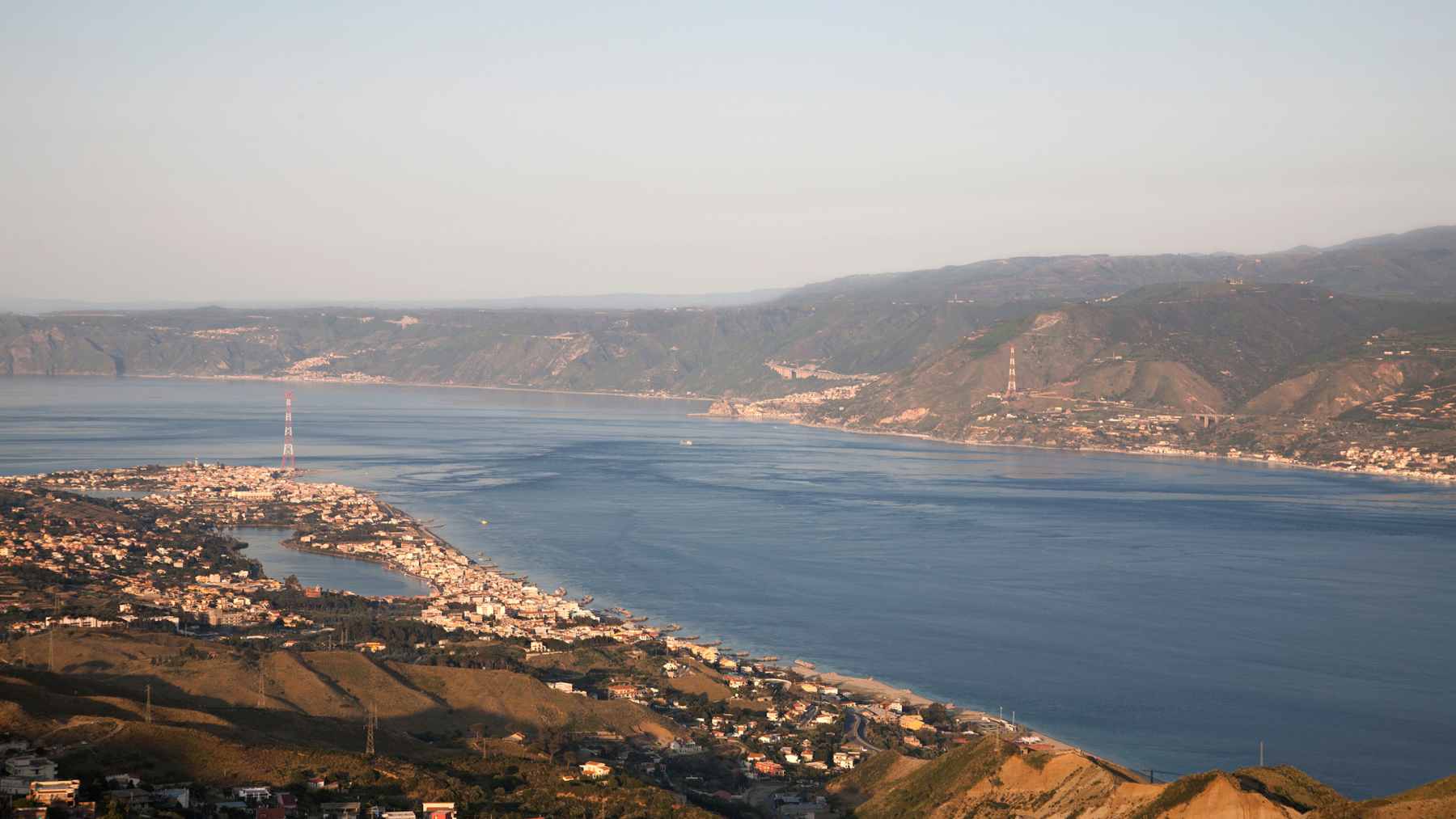
The Strait of Hormuz is a narrow waterway between Iran and Oman, about 24 land miles wide at its narrowest point. The U.S. Energy Information Administration says oil flows through the strait averaged about 20 million barrels per day in 2024, equal to roughly one-fifth of global petroleum liquids consumption.
That makes Hormuz a familiar energy chokepoint, the kind of place where a political shock can quickly show up in the price of gas or the electric bill.
Now add data to the picture. Tasnim News Agency identified systems including FALCON, GBI, and Gulf-TGN as cable routes tied to the region, linking data centers across Asia, Europe, and the Middle East.
In everyday terms, that means cloud backups, banking messages, video calls, social media posts, and business software all depend, to some extent, on cables most people will never notice.
The digital toll idea
Tasnim’s May 9 report described “three practical steps” for Iran to generate annual revenue from internet cables in Hormuz. The plan included licensing and renewal fees, rules requiring major technology companies to operate under Iranian law, and exclusive Iranian control over repair and maintenance work.
A later Tasnim report on May 11 quoted lawmaker Shahin Jahangiri arguing that coastal states can set conditions for installing, maintaining, and operating cables in territorial waters.
That sounds simple on paper. In practice, it is much messier. The Guardian noted that Iran’s comparison with Egypt is imperfect because many cables crossing Egypt go overland through Egyptian territory, while many Hormuz cables pass under the sea and often do not terminate in Iran.
Law is the first obstacle
Iranian arguments lean heavily on the 1982 United Nations Convention on the Law of the Sea (UNCLOS). Article 34 says the transit passage regime through international straits does not, by itself, erase coastal state sovereignty over waters, airspace, seabed, and subsoil.
But the same article also says that sovereignty is exercised subject to that part of the convention and to other rules of international law, and Iran has signed but not ratified the treaty.
That is where the legal fight begins. Experts cited by The Guardian called the fee plan highly doubtful, partly because it would be difficult to charge specific companies when internet traffic is mixed and routed through shared infrastructure. Sanctions could also make payments to Iran politically and legally complicated for Western firms.
The risk is physical too
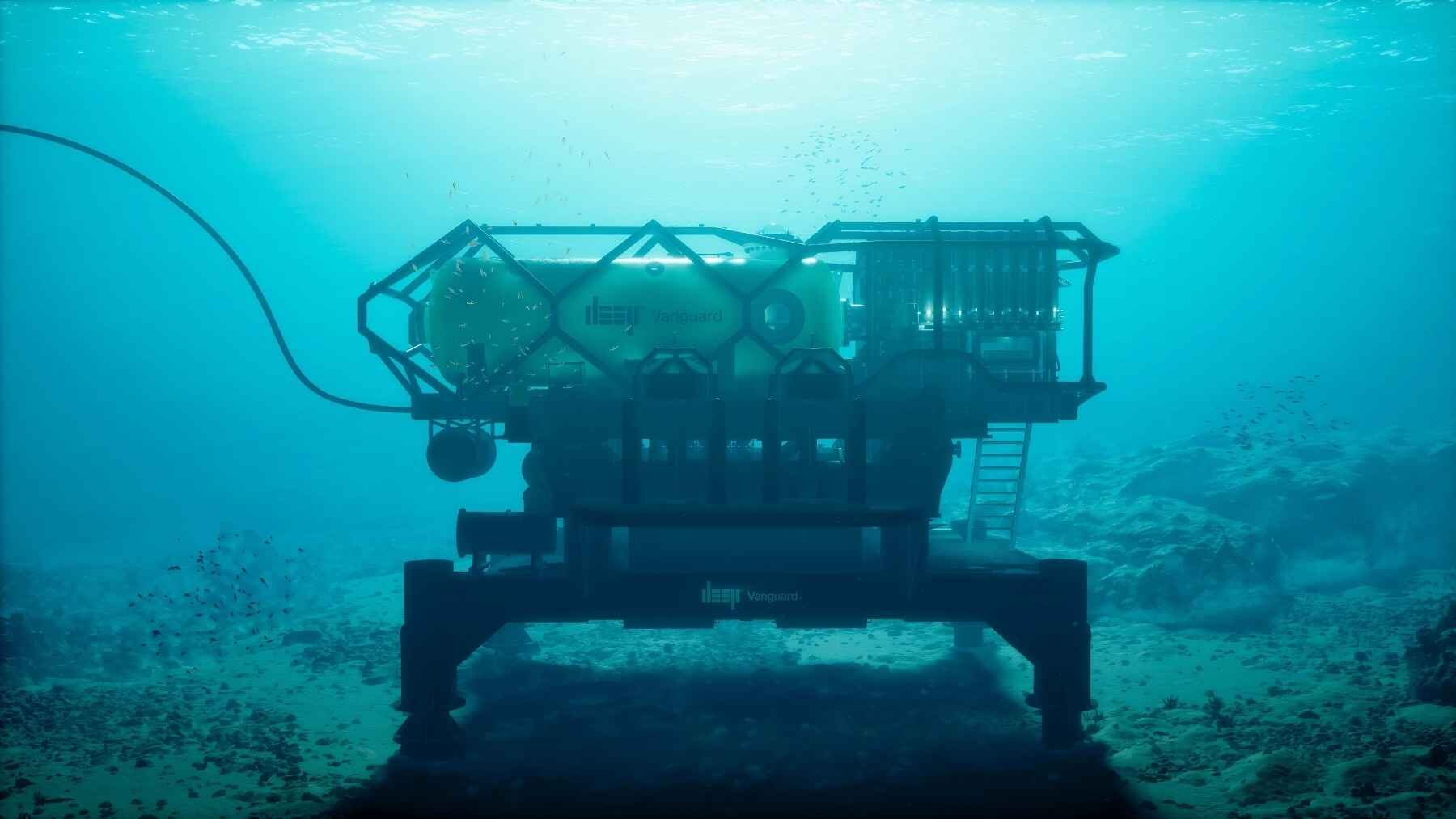
Submarine cables sound almost abstract, but they are real objects lying on the seabed. They can be damaged by anchors, fishing gear, seabed movement, or conflict.
The International Telecommunication Union says submarine cables carry more than 99% of international data exchanges, which is why it launched a global advisory body on cable resilience in 2024.
Recent history offers a warning without needing to imagine a spy thriller. A Red Sea cable disruption in 2025 was likely caused by a commercial ship dragging its anchor, according to experts cited by the Associated Press, and at least 10 countries experienced some service degradation.
When the waterway is tense, even a normal repair job can become difficult because crews, insurers, and governments have to worry about safety first.
Would the whole internet go dark?
For the most part, no. The internet is built with redundancy, and traffic can often be rerouted through other cables or overland fiber routes. That is the comforting part.
The less comforting part is that rerouting does not mean “nothing happens.” Gulf countries, cloud services, banking systems, and companies that depend on low-latency links could feel slowdowns or outages first. Analysts quoted by Time warned that the Middle East and parts of Asia would be more exposed than the global internet as a whole, especially where cable diversity is limited.
A warning for digital resilience
At the end of the day, the bigger story is not that Iran can simply send Google an invoice tomorrow. It is that energy geopolitics and digital infrastructure now share the same narrow spaces.
A route that once made headlines mainly for oil tankers is also a corridor for cloud computing, payment systems, remote work, and the small phone notifications that shape daily life.
That should push governments and companies to treat submarine cables as critical infrastructure, not as invisible pipes that can be ignored until something breaks.
More route diversity, faster repair permissions, better seabed mapping, and stronger international rules will not make politics disappear. But they can make one cable dispute less likely to become a regional digital crisis.
The latest report was published on the Tasnim News Agency’s website.