For more than a century, most people have pictured solar power in the same way, as flat blue rectangles on rooftops or in wide fields. That look dates back to 1883, when inventor Charles Fritts built one of the first solar panels as a rigid plate that worked best when light hit it straight on.
In Japan, engineers at Kyosemi Corporation decided to question that flat template. Their answer is Sphelar, a family of tiny spherical solar cells that collect light from many directions instead of just one, which could change where solar power fits in our lives, from glass towers in city centers to the gadgets we charge at home.
From flat plates to tiny spheres
Early solar cells were designed for a steady beam of light shining onto a flat surface. That setup works well when you can tilt a panel toward the sun, but it struggles when clouds roll in, shadows creep across a roof or a wall faces the wrong way for most of the day.
Engineer Shuji Nakata, who led development of Sphelar at Kyosemi, started from a simple observation that sunlight in the real world rarely arrives in a neat straight line. It bounces off glass, water and pavement and filters through clouds from many angles at once, so he asked why solar cells should ignore everything that is not coming from directly ahead.
Microgravity and the birth of spherical cells
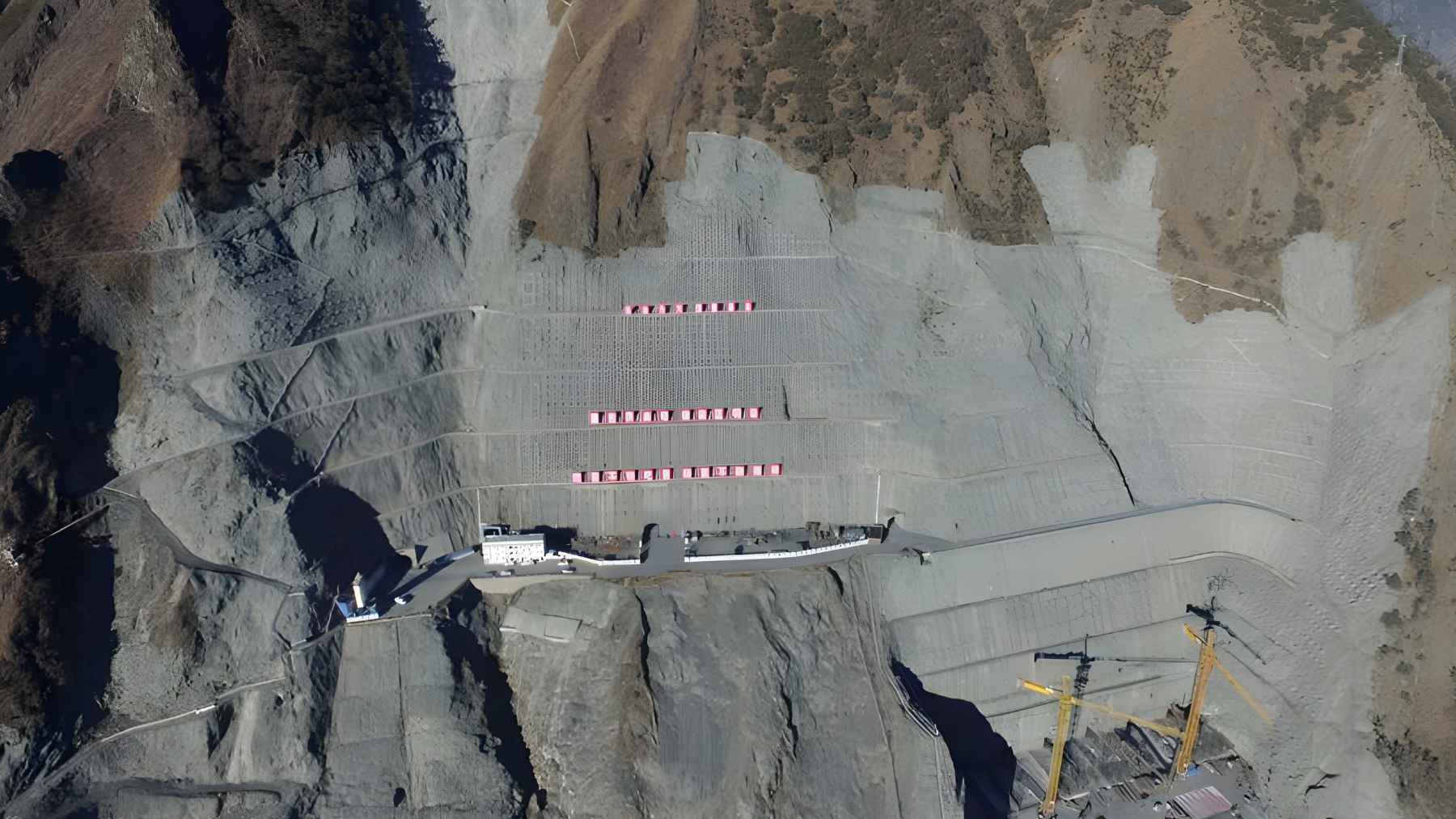
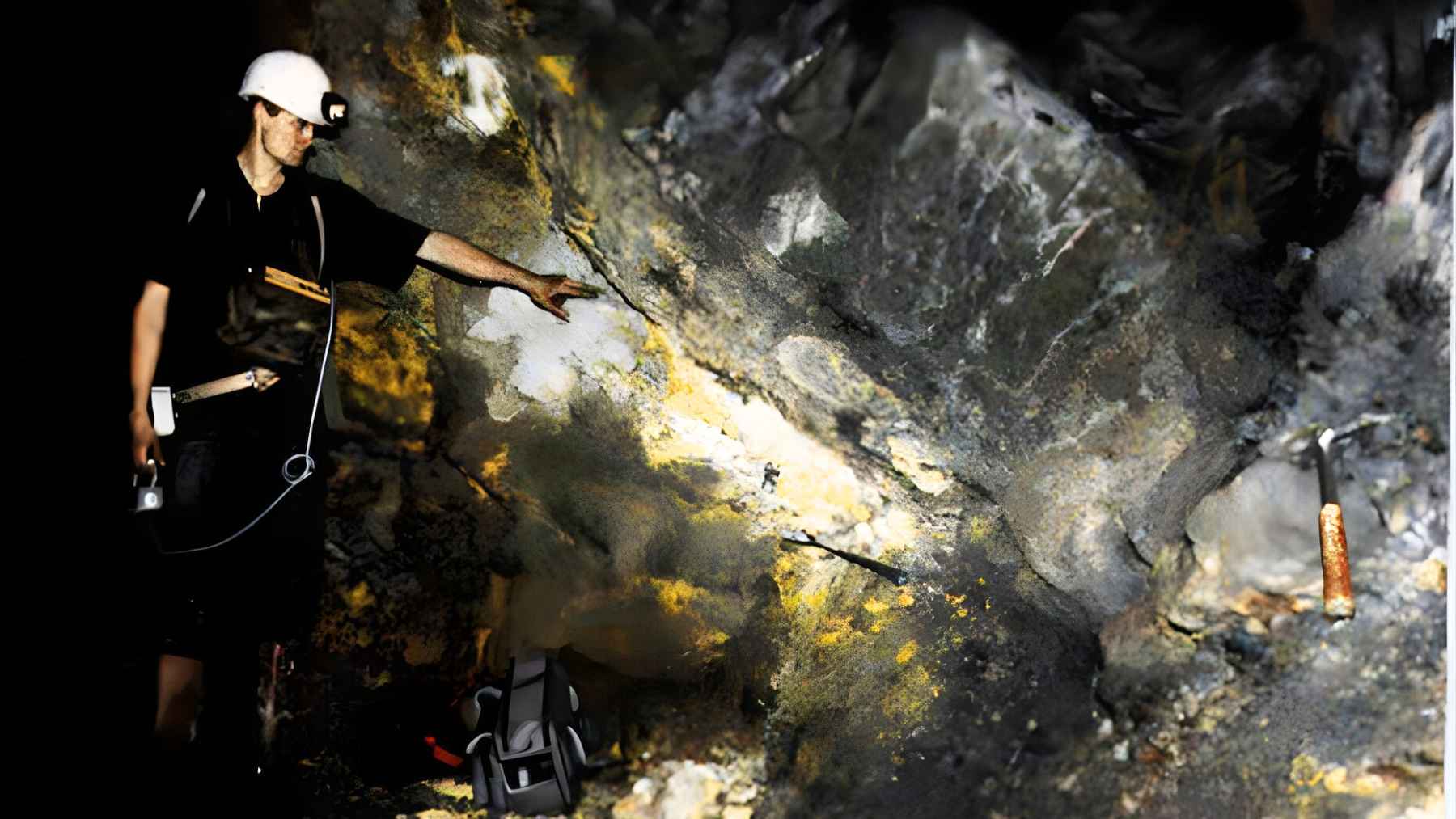
Turning that question into hardware meant finding a way to make large numbers of almost perfectly round silicon beads. Japan had already created the Japan Microgravity Center, known as JAMIC, by turning a former mine shaft into a deep research tunnel where falling objects experience brief moments of weightlessness.
Kyosemi engineers used that facility to drop sealed capsules of molten silicon through the shaft. As they fell, the material softened into droplets, rounded itself in microgravity and cooled into solid beads that were ideal for tiny solar cells, and engineers then used the company’s opto-semiconductor know-how to form a P-N junction inside each sphere so that absorbed light could push electric charges and produce useful current when the beads were wired together.
How Sphelar catches light from every direction
With the basic design in place, Kyosemi built small modules by connecting many spheres in series, just as conventional flat cells are linked on a panel. Each Sphelar bead is roughly one to two millimeters across, yet its round surface lets it absorb direct, reflected and scattered light over much of the day instead of only at one perfect moment.
In simple terms, that means the cells can keep working when the sun is low, partly hidden by clouds or bouncing off nearby windows. Light that would normally be wasted on the side of a building or under the edge of a balcony can be fed into a circuit, and the tiny spheres can be embedded in transparent materials or gentle curves that flat panels simply cannot match in crowded cities.
What spherical solar cells could change
The earliest Sphelar prototypes were wired in series and proved that spherical cells could generate electricity like flat ones, only with a new three-dimensional twist. Those results were strong enough for Kyosemi to open its own Microgravity Laboratory in 1998 and to move ahead with dedicated research on how to make and package the beads at larger scale.
In the following years, the company registered Sphelar as a trademark and began shipping sample modules to industry partners. A spin-off called Sphelar Power Corporation now turns the concept into products such as see-through building elements and compact lanterns that sip power from ambient light.
Flat panels on big roofs are not disappearing any time soon, but spherical cells offer a fresh toolkit for small devices and dense neighborhoods where space is tight, and the main description of this technology has been published by Kyosemi Corporation and Sphelar Power Corporation on their official websites.
Image credits: Pexels/ Freepik/Sphelar