Greece has recently experienced a lot of seismic activity, with over 15,000 earthquakes documented across the country. A state of emergency has been declared in affected areas, particularly on the islands. Earthquakes of different magnitudes wreaked havoc in local communities, shutting down schools and overturning even the daily routine. As aftershocks continue, there are risks of more structural damage as well as difficulties ahead.
Greece swarmed by earthquakes: Authorities urge public caution amid tremor persistence
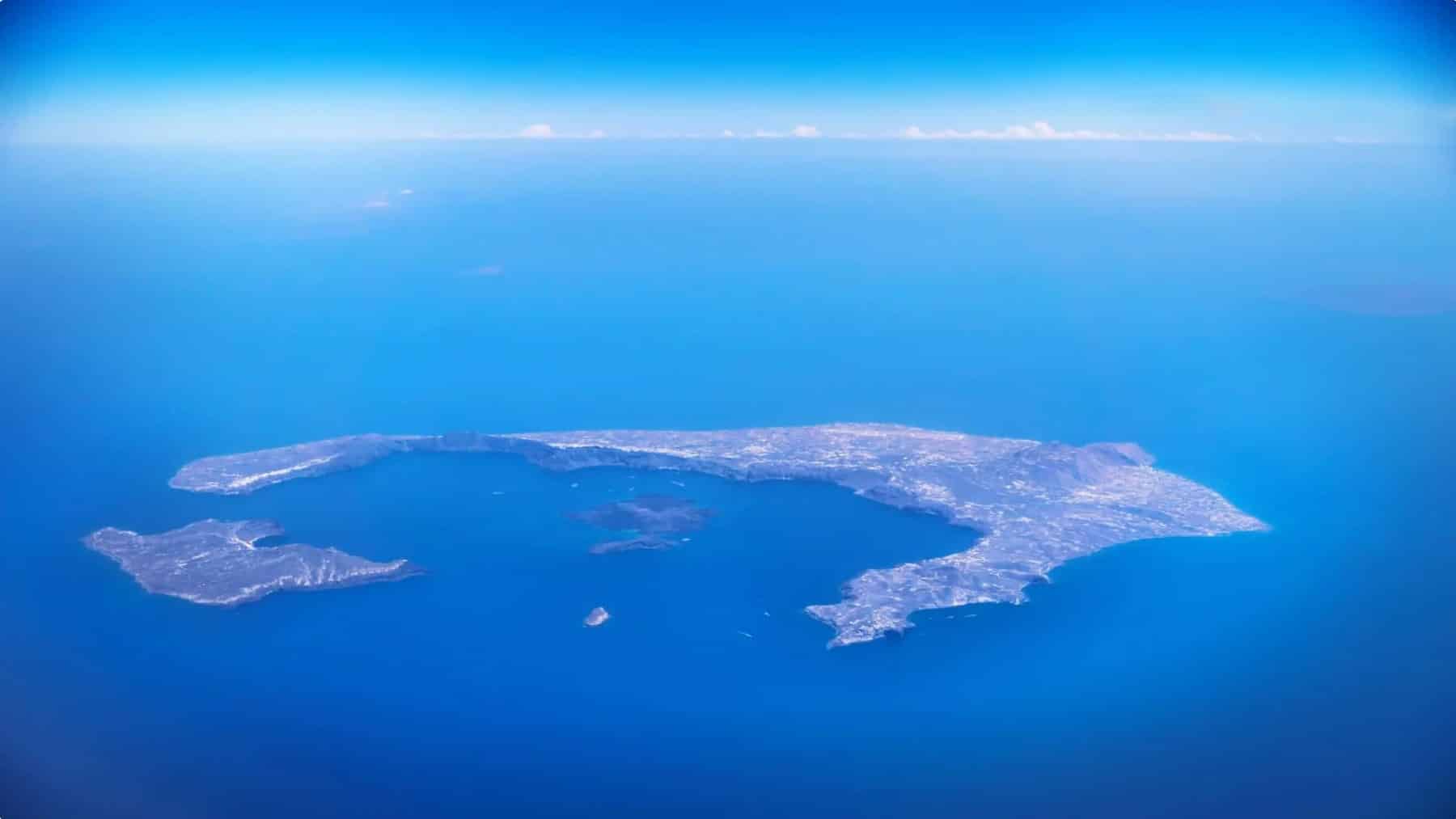
In recent weeks, in the aftermath of this seismic activity, the Greek government has dealt with multiple challenges, from the residents’ safety to building stability. According to reports, the Isle of Santorini (like this supervolcano to erupt under the sea), Amorgos, and a few others have been hit hard, with strong tremors reported and infrastructure damaged.
Although many of the quakes are relatively small, the frequency and intensity have left locals on edge. Schools have been closed as a precaution, and residents have been urged to stay on alert as aftershocks continue to shake the region.
The unforeseen scale of these earthquakes brings challenges to local emergency response teams. It is expected that the national government will deploy the necessary resources to assess damage as well as to assist affected tourists.
As some regions already report cracks in buildings and infrastructure, officials are warning civilians to leave highly dangerous areas. With new information coming in, experts are continuing to track seismic activity, and some believe that the possibility of larger earthquakes may emerge.
Greece’s tourism sector have been jeopardized by the earthquakes
The state of emergency is a key step in Greece’s bid to restore order to affected areas. But the way forward is unclear. Experts warn that aftershocks can continue for weeks or even months, making recovery even more difficult.
Meanwhile, scientists are carefully studying the reasons behind this level of seismicity. Though Greece is historically prone to light quakes because it is situated along major tectonic fault lines, the scale of the quakes in such a short amount of time raised eyebrows.
There are short-term measures and long-term measures that the government looked at to help with recovery. Amidst the distribution of emergency aid, officials are working with engineers as well as structural experts to assess and repair buildings that have been damaged.
The tourism sector, a significant part of Greece’s economy, is under intense pressure. With most of the islands serving as major tourist destinations, there are concerns about the long-term impact of the disaster on the tourism sector of the country. Rebuilding these regions both physically and economically will rely on the government’s swift response.
Rebuilding Greece: Restoring schools, businesses, and homes
Until then, it is inarguable that Greece will have to consider investing in improving its overall earthquake readiness and infrastructure resilience to its most devastating natural disaster. Experts say the crisis could serve as a wake-up call for improved building standards, particularly in earthquake-prone areas. The regular seismic activity highlights the necessity of improved early-warning systems and public education about how to respond to an earthquake.
In the coming months, the country will likely start rebuilding as well as restoring schools, businesses, and homes. Even as the debris clears, the recovery process is not only about the physical reconstruction but also about addressing the psychological toll on many residents, some of whom have experienced devastating losses to their homes as well as communities.
Greece’s uncertain future in the aftermath of more than 15,000 earthquakes will be determined by the state of emergency as well as recovery efforts that follow, guided by the country’s response (just like how NASA issued an America-wide alert). The next months will be crucial in defining how quickly impacted areas can recover and return to normalcy.