Something unusual is bubbling out of hot springs in Zambia, and geologists are paying close attention. The gases rising through the water carry helium signals that, according to a new study, look as if they came from Earth’s mantle, the hot rocky layer roughly 25 to 100 miles beneath the surface.
That does not mean Africa is about to split open overnight, but it may mean the Kafue Rift, a long fracture cutting through Zambia, is more active than scientists had been able to prove before. In practical terms, a quiet-looking landscape may be showing the early signs of a future tectonic boundary.
Hot springs did the talking
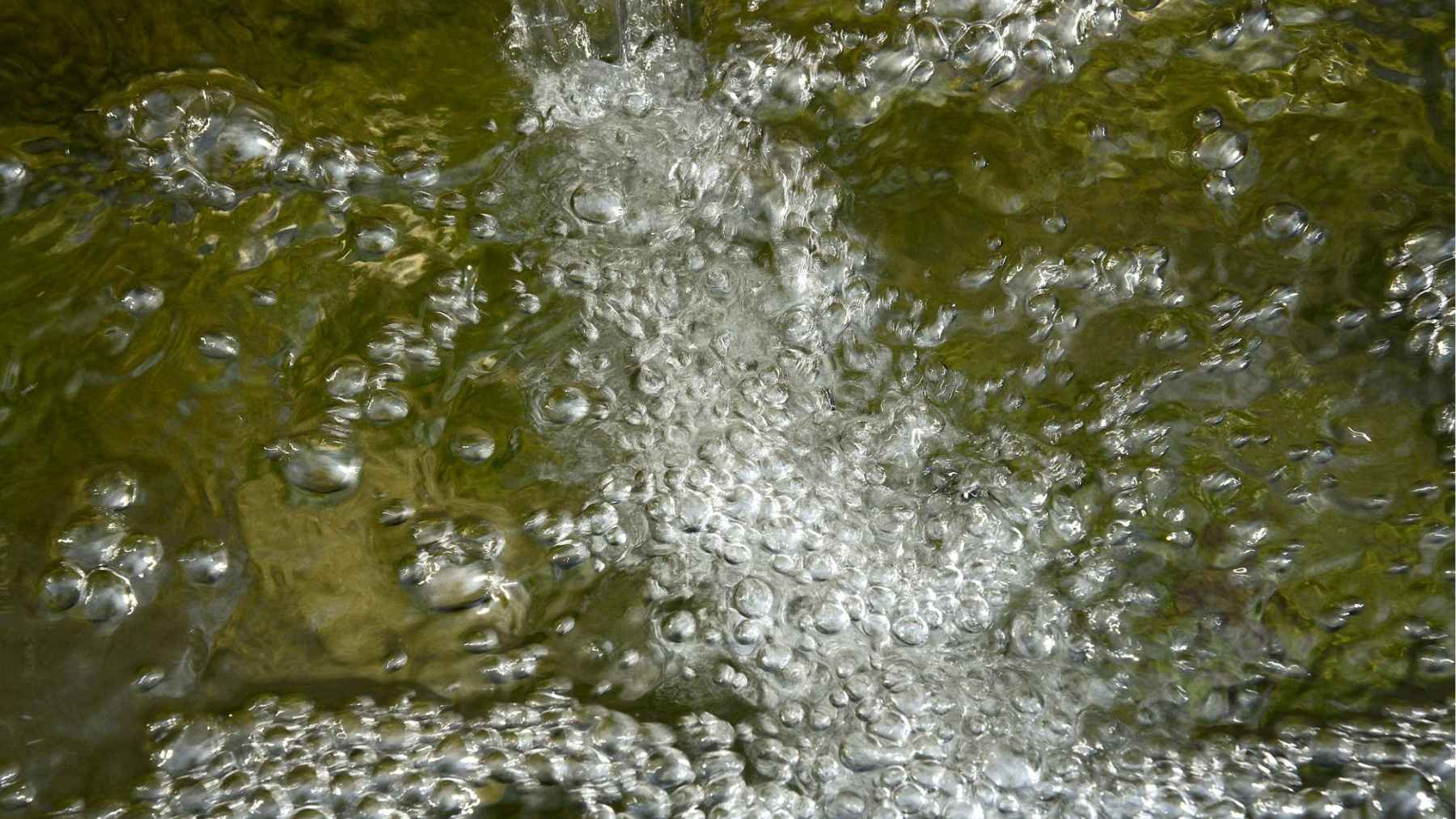
New plate boundaries usually announce themselves with earthquakes, volcanoes, and visible changes in the ground. Zambia’s clue was gentler, almost ordinary at first glance, with bubbles rising through geothermal water.
A team led by Prof. Mike Daly of the University of Oxford collected gas from eight geothermal wells and springs. Six were inside the suspected rift zone, while two were outside it on more stable ground.
At each site, the researchers captured gas from freely bubbling water and sealed it in copper tubes for testing. Back in Oxford, they looked for isotope patterns, especially helium, because different parts of the planet leave different chemical fingerprints.
The helium clue
Helium is easy to overlook, but in geology it can act like a tiny messenger from deep underground. The mantle contains a rare form of helium that is not common at the surface, while crustal rocks create another version through slow radioactive decay.
The Kafue samples from inside the rift showed helium isotope ratios between 0.14 and 0.17 compared with air, high enough for the researchers to identify a mantle component. The two samples from outside the rift did not show the same pattern.
That contrast matters. It suggests the gases are not just ordinary crustal fluids or trapped air. As Daly put it, the hot springs have signatures that indicate a “direct connection with the Earth’s mantle.”
A possible new rift
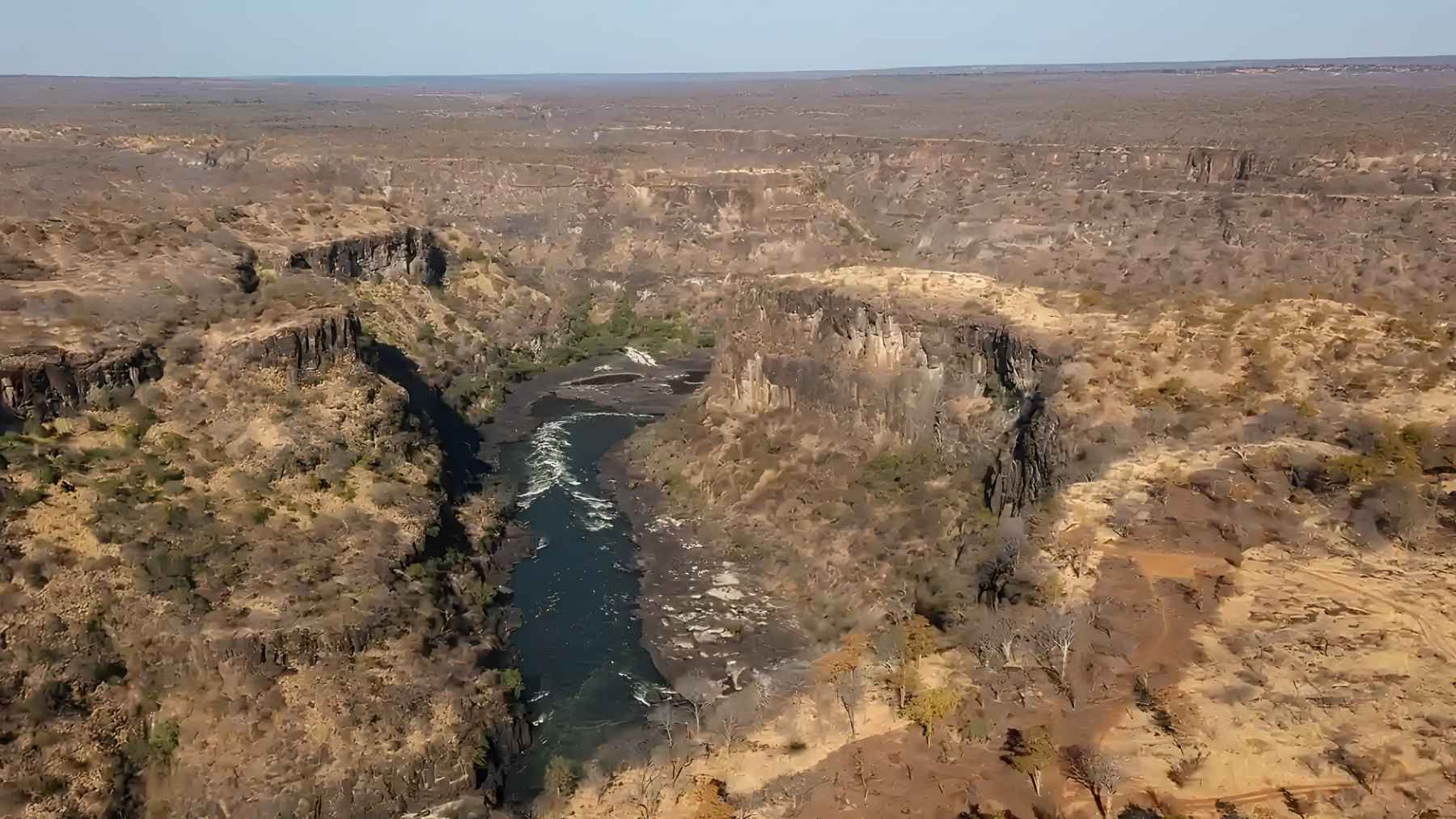
The Kafue Rift is part of a much larger suspected faulted zone running about 1,550 miles from Tanzania toward Namibia. Researchers call this broader structure the Southwestern Rift of Africa, and they believe it could represent the earliest stage of a new plate boundary.
For decades, the better-known East African Rift has received most of the attention. That system has active volcanoes, deep valleys, and a long record of stretching. The Zambian samples, by comparison, look like an earlier and quieter version of the same process.
Could this be where part of Africa eventually pulls apart? Possibly, but with an important warning. Daly has cautioned that many rifts stop before the crust fully breaks and a new boundary forms.
Not a Hollywood split
The idea of a continent dividing in two sounds dramatic. The reality is slower, messier, and much more scientific than a disaster movie.
Rifting happens over immense stretches of time. Rocks weaken, fault zones open pathways, fluids rise, and the surface may slowly sink or lift. Most people nearby would not see a continent tear apart in their lifetime.
That is why this discovery is interesting for what it reveals now. The gases suggest that deep Earth processes are already reaching the surface in one part of Zambia. Quiet clues can be powerful.
Why the location matters
The study compares the Kafue Rift with parts of the East African Rift System. That comparison is useful because East Africa offers a clearer look at what a more mature rift can become.
In the Frontiers study, the Zambian samples were described as similar to early-stage rifting locations in East Africa. The Kafue area has low-level seismicity and faulting, but not the kind of active volcanism seen in more developed rift zones.
That makes it a rare natural laboratory. Scientists may be catching a rift before it becomes obvious on the surface, a bit like noticing a crack in a windshield before it spreads across the glass.
Energy beneath the crack
There is also a practical side to this discovery. Early-stage rifts can create pathways for geothermal heat, and that could matter in places looking for local, lower-carbon energy.
Zambia has already been studying geothermal potential along the Kafue Rift. New evidence of mantle-connected fluids could make those prospects more interesting, especially in a world where every electric bill reminds families how much energy systems matter.
The same kinds of fault zones may also help concentrate gases such as helium and hydrogen. Helium is important for medical scanners, microchips, and rockets, while hydrogen is being explored as a cleaner fuel. The study says these boundary areas could become targets for geothermal and gas exploration.
What scientists still need
For now, the claim is carefully limited. The strongest evidence comes from one general area within a rift system that stretches for thousands of miles.
Daly and his colleagues are pushing the work farther along the valley, including segments in Botswana and Namibia. That next round of fieldwork will help show whether the mantle signal is local to Kafue or part of a much broader fracture system.
Ultimately, this is the bigger question. Is Zambia showing a small, isolated crack in the crust, or the first clear chemical sign of a new African plate boundary taking shape?
Africa’s quiet geological warning
The new findings do not call for panic. They call for attention, because they suggest the ground beneath parts of southern Africa may be more dynamic than it appears from above.
Hot springs, in this case, may be telling a story that satellites and surface maps could not fully confirm. A few bubbles in warm water have pointed scientists toward the deep engine of the planet.
The study was published in Frontiers in Earth Science.