Scientists have been searching for an endless and incredibly infinite powerful energy source, and magnetic power production is only one option. Dreaming of making endless energy sounds appealing, but reality has something different to say. This article delves into the science behind magnetic power production and the obstacles that make it seemingly impossible.
Scientists tested this energy concept, but here’s why it won’t work.
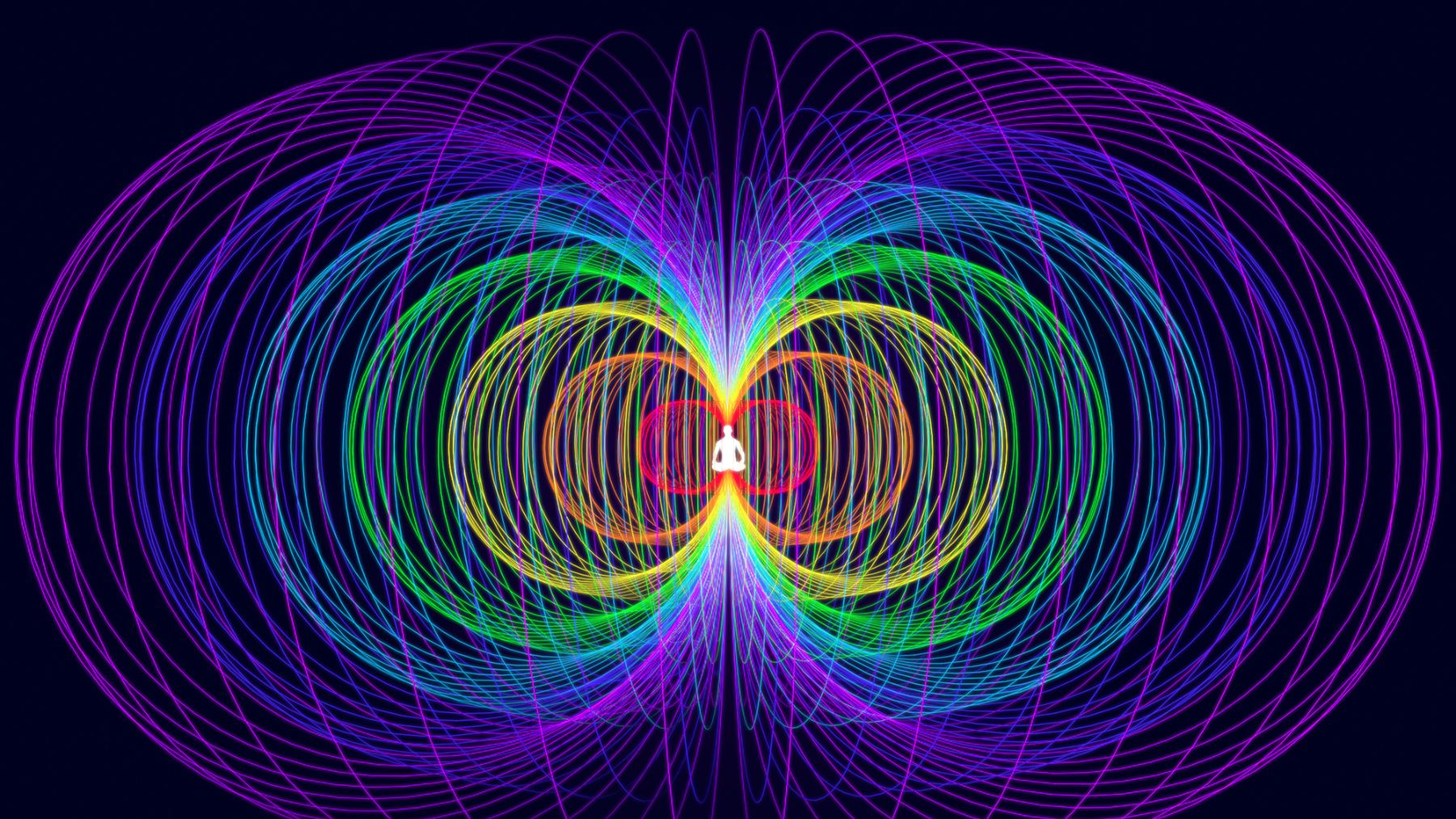
Magnetic power generation transforms electromagnetic principles into electricity from derived energy flows using electromagnetic principles. Michael Faraday discovered electromagnetic induction during the early 1820s, thus establishing the fundamental technique for this procedure. According to Faraday, the poles of a magnet brought a loop of induced wire toward them to produce power.
A magnetic field in constant change generates electromotive force in electric conductors via electromagnetic induction. Electromagnetic induction is the foundation for developing most electrical motors and generators. Magnets alone do not generate energy but allow kinetic energy conversion into electricity. No sustained energy can be generated without a driving force like mechanical motion. This is why power plants must utilize wind, water, or steam-powered turbines to generate helpful electricity, not magnetism.
These mundane applications use magnets, but not in the way that you are used to
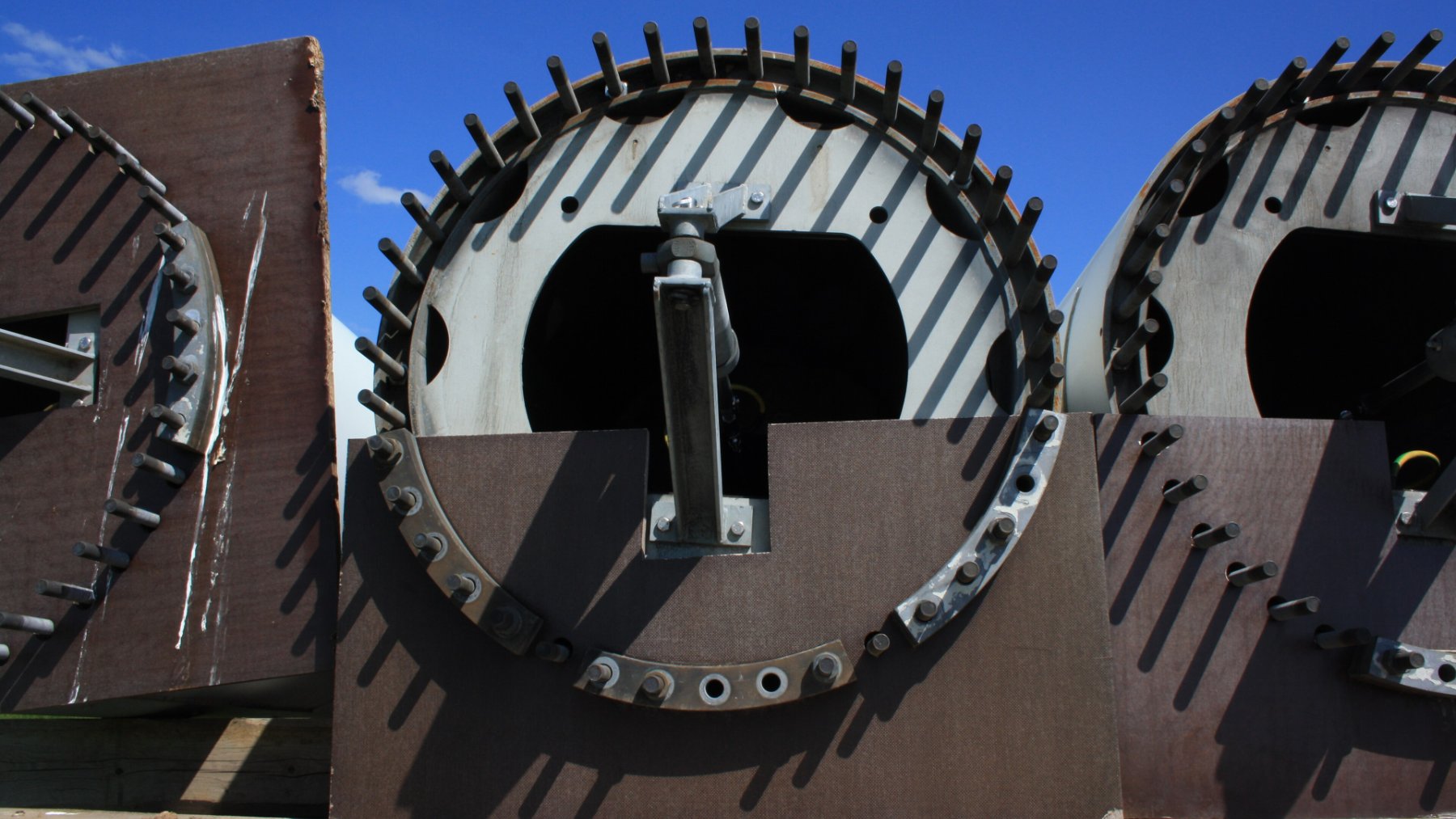
The production of most renewable energy systems depends on magnets during operations such as wind power, hydroelectric, and geothermal facilities. Windmills turn blades due to wind-generated kinetic energy that activates a magnet inside the mill. The turning generates electricity(like this news on electricity generation) through electromagnetic induction.
The kinetic power of moving water drives turbines to function in hydroelectric plants to generate electrical power by spinning magnets. The power plants extract underground steam and hot water reservoirs to power turbines via magnetic operation for electricity generation. Magnets are a key part of renewable energy systems as devices but not themselves as an energy source. Instead, they are intermediates that transform kinetic energy into electrical energy.
The biggest reason why infinite magnetic energy is impossible
Magnetic components provide essential functions for power generation, and magnetic power systems have remained an unachievable concept since the start. Energy conservation occurs through the Law of Conservation of Energy because different types of energy transform from one to another yet remain unchanged. Every power generator requires a power source through movement or fossil-based fuel.
A stand-alone magnet does not hold energy since it requires external kinetic energy to operate as an electric power generator. A stationary magnet needs to be moved to generate electric current. Because of these constraints, magnets’ power-generating potential is limited, preventing endless energy supply creation.
Perpetual motion machines whose creators claim to provide unlimited energy failed to receive scientific acceptance because they violate the laws of physics. A sustainable magnetic energy system remains out of reach due to materials’ resistance, power losses, and inability to convert energy efficiently. All technological progress in the world still requires a source from which energy originates.
What the future holds for magnetic energy innovation
Magnetic power generation produces practical applications even though infinite energy remains impossible. The fundamental principles of electromagnetic induction power generation enable the operation of electric motors, generators, transformers, and induction cookers. The advancement of these technologies has established new standards for living quality, which also helps push industrial innovation forward.
The issue of producing infinite power continues to exist. Power generation experiences efficiency limitations caused by friction, resistance, and energy loss. The supply of renewable energy(here’s more on renewable energy) resources, including wind power, water force, and geothermal thermal heat, must consider geographic conditions and environmental factors.
Although magnetic energy generation is a compelling and precious technology, the dream of an unlimited and potent energy source remains as evasive as ever. The principles of science and our technology’s ability do not allow energy generation in a vacuum without initial energy. As we keep pushing the boundaries of energy creation even further, innovation must be coupled with a rational vision for the principles of our universe.