Solar panels have been revolutionary in the green energy technology sphere. Operating off of photovoltaic technology, they are the most dominant and popular way of harnessing renewable energy. They have also gone through major technological upgrades and advancements, becoming more efficient than ever, with them even being used in outer space. However, this new technology may be a significant upgrade to harnessing energy from the sun.
How traditional photovoltaic technology works
Solar panels have always operated off of photovoltaic technology, which uses highly conductive materials like silver to produce and store electricity in batteries. Sunlight hits the solar cell, which is then converted and stored into electricity due to electrons being excited within the semi-conductible material in the solar panel. The movement of the electrons is what produces the electric current which is what makes the electricity.
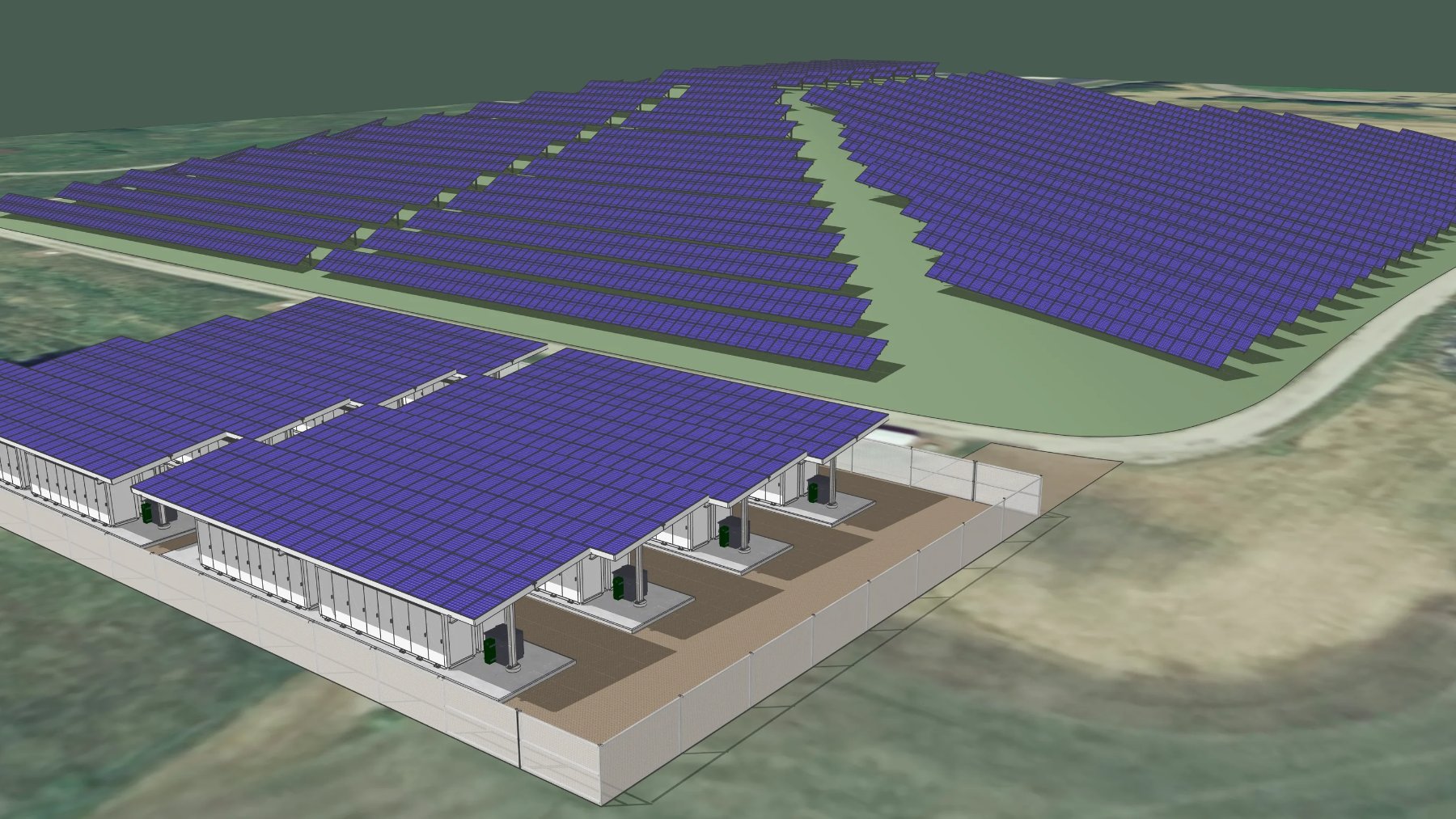
As of 2023, the solar power industry has installed over 1,000 GW of solar power capacity globally. Not only this, but solar continues to expand, with declining costs makin these energy systems more accessible and widespread for large-scale implementation. Solar panels also typically have a lifespan of up to 35 years, meaning that unless significant damage occurs to the cells, once you have installed them they do not need to be replaced.
WAVJA introduces Photon Energy Systems
However, WAVJA USA has gone a different route with their photovoltaic technology. Using proprietary technology, the company alleges that they convert energy into light which boasts significantly more power than traditional solar panels. According to their website, the spherical Photon Energy Systems (PES) can produce energy which is 7.5 times the power than what we see from solar panels currently on the market.
“Compared to traditional solar panels of today, PES is nearly 30 times smaller,” says Shereen Chen, co-founder and executive director of Wavja USA, “and it is over 200 times more efficient.”
What contributes to this increased efficiency, is the PES spheres being able to work not only in more varied light conditions, but also being able to work longer hours. In addition, PES is a battery in and of itself, meaning it is not connected to a battery. It converts and stores the electricity all on its own. PES is not currently available for consumers, and is actively looking for partnerships to distribute their technology.
The road towards a more sustainable world
Renewable energy solutions are critical to achieving a more sustainable world. As companies across industries feel the pressure from consumers and government to offer more eco-friendly initiatives, they are having to go through a radical transformation. The transportation industry in particular has undergoing significant changes. With alternative engine solutions, such as the electrical and hydrogen engine, become more advanced and prevalent on the road, we may very soon be seeing the end of the internal combustion engine.
While most major automobile companies now offer some form of electrical or hybrid engine vehicles, hydrogen engines are fast becoming a complement to it. Diversifying engine solutions is critical to convince consumers to go green, as it provides them with a range of options, but it also means the industry is not only relying on one path to achieve carbon-neutral goals.
Japanese automobile company and powerhouse has been pioneering the hydrogen engine revolution. They’re plug-in hybrids are also popular, as well as their electrical engines being significant rivals to other automobile companies. They have also been pushing for the internal combustion engine to be adapted, rather than completely disregarded. If existing technology can be adapted to work with renewable goals in mind, this would help the industry to adjust much quicker to new engine solutions with the goal of carbon-neutrality in mind.