New York plans to reopen western Long Island Sound and Atlantic waters closed to commercial striped bass fishing since 1986 after PCB tests; anglers' eating advice stays the same
Reopening would not raise the striped bass quota, DEC anticipates rules are in place by May 2027, and New York Harbor fish results are due next year.

· 3 min read
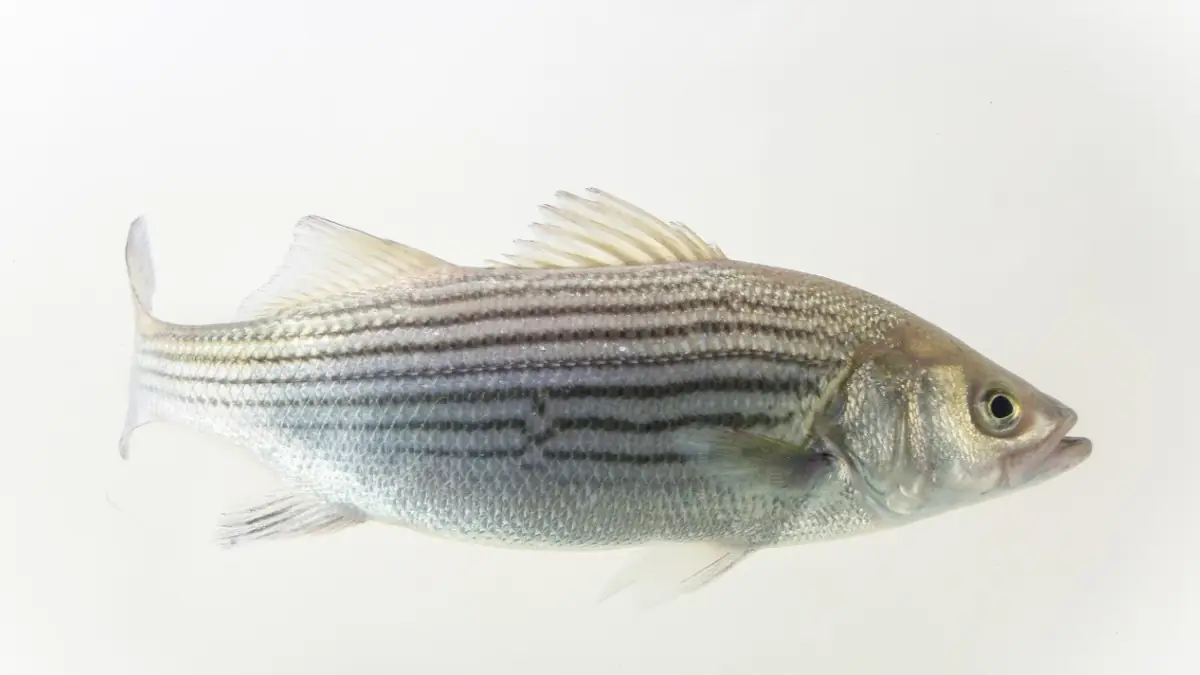
New York officials say striped bass from western Long Island Sound and the western Atlantic now carry PCB levels well below state health guidelines. PCBs are an old industrial pollutant. Those waters have been closed to commercial striped bass fishing since 1986. On November twenty-fourth, the state's environmental and health departments announced test results that clear the way to draft rules reopening them, though the plan must still go through public input. Reopening would not raise the total allowable harvest, which is still limited by the state's commercial quota and a tagging program. It would only change where fishermen can work. The state hopes the rules could be in place for the May 2027 season. For anglers who catch their own fish, the advice does not change. Sensitive groups can eat up to one meal per month, and everyone else up to four meals per month.
Key points
- DEC began its latest striped bass collection in 2022 with the fishing industry and Cornell, paid for by the state Environmental Protection Fund.
- Testing since 2022 found PCB levels well below state health guidelines, and DEC will draft rules for public comment.
- The advisory for anglers is unchanged: up to one meal a month for the sensitive population and four for everyone else.
Striped bass from Long Island Sound and New York's western Atlantic waters now carry levels of an old industrial pollutant well below state health guidelines. The pollutant is polychlorinated biphenyls, or PCBs. Officials describe the results as a significant decline.
The state Department of Environmental Conservation (DEC) and the Department of Health (DOH) announced the results on November 24. They clear the way for DEC to draft new rules. Those rules would reopen parts of the western Atlantic Ocean and western Long Island Sound to commercial striped bass fishing.
Those waters have been closed to commercial harvest since 1986. The change still has to go through the standard regulatory process, including public input. For anglers, the advice on how much striped bass to eat does not change.
Closed since 1986
In 1986, DEC completely closed New York's commercial striped bass fishery. PCB concentrations in the fish posed a health risk to the public, according to the agency.
In the early 1990s, after more sampling and testing, the fishery reopened on a limited basis. The western portions of Long Island Sound and the Atlantic Ocean stayed closed.
DEC began its most recent striped bass collection in 2022. The work was done with the marine fishing industry and in partnership with Cornell University and Cornell Cooperative Extension.

Labs analyzed the fish and sent the results to DOH. The health agency then reevaluated PCB levels in striped bass from the state's marine waters. The program was paid for by the New York State Environmental Protection Fund.
What the tests found
DOH split the data into five commercial fishing zones. It then sorted the fish into two size groups based on the fishing limits. Recreational fish measured 28 to 31 inches, and commercial fish 26 to 38 inches.
The key finding concerns commercially caught fish from the closed areas. Their most recent PCB levels indicate a closure to protect public health is no longer warranted, the release says.
"Based on extensive testing and scientific review, the Department of Health determined that PCB levels in striped bass from these waters no longer warrant a closure for commercially harvested fish from these areas," said Health Commissioner Dr. James McDonald.
The release does not give PCB concentrations or compare them with past years. It says data and maps are on DEC's commercial fishing page.
Same advice for anglers
For people who catch their own striped bass, nothing changes. The advisory for recreationally caught fish of 28 to 31 inches is based on the updated 2020 PCB guidelines. It is "sufficiently protective and remains unchanged," according to the release.
That advisory covers striped bass from Long Island Sound and the western Atlantic Ocean. The sensitive population can eat up to one meal per month. The general population can eat up to four meals per month.
The sensitive population includes anyone under 50 who can become pregnant, and children under 15. The general population is everyone else.
More water, not more fish
Reopening the areas would not raise the total allowable harvest. The commercial fishery is still managed through New York's commercial quota, part of an Atlantic States Marine Fisheries Commission plan. A tagging program limits how many fish can be landed.
What would change is where commercial fishermen can work. If the rules are adopted, they could fish in parts of the Marine District closed to commercial harvest since 1986.
DEC anticipates the rules could be updated in time for the 2027 commercial striped bass season, which opens in May. "The ability to now propose the reopening of these commercial striped bass fishing areas after many years demonstrates the value of continued investment in environmental protection, scientific research, and water quality improvements," said DEC Commissioner Amanda Lefton.
A pollutant that lingers
PCBs were made in the United States from 1929 until a 1979 ban on their manufacture and import, according to the Environmental Protection Agency. They were used in hundreds of industrial and commercial applications because they resist fire and are electrical insulators.
Once in the environment, PCBs do not readily break down, the EPA says. They can cycle between air, water and soil for long periods. They also build up in living things, so people who eat fish may be exposed to them.
Striped bass from New York Harbor were also collected and tested for contaminants. DEC says that data will be evaluated and the results made public in 2027.
Ryan Hagerty, U.S. Fish and Wildlife Service
Glossary for this story
- EPA
- The Environmental Protection Agency: the U.S. federal agency in charge of protecting air, water and land and enforcing environmental laws.
Javier Niño
Writer at ECOnewsJavier Niño has been a Spanish National Police officer since 2017 and a journalist specialising in employment, labour law and Social Security, with more than seven years of writing experience. At ECOnews he covers environment, energy and sustainability news, focusing on how new regulations and court rulings affect people in their everyday lives.
More from Javier NiñoComments · 0
Rules ›No comments yet. Be the first to share your view.